Choosing a facial ageing treatment should follow assessment, not a treatment menu. Corey Anderson RN checks anatomy, skin quality, movement, support, health history, previous treatment, expectations, timing and risk before discussing any plan. The consultation may lead to focused treatment planning, staged review, referral, timing or another clinically appropriate pathway when that is more responsible.
What Decides Which Facial Concern Comes First?
The first concern should be the one that best explains what you notice and has a suitable, proportionate option,not simply the most visible feature or the service you recognise by name. Corey Anderson RN compares skin, support, movement, health context, previous care and timing before ranking the choices.
When assessment and informed consent support proceeding, he explains why one focused step or staged sequence is preferred, what it can change and what should remain outside the plan.
Planning Goals And Individual Variation
Natural-looking planning goals should be described as aims, not promises. Corey considers individual variation, facial balance, proportion and restraint before deciding whether a plan is clinically appropriate.
This keeps the discussion grounded in anatomy, timing, consent, risk and realistic expectations rather than a promised cosmetic outcome.
Start With the Concern, Then Find the Driver
A good consultation begins with what the patient has noticed, but it should not end there. Corey looks at what may be contributing to the concern and whether the requested area is actually the area driving it.
For example, a fold may relate to mid face support, movement, skin quality or natural anatomy. An under eye shadow may involve cheek support, lower eyelid anatomy, pigmentation or fluid tendency.
Separate Structure, Skin, Movement and Health
Facial ageing often involves several domains at once. Structural support, skin quality, expression patterns, weight change, sleep, medicines and health history can all influence how the face appears.
These domains require different conversations. If the concern is mainly surface skin quality, volume related treatment may not be suitable. If the concern is mainly structure, skin only approaches may not address the driver.
Which Concern Earns The First Place In A Staged Plan?
The first priority is usually the concern that drives the largest part of the pattern or gives the clearest information for later decisions. For one person that may be skin quality; for another, facial support or movement. The area that attracts the eye first is not always the best place to begin.
Corey explains why the first step was chosen, what will be reassessed after it settles and which later ideas remain optional. This keeps a staged plan from turning into an automatic list.
Why One Area May Not Be Treated in Isolation
Sometimes one area can be considered on its own. In other cases, treating one area without considering nearby zones may create imbalance or fail to address the reason the concern is visible.
This does not mean a large plan is better. It means the relationship between areas needs to be understood before deciding whether anything should proceed.

When Waiting or Referral Is Better
Waiting may be appropriate when the concern is changing, expectations need more discussion, previous treatment requires review, pregnancy or breastfeeding is relevant, risk is higher than likely benefit, or a medical issue needs attention.
Referral may be more appropriate if the concern sits outside the scope of cosmetic consultation or suggests a medical problem that should be assessed elsewhere.
How Can A Technically Possible Option Still Be The Wrong Choice?
An option can be technically possible yet poorly matched to the concern, unlikely to create enough useful change or too risky for the expected benefit. Corey considers anatomy, health history, aftercare, timing and realistic limits alongside technical feasibility.
The recommendation should state what the option cannot do and how it relates to your priorities. That gives you a sound reason to choose it, delay it or select a different path.
Budget and Timing Need Honest Discussion
Budget and timing are practical clinical considerations, not awkward side notes. A staged plan may be safer or more sensible than trying to address several concerns at once, but only if the patient understands the reasoning.
The aim is a plan the patient can consider calmly, with enough information to say yes, no or not yet.
How Are Two Plausible Options Ranked Against Each Other?
Corey gives each option the same test: does it address the leading contributor, is the expected degree of change worthwhile, how does it affect nearby features, what are the material risks, and does the timing suit your health and previous care? An option that fails the first question does not become better because it is familiar or less expensive.
When more than one choice remains reasonable, your priorities help rank them. You can compare a focused first step with a staged sequence, understand the stopping point and decide with the purpose and trade-offs made clear.
What Should Be Assessed Before Selecting A Treatment?
The treatment conversation should come after the driver of the concern is understood.
- Skin quality, pigment, redness, texture, sun exposure and surface change.
- Facial support, shadows, folds, hollowing, heaviness and proportion.
- Movement patterns, resting expression, previous treatment and natural asymmetry.
- Medical history, medicines, pregnancy or breastfeeding, skin status, timing, expectations and consent.
What Does The Smallest Sensible First Step Look Like?
When a cosmetic option fits, Corey narrows the scope to the contributor that matters most. That may be one focused area, skin care, or the first step in a sequence with a defined review point.
The next step is not assumed. After the first priority settles, you can decide whether anything else still matters. This keeps the plan responsive to your face rather than committed to a list made on day one.

When Is Treatment Selection The Wrong First Step?
Selecting a treatment too early can miss the real driver of the concern or create pressure to proceed.
- The concern is sudden, medically unusual or better reviewed by another clinician.
- The requested area is not the main contributor to the visible concern.
- Timing, expectations, previous treatment or health context make planning unsafe or unclear.
- The likely benefit does not justify risk, so timing or another clinically appropriate pathway is more appropriate.
How Do Fees Compare When More Than One Option Is Reasonable?
Cost belongs beside purpose, likely limits, risk, timing and review needs,not ahead of them. Corey first identifies which options actually relate to the concern, then explains the fee for the focused step or staged sequence you are considering.
The pricing guide provides general context. In consultation, ask what each option is intended to address and whether the less extensive choice answers the priority well enough.
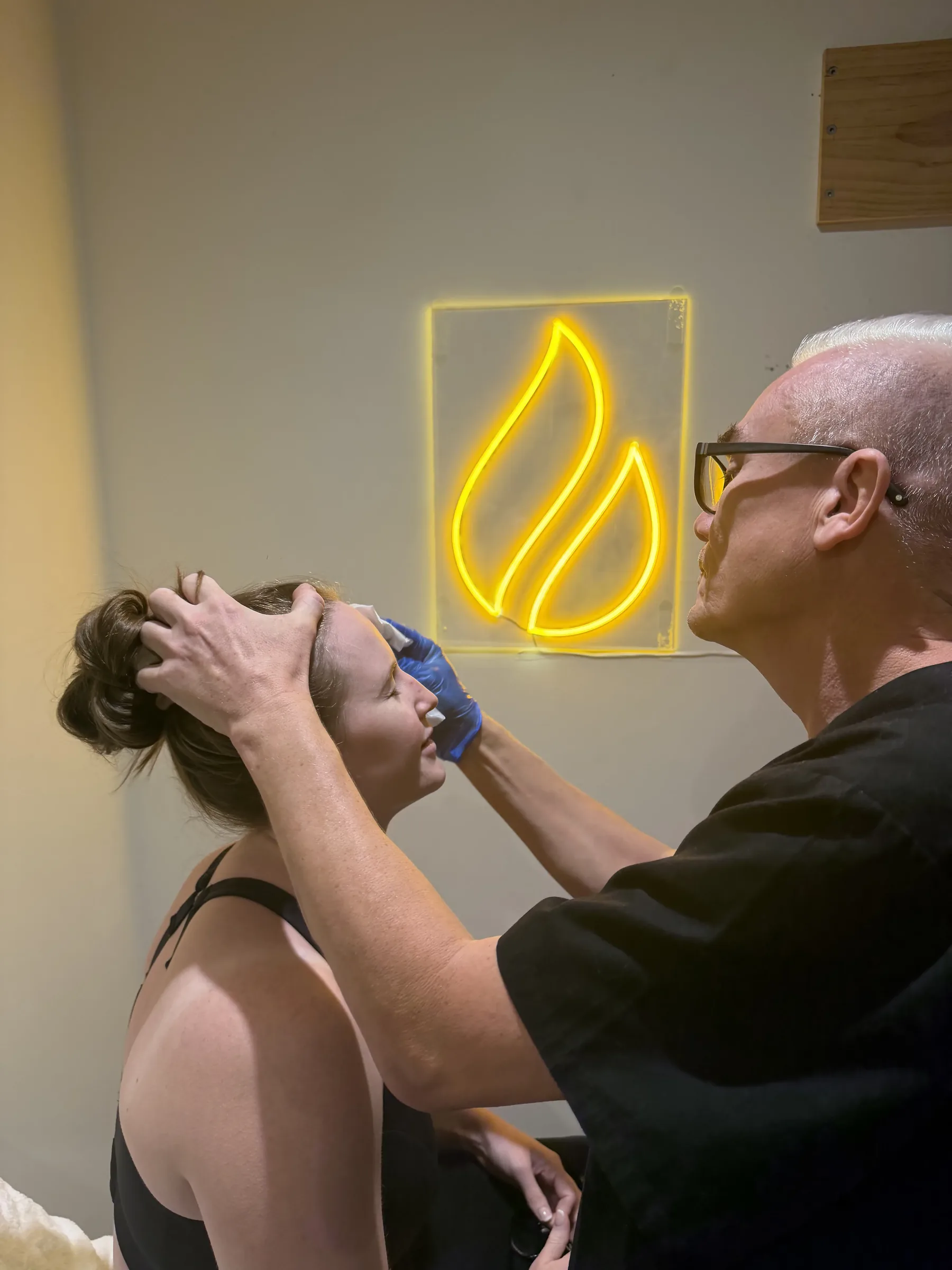
What To Confirm Before Choosing A Pathway
Before booking, confirm who will assess you, what concern you want addressed and whether you are trying to change skin, structure, movement or a combination. Bring previous treatment details, a medication list and any photos that show the concern over time.
Core Aesthetics consults from 12A Atherton Road, Oakleigh. Consultations are led by Corey Anderson RN, Registered Nurse, and he can be checked on the Ahpra public register using registration number NMW0001047575.
This page was reviewed on 5 September 2026 for consultation first wording, suitability language, risk framing and cost context.
Use the verification page if you want to confirm the clinic and practitioner before attending.
When To Book, And When To Step Back
Book when you want a clinician to compare the likely causes and decide what, if anything, fits. Step back or seek medical review first if the change is sudden, painful, one sided or medically unusual.
A cosmetic consultation should not replace medical assessment when symptoms point that way.
General Information Only
This page provides general educational information for adults considering consultation for facial ageing concerns. It does not provide a diagnosis, personal recommendation or assurance of suitability.
A consultation with Corey can clarify what is contributing, compare the options that genuinely relate to it and explain the smallest sensible first step when assessment and informed consent support proceeding.
Is this for you?
Consider booking a consultation if
- You are an adult wanting help understanding which concern should be assessed first
- You have several facial ageing concerns and want a structured consultation
- You value conservative planning, risk discussion and realistic expectation setting
- You are open to timing or another clinically appropriate pathway if that is safer
This may not be for you if
- You want a promised result or a treatment decision without assessment
- You are not an adult patient
- You are pregnant or trying to conceive and are seeking elective aesthetic treatment
- You have an active infection, unhealed skin or an unresolved medical concern in the area to be assessed
Suitability is confirmed at consultation. This list is general guidance, not a substitute for clinical assessment.
Frequently asked questions
How do I know which facial ageing treatment I need?
Start with the contributor rather than a treatment name. Corey assesses whether skin, structure, movement, health context, anatomy or previous care is leading the concern, then compares the suitable options by purpose, risk, timing and the degree of change you want.
Can one facial ageing concern be treated by itself?
Sometimes one area can be considered on its own. In other cases, nearby areas influence the concern, so treating one feature in isolation may not be sensible.
What if my concern is mainly skin quality?
If the main issue is texture, pigmentation, redness or surface change, a volume-related plan may not be suitable. Skin quality and structural support need separate assessment.
What if I have several ageing concerns at once?
Corey ranks the concern that best explains the pattern or gives the clearest first step. He can define a focused priority, a review point and any later choices that remain optional, so a staged plan does not become an automatic treatment list.
When might a staged assessment plan be recommended?
A staged approach can help when several contributors overlap or one decision will make the next easier to judge. Corey sets the first priority and review point, then reassesses whether a later option is still useful after the initial step settles.
How are suitable options and timing discussed?
Corey compares each plausible option against the leading contributor, likely benefit, material risks, nearby anatomy, health context and timing. When assessment and informed consent support proceeding, you can choose a focused first step or staged sequence with its purpose and stopping point clear.
What should I ask during a facial ageing consultation?
Ask what may be contributing to the concern, what options are suitable, what risks and limits apply, whether waiting is sensible and what would make treatment inappropriate.