Early, preventative and corrective are plain language labels for the timing and context of an aesthetic concern; they are not clinical grades or a sequence everyone must follow. Corey Anderson RN assesses what has changed, whether skin, movement or support contributes, and which suitable options, timing or monitoring point fit the individual concern.
What Do Early, Preventative And Corrective Mean?
Early, preventative and corrective are plain language labels for the timing and context of an aesthetic concern; they are not clinical grades or a sequence everyone must follow. Corey Anderson RN assesses what has changed, whether skin, movement or support contributes, and which suitable options, timing or monitoring point fit the individual concern.
Start with what you notice, when it appears and what you want to understand. You can book without deciding which label applies or choosing a procedure.
Are These Labels A Sequence Everyone Must Follow?
No. They are everyday descriptions that help organise a conversation, not compulsory stages.
- Preventative may describe looking ahead, protecting skin health or understanding an expression pattern.
- Early may describe a recent or subtle visible change that needs context.
- Corrective may describe an established concern, without implying that it must or can be completely corrected.
The preventative terminology guide explains why the term should not make treatment feel inevitable.
Does Age Decide Which Planning Label Fits?
No. Age provides background, but facial movement, skin quality, sun exposure, structural support, health history and personal priorities vary widely between adults of the same age.
Corey looks at the stage and pattern of the concern rather than an age threshold. The wrinkle prevention timing guide explores that question, while the wrinkle consultation guide is more useful when expression lines are the specific concern.
Why Can One Visible Change Have Several Contributors?
A feature can look different at rest, during expression and under changing light. Surface skin, habitual movement, facial support and relationships between nearby features can all influence what catches your eye.
Corey separates those contributors during assessment. That is more reliable than diagnosing yourself from a close photograph and helps match any suitable option to the part that actually matters.
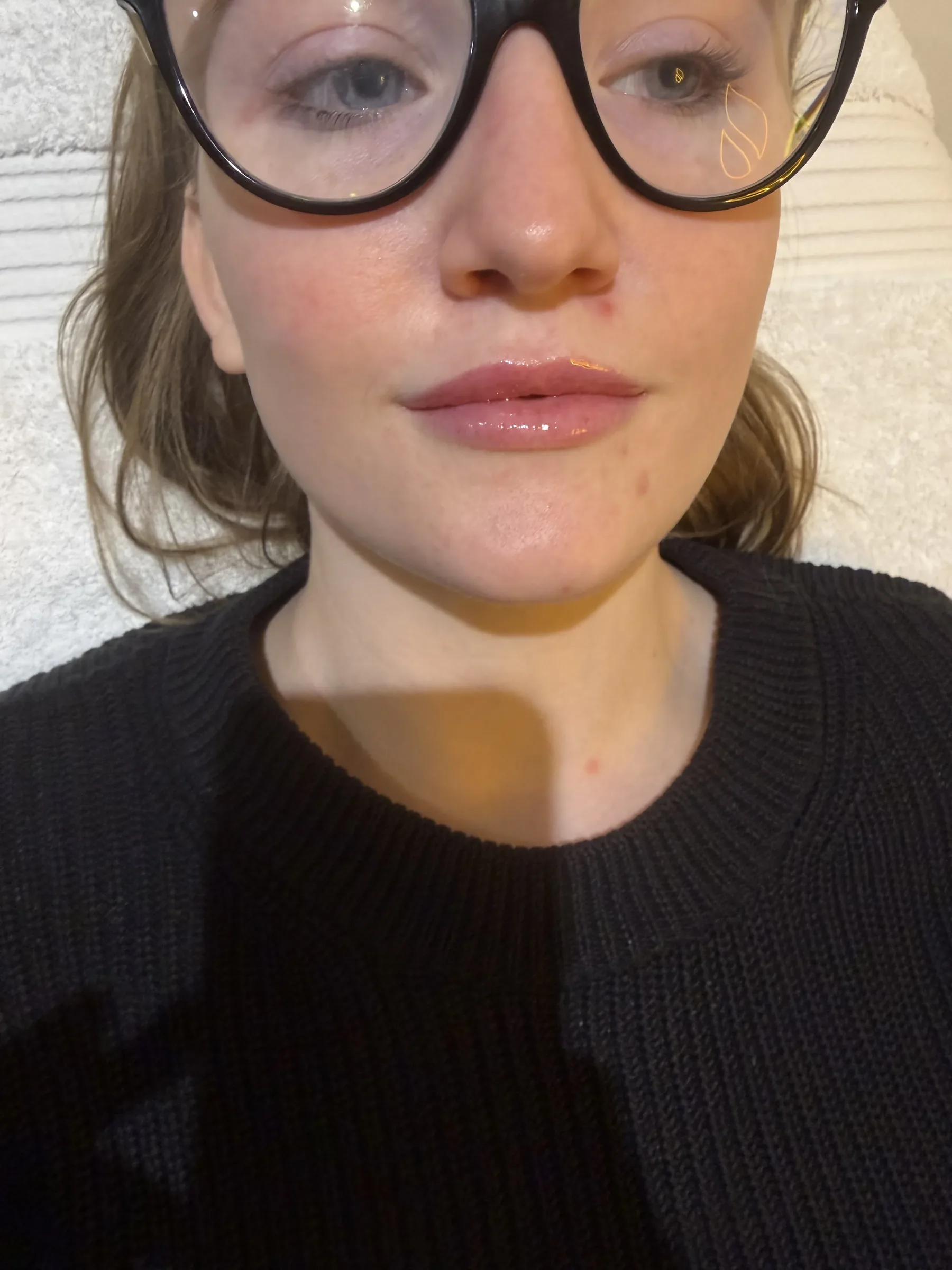
Why Can A Whole Face View Produce A Smaller Plan?
Looking broadly can show that one concern is mainly related to skin, movement or support and that other visible changes do not need to join the plan. It can also reveal that two concerns are separate and should not be treated as one problem.
The facial ageing assessment explains the process. Read skin, structure or movement ageing when you want to understand how those categories differ.
Does A Mixed Pattern Require A Larger Treatment Plan?
No. Mixed contributors are common, but the leading priority and degree of change you value should determine the scope. Corey may discuss one focused option, daily skin care, monitoring or a staged sequence with a clear stopping point.
When assessment and informed consent support care, the recommendation can move forward without committing you to every later idea. Each stage remains a separate decision.
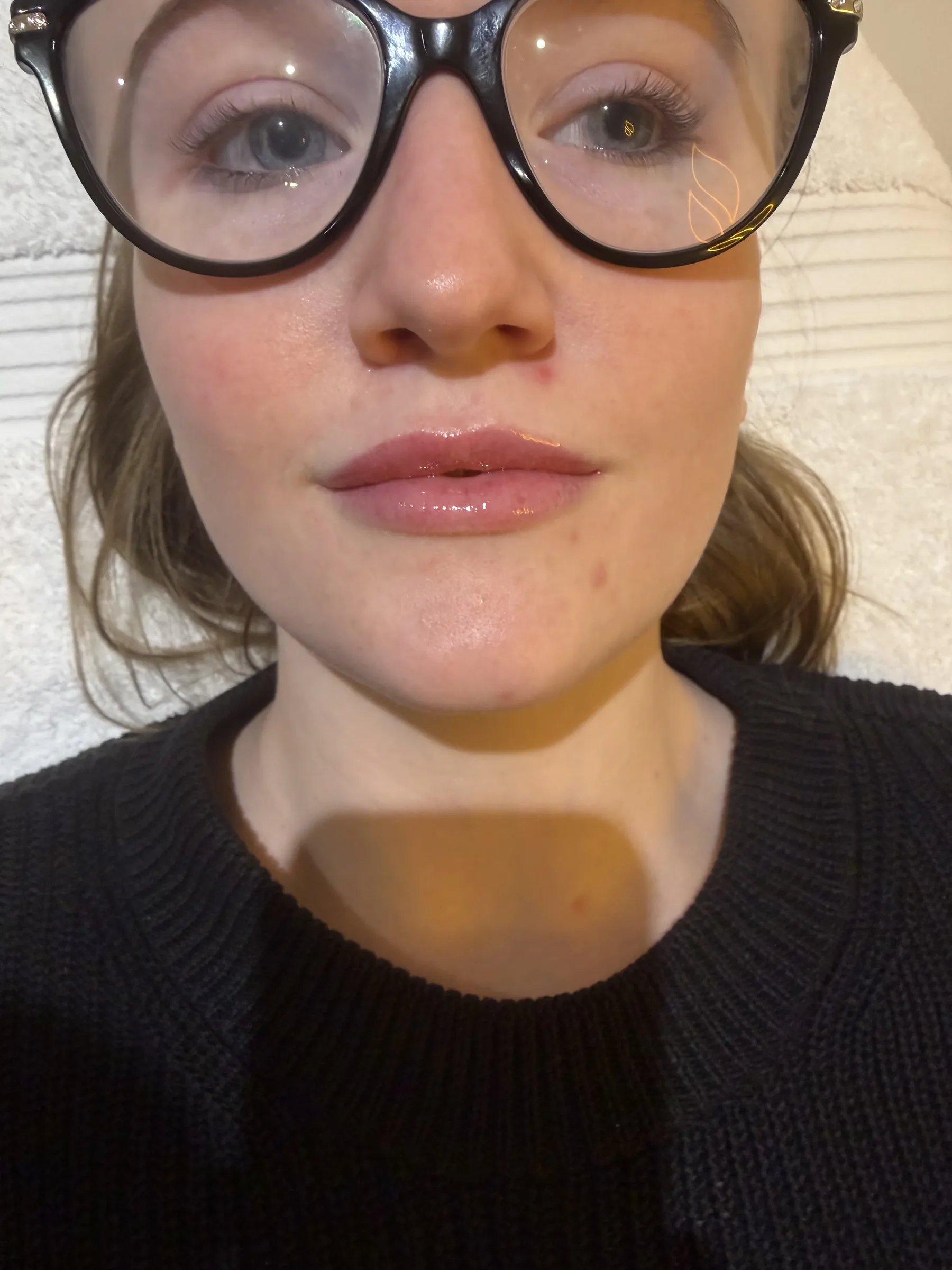
How Is Timing Chosen Without Making The Appointment Feel Like A Delay?
Timing reflects whether the concern is stable, previous care has settled, health information is complete and review can fit your plans. When those conditions support a suitable option, Corey can discuss its purpose, material risks, realistic limits and timing.
If more information, adjusted timing or another clinical review belongs first, he explains the practical checkpoint and when the aesthetic question can be reconsidered. A new, unexplained or concerning facial change needs appropriate medical assessment.
When Does Pricing Become Meaningful?
A label alone cannot determine cost. Pricing becomes useful after Corey identifies the contributor, suitable scope, whether staging is helpful and what follow up the plan may require.
Read the clinic pricing guide for general context before attending. At consultation, cost is discussed beside purpose, material risks, alternatives and review rather than used to choose the plan in advance.
What Should You Bring Instead Of A Treatment Request?
Bring a description of what you have noticed, when it appears, how it has changed and what you hope to understand. Add medicines, allergies, relevant health history, previous cosmetic treatment dates and important events.
You do not need to prove that the concern is early, preventative or corrective. The suitability assessment guide explains why similar visible concerns can lead to different advice.

Which Guide Answers Your Next Planning Question?
Use the subtle aesthetic planning guide when your main question is how restraint and expectations are handled. Use the wrinkle guides for expression lines, or return to the suitability guide when you are deciding whether cosmetic care should be discussed at all.
The patient safety guide explains consent, risks and follow up. Each page has a distinct role; the consultation connects the general information to you.
Who Will Assess You And Where?
Corey Anderson RN is a Registered Nurse who has held nursing registration since 1996 and can be checked on the Ahpra public register using registration NMW0001047575. Consultations take place at the Core Aesthetics clinic in Oakleigh; call 0491 706 705.
Use the verification page to confirm the current practitioner, address and clinic details. When you want the labels translated into an individual recommendation, book a consultation.
Is this for you?
Consider booking a consultation if
- Adults who want to understand early, preventative and corrective planning before deciding whether a consultation is worthwhile
- People who want a visible concern considered in the context of the whole face
- Adults open to information, adjusted timing, review with another health professional or no procedure where that is the responsible recommendation
- People who value a discussion of timing, limitations, risks and alternatives
This may not be for you if
- You are under 18
- You need an explanation for a new or concerning facial change before seeking appropriate medical assessment
- You want a procedure selected from public information without an individual consultation
- You want a decision made before assessment and informed consent
Suitability is confirmed at consultation. This list is general guidance, not a substitute for clinical assessment.
Frequently asked questions
What is the difference between early, preventative and corrective aesthetic planning?
They are plain language ways to organise timing and context, not clinical grades or compulsory stages. Corey still assesses what has changed, which contributor is leading and whether a focused option, skin care, monitoring or staging is suitable.
Does preventative planning mean I should start a procedure sooner?
No. It may mean protecting skin health, understanding a movement pattern or setting a useful monitoring point. When assessment and informed consent support a suitable option, Corey can discuss timing without using “preventative” as pressure to begin.
Does age decide whether a concern is early or corrective?
No. Age is background information. Facial movement, skin quality, sun exposure, support, health history, previous care and personal priorities determine how the concern should be assessed and which options are proportionate.
Why does early planning consider the whole face?
A visible concern can be influenced by skin, movement, support or relationships between nearby features. Looking broadly helps Corey identify the leading contributor and can narrow the recommendation rather than add more areas.
Can movement, skin and facial structure contribute at the same time?
Yes. Mixed contributors are common, but they do not require a large plan. Corey can identify one priority, compare focused and staged options and keep every later decision separate and optional.
How is timing handled when a plan needs more information?
Corey explains whether more records, settling time, adjusted timing or another clinical review would clarify the decision and gives a practical checkpoint. Suitable cosmetic options can be reconsidered when the assessment supports them.
How are fees discussed for early planning?
Cost follows the suitable scope rather than the label. Once Corey identifies the contributor, focused or staged options and follow up needs, he can explain relevant fees beside material risks, alternatives and timing.
Can suitable care be discussed during my consultation?
Yes. When Corey has completed the individual assessment, a suitable option is clear, material risks and alternatives have been discussed, and informed consent supports proceeding, a focused or staged plan can be agreed.