Faces do not enter a standard ageing stage on a fortieth birthday. During the forties, a person may notice gradual changes in skin surface, expression lines, shadows, contour or the relationship between facial areas, while another person of the same age notices very little. The useful task is to build a dated change record: what changed, when it became noticeable, whether it appears at rest or in movement, whether it is stable, and what health, skin, dental, weight or previous care context sits beside it. That record can support an individual assessment. It cannot select a cosmetic procedure or prove that age caused the observation.
The Forties Are An Overlap Decade
The forties can feel confusing because several kinds of change may become noticeable at once. A line that once appeared only during expression may now be easier to see at rest. Skin may reflect light differently. A familiar cheek shadow may look stronger after weight change, illness, stress or a different camera.
Clinical reviews describe facial ageing as a layered process involving skin, fat, muscle and bone, but the rate and visible pattern vary between people. That makes the decade a useful prompt for observation, not an explanation of what happened.
Begin With One Sentence You Can Date
Write the concern in everyday language and attach the earliest reliable date: “I first noticed the left cheek shadow in photographs from late 2025,” or “the forehead line began remaining visible after my face relaxed this summer.”
A dated sentence is more useful than “I look older”. It gives the consultation something that can be checked without deciding in advance which tissue, condition or service is responsible.
Use Three Observation Windows
| Window | Question | Useful evidence |
|---|---|---|
| Earlier baseline | What was ordinary for my face several years ago? | A small number of unfiltered photographs taken at normal distance |
| Recent change | What became noticeable over months rather than years? | The approximate date, health or weight context, dental work, skin symptoms and previous care |
| Current pattern | Is it stable, gradually changing, intermittent or sudden? | Rest and movement observations in similar light, plus any associated symptom |
These windows are an organising tool, not a diagnostic timeline. A gradual appearance change and a new symptom should not be treated as the same kind of evidence.
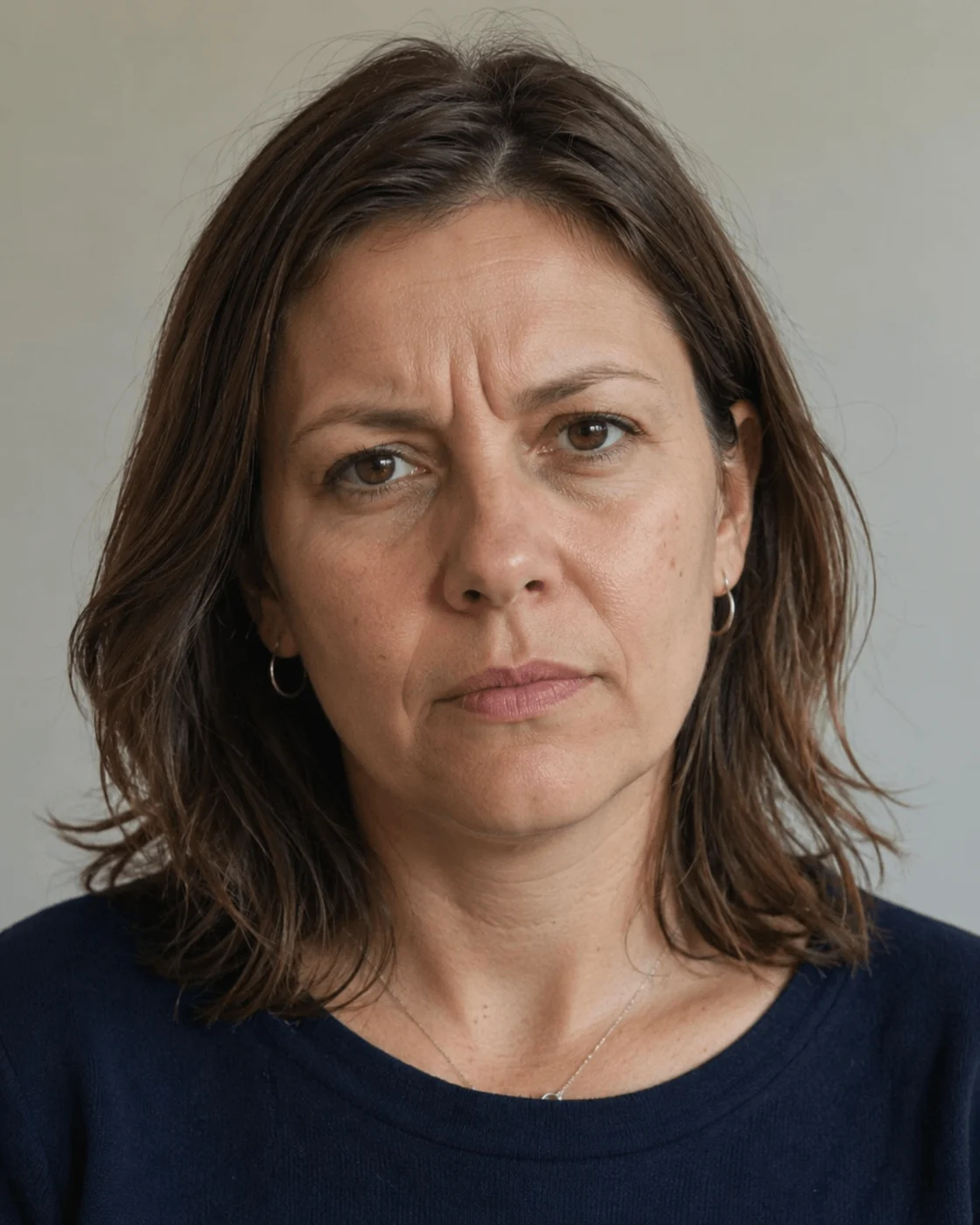
Separate Rest From Movement
Look once with the face relaxed, then during the ordinary expression that makes the concern visible. Notice whether the mark disappears, softens or remains. Do not repeatedly force a frown, squint or smile to manufacture the strongest frame.
This distinction helps describe the concern. It does not prove which muscle or tissue contributes, and it does not establish whether changing movement would be appropriate.
Map Four Kinds Of Observation
| What you notice | Write down | What remains unknown |
|---|---|---|
| Surface | Texture, colour, dryness, comfort and whether the skin itself has changed | Cause, diagnosis and the right skin health pathway |
| Movement | The expression, first visible crease and what remains after release | Which structures contribute and whether any change should be considered |
| Shadow or contour | Area, side, lighting conditions and whether weight or dental context changed | Whether skin, soft tissue, support, anatomy or the photograph explains it |
| Relationship | Whether the concern changes when viewed from front, side and three quarter angles | Whether a local concern should be assessed in a wider facial context |
Do Not Turn Layers Into A Shopping List
Skin, muscle, fat and bone are useful anatomical categories. They are not four items that need correcting. One visible observation can reflect more than one layer, and a layer can change without creating a concern for the person.
The purpose of layered thinking is to prevent a premature answer. It can lead to narrower care, a skin health or medical pathway, a surgical opinion, time for observation, or no cosmetic procedure.
Control The Photograph Before Trusting It
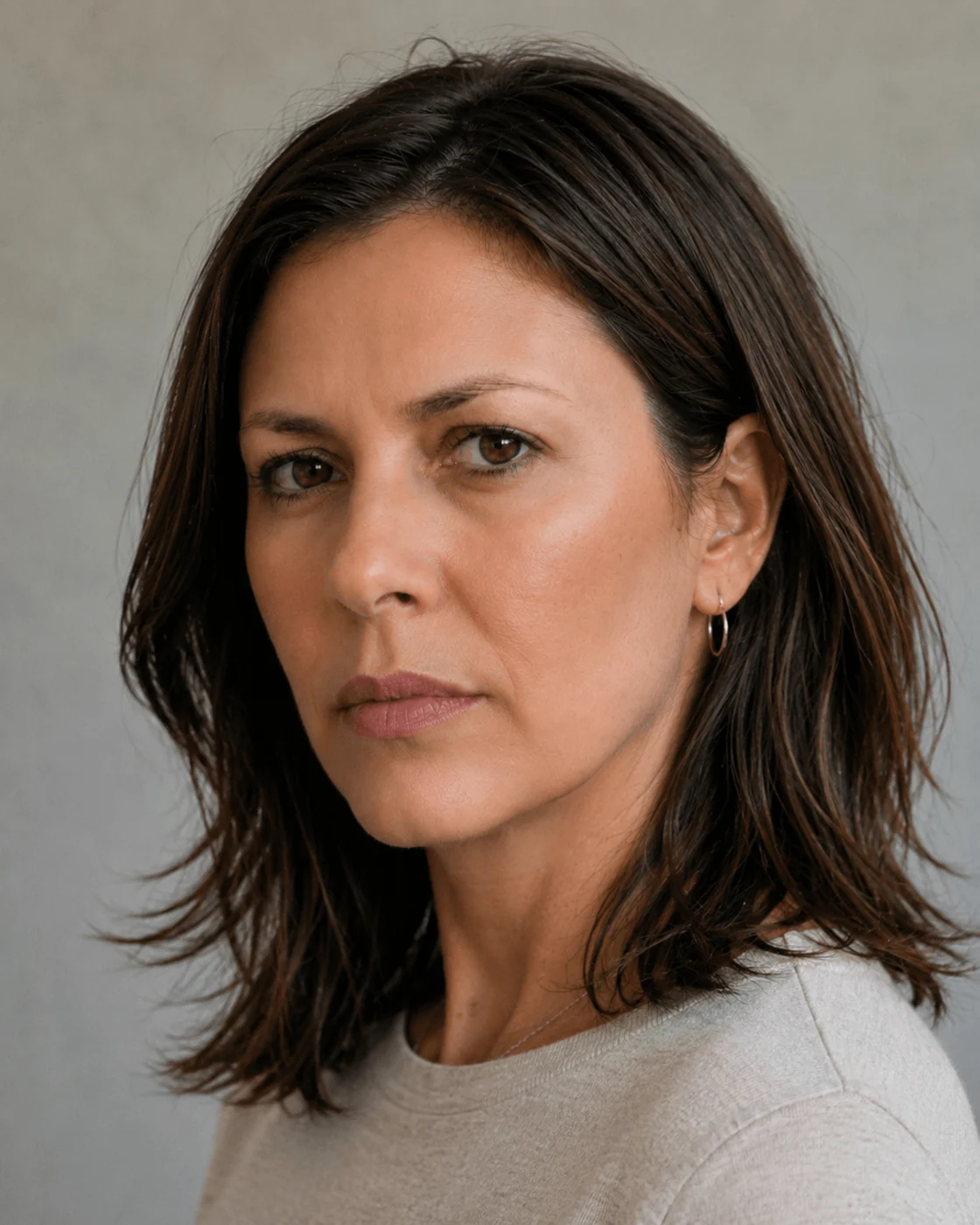
Compare photographs only when camera distance, lens, angle, light and expression are reasonably similar. A close phone selfie can enlarge the centre of the face. Overhead light can deepen under-eye and cheek shadows. A beauty filter can remove texture while changing proportion.
Choose two or three ordinary images rather than building a case from dozens. Photographs help reconstruct time; they are not facial measurements and should not be used to diagnose yourself.
Ask Whether The Change Is Gradual, Recent Or Sudden
A long, gradual change without symptoms belongs in a different conversation from sudden asymmetry, swelling, pain, weakness, altered sensation, visual change, a new or changing skin lesion, unexplained weight loss or a change in teeth or bite.
Do not write a concerning symptom off as “just my forties”. Seek an appropriate health assessment. Call 000 in Australia for an emergency.
Record Health And Life Context Without Blaming It
Medicines, health conditions, sun exposure, smoking history, sleep, stress, weight change, pregnancy or breastfeeding, perimenopause or menopause, dental care and skin disease can all change the questions worth asking. They do not let a web page assign a cause.
Write the dates and facts you know. If the timing is uncertain, say so. The separate life stage planning guide is the better page when pregnancy, breastfeeding or menopause context is the main decision.
Reconstruct Previous Cosmetic Care Before Interpreting A Change
If you have had previous care, list the clinic, practitioner, date, documented area, what the clinical record says occurred, early response, settled response and any complication or review. Ask the previous clinic for records if details are missing.
Do not identify a product, amount or placement from a photograph or memory alone. A recent response that is still changing may make record retrieval and waiting more useful than a new plan.
Use A Seven Line Change Record
- The feature I noticed, in my own words.
- The earliest date or photograph that shows it.
- Whether it appears at rest, in movement or both.
- Whether it is stable, gradual, intermittent, recent or sudden.
- Health, skin, dental, weight or life stage context near that time.
- Previous care and records that may be relevant.
- What I want to understand, and what I do not want changed.
Bring the record on paper or in your phone. It should make the discussion more precise, not lock you into a procedure request.
What Corey Can Test In Consultation
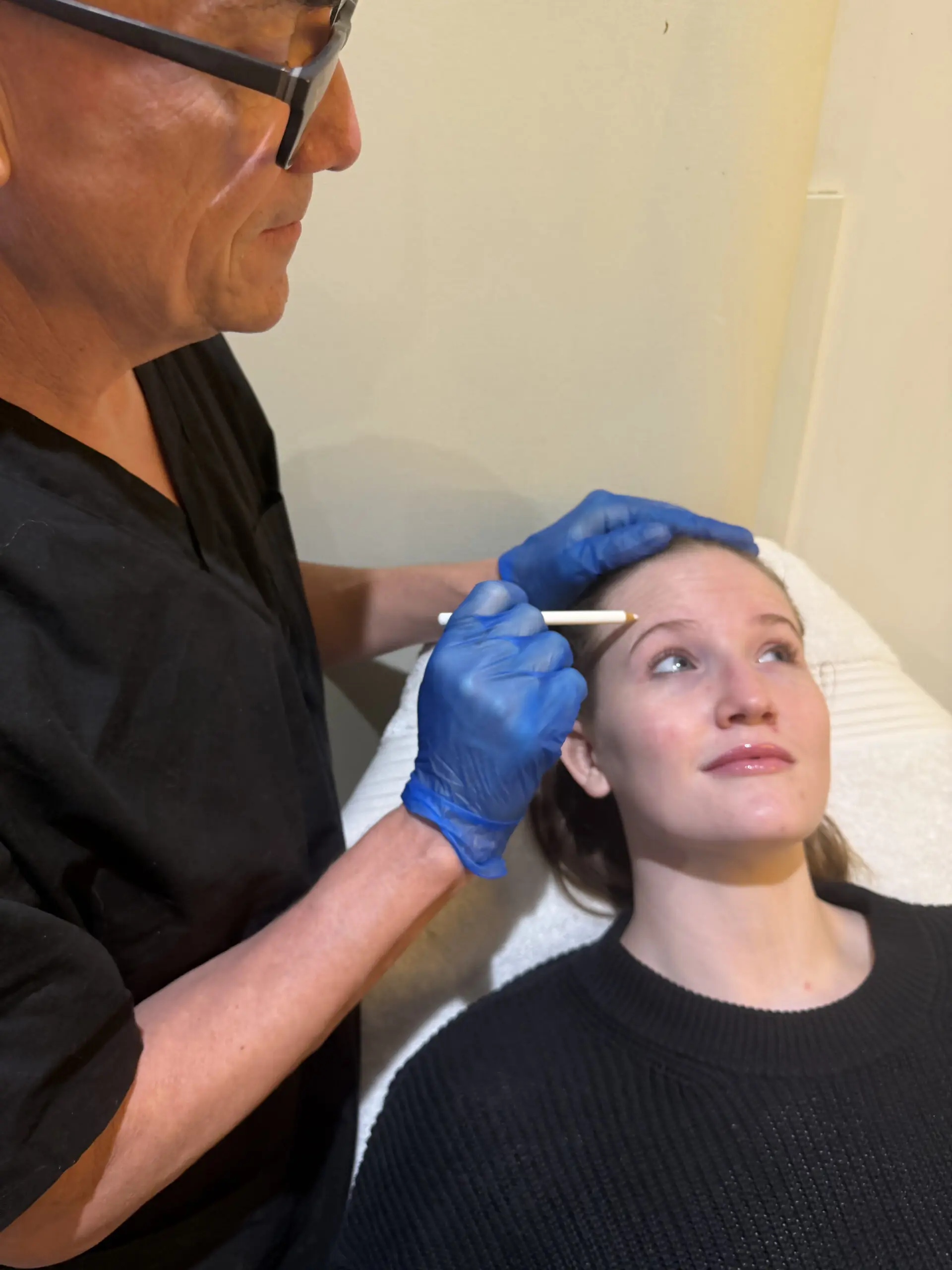
Corey Anderson RN can compare the concern at rest and during ordinary movement, review the dated history, check relevant skin and facial context, and ask how the change affects the person. He can also identify missing records, scope limits and reasons to pause.
The appointment cannot recover a perfect historical baseline or promise an exact appearance. Its useful outcome may be a clearer description, another health pathway, records requested, later review, a discussion of reasonable options, or no cosmetic procedure.
A Wider View Does Not Mean Wider Care
Looking at adjacent areas can explain why a shadow or proportion appears different. That wider view should not become an automatic recommendation to address several areas.
The assessment can remain broad while the decision stays narrow. Ask Corey to name the original concern, the possible contributors, what sits outside clinic scope and which choices include waiting or doing nothing.
Decide What You Want To Preserve
People often arrive able to name what they dislike but not what they value. Write down the expressions, family features, facial character or ordinary asymmetries you do not want reframed as defects.
This is especially useful when a person says they want to look “less tired” or “fresher”. Those phrases can mean skin comfort, sleep, mood, lighting, expression, contour or social pressure. They need unpacking before they can support consent.
When Waiting Produces Better Information
Waiting may be appropriate when the change is recent, previous care has not settled, health information is incomplete, skin is irritated, symptoms need review, a major event is creating urgency or access to follow up is poor.
A later comparison under consistent conditions may answer more than an immediate decision. Your appointment is designed to clarify the concern, suitable options and what happens next.
What Any Later Decision Must Include
If a cosmetic pathway is eventually discussed, the decision still needs purpose, realistic limits, material risks, alternatives, recovery, aftercare, review access, total expected cost and the option of no procedure. Chronological age does not make an elective procedure necessary.
Ahpra guidance requires individual suitability assessment and says practitioners must decline care they consider inappropriate. TGA guidance is why this public page does not name or promote prescription goods.
Keep The Ageing Guides In Their Own Lanes
This page owns the dated change record for a person in their forties. Facial ageing across decades compares broad patterns from the twenties onward. What facial rejuvenation means defines that umbrella term. Facial ageing assessment explains the appointment process.
Use the 30s or 50s guide when that is the reader’s current decade. None of the decade pages is a timetable for starting or increasing cosmetic care.
Bring These Five Things To Oakleigh
- Your seven line change record.
- Two or three useful photographs with approximate dates.
- Current medicines, allergies and relevant health history.
- Previous clinical records where available.
- The question you want answered and the features you want preserved.
Verify The Named Practitioner
Corey Anderson is a Registered Nurse with Ahpra registration NMW0001047575 at Core Aesthetics in Oakleigh. Phone 0491 706 705.
Compare the Core Aesthetics verification page with the independent Ahpra public register before sharing health information or paying.
Questions About Facial Change In The Forties
Do all faces change in the same way during the forties?
No. Facial ageing is layered and individual. Skin, fat, muscle and bone can change at different rates, while health, sun exposure, weight, smoking history, dental factors, genetics and previous care can alter what becomes visible.
What is the first thing to record?
Write one sentence in everyday language describing the feature and attach the earliest reliable date or photograph. Add whether it appears at rest, in movement or both, and whether the pattern is stable or still changing.
How many old photographs should I bring?
Two or three useful, unfiltered photographs are usually more informative than a large collection. Choose images with approximate dates and reasonably comparable distance, angle, light and expression. Photographs provide context and are not measurements.
Why compare the face at rest and in movement?
The comparison shows whether a mark appears only during expression, softens after release or remains visible at rest. It helps describe the observation but does not diagnose the cause or establish suitable care.
Should a sudden facial change be treated as normal ageing?
No. Sudden asymmetry, swelling, pain, weakness, altered sensation, visual change, a changing lesion, unexplained weight loss or a change in teeth or bite needs an appropriate health assessment rather than an assumption based on age.
What if the change appeared after previous cosmetic care?
Record the clinic, practitioner, date, documented area, what the clinical record says occurred, the early and settled response, and any review. Ask for records rather than guessing a product, amount or placement from a photograph.
Does a wider facial assessment mean several areas should be treated?
No. Adjacent areas may be observed to understand one concern safely, while the decision remains narrow. The outcome can be explanation, adjusted timing, review with another health professional, later review or no cosmetic procedure.
How is this different from the facial ageing by decade page?
This page is a working guide for building a dated change record during the forties. The facial ageing by decade page compares broad patterns across several decades and explains why none should become a treatment schedule.
Can age alone make me suitable for a cosmetic procedure?
No. Age can provide context but cannot establish need or suitability. Individual assessment, health history, expectations, material risks, alternatives, timing, consent and review access all matter.
Can the consultation end without a cosmetic plan?
Yes. A useful outcome may be a clearer observation, photographs standardised for later review, records requested, another health pathway, waiting or no cosmetic procedure. The appointment does not need to produce a procedure plan to have answered the original question responsibly.
Is this for you?
Consider booking a consultation if
- Adults in their forties who want to describe a facial change accurately
- People who can compare an earlier baseline with a recent and current pattern
- Readers willing to bring health, dental, skin and previous care context
- People who accept that assessment may lead to adjusted timing, review with another health professional or no procedure
This may not be for you if
- Anyone with a sudden or medically concerning facial or skin symptom
- People seeking a procedure schedule based only on age or a promised appearance
- Anyone expecting photographs to diagnose a cause or establish suitability
- People unwilling to disclose relevant health or previous care information
Suitability is confirmed at consultation. This list is general guidance, not a substitute for clinical assessment.
Clinical references
- Ahpra: Guidelines for registered health practitioners who perform non-surgical cosmetic procedures
- Ahpra: Advertising higher risk non-surgical cosmetic procedures
- TGA: Advertising health services that involve therapeutic goods
- Ahpra: Public register of practitioners
- The Facial Aging Process From the Inside Out
- Facial skin ageing: Key concepts and overview of processes
- Patterns of Change in Facial Skeletal Aging