Facial ageing by decade is useful only as a filing system for observations. It cannot tell you what should have changed by a birthday or what care you need. Build your own chronology instead: identify a reliable baseline, separate gradual change from a recent step change, note whether the feature appears at rest or in movement, and record health, weight, dental, skin and previous care context. A sudden or medically concerning change belongs with an appropriate health practitioner, not a decade chart.
What Can A Decade Guide Honestly Tell You?
Facial ageing by decade is useful only as a filing system for observations. It cannot tell you what should have changed by a birthday or what care you need. Build your own chronology instead: identify a reliable baseline, separate gradual change from a recent step change, note whether the feature appears at rest or in movement, and record health, weight, dental, skin and previous care context. A sudden or medically concerning change belongs with an appropriate health practitioner, not a decade chart.
A Birthday Does Not Start A Standard Stage
People do not move through a shared facial timetable at 30, 40 or 50. Research describes changes across skin, fat, muscle, ligaments and bone, but the onset and speed vary between structures and between people. The guide is useful when it helps someone describe their own change, not when it supplies a new feature to worry about.
Use Each Decade As A Chapter Heading
The observations below are prompts, not forecasts.
| Chapter | A useful question | An inference to avoid |
|---|---|---|
| Twenties | What is my ordinary baseline at rest and in movement? | That prevention requires a cosmetic procedure. |
| Thirties | Which change is repeatable across ordinary photographs? | That noticing something means it needs correction. |
| Forties | Are skin, movement and structural observations overlapping? | That everyone experiences the same midlife shift. |
| Fifties and later | Which observations are gradual, and which arrived recently? | That more layers automatically mean more care. |
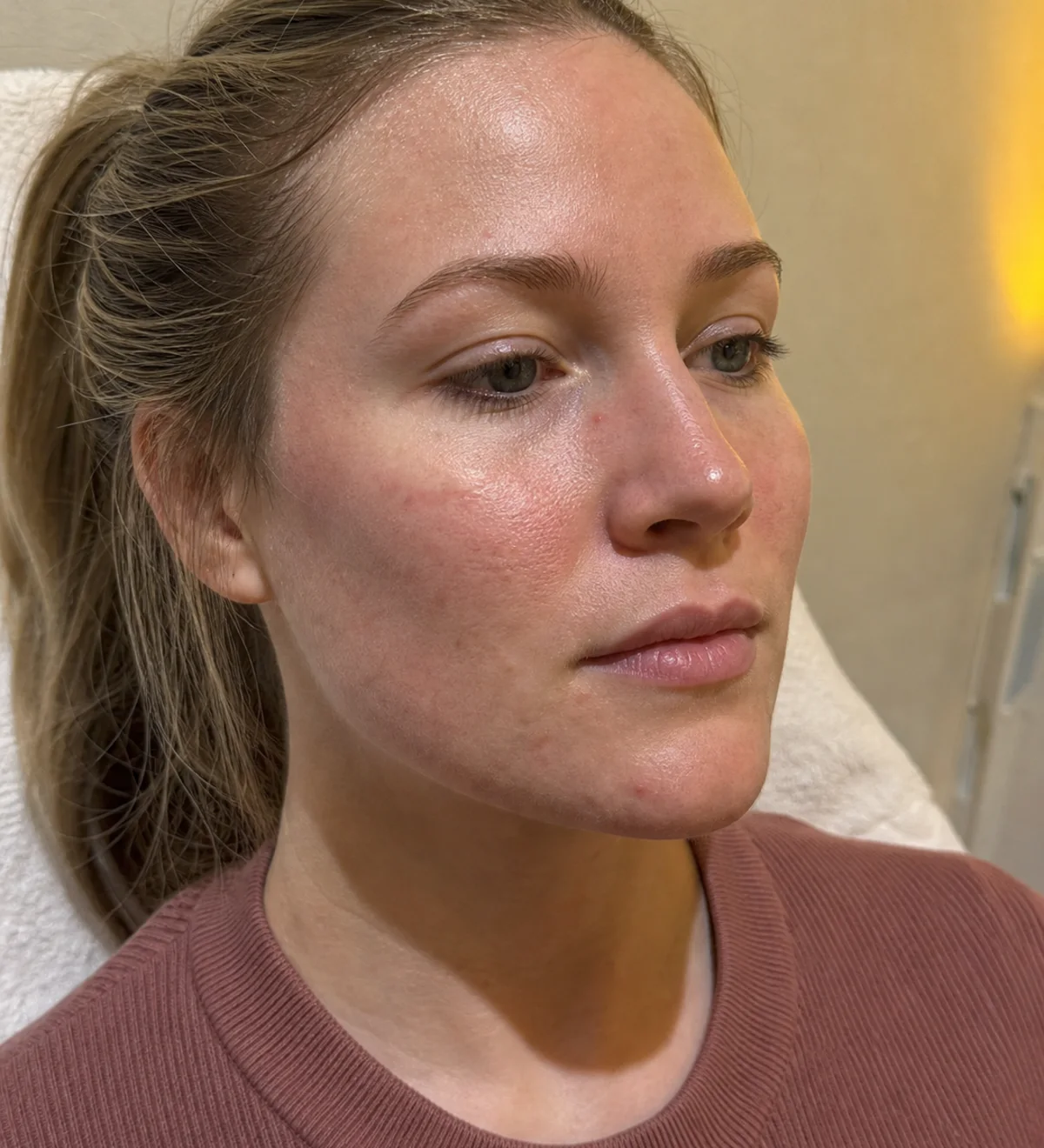
Sort Change By Speed Before Cause
| Pattern | What it means for the record | Responsible next question |
|---|---|---|
| Baseline | The feature appears consistently in older and current images. | Is this ordinary anatomy rather than a new ageing change? |
| Gradual drift | The observation becomes clearer over several reliable dates. | Which layers may contribute, and what remains uncertain? |
| Step change | The difference follows weight, health, dental, hormonal, skin or previous care context. | Does another clinician or a period of observation need to come first? |
| Sudden change | The feature appeared quickly or carries symptoms. | Does this require medical or dental assessment rather than cosmetic interpretation? |
Build Your Six Line Change Record
- Feature: describe one thing without diagnosing it.
- First reliable date: use the earliest comparable photograph or memory you trust.
- Rest or movement: say when it is actually visible.
- Direction: stable, gradual, intermittent or recent.
- Context: note relevant health, weight, dental, skin, medicines, hormones or previous care.
- Question: write what you want clarified, including the option of leaving it alone.
One well dated observation is more useful than a long list of features copied from an age chart.

Do Old Photographs Prove A Facial Change?
Not on their own. Lens distance, camera height, head position, expression, body weight, light and image processing can all alter appearance. Prefer ordinary photographs taken from a similar distance and angle. Use them to identify a question, not to calculate lost volume or diagnose a structure.
If only one unusual image shows the difference, record that uncertainty rather than treating it as a trend.
Separate Skin, Movement And Structure
Skin observations include texture, colour variation and surface quality. Movement observations appear or deepen with expression. Structural observations involve contour, support or the relationship between facial areas. The same shadow can involve more than one category, and a photograph cannot confirm which layer is responsible.
This is why a decade chart should never become a menu. Read how facial anatomy changes with age for the layered anatomy question.
When Is It Not Responsible To Call A Change Ageing?
New pain, sudden asymmetry, swelling, altered movement, a changing skin lesion, unexplained weight change, a dental or bite change or another rapid development should not be dismissed as age. Seek assessment from an appropriate medical, dental or skin practitioner according to the concern.
A cosmetic consultation is not a diagnostic shortcut. Corey can also decide that referral or more observation is the useful next step.
How Is This Different From The Other Ageing Guides?
| Guide | Reader job |
|---|---|
| This decade guide | Organise observations into a personal chronology without treating age as a schedule. |
| Anatomy changes with age | Understand the skin, fat, muscle, ligament and bone layers. |
| Facial ageing assessment | Understand what happens during an in person whole face consultation. |
| Facial change in the forties | Build a detailed record for that specific overlap decade. |
Why Age Should Not Choose A Cosmetic Pathway
Age does not establish suitability, likely benefit or acceptable risk. Cosmetic procedures carry risks, and assessment must consider the actual concern, health history, medicines, previous care, timing, expectations and follow up access. A person may leave with education, a request for records, medical review, a later observation point or no cosmetic procedure.
The aim is a clear explanation of the concern, suitable options, timing and review needs. A birthday, event or decade milestone should not create urgency.
What Does The Evidence Support?
Anatomy reviews describe facial ageing as a layered process involving skin, fat, muscle, ligaments and bone, with different onset and speed between people and structures. One cited review also declares industry support, which is relevant when interpreting its treatment framing. This page uses the anatomy description, not a product recommendation.
Current Ahpra guidance informs assessment, consent, risk and follow up boundaries. TGA guidance informs the neutral, product free language.
Verify The Practitioner Who Interprets The Record
Core Aesthetics is in Oakleigh. Corey Anderson RN lists Ahpra registration NMW0001047575. Use the Core Aesthetics verification page and public register before booking. This guide was reviewed on 5 September 2026.
Bring the six line record if you attend. It gives Corey something specific to test without turning your age into a treatment request.
Questions About Facial Change Across Decades
Does everyone’s face age in the same order?
No. Skin, fat, muscle, ligaments and bone can change at different rates, and the onset differs between people. Health, weight, dental context, sun exposure, movement, hormones and previous care can also alter the personal chronology.
What is the most useful way to compare decades?
Choose one repeatable observation and compare reliable dates with similar expression, camera distance and angle. Record whether it is baseline, gradual, a step change or sudden, then note the health and life context beside it.
Can an old photograph prove volume loss?
No. A photograph can show that appearance differed, but lens choice, distance, head position, light, expression and body weight can change the image. It should generate a question rather than diagnose a structure or quantify change.
What facial changes are common in the thirties or forties?
People may notice skin, movement, shadow or contour differences, but there is no required pattern for either decade. The responsible question is what changed for that person, how quickly and whether the observation is repeatable.
Why might a sudden change not be ageing?
A rapid change may relate to health, dental, skin, weight, medicines, previous care or another cause that needs assessment. Pain, swelling, altered movement, a changing lesion or sudden asymmetry should not be dismissed as a normal birthday related change.
Does being older mean more cosmetic care is needed?
No. More visible layers do not create a treatment requirement. Suitability depends on the individual concern, health history, risks, expectations and whether likely benefit justifies proceeding. Education, referral, observation or no procedure may be more appropriate.
What should I bring to a facial ageing consultation?
Bring the six line record, a small number of reliable dated photographs, relevant health and medicine information, dental or weight context, and accurate previous care records. State what you want clarified and what you would prefer to preserve.
Can I use this guide without booking anything?
Yes. Its purpose is to organise observations, not create demand for a procedure. You may decide the feature is baseline anatomy, keep watching a gradual change, seek another health opinion or simply leave it alone.
Is this for you?
Consider booking a consultation if
- You are an adult wanting to understand facial ageing patterns without being pushed into treatment
- You want to separate skin, structure, movement and anatomy concerns
- You value assessment over age based assumptions
- You are open to timing or another clinically appropriate pathway if that is more appropriate
This may not be for you if
- You want a treatment timetable based only on age
- You want a promised appearance or fixed plan before assessment
- You have an urgent medical concern that needs medical care
- You do not want to discuss medical history, previous treatment or expectations
Suitability is confirmed at consultation. This list is general guidance, not a substitute for clinical assessment.