You work out what you need for facial ageing by identifying the cause of the visible change. Corey Anderson RN assesses skin quality, structure, movement, volume pattern, previous treatment, timing and risk before deciding which option may be suitable, whether staging or timing needs adjusting and what next step fits best.
Facial Balance, Proportion And Restraint
Natural looking planning goals should be described as aims, not promises. Corey considers individual variation, facial balance, proportion and restraint before deciding whether a plan is clinically appropriate.
This keeps the discussion grounded in anatomy, timing, consent, risk and realistic expectations rather than a promised cosmetic outcome.
Start With The Change You Notice
Most people arrive with a plain language concern. They look tired, flatter, heavier, sharper, softer, more shadowed or simply less like themselves. Those descriptions are useful because they explain what feels different.
The next step is to avoid assuming the cause. A hollow looking cheek, for example, may be structural change, weight change, skin laxity, lighting, natural anatomy or previous treatment. A tired look may come from the eye area, cheek support, skin quality, sleep, health or expression.
Separate Skin From Structure
Skin concerns usually involve texture, pigmentation, fine lines, surface quality, dryness, sun damage or dullness. Structural concerns involve support, shadows, hollowing, flattening, folds, jawline change or facial proportion.
These can appear together, but they do not need the same response. A structural treatment discussion will not correct surface skin quality. Skin care and skin focused treatment will not always address a deeper support issue. Assessment helps decide which layer is most relevant.
Look At Movement
Facial movement can make a concern more obvious. Lines may appear during expression. The mouth corners may pull downward. The brow may sit differently when muscles are active. The lower face may look different when speaking compared with rest.
Movement cannot be judged properly from a still photo. Corey assesses the face at rest and in animation so the recommendation is not based on a frozen moment.
Check Whether The Concern Is New Or Changing
Timing matters. A gradual change over years is different from a sudden change over days or weeks. Sudden swelling, one-sided change, pain, redness, numbness, visual symptoms or unexplained facial change should be assessed medically before cosmetic planning.
Cosmetic consultation is not a substitute for medical assessment when symptoms are new, severe, worsening or unusual.
Consider Weight, Health And Lifestyle Context
Weight change, sleep, stress, illness, medication changes, sun exposure and hormonal changes can affect the face. These factors may not remove the concern, but they can change what is suitable and what should be addressed first.
A good assessment includes context. The face is part of the whole person, so quick answers are not always the safest answers.
Previous Treatment Changes The Map
Previous cosmetic treatment can change how the face ages, settles and responds. It may also create concerns that look like ageing but are partly related to treatment history.
If you have previous treatment details, bring them. If you do not, bring a timeline and photos if possible. Corey may recommend review, waiting, correction discussion or another clinically appropriate pathway before considering anything new.
When One Concern Is Not The Whole Story
A single visible concern may be connected to several areas. Under eye shadows can relate to the lower eyelid, cheek support, skin thickness or health factors. Nasolabial folds can relate to cheek support, movement, skin quality and natural anatomy. Jawline change can relate to skin, structure, neck, chin, weight change or lower face movement.
This is why whole face assessment can be useful. It does not mean treating the whole face. It means understanding the relationships before deciding what, if anything, should be done.
When Is A Staged Answer More Helpful Than One Immediate Answer?
Some concerns make more sense in stages. Skin quality may need to settle before structure is reassessed, a previous treatment may need time to declare itself, or one priority may be worth addressing before deciding whether anything else matters.
A staged answer is still a practical plan. Corey identifies the first question to resolve, the checkpoint for reviewing it and the suitable options that can be discussed once that information is available.
What Corey Assesses
Corey assesses facial structure, skin quality, movement, symmetry, medical history, medications, previous treatment, timing, expectations, risk factors and your priorities. The recommendation is built from the assessment rather than from a standard menu.
You should leave understanding what appears to be contributing to the concern, what options may be suitable, what the limits are, what the risks are and whether waiting or referral is more appropriate.
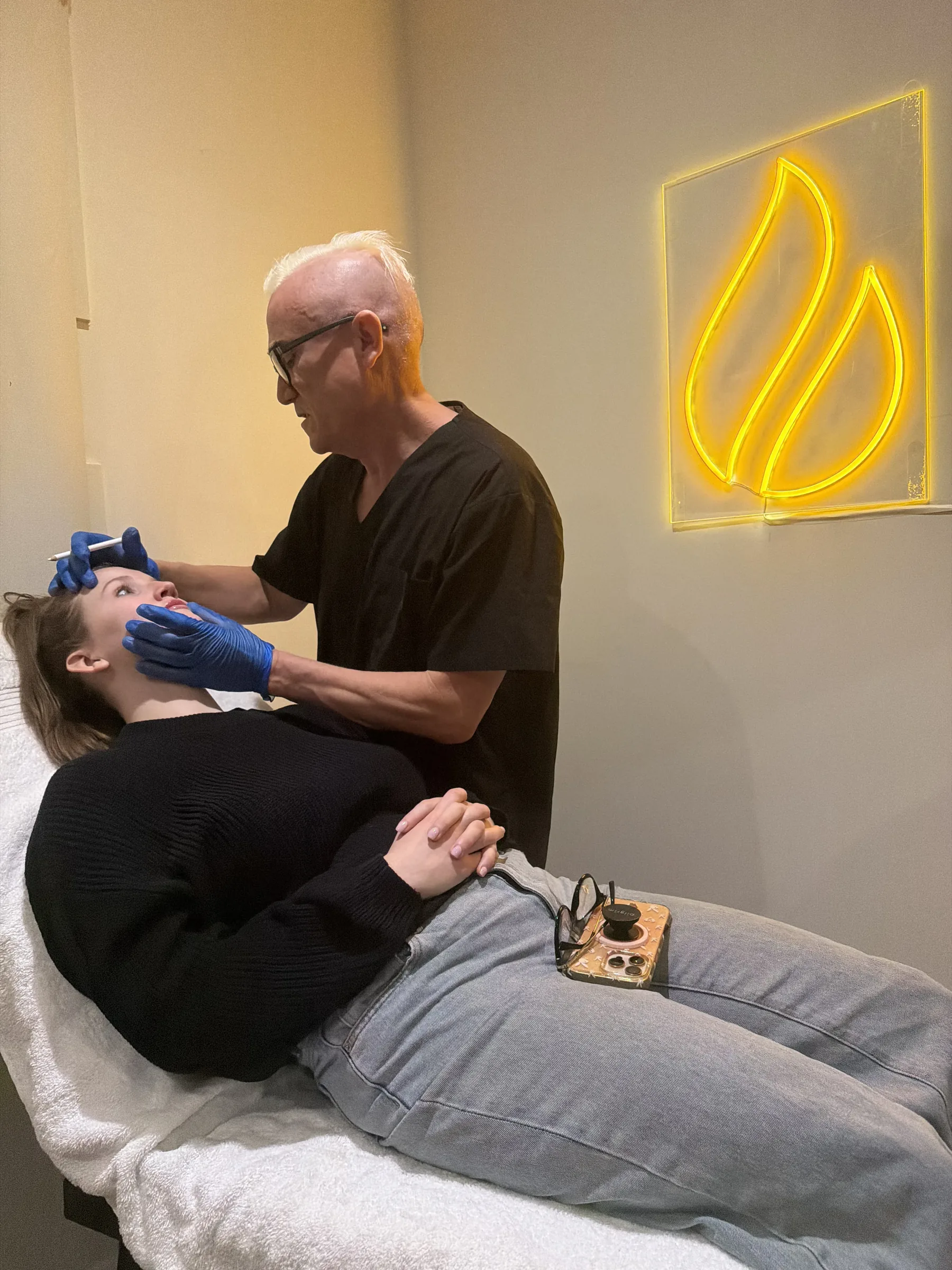
How Does Corey Turn “I Do Not Know What I Need” Into Useful Choices?
Corey starts by translating your everyday description into the layers that may be contributing. “Tired” might lead to a conversation about skin, under-eye shadow, cheek support, expression and health context; “heavy” may involve a different combination. Each possibility is tested against what is visible at rest, in movement and in your history.
Once the leading contributors are clearer, Corey can compare the suitable choices in plain language. When assessment, risk review and informed consent support proceeding, you can discuss a focused or staged plan without having to arrive knowing a treatment name.
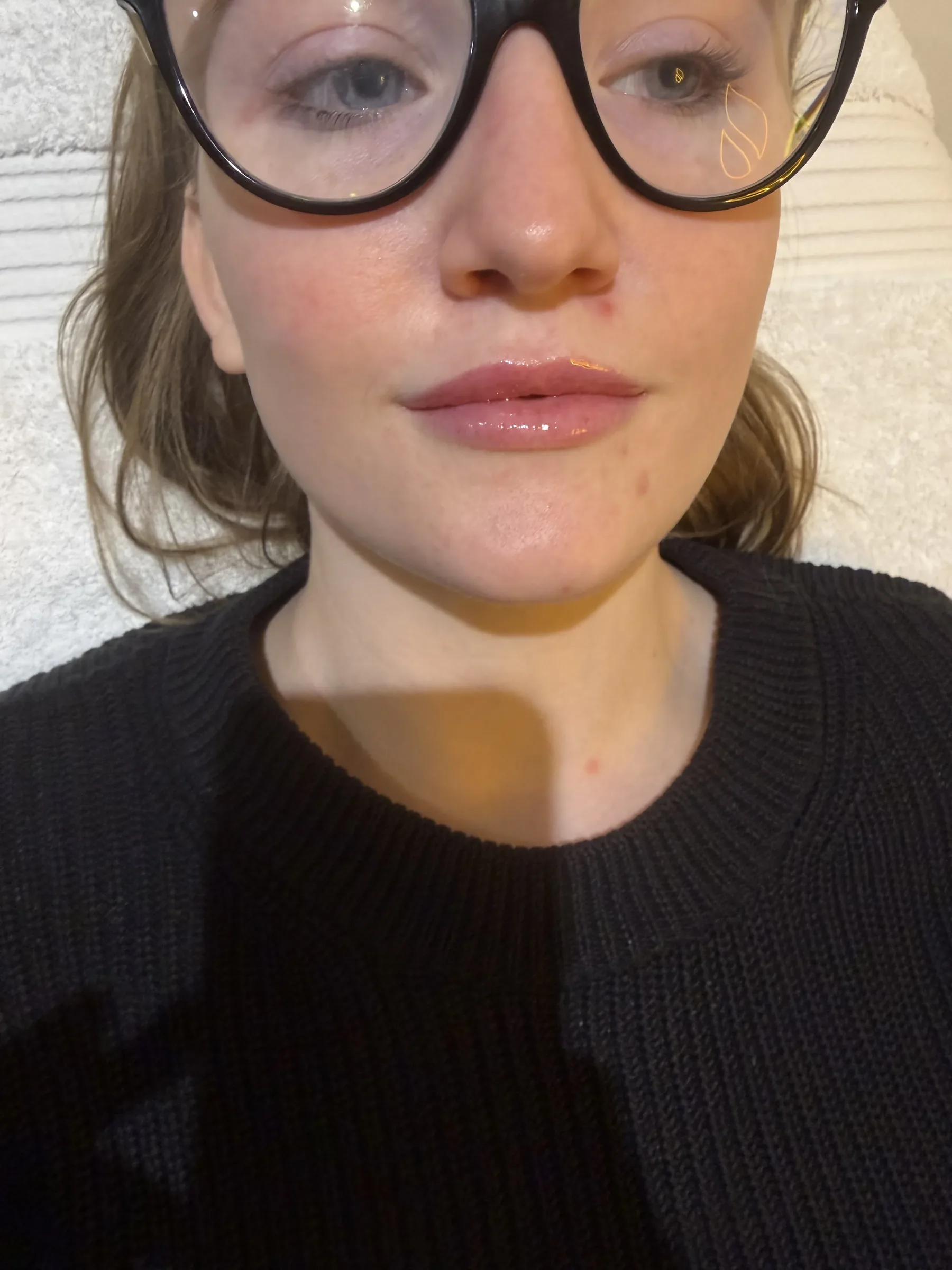
What Information Helps Identify What You Need?
The useful information is not a treatment preference. It is the pattern of change, the likely layer involved and whether the concern is suitable for cosmetic planning.
- Skin quality: texture, pigment, redness, pores, dullness or fine surface change.
- Movement: lines or folds that change with expression.
- Structure: support, shadows, hollowing, heaviness or facial proportion.
- Context: medical history, weight change, stress, sleep, previous treatment and timing.
How Are Skin, Movement And Structure Ranked In Your Plan?
Corey ranks the contributors by asking which one best explains the change you notice and which one can be addressed proportionately. A surface concern may lead with skin quality; a line that appears during expression may place movement first; a persistent shadow may require closer attention to support and anatomy.
- First: identify the layer most connected to your concern.
- Second: check health, previous treatment, timing and risk.
- Third: compare focused, staged and non-cosmetic pathways.
- Finally: agree on the next step that fits your priorities and informed consent.
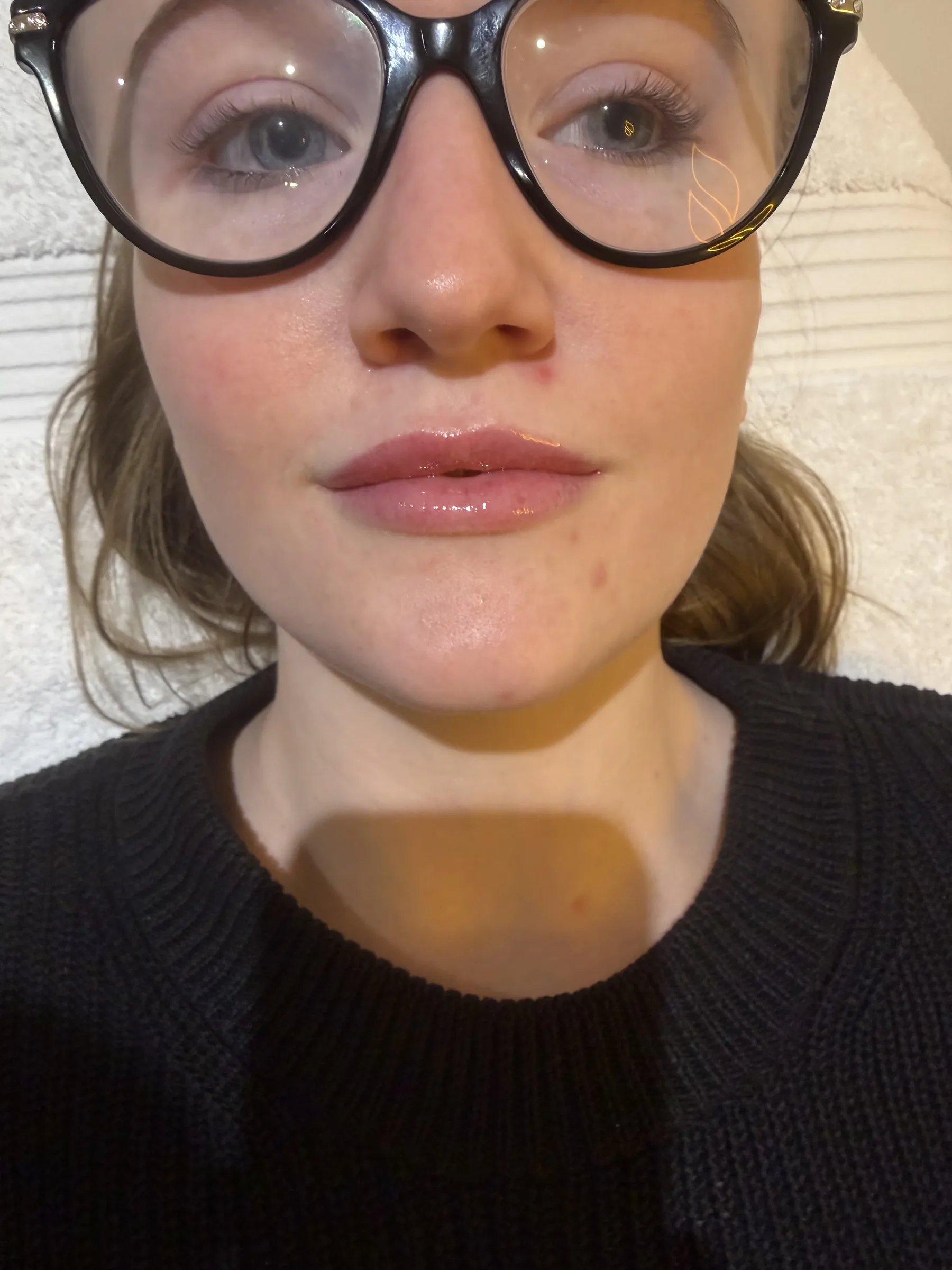
What Happens When A Cosmetic Option Fits The Assessment?
When Corey identifies a suitable cosmetic option, he explains which contributor it is intended to address, what it cannot change, the material risks, likely course, alternatives and costs. The recommendation may be focused on one priority or organised in stages so each decision remains clear.
You can then decide with the cause, purpose and trade-offs understood. The aim is not to build a longer treatment list; it is to match the smallest sensible plan to the concern that matters to you.
What To Confirm Before A Consultation
Before booking, confirm who will assess you, what problem you want solved and whether your questions are about skin, structure, movement or a mix of all three. Bring previous treatment details, a medication list and any photos that show how the concern has changed.
Core Aesthetics consults from 12A Atherton Road, Oakleigh. Consultations are led by Corey Anderson RN, Registered Nurse, and he can be checked on the Ahpra public register using registration number NMW0001047575.
This page was reviewed on 5 September 2026 for consultation first wording, suitability language, risk framing and consent language.
Use the verification page if you want to check the clinic and practitioner before attending.
When Is It Useful To Book Even If You Do Not Know The Answer?
Book when you can describe what looks or feels different, even if you cannot name the cause or treatment. That uncertainty is exactly what the consultation is designed to organise.
If the change is sudden, painful, one-sided or medically unusual, seek timely medical advice first. For gradual appearance concerns, Corey can assess the likely contributors and explain the suitable pathway without expecting you to diagnose yourself.
How Fees Fit The Assessment
Fees are discussed after Corey understands what the concern appears to be and whether treatment is even worth discussing. That keeps pricing tied to suitability, review planning and realistic options rather than to a guess before assessment.
If you want fee context first, use pricing and then bring the question to consultation.
What Is The Simplest Useful Next Step?
Bring the concern in your own words: where you notice it, when it appears and what you would like to understand. Corey can then separate skin, movement, structure and context before discussing suitable choices.
If assessment and informed consent support care, you can plan it with a clear purpose. If another step belongs first, you will know what it is and why.
General Information Only
This page provides general information for adults considering consultation at Core Aesthetics. It does not replace individual medical advice, diagnosis or a personalised consultation. Suitability, risks and treatment decisions can only be assessed for the person in front of the practitioner.
Is this for you?
Consider booking a consultation if
- You are an adult unsure what is causing a facial ageing concern
- You want help separating skin, structure, movement, health factors and previous treatment
- You value consultation before deciding whether any treatment is appropriate
- You are open to timing or another clinically appropriate pathway if that is safer
This may not be for you if
- You want a treatment name or promised appearance without assessment
- You are not an adult patient
- You are pregnant or trying to conceive and are seeking elective cosmetic treatment
- You have sudden, painful, swollen or unexplained facial change that needs medical advice first
Suitability is confirmed at consultation. This list is general guidance, not a substitute for clinical assessment.
Frequently asked questions
How can I work out what my facial ageing concern needs?
Start by identifying what is causing the concern. Facial ageing changes may come from skin quality, structure, movement, volume change, previous treatment, weight change, health factors or normal anatomy. A consultation helps separate these contributors to guide an informed decision.
Can I work it out from photos?
Photos can help you describe what has changed, but they cannot reliably assess three dimensional structure, movement, skin quality or medical suitability. They are useful context, not a substitute for consultation.
What is the difference between skin ageing and structural ageing?
Skin ageing involves surface changes such as texture, pigmentation, fine lines and dullness. Structural ageing involves support, shadows, hollowing, folds and facial proportion. Many people have both, so assessment decides which is more relevant.
What if I just look tired?
A tired look can come from under eye shadows, cheek support, skin quality, health factors, sleep, stress or facial expression. Corey assesses the likely contributors before discussing which options may be suitable, whether timing needs adjusting and what next step fits best.
Will I leave knowing what happens next?
Yes. Corey explains the leading contributors, which suitable choices relate to them and whether a focused or staged plan makes sense. If another clinical step should come first, you will leave with that sequence clearly defined.
Does a full face assessment mean full face treatment?
No. It provides context so a plan can stay focused. When a suitable option is identified, Corey explains which concern it addresses and why; understanding the whole face does not mean treating every area.
Can suitable options be discussed after the facial ageing assessment?
Yes, when the individual assessment, timing, risk review and informed consent support doing so. The appointment is designed to clarify the cause, compare suitable options and help you decide on a focused or staged next step.
What should I bring to consultation?
Bring a current medication list, relevant medical history, prior treatment details if available, and photos that show how your face has changed over time. These details help Corey assess the concern in context.