Facial rejuvenation, in the context of cosmetic injectables, refers to the clinical process of assessing and addressing facial ageing changes, including volume loss, muscle overactivity, and structural descent, using anti-wrinkle treatments and dermal filler, guided by anatomy and delivered following a formal consultation.
How Facial Ageing Actually Happens
To understand facial rejuvenation, it helps to first understand how the face ages. Ageing is not a single process, it is the result of multiple simultaneous changes occurring in every layer of the face, from the skeleton to the skin surface.
At the deepest level, the facial skeleton undergoes resorption with age. The orbital rim widens, the maxilla retracts, and the mandible loses height and projection. This skeletal change reduces the bony platform that all the overlying soft tissue relies on for support. The result is a face that appears to have “deflated”, not because tissue has vanished, but because the foundation it rests on has reduced.
The fat compartments of the face are separately affected. The distinct fat pads, malar, sub malar, temporal, periorbital, and buccal among others, reduce in volume and descend with age. This redistribution of facial fat is responsible for the loss of cheek fullness, the deepening of the tear trough, the heaviness in the lower face, and the appearance of jowling along the jawline.
Muscle changes also contribute. Muscles of facial expression become more prominent as the overlying tissue thins, deepening dynamic lines like forehead wrinkles, frown lines, and crow’s feet. Other muscles, particularly the masseters and platysma, can contribute to a squarer jawline or banded neck appearance. The retaining ligaments that anchor tissue to the skeleton relax, allowing more pronounced gravitational descent. And the skin itself, losing collagen and elastin, becomes thinner, less elastic, and more prone to surface changes. Every facial rejuvenation conversation happens against this backdrop of layered, simultaneous change.
What Injectable Facial Rejuvenation Can Address
Cosmetic injectables address specific aspects of facial ageing, not all of them. Understanding what is and is not within scope is important for setting realistic expectations before any treatment decision is made.
Anti-wrinkle injections work by temporarily reducing the activity of specific facial muscles. This directly addresses dynamic lines, lines that form when the muscle contracts, such as forehead lines when raising the brows, frown lines between the brows, and crow’s feet when smiling. Treatment reduces the repetitive muscle contraction that deepens these lines over time. It can also be used to address features driven by muscle overactivity, such as a brow position that has been pulled downward by overactive depressors, a gummy smile, a dimpled chin from an overactive mentalis, or neck bands from platysma prominence.
Dermal filler addresses volume loss and structural deficit. It can restore volume to depleted fat compartments, support the skeleton where bone resorption has reduced projection, provide structural support to the jawline and chin, and address hollowness in the tear trough. Filler can also be used to improve the appearance of specific folds and lines that are driven by volume loss rather than muscle overactivity.
The two treatment types are complementary and often used together within a treatment plan. Their combination, addressing both muscle dynamics and volume loss, allows for a more comprehensive approach to facial ageing than either treatment alone can provide.
What Injectable Facial Rejuvenation Cannot Address
Equally important is what cosmetic injectables cannot do, and being clear about these limits is a core part of the consultation based approach at Core Aesthetics.
Injectables do not improve skin quality, skin texture, or skin colour. Concerns such as pigmentation, sun damage, surface roughness, enlarged pores, or redness are not addressed by anti-wrinkle treatments or dermal filler. These concerns require skin focused interventions, prescription topicals, laser treatments, light based therapies, or chemical peels, which are outside the scope of an injectable only clinic. Where these concerns are the primary driver of a patient’s goals, referral to a dermatologist or appropriately qualified skin clinic is the appropriate response.
Injectables also do not address significant skin laxity. When the primary change driving a patient’s concern is loose, sagging skin, particularly in the lower face and neck, surgical intervention (rhytidectomy) may be the most appropriate pathway. Injectable treatments can soften the appearance of mild to moderate descent and support the structures affected, but they cannot replicate the mechanical lift of surgical skin repositioning. Honest discussion about the limitations of nonsurgical approaches is part of responsible practice.
Additionally, injectables do not address all types of lines and wrinkles. Static lines, lines visible at rest that are driven by skin laxity and collagen loss rather than muscle activity, are not meaningfully improved by anti-wrinkle injections alone. And lines caused by sun damage and repeated UV exposure may require skin directed treatment rather than volume restoration to achieve a meaningful improvement.
The Anatomy-Led Assessment
Facial rejuvenation at Core Aesthetics begins with an anatomy led assessment during the consultation. This means that the clinical conversation starts with the face as it is, not with a treatment menu, and works backwards from what has changed anatomically to what treatment, if any, is appropriate.
The face is assessed in animation and at rest, from multiple angles, to understand how different muscle groups are contributing to visible lines and how volume distribution has changed with age. The relationship between the facial thirds, upper (forehead to brow), middle (brow to base of nose), and lower (base of nose to chin), is evaluated to understand whether ageing has disrupted the proportions that characterise a well balanced face.
The structural architecture of the face, cheekbone projection, orbital rim position, jawline definition, chin projection, is considered alongside the soft tissue changes, because injectable treatment can only work within the boundaries set by the underlying skeleton. A patient with minimal bony projection in the midface will respond differently to cheek filler than a patient with strong underlying structure, and the treatment plan needs to reflect this.
Prior cosmetic treatments, particularly dermal filler placed at other clinics, are part of the assessment. Accumulated product from prior treatments can change the structural starting point and influence what additional treatment is or is not appropriate. Full disclosure of prior treatments supports a more accurate assessment and a safer treatment plan.
The Role of the Consultation
The consultation is the foundation of the facial rejuvenation process. At Core Aesthetics, it is a dedicated clinical appointment, separate from treatment, in which goals, anatomy, history, and options are discussed before any treatment decision is made. This structure reflects both AHPRA’s September 2025 guidelines for registered health practitioners performing nonsurgical cosmetic procedures and the clinic’s own model of responsible practice.
During the consultation, the patient’s goals are explored in detail. What concerns have they noticed? How long have they been present? Have they changed recently? Are there specific features they want to address, or is the goal a general refreshed appearance? Understanding what is driving the concern, whether aesthetic, functional, or psychological, helps shape a treatment plan that addresses the right problem.
Realistic expectations are discussed openly. Where a patient’s expectations exceed what injectable treatment can achieve, this is explained directly with an explanation of why, not as a commercial decision, but as a clinical one. Patients who leave a consultation having been told that treatment is not appropriate, or that their expectations are not achievable with injectables, are better served than patients who receive treatments that cannot deliver the outcomes they hoped for.
The consultation concludes with a treatment recommendation or a recommendation against treatment, together with the reasoning. Where treatment is recommended, the plan, including the areas to be treated, the approximate volumes involved, and the expected outcome, is outlined. Treatment then proceeds at a separate appointment, or at the consultation appointment if appropriate and agreed.
A Gradual, long term Approach
Facial rejuvenation achieved gradually, with conservative volumes and incremental refinement over time, tends to produce more natural and sustainable results than large volume treatments aimed at dramatic change. This is a deliberate philosophy at Core Aesthetics, not simply a conservative default.
The face changes continuously with age. A treatment plan designed to look optimal at one point in time will need to adapt as the face continues to change. Building a long term relationship with a practitioner who understands the face’s individual architecture and trajectory is more valuable than a single large treatment that maximises short term impact without consideration for the future.
Starting conservatively also preserves the option to refine. A result that is slightly more subtle than desired can be built upon at a review appointment. A result that is too dramatic, from an initial over-treatment, is much harder to manage. The review appointment scheduled after treatment is specifically designed to assess the settled result and discuss whether any refinement is appropriate before committing to additional product.
Long term planning also includes consideration of the cumulative effect of repeated treatments over years. Filler is not permanent, but repeated treatment in the same areas over time can alter the texture and structure of the tissue. A practitioner who tracks cumulative volumes and adjusts the plan accordingly is a safeguard against the gradual drift towards over-treated appearance that can occur with frequent, uncoordinated treatment.
Anti-wrinkle Treatments as Part of Facial Rejuvenation
Anti-wrinkle injections are typically the starting point in a facial rejuvenation plan, particularly for patients who are new to cosmetic injectables. They have a short duration of effect (three to four months on average), are reversible in the sense that they wear off without intervention, and have a established safety profile over decades of clinical use in both cosmetic and medical contexts.
In facial rejuvenation, anti-wrinkle treatment is most commonly used to address forehead lines, the frown (glabellar) complex, and crow’s feet. These three areas represent the most common points of dynamic line activity and are the areas where treatment most reliably produces a visible, natural looking improvement.
Anti-wrinkle treatment can also be used for more targeted purposes, brow positioning, reduction of a bunny scrunch across the nose, softening of a lip line, addressing chin dimpling, or treating platysmal bands in the neck. These applications require a more nuanced assessment and more precise technique, and are discussed where relevant during the consultation.
The appropriate dose for anti-wrinkle treatment is individualised. Patients with strong, active muscles require higher doses than patients with lighter muscle activity, and patients who want to maintain some natural movement in the treated area may prefer a lower dose than those who want a maximal reduction in movement. These preferences are discussed and the dose is calibrated accordingly.
Dermal Filler as Part of Facial Rejuvenation
Dermal filler, used to restore volume, add structural support, and address hollowness, is typically introduced after the patient has had experience with anti-wrinkle treatment, though this is not a fixed requirement. The decision about whether and where to use filler is made during the consultation based on the specific anatomy and goals of the individual patient.
In facial rejuvenation, filler is most commonly used in the cheek and midface region (to restore volume to the malar fat pad and support the overlying tissue), the tear trough (to address the hollowness that creates a shadowed, fatigued appearance under the eyes), the jawline (to restore definition that has softened with age or to improve chin projection), and the lips and perioral region (to restore volume to lips that have thinned with age or to support the structure around the mouth).
The filler products used vary in their properties, including their degree of cross linking, their cohesivity, their lifting capacity, and their longevity. Different products are appropriate for different anatomical locations. Highly structured, firm products are appropriate for areas requiring significant lifting capacity, such as the jawline and chin. Softer, more fluid products are appropriate for delicate areas such as the tear trough or lips. The selection of the appropriate product for each area is a clinical decision made by the practitioner.
Results with dermal filler are generally visible immediately, though swelling in the first few days may temporarily exaggerate the appearance of treatment. Most filler settles into its final position over two to four weeks, and a review appointment at four to six weeks allows assessment of the settled result.
Combining Treatments in a Facial Rejuvenation Plan
Facial rejuvenation often benefits from the combination of anti-wrinkle treatment and dermal filler, each addressing the aspects of facial ageing that the other cannot. Anti-wrinkle treatment softens dynamic lines and reduces muscle overactivity; filler restores volume and structural support. Together, they can address a broader range of ageing changes than either treatment alone.
Combination treatment requires careful sequencing. Anti-wrinkle treatment is generally performed before filler if both are to be done in a short timeframe, because the muscle relaxation from anti-wrinkle treatment can influence the assessment of volume requirements. For example, relaxing the frown complex may reveal that less filler is needed between the brows than initially appeared, because some of the apparent hollowness was being created by the overactive corrugator muscles rather than by true volume loss.
Not every patient needs or wants both treatments. Some patients have volume loss as their primary concern with minimal dynamic line activity; others have significant dynamic lines but adequate volume. The treatment plan is tailored to the individual anatomy and goals, not applied as a standard package.
The total volume of filler used across a treatment plan is tracked and considered in subsequent appointments. The concept of cumulative volume, the total filler accumulated across repeated treatments, is an important safety consideration that is often overlooked in clinics where each appointment is treated in isolation from the history of prior treatments.
Safety and Regulation in Cosmetic Injectables
Cosmetic injectable treatments in Australia are regulated therapeutic goods. The agents used in anti-wrinkle treatment and dermal filler are prescription medicines, and their administration must be carried out by, or under the supervision of, a registered health practitioner with appropriate qualifications and prescribing authority.
AHPRA regulates the practitioners who perform these treatments. The September 2025 guidelines for registered health practitioners performing nonsurgical cosmetic procedures introduced requirements around mandatory consultations, patient age verification, cooling off periods for higher risk treatments, and the prohibition of certain advertising practices, including before and after images of identifiable patients and endorsements about treatment outcomes.
The Therapeutic Goods Administration (TGA) regulates the advertising of prescription medicines, including the cosmetic injectables used in facial rejuvenation. Advertising that names specific products, makes outcome claims, uses superlatives, or creates emotional inducement is prohibited under the TGA’s Therapeutic Goods Advertising Code.
When choosing a practitioner for facial rejuvenation, patients are encouraged to verify the practitioner’s AHPRA registration, confirm that treatment follows a formal consultation, ask about the practitioner’s approach to complications, and avoid clinics that offer significant reduced fee offers or time limited pricing on injectable treatments, these practices are potential compliance red flags. Core Aesthetics operates under a model that reflects both the letter and the intent of these regulatory requirements.
Realistic Expectations and Honest Outcomes
One of the most important roles of the consultation is establishing realistic expectations. Facial rejuvenation with injectables can achieve a meaningful and visible improvement in appearance, a face that looks more rested, more proportionate, or more consistent with how the patient feels internally, but it cannot arrest ageing, reverse all visible change, or replicate the results of surgical intervention.
Patients who approach injectable treatment with the expectation that it will produce a dramatic transformation are more likely to be disappointed, and more likely to seek repeated treatments at increasing volumes in pursuit of a result that the treatment modality is not designed to deliver. This is one of the pathways to the over-treated appearance that is now widely recognised as an undesirable outcome of cosmetic injectable treatment.
Patients who approach treatment with a realistic understanding of what is achievable, a subtle refreshing of appearance, a restoration of proportion, a reduction in visible fatigue, are more likely to be satisfied with the outcome and more likely to maintain a sustainable, natural looking result over time.
The consultation at Core Aesthetics is specifically designed to calibrate expectations before any treatment is agreed upon. Where a patient’s expectations cannot be met by injectable treatment, this is communicated directly and with an explanation of what alternatives, including non injectable options or surgical referral, might be more appropriate. The goal is not to accommodate every patient’s request; it is to help every patient make an informed decision about their treatment.
About Core Aesthetics
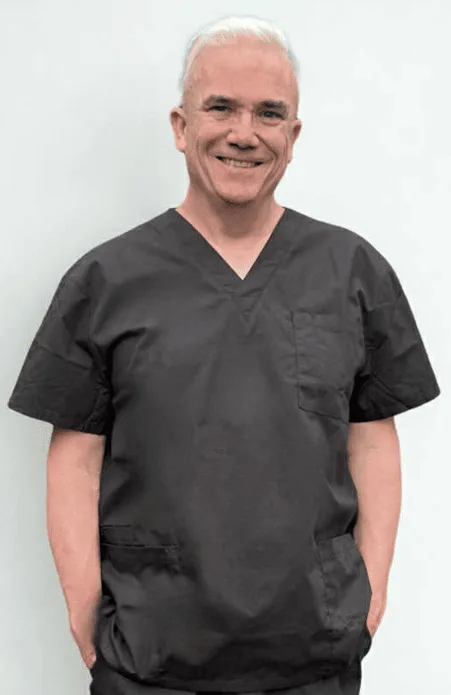
Core Aesthetics is a cosmetic injectable clinic in Oakleigh, Melbourne, led by Corey Anderson, Registered Nurse. The clinic operates on an injectable only model, anti-wrinkle treatments and dermal filler, without the skin devices, retail products, or procedural range common to broader aesthetic clinics.
This focus reflects a deliberate approach to depth over breadth. Rather than offering a wide menu of treatments, the clinic offers a narrow range delivered with a consistent anatomy led philosophy and a commitment to honest clinical assessment. Patients who present with concerns that are outside the scope of injectable treatment are referred appropriately rather than being guided towards treatments that will not achieve their goals.
The C.O.R.E. Method, Consult, Organise, Refine, Evaluate, describes the structured approach that guides every patient interaction. It begins with a thorough consultation, develops an organised treatment plan, refines the result through careful technique and review appointments, and evaluates outcomes against the original goals. The method is not a marketing framework; it is the clinical workflow that shapes every appointment at the clinic.
Getting Started with a Consultation
Facial rejuvenation at Core Aesthetics begins with a consultation, a dedicated clinical appointment in its own right. There is no obligation to proceed with treatment at or after the consultation. Many patients find the consultation itself valuable as an opportunity to understand their face, the changes they have noticed, and the options available to them, regardless of whether they choose to proceed with treatment.
The clinic is located at 12A Atherton Road, Oakleigh VIC 3166, accessible by car or by train to Oakleigh station on the Pakenham and Cranbourne lines. Appointments can be booked online via the Core Aesthetics website or by contacting the clinic at support@coreaesthetics.com.au or 0491 706 705.
New patients are encouraged to come to the consultation with a clear sense of the concerns they want to discuss, a list of current medications, and information about any prior cosmetic treatments including approximate timing and areas treated. This information supports a thorough and accurate assessment from the outset and allows the consultation time to focus on the clinical conversation rather than preliminary data gathering.
Clinical accountability and how this page is reviewed
The clinical content in “What Is Facial Rejuvenation? A Clinical Guide” is written and reviewed by Corey Anderson, AHPRA registered nurse (NMW0001047575). Core Aesthetics operates as a one practitioner, consultation based, low volume clinic in Oakleigh, Melbourne, which means every recommendation on this page reflects the same clinical perspective rather than a copywriter’s interpretation of it. Results vary between individuals, and any guidance written for the general reader has to acknowledge that variance, what the published evidence supports for the average patient may not be what the assessment supports for a specific patient.
Specific to what is facial rejuvenation: this page describes the typical clinical picture for a healthy adult patient at the time of writing. Individual circumstances, medical history, current medications, prior cosmetic treatment, skin type, age, hormonal state, lifestyle, can shift any of the timelines and recommendations described here. The information is provided to help patients arrive at consultation already familiar with the underlying clinical reasoning, not to replace the consultation itself. Results vary between individuals; this page describes the centre of the distribution, not the edges. The cheek filler Melbourne page covers an adjacent topic in more depth.
Patients reading this page who want to verify Corey Anderson’s AHPRA registration can do so directly on the AHPRA public register at ahpra.gov.au using registration number NMW0001047575. The Core Aesthetics clinic operates from 12A Atherton Road, Oakleigh VIC 3166, Tuesday to Saturday, by consultation appointment. All new patient treatment at Core Aesthetics follows a structured clinical consultation, consistent with the September 2025 AHPRA cosmetic procedures guidelines. Treatment may be scheduled for the same day as consultation or at a subsequent appointment, depending on clinical assessment and individual circumstances. Patients with questions about the content on this page can raise them at consultation; the practitioner is happy to walk through any clinical reasoning that the written content does not fully capture. Results vary between individuals, and the consultation is the appropriate place to discuss what those individual variations mean for a specific person’s treatment plan.
Is this for you?
Consider booking a consultation if
- Adults aged 18 and over experiencing visible facial ageing changes, including volume loss, dynamic lines, and structural changes, who want to understand what injectable options are available
- Patients who want a consultation based process that explains their options before any treatment decision is made
- Patients who want natural looking results and a practitioner who takes an anatomy led, gradual approach
- Patients who have had prior cosmetic treatment elsewhere and want a second assessment of their current facial anatomy and treatment plan
This may not be for you if
- Patients under 18 years of age
- Patients who are pregnant or breastfeeding
- Patients whose primary concerns relate to skin quality, pigmentation, or sun damage, these concerns require skin directed treatment rather than injectables
- Patients with active skin infections, inflammation, or cold sores in areas to be treated
- Patients expecting a result equivalent to surgical intervention, injectable rejuvenation operates within specific limits that are distinct from surgical outcomes
Suitability is confirmed at consultation. This list is general guidance, not a substitute for clinical assessment.
Frequently asked questions
What does facial rejuvenation mean in a cosmetic injectable context?
In the context of cosmetic injectables, facial rejuvenation refers to the use of anti-wrinkle treatments and dermal filler to address the visible signs of facial ageing, including dynamic lines from muscle activity, volume loss in the fat compartments, and structural changes that affect facial proportion. It does not include surgical procedures or skin focused treatments such as laser or chemical peels.
How is facial rejuvenation different from just treating wrinkles?
Treating individual wrinkles is one component of facial rejuvenation, but facial rejuvenation takes a broader view, assessing the whole face, the relationship between the facial thirds, the distribution of volume, and the structural changes driving visible ageing. This perspective often identifies that treating a specific wrinkle in isolation is less effective than addressing the underlying anatomical changes causing it.
Is a consultation required before any treatment?
Yes. AHPRA’s September 2025 guidelines require a formal consultation prior to nonsurgical cosmetic procedures, and Core Aesthetics operates on a consultation based model regardless of the regulatory requirement. The consultation is a dedicated clinical appointment that precedes any treatment, at which goals, anatomy, history, and options are assessed and discussed.
Can facial rejuvenation with injectables replace surgery?
Injectable facial rejuvenation can address many of the anatomical changes associated with facial ageing, but it cannot replicate the mechanical lift and skin repositioning of surgical procedures. For patients with significant skin laxity or descent, surgical consultation may be the more appropriate pathway. This is discussed honestly during the consultation where relevant.
At what age do people typically start facial rejuvenation?
There is no single appropriate age to start cosmetic injectable treatment. The decision is based on what the individual is experiencing clinically, the degree and type of facial ageing, and whether treatment is appropriate given their anatomy, history, and goals. Some patients begin in their late twenties with anti-wrinkle treatment for active dynamic lines; others do not pursue treatment until their forties or fifties. AHPRA guidelines prohibit treatment of patients under 18 years of age.
How long does facial rejuvenation last?
Anti-wrinkle treatment results typically last three to four months before the treated muscles gradually resume their normal activity. Dermal filler results in the midface and structural areas typically last 12 to 18 months. Both treatments require ongoing maintenance to sustain results. The interval between treatments varies between patients based on individual metabolic rate and the areas treated.
What areas of the face can be addressed with injectable rejuvenation?
Anti-wrinkle treatment most commonly addresses the forehead, frown complex, and crow’s feet, with additional applications for brow positioning, lip line, chin, and neck. Dermal filler most commonly addresses the cheek and midface, tear trough, jawline, chin, and lips. The areas appropriate for any individual patient are determined during the clinical assessment, not predetermined.
How do I know if my expectations are realistic?
The consultation is the appropriate place to discuss whether your expectations are achievable with injectable treatment. A practitioner taking an honest, anatomy led approach will explain what improvement is likely, what is not achievable, and why, including referral to other modalities where appropriate. If a practitioner agrees to every treatment request without discussion of limitations, this is a caution sign.
Who writes and reviews the clinical content on this page?
The clinical content is written and reviewed by Corey Anderson, an AHPRA registered nurse (NMW0001047575) and the practitioner at Core Aesthetics in Oakleigh, Melbourne. Core Aesthetics operates as a one practitioner, consultation based, low volume clinic, which means the recommendations on this page reflect the same clinical perspective patients encounter at the consultation itself. Results vary between individuals, and personalised guidance is provided at consultation.