Chin treatment planning in Melbourne begins by working out what is shaping the concern: profile support, movement or dimpling, lower-lip relationship, jawline balance, under-chin fullness, dental context or a combination. Corey Anderson RN assesses the chin from the front and side and in movement, then explains which options may be suitable, their risks and limits, and the next step that best fits you.
What should this page help you decide?
A useful chin page should help you decide whether the concern is mainly a profile support question, a movement or dimpling question, a jawline or jowl question, or something that needs dental, medical or previous-treatment review before cosmetic planning goes any further.
| Question | What Corey checks | Why it matters |
|---|---|---|
| Is the concern mostly about profile support? | Chin projection, lower lip relationship, labiomental fold and lower-face proportion. | Profile support is a different question from texture or dimpling. |
| Is movement the main issue? | Mentalis activity, lower lip strain, speech and smile pattern, and whether the chin settles at rest. | Movement-driven concerns should not be oversimplified as shape alone. |
| Is the jawline or jowl area actually more relevant? | Jaw border, neck transition, jowls, skin quality and how the chin affects the whole lower face. | The chin is not always the main issue even when it gets the blame. |
| Could dental, bite or previous treatment history matter? | Clenching, recent dental work, bite pattern, previous cosmetic treatment and whether another pathway should come first. | Some concerns sit outside routine cosmetic planning. |
| Does the timing feel comfortable? | Events, travel, review access, your readiness and whether you prefer care now or later. | Good timing makes consent, aftercare and follow-up easier to plan. |
What Can Comparison Photos Not Decide?
Photographs can help someone describe a concern, but they cannot determine which chin option is suitable or predict an individual result. Pose, focal length, lighting, head position, lip posture, facial movement and editing can change how chin projection and jawline balance appear.
| A photograph may show | It cannot confirm |
|---|---|
| A front or side view at one moment | Movement, bite, clenching, dental context or how the lower lip and chin behave in conversation |
| A visible profile difference between two images | Whether the images were taken with comparable position, lighting, lens and expression |
| Another person’s appearance | Your anatomy, suitability, material risks, likely limits or a proportionate plan |
Use images to explain what you notice, then rely on assessment. The jawline and jowl ageing guide explains why the surrounding lower face also matters.
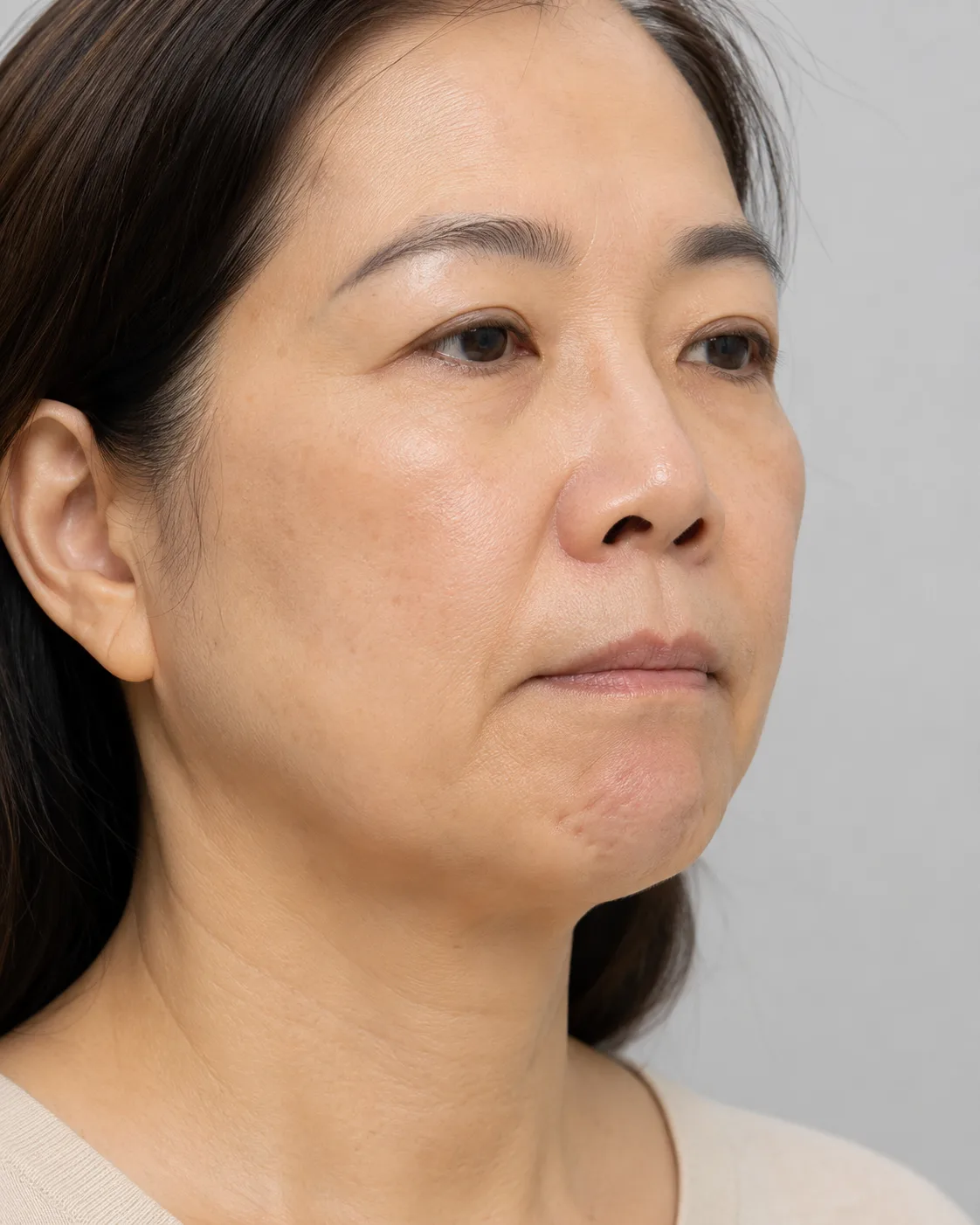
Why does chin support change the whole lower face?
The chin influences how the lips sit, how the jawline reads from the side, how the lower face length is perceived and how the neck transition looks. A chin that appears set back can make the jawline look softer even when the jaw itself is not the main problem. A chin that dominates the lower face can change balance in the other direction.
That is why Corey assesses the chin with the lips, jawline and lower-face proportions rather than treating it as an isolated point. The aim is to decide whether any plan would support the whole lower face, not whether one feature can be made more obvious.
When is a chin concern really a jawline, jowl or double chin question?
Many people describe a chin concern when the real issue is the jaw border, jowls, neck transition or submental fullness. Others describe a jawline concern when chin support is influencing the profile. People sometimes call the under-chin area a double chin, but the consultation still needs to separate the anatomy before any plan is discussed.
This matters because treating the wrong part of the lower face can look technically neat but still feel disconnected from the face as a whole. Good assessment is partly about deciding which label fits, and partly about rejecting the wrong label.
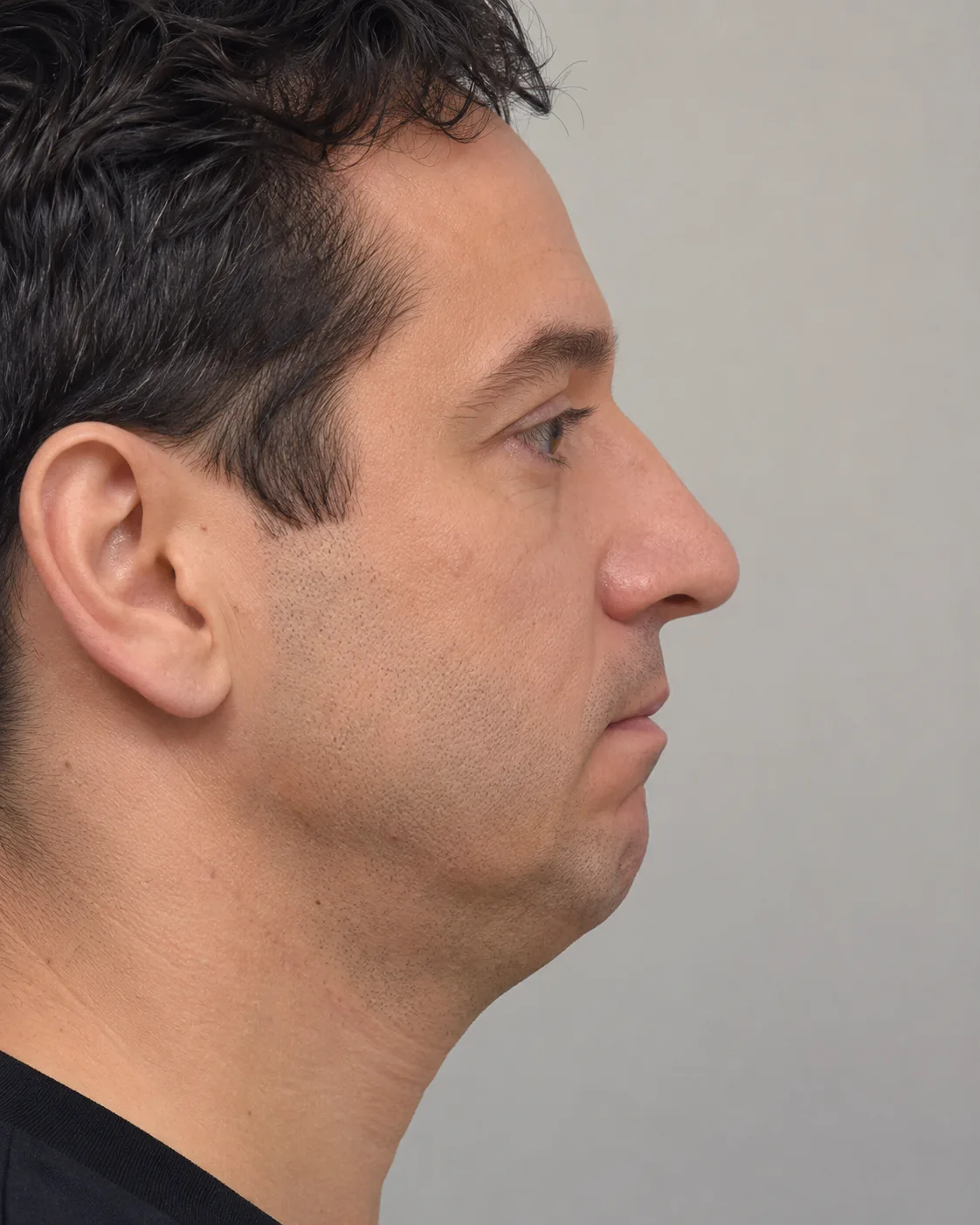
Are shape, texture and movement different questions?
Yes. Chin shape is about support, projection, length and proportion. Texture can involve the surface of the skin. Movement concerns, including chin dimpling or a pebbled chin, can involve how the mentalis behaves during expression or how the lower lip strains against the chin. These questions can overlap, but they should not be merged into one generic treatment conversation.
Corey explains which factor appears most relevant and whether the safer pathway is conservative planning, a broader lower-face discussion, timing or another clinically appropriate pathway. That separation protects the consultation from becoming too narrow too quickly.
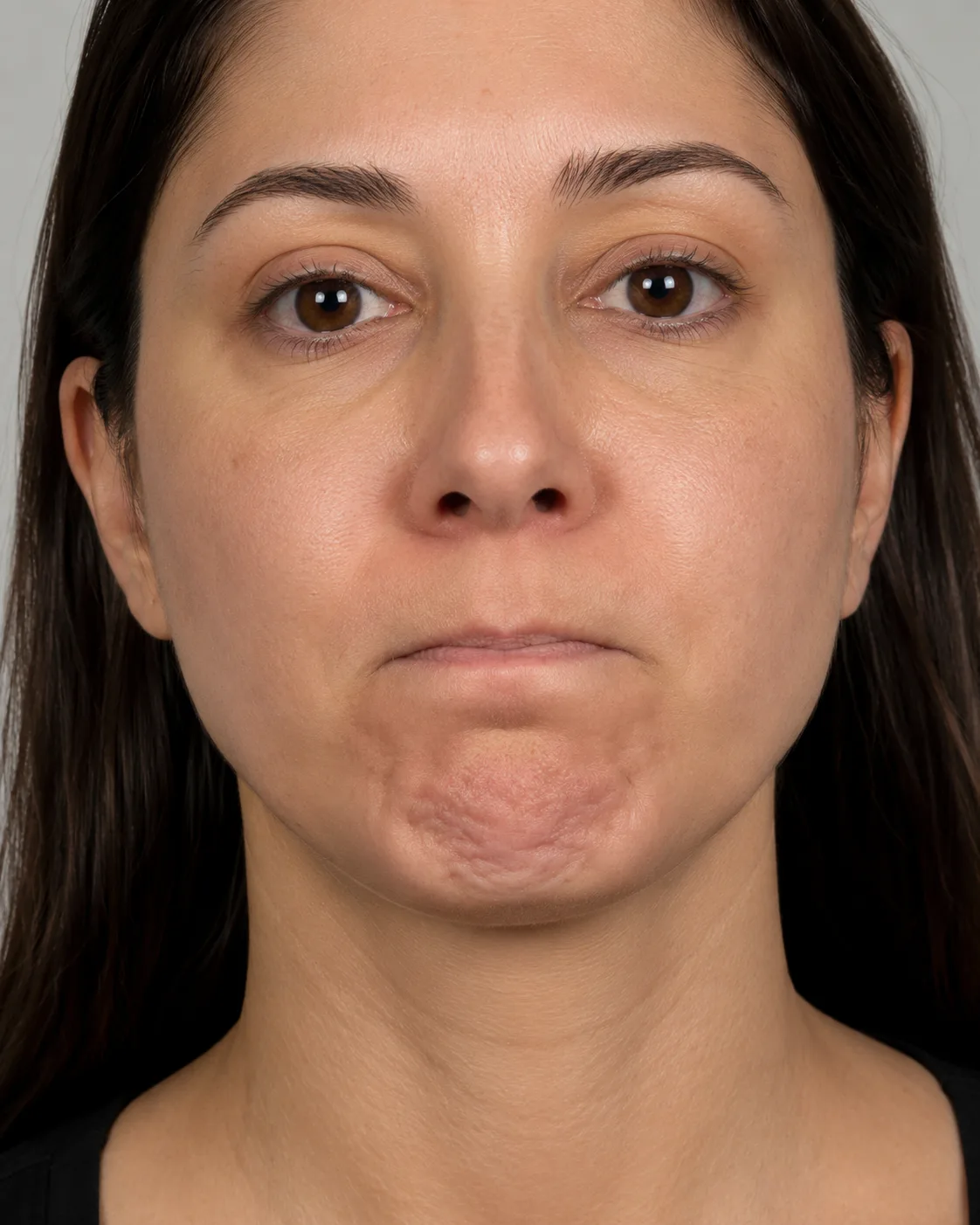
When can dental, bite or previous treatment history change the plan?
Clenching, bite pattern, recent dental work, mouth posture and lower lip habit can all change how the chin sits and moves. Previous cosmetic treatment can change timing, risk, shape, symmetry and whether further planning should pause. Some lower-face questions need another kind of review before a cosmetic pathway is discussed responsibly.
Bring relevant health and dental history, current medicines, previous care dates and any useful records. These details help Corey assess chin support, movement and lower-face balance, explain uncertainty and plan suitable timing and follow-up.
How does Corey keep the plan appropriate?
Corey brings together the profile, movement, dental or bite context, health history, previous care and your timing before recommending a path. This helps separate a chin concern from a jawline, jowl, under-chin or dental question and keeps the discussion proportionate.
When a clinic option is suitable, he explains why it fits, its material risks and likely limits. If another kind of input would strengthen the plan, he explains how that can be coordinated without leaving you unsure about the next step.
How I Work Out Whether The Chin Is Really The Main Concern
I Separate Three Chin Questions
Corey Anderson RN: I assess the chin from the front and the side, at rest and during ordinary movement. Profile support is one question. Dimpling and surface texture are another. Lower lip strain, and the way the chin changes when you speak or smile, is a third. They can overlap, but one treatment label shouldn’t be asked to explain all three. I’ll tell you which contributor appears to lead, what I can’t yet separate, and whether another view or a second clinical opinion would help.
The Jaw And Neck Can Change What I See
Corey Anderson RN: People point to the chin when the appearance also involves the jaw border, the under chin area, jowls or the transition into the neck. It works the other way round too, with chin support changing how the jawline reads in profile. I compare those relationships before deciding which question deserves priority. Camera angle exaggerates the difference, so I won’t plan from one side photograph. If the concern shifts across views, I keep the explanation cautious and ask what you notice in everyday life.
Dental Context Can Change My Recommendation
Corey Anderson RN: I ask about bite, clenching, mouth posture, recent dental work, jaw symptoms and previous cosmetic care, because each of them influences how the chin sits and moves. New pain, an altered bite, numbness or another functional change may need prompt dental or medical assessment before any cosmetic planning. If the records or the starting point are unclear, I may recommend waiting before we discuss cosmetic treatment further. A dental or medical referral can be the right outcome when the concern isn’t primarily cosmetic.
What will the lower-face assessment clarify?
Corey explains the suitable choices, material risks, likely limits, alternatives, aftercare and review access that apply to chin support, movement and lower-face balance. You have time to ask questions and decide at your own pace.
Care may be possible after assessment and informed consent when it is clinically appropriate. You can also choose a staged plan, bring back more information or take more time if that feels better for you.
How can you confirm who will assess your chin concern?
Before sharing health information or booking a chin consultation, confirm the person responsible for your assessment. Corey Anderson is a Registered Nurse at Core Aesthetics, 12A Atherton Road, Oakleigh VIC 3166. His listed Ahpra registration number is NMW0001047575.
Use the Core Aesthetics verification page to compare these details with the independent Ahpra public register, or contact the Oakleigh clinic on 0491 706 705. This gives the chin, movement and dental-context discussion a clear, accountable clinical home.
Where can you explore your chin concern next?
If profile support is the main question, continue with the chin consultation guide or the explanation of why a chin can look weak or undefined. If movement, pebbling or a crease is what you notice, the chin dimpling Melbourne guide keeps that concern separate from projection.
If the border of the lower face is more important, compare the jawline treatment Melbourne guide with the compare the chin and jaw. When you are ready for an individual assessment, you can book a consultation with Corey in Oakleigh.
When are fees explained for a chin plan?
Fees become meaningful once Corey has clarified whether the concern is mainly profile support, movement or dimpling, jawline balance, under-chin fullness or a combination. He can then explain the cost of each suitable choice alongside material risks, realistic limits, aftercare and review timing.
You can compare the general clinic information on the pricing page, ask questions during consultation and decide only when the proposed plan and total fee are clear.
General Information Only
This page provides general information for adults considering chin assessment. It does not replace personal medical advice, dental advice, urgent care or the detailed consent process used in clinic.
Useful medical or dental input, more history or adjusted timing should be discussed openly when relevant.
Frequently asked questions
What does a chin assessment look at?
A chin assessment looks at profile support, chin height and width, lower lip relationship, movement, dimpling, jawline relationship, medical history, previous treatment, timing and whether dental or bite factors appear relevant.
Is chin treatment the same as jawline treatment?
No. Chin assessment focuses on the central lower face and profile support. Jawline assessment looks at the border, angle and lower-face transition. They can influence each other, so Corey often assesses both before deciding which discussion is more appropriate.
Can chin dimpling be part of the same appointment?
Yes. Chin dimpling, pebbling or a crease can be discussed at the same appointment, but they are not automatically the same issue as chin support or projection. Corey separates movement, texture and profile before offering advice.
What if the chin looks weak in profile?
A weak-looking chin can change how the lips, jawline and neck transition are perceived. Corey checks whether profile support is truly the main issue and whether another lower-face factor is making the concern look stronger.
Can dental or bite factors change the advice?
Yes. Clenching, recent dental work, bite pattern and mouth posture can influence how the chin sits and moves. When those factors matter, Corey explains which dental or medical input could strengthen the plan and how it can be coordinated with your next consultation.
What will the lower-face assessment clarify?
Corey explains the suitable choices, material risks, realistic limits, alternatives, aftercare and review access that apply to chin support, movement and lower-face balance. Suitable care may be discussed after assessment and informed consent when appropriate, or you can take more time.
How does Corey keep a chin plan proportionate?
Corey compares the change you notice with profile, movement, dental context, jawline balance, health history and previous care. He then explains the suitable choices, realistic limits and any coordinated input that would make the next step clearer.
What should I bring to a chin consultation?
Bring current medicines, allergies, relevant medical and dental history, previous cosmetic treatment details if known and a simple explanation of what bothers you, when it changed and whether movement makes it more noticeable.
Can a double chin be part of the same assessment?
Yes. What people call a double chin may reflect submental fullness, chin projection, jawline border, jowls, neck transition, posture, weight change or natural anatomy. Corey assesses the whole lower face before discussing which options may be suitable, whether timing needs adjusting and what next step fits best.
How can I verify the clinic before booking?
Core Aesthetics lists Corey Anderson as a Registered Nurse with Ahpra registration NMW0001047575. You can use the Verify Core Aesthetics page, the contact page and the Ahpra public register to check clinic and practitioner details before booking.
Is this for you?
Consider booking a consultation if
- Adults concerned about chin shape, profile, dimpling or lower-face balance
- Patients who want chin and jawline relationship assessed before a plan is discussed
- Adults who value a proportionate plan and coordinated dental or medical input when useful
- Patients who want risk, consent and alternatives explained before deciding
This may not be for you if
- Urgent, functional or dental concerns that need assessment through another clinical pathway
- Appointments where relevant health history or informed consent cannot yet be completed
- Concerns that sit outside the clinic scope and are better assessed by a dentist, doctor or surgical team
- Situations where the assessed risks, timing or likely limits do not support a proportionate clinic plan
Suitability is confirmed at consultation. This list is general guidance, not a substitute for clinical assessment.
Clinical references
- Ahpra guidelines for registered health practitioners who perform non surgical cosmetic procedures
- Ahpra guidelines for advertising higher risk non surgical cosmetic procedures
- Ahpra public register of practitioners
- TGA advertising health services involving therapeutic goods
- TGA advertising a health service
- Core Aesthetics verify page
- Core Aesthetics contact page