Chin shaping should start with assessment of profile, front view, movement, dimpling, jawline relationship, skin quality, dental or bite context where relevant, previous treatment and realistic limits. The goal is not simply to make the chin larger. Corey Anderson RN discusses options only after deciding whether treatment is suitable and proportionate.
What Chin Shaping Means
Chin shaping is often misunderstood as adding size. In consultation, the more useful question is whether the chin supports the lower face in a balanced way. The chin can affect profile, lower lip support, jawline perception and the overall lower third of the face.
More is not automatically better. A small change in chin planning can affect facial balance, so restraint and suitability matter more than chasing a sharper outline.
What Corey Assesses
This table explains the main chin shaping questions Corey separates during consultation. It is general education and does not confirm suitability.
| Assessment question | Why it matters | Possible consultation direction |
|---|---|---|
| Profile support | The chin can influence how the lower face, lips, nose and neck transition are read from the side. | Assess whether profile support is relevant or whether the concern belongs elsewhere. |
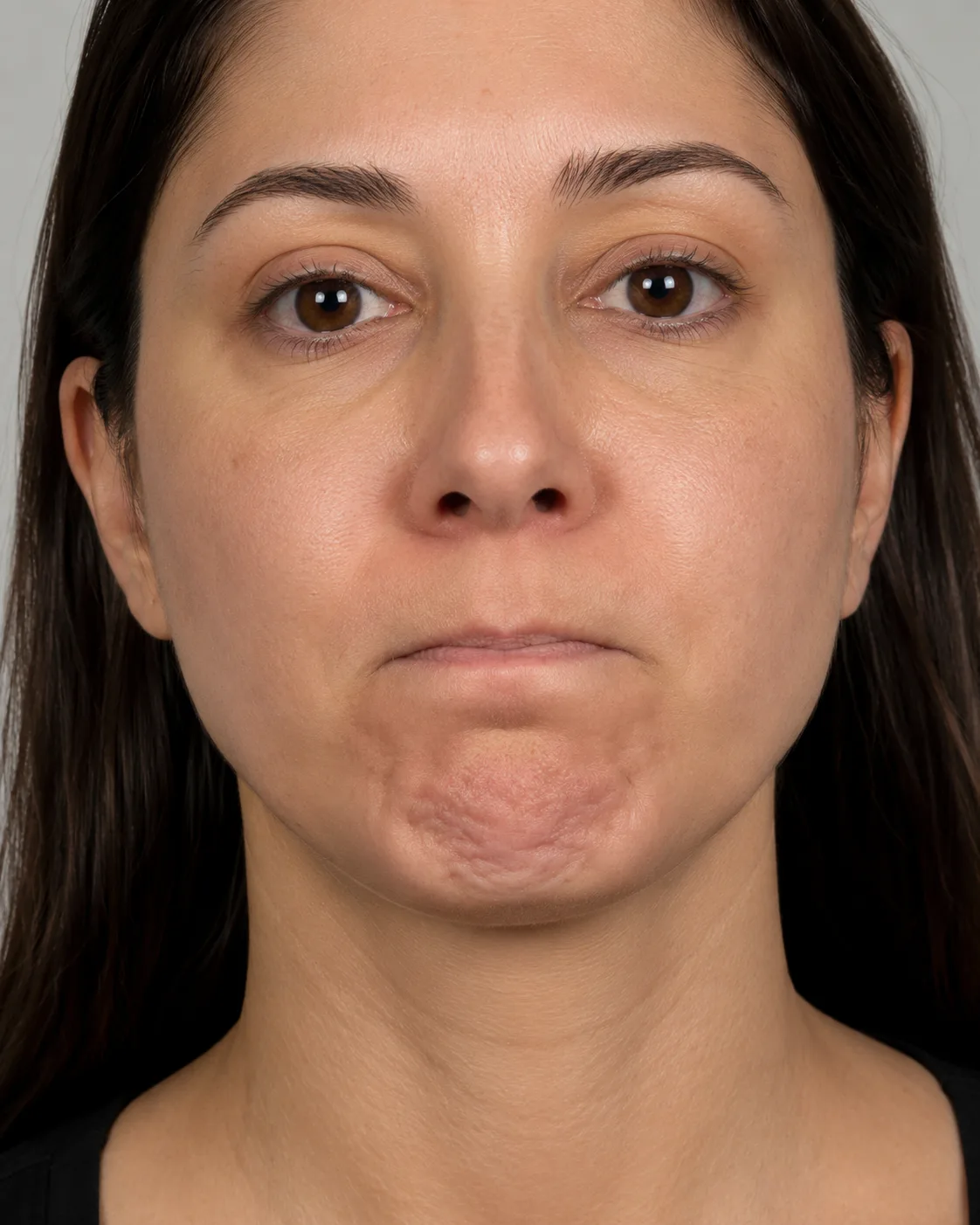
| Front view shape | Width, length, asymmetry and lower face proportion can look different from the front than in profile. | Discuss whether subtle change, a lower face assessment plan or another pathway is more appropriate. |
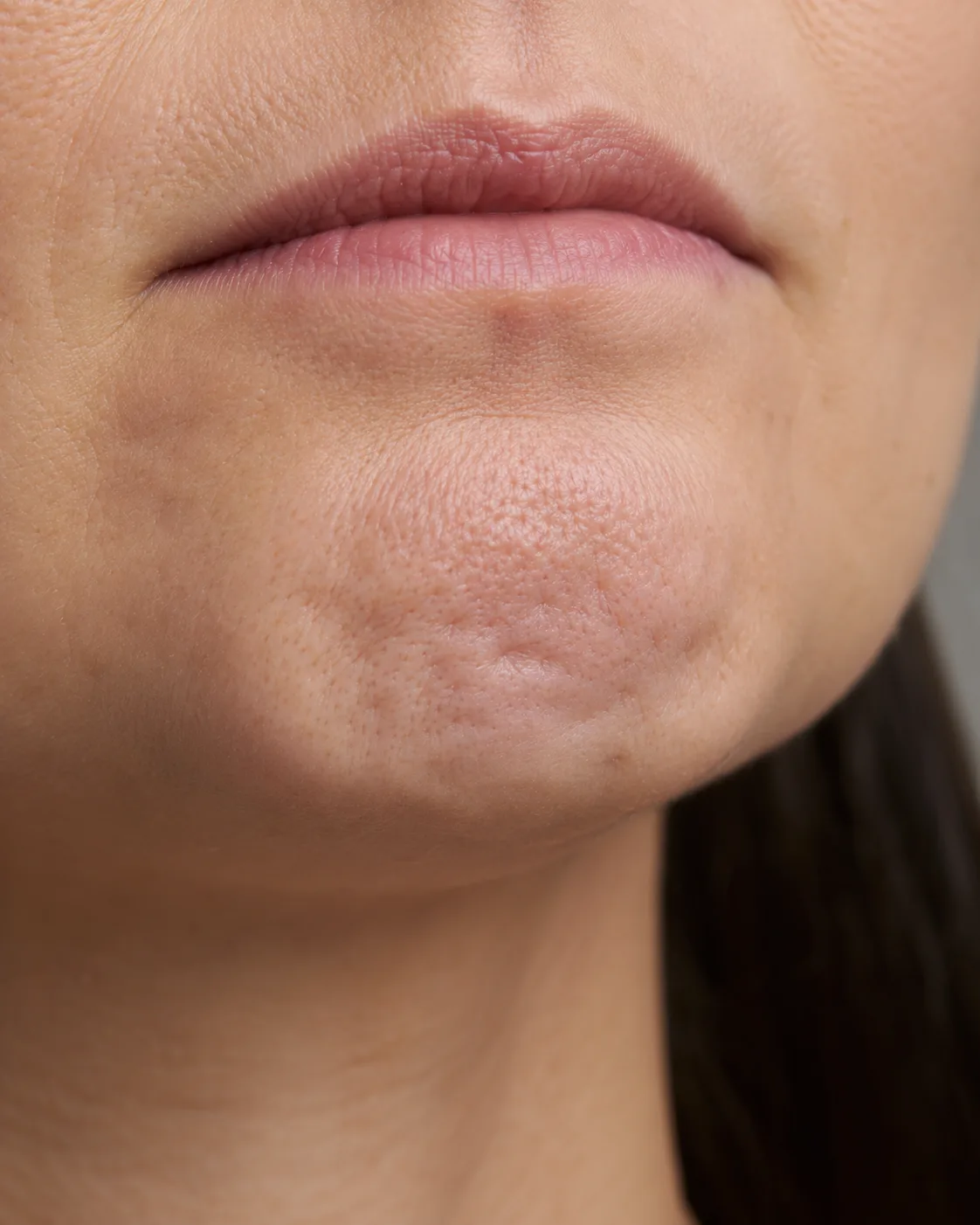
| Movement and dimpling | Chin texture or dimpling can relate to muscle activity and expression rather than simple shape. | Separate static shape concerns from movement concerns before planning. |
| Jawline and jowls | Chin support can affect jawline perception, but jowls, skin quality and jaw muscle are separate factors. | Review the lower face as a whole rather than treating one label automatically. |
| Dental, bite or skeletal context | Some chin concerns sit outside cosmetic clinic care or need another practitioner first. | Recommend adjusted timing, review with another health professional, a lower face assessment plan or a different assessment if needed. |
| Timing and risk | Events, travel, previous treatment, health history and aftercare access affect whether proceeding is sensible. | Decide whether discussion, delay, review only or a lower face assessment plan is the responsible plan. |

Profile, Front View And Movement Are Different Questions
Some chin concerns are most visible in profile. Others are front view concerns, movement concerns or texture concerns. Corey separates these because the planning logic is different.
A plan that changes profile may not address dimpling. A plan that focuses on width may not suit someone whose concern is movement or dental context. Assessment prevents the consultation from treating different concerns as if they were the same.
How The Chin Connects With Jawline And Jowls
The chin can change how the jawline is perceived, but it is not the jawline. Jowls, jaw muscle, skin quality, neck transition and lower face support can all create a softer or less defined appearance.
This is why chin planning often links to jawline assessment. Corey may explain that the chin is not the main issue, that jawline review is more relevant, or that nonsurgical care has limited value for the concern being described.
When More Is Not The Answer
Chin shaping should not be used to override natural proportion, chase a photograph or treat a concern that sits outside the clinic pathway. Treatment may not be appropriate when the issue is mainly dental, skeletal, surgical, skin related, poorly timed or still changing after previous treatment.
A conservative recommendation can be a sign of good care. Adjusted timing, review with another health professional, a lower face assessment plan or a different lower face discussion may be the more responsible answer.
Questions To Bring To Consultation
Useful questions include whether the concern is profile or front view related, whether dimpling or movement is part of the same issue, whether jawline or jowl assessment should be considered, how previous treatment affects planning and which risks are most relevant for your anatomy.
Also ask what aftercare involves, what review timing may look like, which options may be suitable after assessment, and when Corey would recommend not proceeding.
lower face assessment and the next step
Some adult patients may be suitable for treatment after individual assessment, but this depends on assessment, medical history, timing, consent, aftercare access and whether Corey decides proceeding is appropriate.
The appointment creates time for assessment, questions and a clear plan. A valuable appointment may end with education, suitable options, timing and review needs.
Review, Aftercare And Timing
Timing matters because social events, travel, exercise, dental care, previous treatment and review access can all affect whether treatment discussion is sensible. If timing is tight, raise it before any decision is made.
Aftercare and review should be explained before treatment. Patients should know what to monitor, when to contact the clinic and when urgent medical care may be needed for severe, sudden or worsening symptoms.
Which Chin Planning Guide Fits Your Question?
For the main chin pathway, read chin treatment Melbourne and chin treatment consultation. For dimpling or movement, read chin dimpling consultation and chin dimpling treatment consultation.
For lower face context, read jawline versus chin treatment, jawline and chin treatment guide, why the chin can look weak or undefined, jowl consultation and treatment suitability assessment.
Chin Shaping Questions
What does chin shaping mean?
Chin shaping means assessing whether the chin supports the lower face in a balanced way. It can involve profile, front view, chin length, width, movement, dimpling, jawline relationship and realistic limits. It does not automatically mean making the chin larger or treating every concern.
What does Corey assess before chin planning?
Corey assesses profile, front view, chin projection, length, width, movement, dimpling, symmetry, jawline relationship, relevant dental or bite context, previous treatment, medical history, timing and expectations. This helps separate a chin concern from jawline, jowl, jaw muscle, skin quality or referral needs.
Can chin treatment improve the jawline?
Chin support can influence how the jawline is perceived, especially from the side, but chin and jawline concerns are different. Corey reviews both areas before discussing any plan. Sometimes the better answer is jawline review, jowl assessment, timing or another clinically appropriate pathway.
Is chin dimpling part of chin shaping?
It can be related, but chin dimpling is often a movement, texture or expression concern rather than a simple shape concern. Corey separates dimpling from profile support and lower face balance so the discussion does not treat every chin concern as the same problem.
When might chin treatment not be recommended?
Treatment may not be recommended if the concern is mainly dental, bite related, skeletal, surgical, skin related, unrealistic for cosmetic clinic care, still settling after previous treatment, or poorly timed around travel or events. A responsible consultation can end with adjusted timing, review with another health professional, review only or a lower face assessment plan.
Can treatment happen at the first consultation?
Some adult patients may be suitable for treatment after individual assessment, provided that informed consent and clinical judgement support proceeding. The next step is agreed after assessment. Corey may recommend education, review, timing or another clinically appropriate pathway if that is safer.
How do reference photos help with chin planning?
Reference photos can help explain a preference, but they cannot prove suitability. Lighting, expression, editing, camera angle and different anatomy can mislead. Corey uses photos as conversation context while assessment, medical history, movement and proportion decide whether any plan is appropriate.
Can a weak looking chin be caused by the jawline or neck?
Yes. A weak or undefined chin appearance may involve chin support, jawline border, jowls, skin quality, neck transition, posture, dental context or natural anatomy. Corey reviews the lower face together so the plan is not based on one label or one photograph.
Is bigger always better for chin shaping?
No. More volume or stronger projection is not automatically better. The chin has a strong effect on facial balance, so overcorrection can make the lower face look less natural. Corey focuses on proportion, restraint, suitability and whether a lower face assessment plan is the better choice.
What questions should I bring to a chin consultation?
Ask whether the concern is profile, front view, movement, dimpling, jawline support, jowls, dental context or skin quality. Also ask what risks matter for your anatomy, what aftercare involves, whether waiting is sensible and when a lower face assessment plan or referral would be recommended.
Is this guide personal medical advice?
No. This guide provides general education for adults considering chin and lower face consultation. It does not diagnose anatomy, confirm suitability, replace dental or medical review, or recommend treatment. Personal advice requires consultation with Corey Anderson RN and informed consent.
How can I verify Core Aesthetics before booking?
Core Aesthetics lists Corey Anderson as a Registered Nurse with Ahpra registration NMW0001047575. You can use the Verify Core Aesthetics page, clinic contact details and the Ahpra public register to check practitioner and clinic information before booking.
Is this for you?
Consider booking a consultation if
- You are an adult patient seeking information about chin profile or shaping
- You want profile, movement and lower face balance assessed together
- You value conservative planning and realistic limits
- You are open to timing or another clinically appropriate pathway where appropriate
This may not be for you if
- You want the chin made larger without assessment
- You are not an adult patient seeking elective cosmetic care
- You need dental, surgical, medical or urgent review
- You want a promised profile change before suitability and risk are discussed
Suitability is confirmed at consultation. This list is general guidance, not a substitute for clinical assessment.