Understanding what you notice

Why does my chin look weak or less defined?

The answer may sit in your natural profile, the relationship between chin and jawline, movement, skin or dental context. Looking at those clues together is more useful than judging one photograph or assuming the chin simply needs to be bigger.

Profile, movement and lower-face context

  • Consultation-led assessment
  • Corey Anderson RN
  • Oakleigh, Victoria
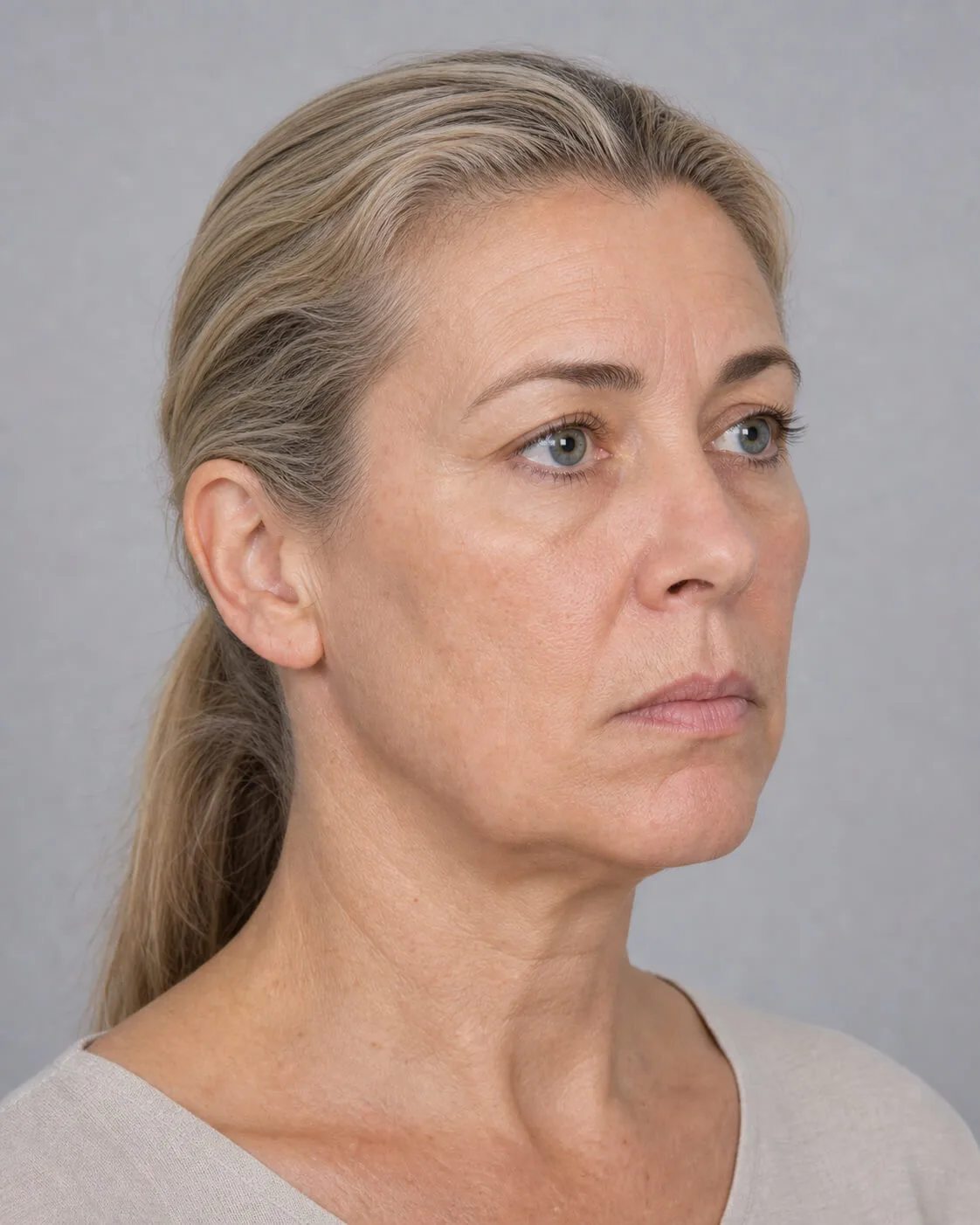
Adult woman in three-quarter view during a chin and lower-face assessment discussion
Side profile review can help separate chin support, jawline relationship, lip position and neck transition. Educational assessment image only.
Quick summary

A chin can look weak or less defined when its natural projection or length sits differently within the profile, when the jawline or neck transition softens its outline, or when movement, dimpling, skin, dental context or previous care changes what you notice. The most useful assessment compares the front view, profile and natural movement before deciding which factor matters most.

A less defined chin is not always a chin-only question

You may notice the chin most in a side photograph, where it meets the lower lip, or in the softer line between the jaw and neck. That observation is valid, but it does not identify the cause on its own.

A chin can look less defined because of natural projection or length, the shape of the wider lower face, movement and dimpling, skin and tissue changes, or relevant dental and previous-care context. Corey compares those influences with you so the conversation begins with what you actually see, not with a preset treatment plan.

Which clue sounds most like yours?

Profile

The chin sits quietly in side view

The relationship between the lips, chin and neck may make the chin appear less prominent from the side.

Outline

The lower-face border looks softer

Jawline shape, jowls, skin and the neck transition can change how clearly the chin is framed.

Movement

Dimpling appears as you speak

Tension or texture during expression is a different question from the chin’s shape at rest.

Context

Something else may be contributing

Dental history, bite concerns, recent change or previous care may affect which assessment comes first.

Adult man in side view during a chin profile and jawline assessment discussion

Start with profile, then check the front view

A profile view can reveal how the chin relates to the lips and neck, but it cannot tell the whole story. From the front, width, length, symmetry and the border of the lower face may create a different impression.

This is why a chin that seems weak in one photograph may look balanced in conversation. Camera distance, posture and expression can exaggerate a profile difference, while the jawline or neck may be doing more visual work than the chin itself.

If you want to understand chin shape across each view, the balanced chin profile guide follows that broader interpretation. This page stays with the possible reasons the outline feels less defined.

What may be shaping the outline?

Chin-led

Projection, length or width leads

The chin itself may be the clearest influence when the concern is consistent across views and at rest.

Lower-face led

Jawline, jowls or neck lead

A softer border around the chin can create an undefined look even when chin shape is not the main question.

Movement led

Tension or dimpling leads

If the change appears mainly while speaking or expressing, movement deserves its own assessment rather than being treated as a profile issue.

Less defined does not mean it needs to be bigger

A stronger outline is not automatically a better or more natural one. The useful question is which relationship is catching your attention and whether changing it would make sense for your face, expression and preferences.

If you are unsure whether the chin or jawline should lead, the chin versus jawline guide offers a focused comparison without assuming both areas need attention.

Adult patient in side view while chin movement and lower-face tension are considered

Movement can change what you see

The chin may look smooth at rest and dimple while you speak, smile or close the lips. That can make the outline seem tense or less clear even when the underlying profile has not changed.

Corey watches natural movement as well as still views and asks when the concern is most noticeable. This helps separate a movement question from profile support, skin texture or the wider jawline.

If dimpling is the main feature, the chin dimpling consultation guide explains that more focused appointment pathway.

Bring three details that make the assessment clearer

Bring thisWhat to noticeWhy it helps
Your clearest viewIs the concern most obvious from the side, front or during movement?It gives Corey a useful starting point without treating one photograph as a diagnosis.
Your timelineHas it always looked this way, or did you notice a gradual or recent change?Natural structure, tissue change and previous care call for different conversations.
Your contextShare relevant dental history, symptoms and details of previous cosmetic care.Clear context helps identify when another review or more time should come first.

When another assessment should come first

Tell Corey about pain, altered sensation, a sudden change, recent injury, bite concerns or current dental work. These details may point to medical, dental, orthodontic or surgical assessment before a cosmetic conversation.

Previous care may also need time to settle before the area can be judged clearly. A useful consultation can end with an explanation, a referral or a plan to review later.

Corey Anderson RN listening to an adult patient during a private Oakleigh consultation

Turn the observation into a useful plan

At your Oakleigh appointment, you can show Corey the view or movement that catches your attention and have the chin considered within the whole lower face.

Bring with youYour observationsRelevant photos, previous-care details and any dental or health context.
Your appointmentCorey Anderson RN12A Atherton Road, Oakleigh · Ahpra NMW0001047575

Corey compares front view, profile and movement, explains which factor appears to lead and discusses whether another assessment, more time or a cosmetic option is relevant. If an option is suitable, material risks, aftercare and costs are discussed before you decide.

Why this guide stays consultation focused

Public information can help you name the feature you notice, but it cannot assess anatomy or confirm a personal plan. Current TGA guidance for cosmetic health-service advertising supports focusing on practitioner consultations without promoting prescription-only substances.

Ahpra’s advertising guidance also supports honest, balanced and realistic information with clear practitioner details. That is why this page offers possible explanations and a personal assessment, not a promised change.

Consultation first

Come in with the question that brought you here

Your appointment can help you understand what is shaping the chin’s outline and which next step feels proportionate for you.

Book consultation

Weak Or Undefined Chin Questions

Why does my chin look weak?

A chin can look weak because of natural profile structure, limited chin projection, lower face proportion, jawline relationship, jowls, neck transition, dental context, ageing change or previous treatment. Corey assesses the lower face before discussing whether treatment, waiting, referral or no treatment is appropriate.

Can an undefined chin come from the jawline?

Yes. A chin may look undefined because the jawline border, jowls, neck transition or skin quality changes how the lower face is read. Corey reviews the chin and jawline together so the concern is not reduced to one label or one photograph.

Can chin dimpling make the chin look less defined?

Yes. Movement related dimpling, texture or tension can make the chin look less smooth or less defined, especially during expression. It is assessed differently from profile support. Corey separates static shape, movement, skin quality and lower face balance before discussing options.

When should I seek another type of review?

Dental, bite, skeletal, surgical, medical or significant skin laxity concerns may need another practitioner or a different pathway before cosmetic treatment is discussed. A responsible consultation can end with referral, waiting, review only or no treatment if that is safer.

Can treatment happen on the consultation day?

Some adult patients may be suitable for treatment on the same day as consultation, but only after assessment, informed consent and clinical judgement support proceeding. Treatment is not automatic. Corey may recommend education, waiting, referral, review only or no treatment.

Can photos tell me why my chin looks weak?

Photos can help explain what you notice, but they are affected by lighting, camera distance, posture, expression and editing. Corey can use photos as context, but assessment of profile, movement, skin, jawline relationship and medical history matters more than a single image.

Is bigger always better for a weak chin?

No. More projection or size is not automatically better. The chin affects facial balance, expression and lower face proportion, so overcorrection can look less natural. Corey assesses restraint, suitability, risks and whether no treatment is the more responsible recommendation.

Can ageing make the chin look less defined?

Yes. Ageing, skin quality, tissue position, jowls, weight change and neck transition can all change how the chin and lower face are perceived. Review helps separate a chin support concern from broader lower face or skin related change.

What should I ask during a chin consultation?

Ask whether the concern is profile, jawline, movement, dimpling, skin quality, dental context or previous treatment related. Also ask what risks matter for your anatomy, what aftercare involves, when referral would be recommended and when treatment should not proceed.

Could previous treatment affect chin assessment?

Yes. Previous cosmetic treatment, timing, settling, symptoms, records and patient goals can affect what Corey recommends. The safest answer may be waiting, review, referral or no further treatment rather than adding treatment before the current concern is understood.

Is this page personal medical advice?

No. This page provides general education for adults asking why the chin may look weak or undefined. It does not diagnose anatomy, confirm suitability, replace dental or medical review, or recommend treatment. Personal advice requires consultation with Corey Anderson RN.

How can I verify Core Aesthetics before booking?

Core Aesthetics lists Corey Anderson as a Registered Nurse with Ahpra registration NMW0001047575. You can use the Verify Core Aesthetics page, clinic contact details and the Ahpra public register to check practitioner and clinic information before booking.

Is this for you?

Consider booking a consultation if

  • Adults who want to understand why the chin may look weak or undefined before deciding what to do next
  • People who want profile, jawline, movement, skin quality and dental context considered together
  • Patients who are open to waiting, referral, review only or no treatment where that is safer
  • Adults seeking consultation led education rather than assuming treatment is the answer

This may not be for you if

  • People seeking a fixed profile change before assessment
  • People with urgent medical, dental or surgical symptoms who need appropriate care first
  • People who want treatment without discussing risk, consent, alternatives and aftercare
  • People seeking advice for someone who cannot provide informed consent

Suitability is confirmed at consultation. This list is general guidance, not a substitute for clinical assessment.

Clinical references

  1. Ahpra cosmetic procedure advertising guidelines
  2. Ahpra public register of practitioners
  3. TGA advertising a health service
  4. TGA health service advertising guidance

Clinically reviewed by Corey Anderson RN, AHPRA NMW0001047575 · Reviewed 12 July 2026 · Consultation required · TGA and AHPRA guidance is regularly reviewed in preparing this website.