Kew patients should treat an Oakleigh aesthetic consultation as an assessment first. Kew Junction, High Street, Cotham Road, route 48 and 109 tram access, parking and review timing help with planning. Suitability still depends on symptoms, history, medicines, expectations, consent and risk.
Kew Junction, High Street And Cotham Road Planning
This guide is for Kew patients who want to plan an Oakleigh assessment before booking.
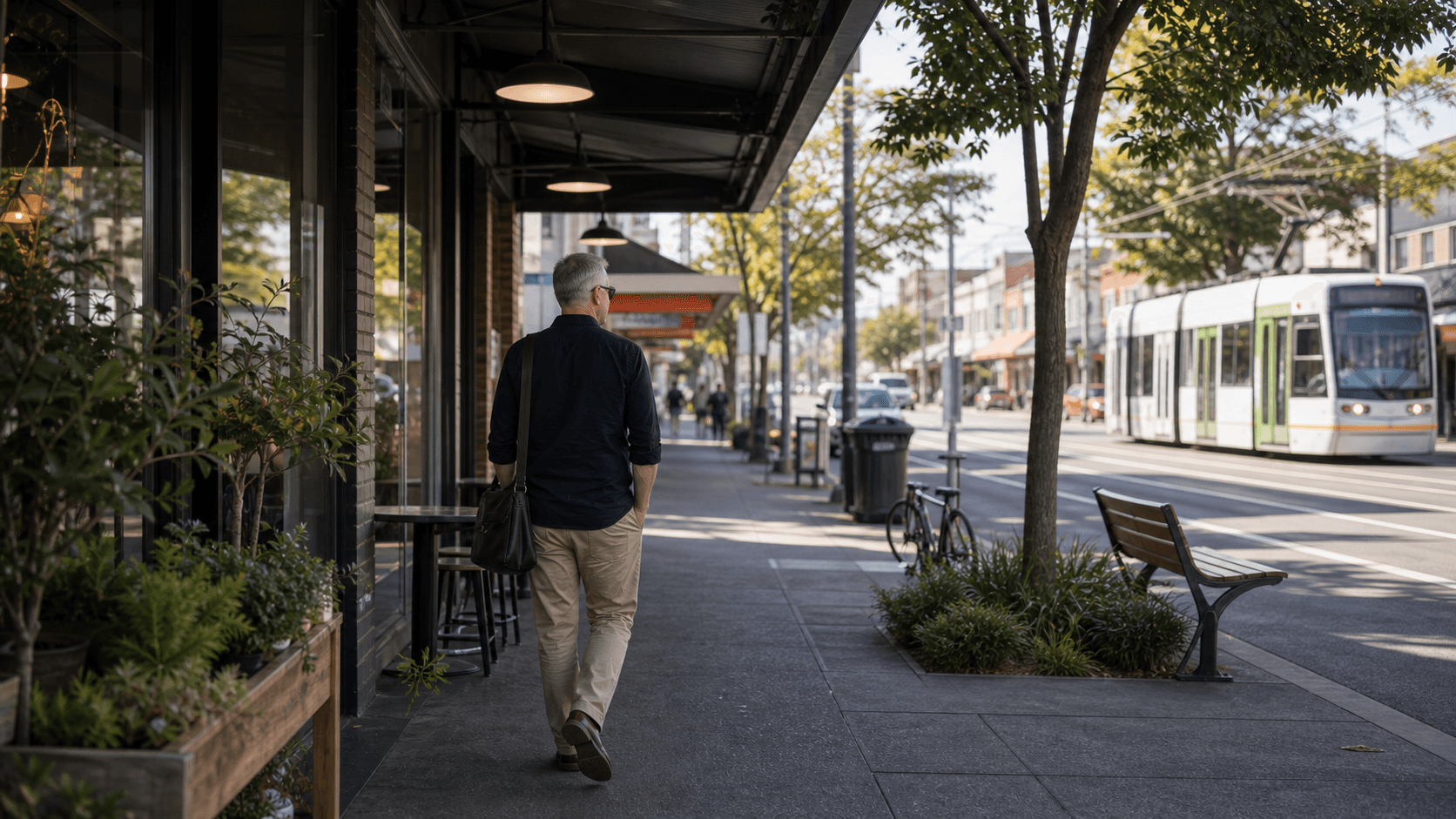
Kew Junction can make the trip feel familiar because High Street, Cotham Road, tram access, shops and parking are already part of local movement. Those details help with planning only. They do not answer whether treatment should happen.
Use Kew For The Junction And Yarra Context
Use this guide when Kew is the clearest starting point. That may mean Kew Junction, High Street, Cotham Road, Studley Park Road, Princess Street, Alexandra Gardens, the Yarra River side of Kew, route 48, route 109 or the Kew shopping strip.
Choose the nearby guide that best matches where your visit starts. The goal is practical consultation planning, not a pre-decided treatment outcome. Kew East, Hawthorn, Balwyn, Richmond, Abbotsford, Camberwell and Toorak may be a clearer guide when it describes where your visit starts more accurately.
local planning should make access and review planning clearer. It should not make treatment feel expected.
Boroondara Profile And Activity Centre Planning Details
The City of Boroondara community profile lists Kew with a 2025 estimated resident population of 25,930, a land area of 10.53 square km and a population density of 2,462 persons per square km.
Boroondara Council describes the Kew Junction Structure Plan as covering built form, height, land use, character, heritage, traffic, parking and access in the Kew Junction Activity Centre.
Planning Victoria describes Kew Junction as a strong tram-focused public transport centre. It notes route 109 accessible trams, route 48 and 109 tram connections along High Street and Cotham Road, and links toward the city, Richmond, Port Melbourne, Balwyn North and Box Hill.
Planning Victoria also describes the activity centre catchment around Kew Junction, with the Anniversary Trail, Boroondara General Cemetery, the Yarra River landscape and the Hawthorn, Glenferrie and Auburn catchment as practical place markers.
| Kew cue | Planning question | Consultation use |
|---|---|---|
| Kew Junction | Will traffic, parking or tram timing make arrival rushed? | Choose a calmer appointment window. |
| High Street and Cotham Road | Does route 48 or route 109 access suit review timing? | Plan both the visit and possible follow-up. |
| Yarra River or Kew East edge | Is Kew the right local guide? | Keep the route guide accurate. |
Plan The Oakleigh Visit Before Consent
Before booking, write down the concern, when it changed and why advice is being sought now.
Then add the Kew practical layer: tram route, driving route, parking, support needs, work or school timing, event timing and whether review can happen without squeezing the decision.
| Planning point | Question to answer | What it may change |
|---|---|---|
| Tram or car access | Will High Street or Cotham Road timing add stress? | Route, support or appointment timing. |
| Review access | Can you return if follow-up is needed? | Simplify, wait or use advice only. |
| Previous care | Are dates, records or product details unclear? | Bring records or pause planning. |
| New symptoms | Could this need medical review first? | Referral before cosmetic planning. |
What The Assessment Must Keep Separate
A manageable trip from Kew does not answer the clinical question. Corey Anderson RN first needs the concern, symptom history, medical background, medicines, allergies, previous cosmetic care and expectations.
Movement, skin quality, facial balance, timing, scope, consent readiness and risk can then be considered. Local access helps plan the visit, but it does not prove suitability.

When Advice, Records Or Waiting May Be Better
The careful result may be education, records, GP review, referral, later review or no cosmetic step.
Slow down for pain, new symptoms, active skin changes, medicine changes, pregnancy or breastfeeding questions, unclear prior treatment details or timing that makes consent feel rushed.
Information To Bring
Bring current medicines, allergy details, relevant health history, previous cosmetic treatment dates, useful records and written questions.
Add Kew access details if they affect the appointment. Note whether Kew Junction, High Street, Cotham Road, route 48, route 109, parking, support or review timing may make the visit rushed.
Images or notes can explain change over time. They are not an outcome target or a reason to skip clinical assessment.
Nearby Consultation Guides
Use aesthetic consultation Melbourne for the central service explanation. Preparation pages include consultation guide Melbourne, treatment suitability assessment, patient safety consultation and cost and safety questions.
Use Kew East, Hawthorn, Balwyn, Richmond, Abbotsford, Camberwell or Toorak only when that page is the better fit. Choose the nearby guide that best matches where your visit starts. The goal is practical consultation planning, not a pre-decided treatment outcome.
Is this for you?
Consider booking a consultation if
- Adults from Kew who want assessment before deciding whether treatment planning is suitable
- Patients who value realistic discussion, consent, risk explanation and conservative planning
- People who want the option of waiting, referral or no treatment kept open
- Patients who can attend Oakleigh for assessment and any recommended review
This may not be for you if
- People seeking a promised result or a treatment decision before assessment
- Anyone wanting treatment without medical history, suitability review or consent discussion
- Patients who feel pressured by another person to change their appearance
- People with active infection, unhealed skin or an unresolved medical concern in the area to be assessed
Suitability is confirmed at consultation. This list is general guidance, not a substitute for clinical assessment.
Frequently asked questions
How should Kew patients use this aesthetic consultation page?
Use it to plan whether an Oakleigh assessment is practical from Kew before booking. Kew Junction, High Street, Cotham Road, tram access and review timing should be considered first.
Why should Kew stay separate from Kew East or Hawthorn?
Kew has its own Boroondara profile, Yarra River context, Kew Junction activity centre and High Street to Cotham Road access pattern. Nearby pages should be used only when they fit the patient better.
Which Kew access details matter before booking?
Plan around Kew Junction, High Street, Cotham Road, Studley Park Road, Princess Street, route 48 and 109 trams, parking, driving time and the return review path.
Does Kew Junction access make treatment suitable?
No. Kew Junction may make travel planning clearer, but suitability still depends on assessment, health history, consent readiness, expectations and risk.
What Kew context should Corey know before options?
Corey should understand the concern, symptom history, medicines, allergies, previous cosmetic care, tram or driving limits, review access and any pressure to decide quickly.
When should Kew patients pause for records or referral?
Pause for pain, new symptoms, active skin changes, recent care elsewhere, medicine changes, pregnancy or breastfeeding questions, unclear records or poor timing.
What information should Kew patients bring?
Bring medicines, allergies, health history, prior cosmetic dates, relevant records, Kew Junction or driving constraints, review access concerns and written questions.
How can Kew patients verify Corey and Core Aesthetics?
Check the Core Aesthetics verification page, clinic contact details and the Ahpra public register. Corey Anderson RN lists NMW0001047575.
Should Kew patients book if the trip feels rushed?
Consider waiting or choosing a calmer time. A rushed trip from Kew can weaken consent discussion, record review, aftercare planning and follow-up access.
Is this Kew page medical advice?
No. It is general preparation information. It cannot diagnose, confirm suitability, recommend treatment or replace individual clinical assessment.