A Core Aesthetics consultation is a decision appointment, not a booking that commits you to a procedure. Bring one plain sentence about what you notice, a current health and medicine list, relevant previous care records and any timing constraints. Before leaving, you should understand six things: the concern being assessed, what Corey observed, what remains uncertain, the reasonable options including no procedure, the material risks and costs, and the next step or review plan.
Start With One Sentence
You do not need to arrive knowing the name of a procedure. Try: “I notice a shadow beneath my eyes that changes with light, and I want to understand whether it is a skin, structure or health question.” Or: “My lower face feels different after previous care, and I want to know whether waiting is safer.”
That first sentence gives Corey something specific to examine. A treatment name copied from a website or social post can narrow the conversation too early.
The Six Answer Consultation Receipt
Use this as a verbal or written check before the appointment ends.
| Answer | What it should contain |
|---|---|
| 1. The concern | Your description in plain language, including onset, variability and what matters to you. |
| 2. The observations | What Corey can observe at rest and during relevant ordinary movement, plus health and previous care context. |
| 3. The uncertainty | What cannot be decided from today, what records are missing and whether another clinician should assess part of the concern. |
| 4. The options | Reasonable routes, alternatives, waiting, referral, review later and the option of no cosmetic procedure. |
| 5. The tradeoffs | Material risks, realistic limits, recovery or aftercare needs, total costs and possible future costs. |
| 6. The next step | What happens next, who is responsible, when review is due and how to make contact if the situation changes. |
Bring Three Small Packets Of Information
| Packet | Bring |
|---|---|
| Health | Current medicines and supplements, allergies, relevant conditions, pregnancy or breastfeeding status where relevant, recent illness and current symptoms. |
| History | Dates and records from previous cosmetic or related care, reactions, review notes and what has changed since. |
| Practical | Upcoming events or travel, available recovery time, ability to return for review, budget questions and any support or accessibility needs. |
Photographs can help explain a timeline, but filtered images and different lighting cannot confirm cause or suitability.
What Happens In The Room?
- Listen: Corey asks what brought you in, why now and what outcome would make the appointment useful.
- Screen: health history, medicines, allergies, previous care, symptoms, timing and scope boundaries are reviewed.
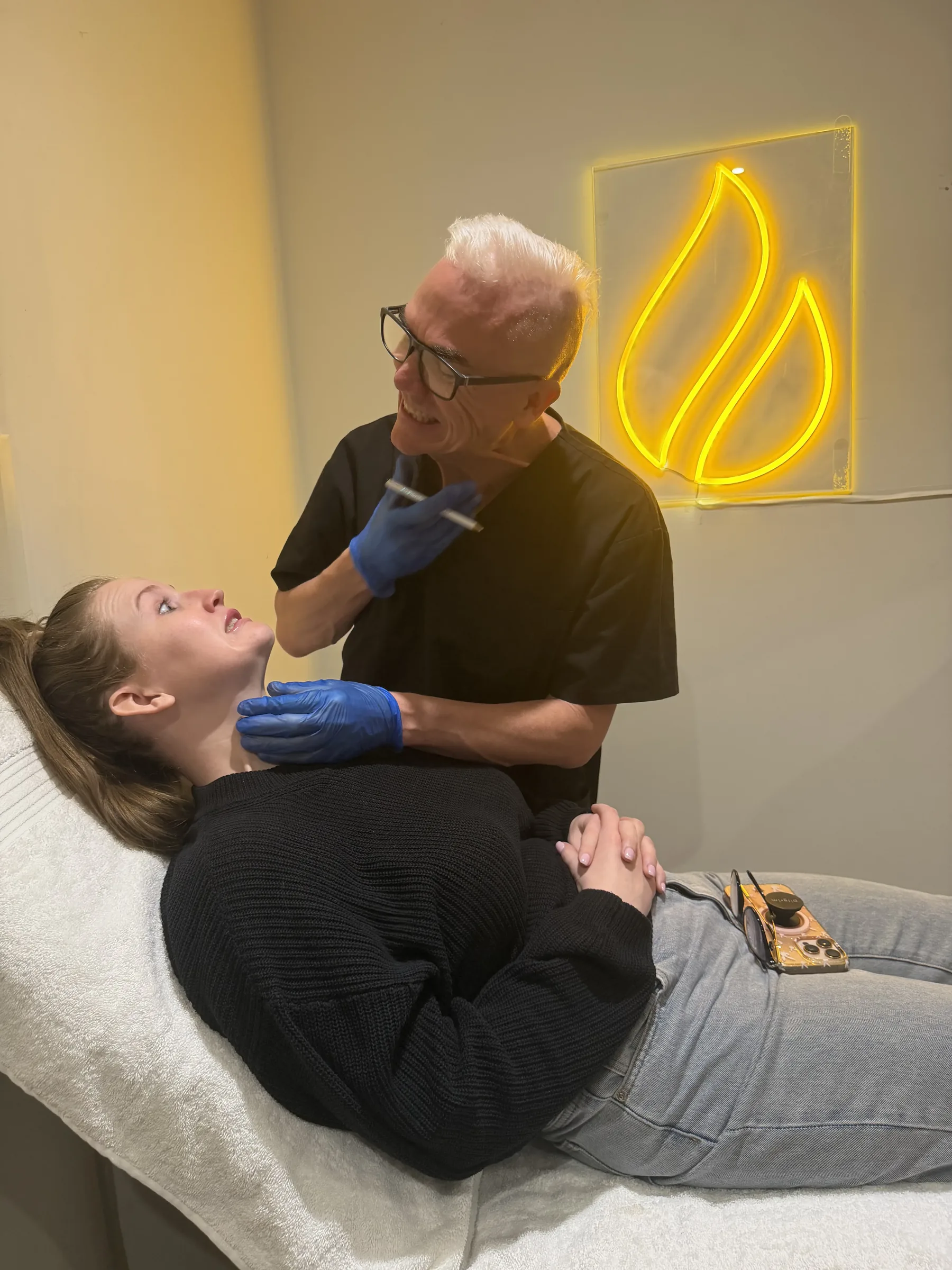
- Assess: the relevant area is observed in context, often at rest and during ordinary movement. Photographs are taken only with consent.
- Decide: Corey explains what is known, what is uncertain, reasonable routes and whether cosmetic discussion is appropriate at all.
How Is Suitability Decided?
Suitability is not a score based only on age or appearance. It includes the concern, health history, symptoms, capacity to consent, expectations, likely benefit, material risk, practitioner scope, timing and whether safe review is realistic.
Ahpra guidelines require registered practitioners to consider assessment, alternatives and the option of not having a procedure. A practitioner must decline when a cosmetic procedure is not appropriate for the person.
What If Part Of The Concern Is Outside Cosmetic Scope?
New pain, rapid change, swelling, infection signs, visual or neurological symptoms, a suspicious skin lesion, dental symptoms or a significant psychological concern can change the route. Corey may advise GP, dental, eye, dermatology, mental health or urgent assessment as appropriate.
Referral is not a failed consultation. It is a decision that the next useful answer belongs with a different clinician or service.
How Are Photographs And Privacy Handled?
Clinical photographs can support the record, comparison of consistent views and later review. Consent should be requested before any image is taken. The purpose, storage, access and any proposed use must be explained.
Consent to a clinical record image is separate from consent to advertising. You can refuse advertising use. Ask exactly where images will be stored and who will see them.
How Are Risks, Limits And Costs Discussed?
Informed consent is more than a signed form. It includes a verbal discussion and plain language information about what is proposed, reasonable alternatives, material risks, personal risk factors, realistic limits, aftercare, possible further care and the option not to proceed.
Financial consent should cover the total current cost, any maintenance assumptions, review costs, possible further costs and payment timing. Public pricing is general; the private consultation should make the individual financial decision clear before consent.
Can Anything Happen On The Same Day?
Care on the consultation day is not automatic. It depends on a complete assessment, an appropriate pathway, informed consent, clinical time, necessary authorisation, readiness for aftercare and Corey deciding that proceeding is responsible.
You can use the appointment only for information. If you feel rushed, uncertain or unable to explain the tradeoffs in your own words, pause. A later decision is still a valid outcome.
What If Corey Recommends Waiting Or No Procedure?
Ask which part of the decision led there. It may be incomplete records, unstable symptoms, poor timing, limited likely benefit, expectations that the proposed route cannot meet, risk that outweighs benefit or a concern better handled elsewhere.
Leave with a next step even when no procedure is advised: observe a defined feature, obtain records, see another clinician, return after a set interval or close the cosmetic question.
Which Appointment Route Fits?
| Your starting question | Useful page |
|---|---|
| I do not know which part of the face is driving the concern. | Facial ageing assessment |
| I think the concern is skin, soft tissue, structure, movement or previous care. | Melbourne facial volume assessment |
| I want to know what would make a procedure unsuitable. | Treatment suitability assessment |
| I want a support person in the room or need to know when privacy comes first. | Support-person planning |
| I would communicate more clearly with an interpreter or extra language support. | Language and interpreter planning |
| I am worried that a careful practitioner may say no. | Why a consultation may end with no |
| I have a concern after previous care. | Correction versus a fresh decision |
Evidence And Regulatory Basis
- Ahpra guidelines for registered health practitioners who perform non surgical cosmetic procedures, effective 2 September 2025.
- Ahpra guidelines for advertising higher risk non surgical cosmetic procedures.
- NMBA Registered nurse standards for practice.
- NMBA professional practice and decision making frameworks.
- Ahpra public register of practitioners.
Sources were checked on 17 July 2026. They support assessment, informed consent, documentation, privacy, scope and the option not to proceed. They do not establish personal suitability from a webpage.
Verify The Appointment Before You Book
Core Aesthetics is at 12A Atherton Road, Oakleigh VIC 3166. Corey Anderson is listed as a Registered Nurse with Ahpra registration NMW0001047575. Check the clinic verification page, the Ahpra public register and current contact details before booking.
This page is general information for adults. It is not personal medical advice, a diagnosis, urgent care or confirmation that a cosmetic procedure is appropriate.
Is this for you?
Consider booking a consultation if
- Adults who want assessment before deciding whether any cosmetic procedure fits
- People who can share health information, medicines, symptoms and previous care records
- Patients who want uncertainty, alternatives, risks, costs and review explained
- People open to waiting, referral or no cosmetic procedure
This may not be for you if
- Anyone seeking urgent medical assessment
- People unwilling to discuss health history, risks or alternatives
- Anyone expecting an online treatment decision to be confirmed automatically
- People who cannot provide informed consent
Suitability is confirmed at consultation. This list is general guidance, not a substitute for clinical assessment.
Frequently asked questions
Do I need to know which cosmetic procedure I want?
No. Bring one plain sentence about what you notice and what you want clarified. The consultation should test possible explanations and routes rather than confirm a treatment term found online.
What are the six answers I should leave with?
Understand the concern, Corey’s observations, remaining uncertainty, reasonable options including no procedure, material risks and costs, and the next step or review plan. Ask for clarification if any answer is still vague.
What should I bring to the appointment?
Bring current medicines and supplements, allergies, relevant health information, previous care dates and records, current symptoms, timing constraints, useful unfiltered photographs and your questions. Include upcoming events and whether returning for review is practical.
Will clinical photographs be taken?
They may be useful for the health record or later review, but consent should be requested first. The purpose, storage, access and any proposed use should be explained. Advertising use requires a separate decision.
Can I attend only for information?
Yes. A consultation can end with education, observation, records review, referral, waiting or no cosmetic procedure. Booking does not require you to proceed, and you can take more time after the appointment.
Can care happen during the consultation?
It is not automatic. Assessment, suitability, informed consent, authorisation where required, clinical time, aftercare readiness and practitioner judgement must all support proceeding. You can also choose to decide later.
What if Corey recommends no cosmetic procedure?
Ask why and what the next useful step is. Limited likely benefit, material risk, missing records, poor timing, symptoms or a concern outside cosmetic scope can all support waiting, referral or no procedure.
Will risks and costs be discussed?
They should be. Informed and financial consent include material risks, personal factors, alternatives, realistic limits, aftercare, total current cost and possible further or maintenance costs.
Can I bring a support person?
Contact the clinic before the appointment to discuss a support person, interpreter, accessibility need or privacy preference so the room and appointment can be planned appropriately.
How do I verify Corey Anderson RN?
Use the Core Aesthetics verification page and the Ahpra public register. Corey Anderson is listed as a Registered Nurse with registration number NMW0001047575. Confirm the clinic address and contact details before booking.