
CORE AESTHETICS · OAKLEIGH
Worried about looking overdone?
Want softer lines or a little more definition, but still want to look like yourself? That is the starting point for a conservative consultation with Corey Anderson RN. Together, you work out what a subtle change means for your face, which features you want to keep and whether the available options fit. There is no expectation to change several areas or go ahead with treatment.
No pressure. No obligation to proceed.
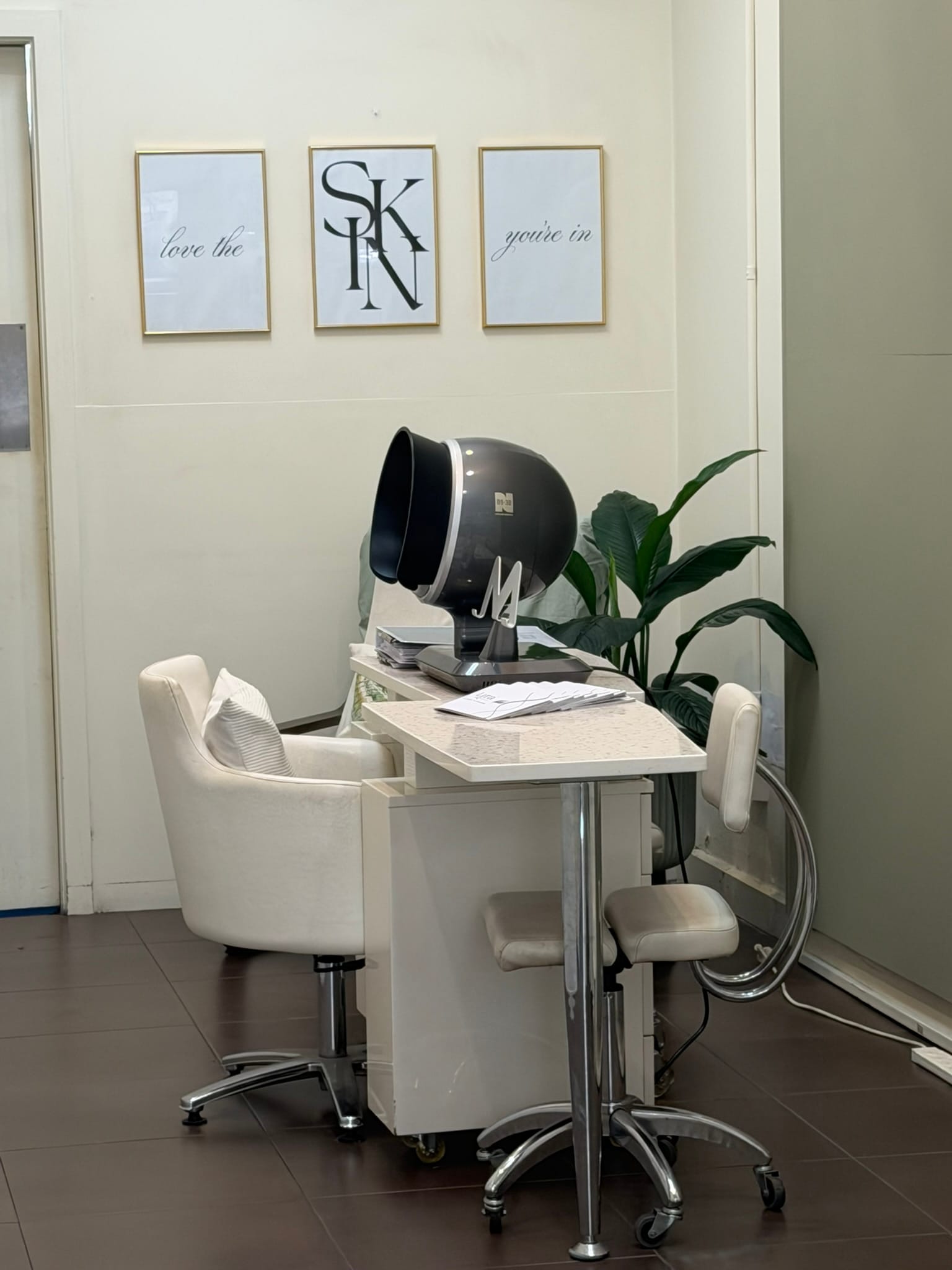
SUBTLE CHANGES AND NATURAL EXPRESSION
Can I have cosmetic treatment and still look like myself?
A conservative plan may be possible when the change you want is suitable for assessment and can be discussed with realistic limits. It focuses on the feature that matters to you, rather than trying to remove every line or reshape your whole face. For one person, that means a softer-looking frown; for another, it means a clearer lip outline without noticeably larger lips.
Corey explains whether that goal is achievable for you and what would still look or move differently. Natural-looking is an aim; individual outcomes vary.
What makes a face look overdone?
People often mean lips that look too large for the face, cheeks that seem too full, or expressions that look less like their usual smile or frown. There is no single measurement that defines too much: your starting features and personal preferences matter.
Temporary swelling can also make a recent change look more pronounced. A review needs to distinguish that from the intended change; a photo taken immediately afterwards cannot reliably show the settled appearance.
Can I have softer forehead lines without a frozen expression?
Softer forehead lines may be possible for some people, but keeping movement means accepting that some lines may remain. Lines form as the skin folds with expression, and a crease visible at rest may also remain.
Corey checks your forehead, brows and eyelids while relaxed and moving, then explains the balance between changing the lines and keeping expression. The discussion should make that trade-off clear before you decide.
Can I improve my lip shape without making my lips look big?
Sometimes. A modest change in outline or balance may be possible without a large increase in size. Corey looks at the border, Cupid’s bow, differences between the sides and how your lips move, then explains which part of your concern may be addressed.
Some changes to shape also change fullness, so those cannot always be separated. If the available option would create more volume than you want, it may not suit your goal.
How do we decide how much change is enough?
Agree on a specific goal before agreeing to a procedure: for example, a less pronounced frown while keeping brow movement, or a clearer lip outline while keeping a similar size. Corey explains the likely extent of change, its limits and any features that should be left alone.
Where a gradual approach is appropriate, the plan can include time to review before deciding whether anything further is worthwhile. A review is not an automatic further treatment, and doing less does not remove a procedure’s risks.
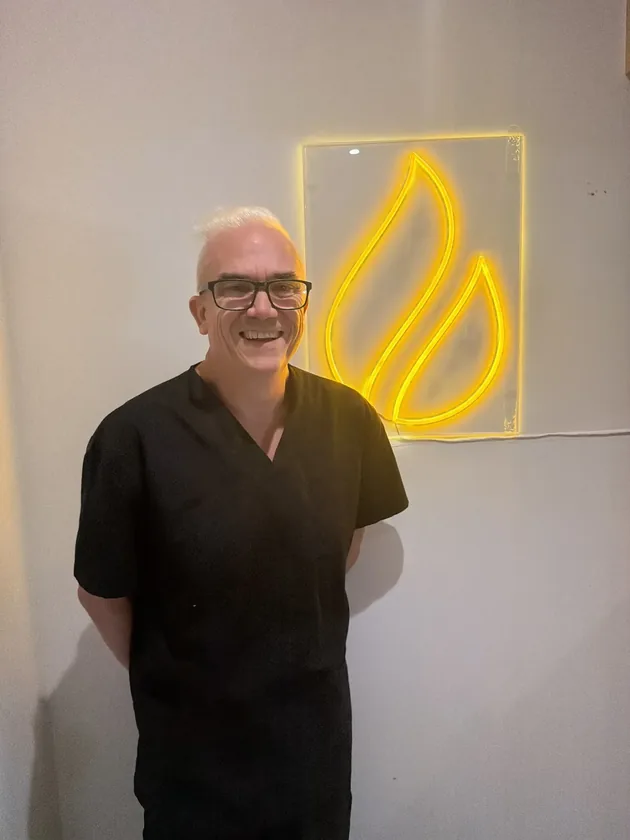
MEET COREY
How will Corey help me avoid a result I do not want?
Corey starts by understanding what you mean by overdone. In the consultation room, you look at the concern together, discuss what you like about your face and identify changes you would not be comfortable with. Reference photos can help put that into words.
He checks your features at rest and in movement, your health and previous treatment, then explains the proposed change in plain English. You hear the limitations, risks, recovery and itemised costs before making a decision. If the plan does not fit your preferences, there is no pressure to proceed.
Do I have to treat other areas of my face as well?
No. A consultation about one concern does not commit you to a whole-face plan. Corey may explain how a neighbouring feature affects the result you want, but he will also explain what is possible if that feature stays unchanged.
For example, lip proportions relate to the chin and surrounding mouth, but that does not mean your chin needs treatment. If a broader change is not for you, the decision may be a smaller plan or no treatment.
Will I see examples of subtle results before deciding?
Sometimes, before-and-after photographs are shown privately during the consultation to explain previous real-world results, where appropriate and with permission for that use. They can help clarify the difference between a small change and one you would consider too much.
They show another person’s experience, not a preview of your result. Corey explains how differences in features, treatment, lighting and timing affect the comparison.
Will people notice, and how long does it take to settle?
People may notice a change, including temporary swelling or bruising. Subtle does not mean invisible, and recovery time depends on the procedure and your response. Corey explains the expected settling period and any work or social restrictions for the option being considered.
A review is generally arranged two weeks after treatment, but this is not a promise that every result will be final by then. For an event, start the consultation discussion about 2 to 3 weeks beforehand; some plans need longer or are better left until afterwards.
What if I already feel that previous treatment looks overdone?
Arrange a review before adding further treatment. The first step is to work out whether the concern is swelling, the amount of change, movement or something that needs medical attention. Bring treatment dates and records if available. Correction is not always straightforward or possible, and Corey will explain the realistic options.
What does the consultation cost, and do I have to decide that day?
Your initial consultation is at no charge and generally lasts 30 minutes. It can be entirely for information, with time to take the proposed plan away and think it over. There is no hard sell or obligation to purchase anything.
If treatment feels right, it can usually be arranged at the end of the visit once suitability, required clinical arrangements, explained risks, informed consent and agreed costs are in place. If another day is needed, Corey explains why and what happens next.
CORE AESTHETICS · OAKLEIGH
Discuss a subtle change with Corey
A clear plan starts with what matters to you and what you want to keep. Your initial consultation is at no charge, with no pressure to proceed.
View available appointments