
CORE AESTHETICS · OAKLEIGH
Will cosmetic treatment look obvious?
It might. Changes to shape or movement can be noticeable, and swelling or bruising may draw attention during recovery. Asking for a subtle change is useful, but no one can promise that other people will not notice.
No pressure. No obligation to proceed.

WHAT OTHER PEOPLE MAY NOTICE
What can make a change look obvious?
A difference in shape, fullness, balance or facial movement may stand out more than you expected. Temporary swelling or bruising can also make a treated area more noticeable; read the TGA filler safety guidance for those temporary effects.
These are different questions: how you look during recovery, and what remains after recovery. A visible change does not, by itself, prove that something went wrong. If you dislike a change or it is different from what was explained, ask for a review rather than deciding the cause from a photograph.
Will my partner or close friends be able to tell?
They may notice, even if you consider the change small. There is no reliable way to predict what another person will see or what they will think caused it.
Tell Corey if being noticed would make you uncomfortable. Consider whether you would still want the proposed change if someone commented on it. If being completely undetectable is essential, that uncertainty may be a reason not to proceed.
Could my smile or facial expressions change?
They can, depending on the procedure and the area involved. A face also looks different in movement than it does in a still photograph, so a photograph alone cannot show how a proposed change might affect your usual expressions.
Explain what you want to preserve: your smile, eyebrow movement or the way your lips move when you speak. Ask which movements could be affected, what the limits are and whether leaving the area alone would better fit your preferences.
Will I look different straight after the appointment?
An information-only consultation involves no procedure to change your appearance. If you choose treatment at the same visit, visible effects depend on what is done and your response.
Some procedures can leave redness, swelling or bruising. Ask what you might see that day, whether you need time away from work or social plans, and which symptoms need a call or urgent assessment. Do not assume that being able to go home means you will have no visible signs.
How long until I stop looking freshly treated?
There is no single number of days that applies to every procedure. Temporary redness, swelling or bruising and the intended change can follow different timelines.
Before deciding, ask for the expected recovery and review timing for the specific option discussed. Mention work, photographs and social plans that matter to you. Recovery advice cannot promise that nobody will notice a change afterwards.
Can before-and-after photos show how I will look?
No. They show someone else’s appearance at particular moments, not a prediction for your face. Lighting, angle, expression, camera distance and editing can change how a feature appears.
Your own older photographs can help you describe a change. Reference images can also show what you like or dislike, but they should start a discussion rather than become a promised target.
Can I ask for a smaller change than the one suggested?
Yes. Explain what feels like too much and what you want left unchanged. For example, wanting a clearer lip outline is different from wanting larger lips.
Corey can explain whether a smaller change is feasible and worthwhile for the concern. A smaller request does not automatically remove risk or make an unsuitable procedure appropriate. You can decline if the options do not match what you want.
When should I book if I have an event coming up?
Aim to book your consultation approximately 2 to 3 weeks before the event, and tell the clinic about any travel. This is a starting point for planning, not a settling time that applies to every treatment.
If you cannot find an appointment in that window, call or message the clinic to explain your dates. Depending on the proposed care and your circumstances, more time or waiting until after the event may be appropriate. An event deadline cannot make unsuitable treatment appropriate or ensure a particular appearance by that date.
What can I say if someone asks whether I have had treatment?
You can choose what you share socially. A simple answer such as “I would rather keep that private” is enough; you do not need to invent an explanation.
Privacy and visibility are different. Keeping treatment private does not make a change unnoticeable. Give relevant treatment details to health professionals caring for you so they have the information they need.
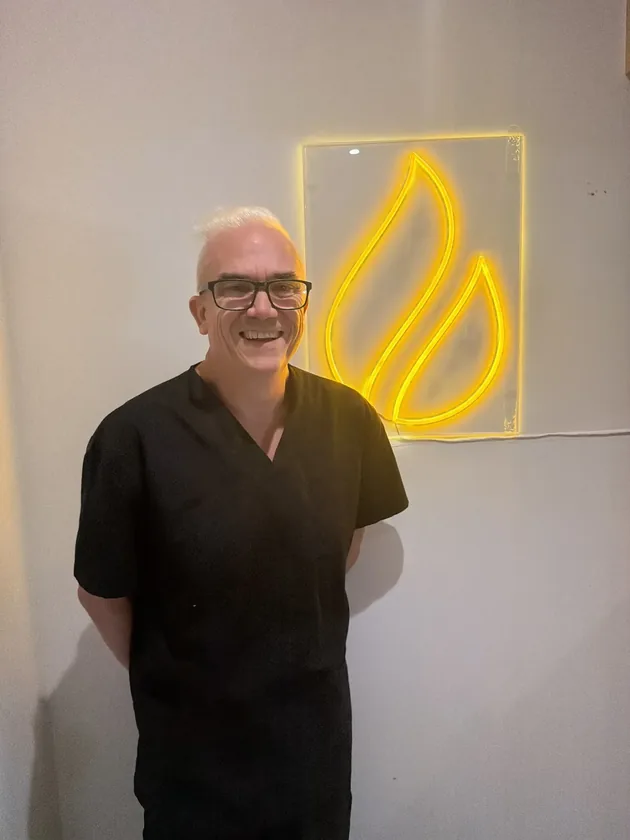
YOUR APPOINTMENT WITH COREY
What will Corey assess if I am worried about looking overdone?
Corey looks at the area you want assessed, how it relates to nearby features and what changes with ordinary movement, such as smiling or raising your eyebrows. He also asks about previous cosmetic care and what you want to keep unchanged. The aim is to explain what could change, what may remain and whether an option fits your preferences.
Your initial consultation in Oakleigh is at no charge and generally lasts 30 minutes. It can remain information only. Suitable treatment can usually be arranged at the end of the consultation after the required clinical arrangements, explained risks, informed consent and agreed itemised costs. If another day is needed, Corey explains why and what happens next.
What if I have already had treatment and it looks too obvious?
Contact the treating clinic and ask for a review. Say what looks or feels different, when treatment happened and whether the change is improving or worsening. Bring any photographs or records you have.
Do not assume that waiting or another procedure will restore your previous appearance. New or worsening symptoms need assessment, not a decision based on appearance alone.
CORE AESTHETICS · OAKLEIGH
Discuss your concerns with Corey
Bring what you would like to change and what you want left alone. Your appointment can remain entirely for information.
View available appointments