
Some discomfort is possible during or after facial volume care. People may notice stinging, pressure or tenderness, but the experience varies by person, area and individual plan. A consultation is the right place to discuss anxiety, available comfort measures, how to pause and the aftercare contact pathway. Unusual, severe or worsening pain, colour change or any visual symptom needs prompt clinical advice.
A more reassuring answer than “yes” or “no”
You are not being difficult if comfort is one of your first questions. Sensation is personal: the area being discussed, your baseline sensitivity, anxiety, previous experiences and the individual plan can all shape how an appointment feels.
Corey cannot promise a painless experience. He can listen to what worries you, explain what you may notice in the context of your assessment, discuss available comfort measures and agree on a simple way for you to pause. You remain in control of whether the conversation goes any further.
What might you notice?
| When | What you might describe | What helps |
|---|---|---|
| Before | Existing pain, altered sensation, skin symptoms, anxiety or a history of feeling faint during health care. | Tell Corey before a plan is discussed so the appointment can move at a pace that works for you. |
| During | Pressure, stinging, tenderness, warmth or a sensation that feels new or suddenly different. | Use plain words, point to the place and ask to pause whenever you need to. |
| After | Tenderness or another change in comfort, together with its location, onset and direction. | Compare it with your written instructions and use the contact pathway if it is unusual or worsening. |
This is a communication guide, not a promise or a way to diagnose a symptom yourself.
Bring the details that help Corey care for you
Tell Corey about pain or altered sensation that already exists, recent dental or facial care, active skin symptoms, illness, allergies, previous cosmetic care and relevant medicines or supplements. If you have felt faint, panicked or needed extra time during health care before, that is useful to share too.
You do not need to arrive with clinical language. A short note about what happened, what helped and what you would like explained is enough to begin. Do not stop prescribed medicine or take extra pain medicine because of general website advice; medicine guidance needs to be individual.
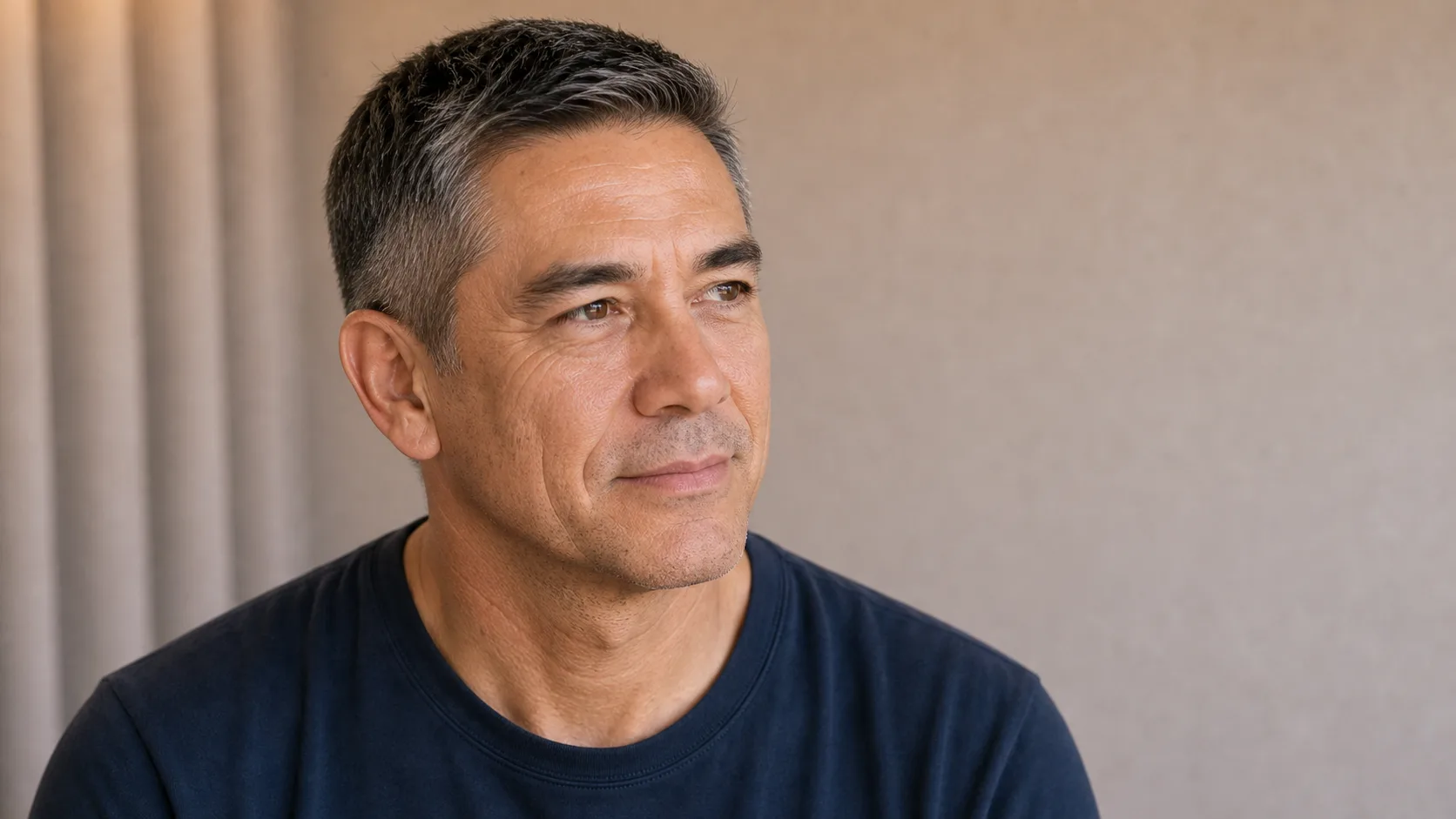
Simple words are useful
You do not need to choose a number on a pain scale if that does not feel meaningful. Place, feeling, timing and direction give Corey a clearer picture: where it is, whether it feels like pressure, stinging or something else, when it began and whether it is easing or increasing.
During an appointment, you can say, “I feel a sharper sensation here and I would like to pause.” Afterwards, add any visible change or other symptom when you contact the clinic. Clear communication matters more than finding perfect words.
You can pause, ask or stop
Consent continues throughout the appointment. You can ask for an explanation, request a pause or decide not to continue.
Understand what is happening
Ask Corey to explain the next step or repeat information in a different way.
Take the time you need
Agree on a simple phrase or signal before any care so you do not need to push through discomfort.
Keep the choice yours
The appointment can remain a conversation, move to another day or end without treatment.
What a useful comfort conversation covers
Corey will ask what concerns you, explain possible sensations for the area and plan under discussion, and talk through comfort measures that may be appropriate. You can also decide how you want information delivered and what pause language feels natural.
Comfort is only one part of the decision. Suitability, material risks, alternatives and aftercare still need their own discussion, but they do not need to crowd out your questions or make the visit feel rushed.

Know when comfort becomes a clinical concern
Use the contact instructions you were given for pain that is unusual, severe, escalating or different from the pattern Corey explained. Seek prompt advice for pain with unusual colour change, mottling or blanching. Treat any visual symptom as urgent.
Fever, spreading redness or feeling systemically unwell also needs clinical advice. This list is not exhaustive and cannot triage an individual; written aftercare should tell you who to contact and when urgent medical care is appropriate.
Leave knowing who to contact
Written aftercare should identify the review pathway, how to contact the clinic, which changes need earlier advice and when urgent care is appropriate. Ask Corey to point out the contact details before you leave so you are not searching for them while worried.
Ahpra’s guidelines also expect the treating practitioner to be available or to have appropriate alternative arrangements for post-procedure care. That continuity is worth checking before you decide whether the appointment timing and return journey work for you.
When a slower plan may feel better
A consultation does not create an obligation to proceed. Waiting can be the more comfortable and responsible choice when:
Something already feels different
Unexplained pain, altered sensation, active skin symptoms or unsettled health deserve assessment first.
You need more time
If anxiety makes it hard to take in information, choose another visit, bring a support person or stop at discussion.
Review access is difficult
An event date or tight travel window is not a reason to compress assessment, consent or aftercare.

What to expect at your visit
Your appointment is a private conversation with Corey, with time to explain what worries you and decide whether you want information only or a fuller assessment.
Corey listens first, reviews your history and explains possible sensations, pause choices, suitability and aftercare. If an option is appropriate after assessment, its material risks and costs are discussed before you decide.
The guidance behind this page
The Australian Commission on Safety and Quality in Health Care’s informed consent guidance describes consent as voluntary and supports asking questions, taking time and arranging another visit before deciding. The Ahpra and National Boards’ non-surgical cosmetic procedure guidelines set expectations for consent, aftercare, escalation and practitioner availability.
The TGA’s public advertising guidance explains why prescription medicine promotion is not part of this public page. These sources support the care process; they do not predict how an individual appointment will feel.
Continue with the question you have now
If you are deciding whether the broader care process feels right, read how facial volume safety is assessed. If you have already had care and want practical monitoring information, use the facial volume aftercare guide. For a current concern, follow your own aftercare instructions and contact the treating service rather than relying on a general page.
General information
This page provides general education for adults. It cannot diagnose pain, predict discomfort or replace individual aftercare, urgent assessment or emergency care. Clinical content reviewed by Corey Anderson RN on 5 September 2026; official source access rechecked on 5 September 2026.
Bring the comfort question with you
You can meet Corey, talk through what worries you and leave with clearer information, whether or not anything goes ahead.
Is this for you?
Consider booking a consultation if
- You are an adult wanting realistic information about discomfort before consultation
- You feel anxious about needles, pain, swelling or bruising and want to discuss this first
- You want to understand expected tenderness versus concerning pain
- You value consent and pacing over pressure to proceed
This may not be for you if
- You need urgent medical care for severe or worsening symptoms
- You want a promise that treatment will have no discomfort
- You do not want to discuss medical history, anxiety or risk factors
- You want treatment despite being unsure about consent
Suitability is confirmed at consultation. This list is general guidance, not a substitute for clinical assessment.
Frequently asked questions
Is facial volume treatment painless?
No universal promise is responsible. People may describe stinging, pressure, tenderness, burning or anxiety, and the experience varies by person, area and plan. Ask what may occur in your proposed pathway and how you can pause.
What should I record if something feels different during care?
Record the place, quality, timing and direction of change. Say whether it is new, sudden or increasing and mention any visible change or other symptom. Ask for a pause rather than trying to diagnose the cause yourself.
Can I withdraw consent after an appointment has started?
Yes. Informed consent is ongoing. You can ask questions, request a pause or withdraw consent before or during care. If you cannot process information because of anxiety or distress, more time or no procedure may be appropriate.
Which pain pattern should prompt earlier contact?
Use your written escalation instructions for unusual, severe, escalating or otherwise concerning pain. Pain with unusual colour change, mottling, blanching or any visual symptom needs prompt assessment. The list is not exhaustive.
What if I have pain before the appointment?
Tell the practitioner where it is, when it began, what changes it and whether altered sensation, skin symptoms, dental issues, illness or previous care are involved. An unexplained baseline may support waiting or another assessment pathway.
Should I take pain medicine before a facial volume procedure?
Do not start extra medicine or stop prescribed medicine because of generic website advice. Discuss medicines, supplements, allergies and comfort concerns with an appropriate clinician so advice is individual and does not create avoidable risk.
What should aftercare say about unusual symptoms?
It should give clear escalation points, the contact route, who is available, what information to provide and when urgent medical care is appropriate. Confirm this pathway before proceeding, especially if travel or after-hours access may be difficult.
Can anxiety be a reason to wait?
Yes. If anxiety prevents a voluntary and informed decision, the appointment can remain a discussion. More time, a support person, another visit or no procedure may be the responsible outcome.
What should I do if severe symptoms are happening now?
Use the clinic and emergency instructions provided to you. If the treating service cannot be reached, symptoms are severe or rapidly worsening, or vision is affected, seek urgent medical care. Do not wait for an online response.
How can I verify the practitioner before relying on advice?
The Core Aesthetics verification page lists Corey Anderson as a Registered Nurse and provides Ahpra registration number NMW0001047575. Check the number on the Ahpra public register and confirm the Oakleigh clinic details.
Clinical references
- Ahpra guidelines for registered health practitioners who perform non surgical cosmetic procedures
- Ahpra guidelines for advertising higher risk non surgical cosmetic procedures
- Ahpra public register of practitioners
- TGA advertising health services involving therapeutic goods
- TGA advertising a health service