Masculine, feminine and balanced facial goals should be treated as patient language for consultation, not as labels placed on a person. Corey Anderson RN assesses anatomy, movement, medical history, privacy needs, suitability, alternatives, risk and consent before deciding whether a suitable option, adjusted timing or another useful next step should be discussed. Cost is discussed after the goal has been clarified, because the wording should not drive the quote.
What Is This Page For?
Masculine, feminine and balanced facial goals should be treated as patient language for consultation, not as labels placed on a person. Corey Anderson RN assesses anatomy, movement, medical history, privacy needs, suitability, alternatives, risk and consent before deciding whether a suitable option, adjusted timing or another useful next step should be discussed.
This page helps adults prepare for a respectful conversation about facial goal language. It does not tell anyone what their face should look like, and it does not imply that gender, sexuality or identity creates a treatment need.
Book a consultation if you want Corey to assess your concerns in person, or read the inclusive consultation pages first if privacy, language or comfort are your main questions.
Why Can Goal Words Be Misunderstood?
Words like masculine, feminine, balanced, soft, strong, neutral or androgynous can mean different things to different people. One patient may use masculine to mean jawline definition. Another may mean less roundness, less tiredness or a profile that feels more aligned with how they see themselves.
The safest consultation does not assume the meaning. Corey should ask what the word means to you, what you want to avoid, what has changed and how much visible change would feel acceptable.
Which Words Need Which Clarification?
The table below turns broad goal words into safer consultation questions. It is not a treatment selector and it does not replace assessment.
| Patient wording | What consultation should clarify | Safer planning question |
|---|---|---|
| More masculine | Whether the patient means stronger structure, less softness, profile balance, jawline context or another feature. | Which features matter to you, and what would feel too visible? |
| More feminine | Whether the patient means softness, facial harmony, lip or cheek proportion, skin quality, expression or a less angular appearance. | Which changes would feel affirming, and which would feel unlike you? |
| Balanced | Whether balanced means subtle, familiar, less tired, less heavy, less sharp or simply more comfortable in photographs. | What are you hoping becomes less distracting? |
| Androgynous or neutral | Whether the patient wants fewer gendered cues, more privacy, restraint or a plan that avoids overcorrection. | Which cues do you want softened, preserved or left alone? |
| I am not sure | Whether the concern is appearance, confidence, dysphoria, ageing, previous treatment, social pressure or comparison fatigue. | What prompted the consultation, and what would make waiting safer? |
Why Should Identity Not Decide The Plan?
Identity can be relevant to comfort, privacy, communication and goals, but it should not be used as a shortcut for treatment planning. A person who uses feminine language may still want restraint. A person who uses masculine language may not want sharpness. A non binary person may want balance, softness, structure, no change or time to decide.
The plan should come from the patient’s stated concern, clinical assessment and informed consent, not from stereotypes about gender expression.
How Does Assessment Protect The Patient?
Assessment checks whether the requested direction is realistic for the individual face and whether cosmetic treatment is appropriate at all. Corey considers facial proportions, movement, medical history, previous treatment, skin quality, dental or medical context where relevant, consent readiness and review access.
If treatment is discussed, the explanation should include limits, uncertainty, alternatives, waiting and a staged assessment plan. If the concern sits outside cosmetic scope or raises medical, dental or mental health concerns, another pathway may be more appropriate.
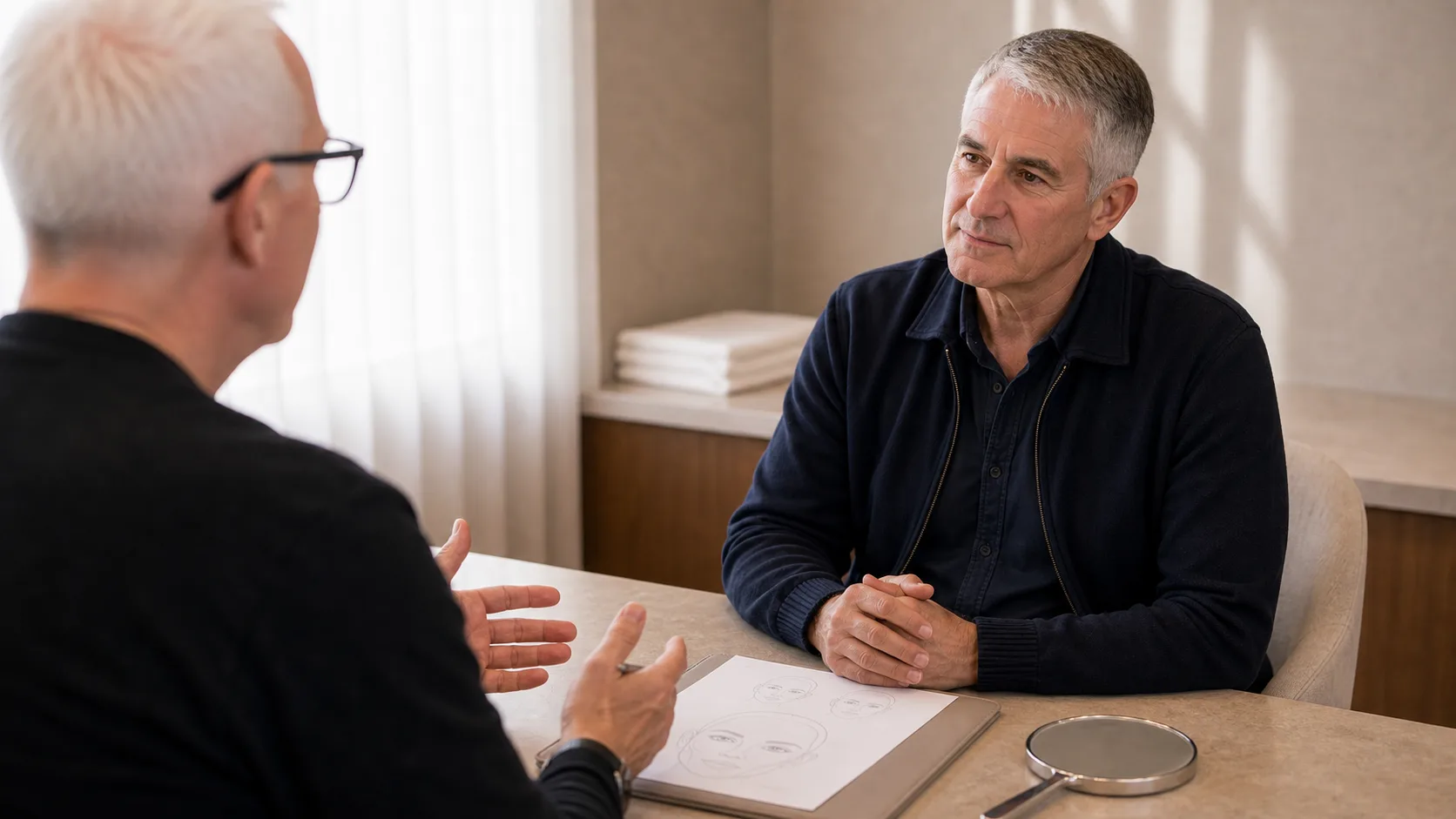
What If Goal Words Conflict?
Goal words can conflict. A patient may want softness but not roundness, strength but not sharpness, balance but not visible change, or a more affirmed appearance without losing familiar features. Those conflicts are useful because they show where the real boundary sits.
Corey can help translate those boundaries into consultation language: what should be assessed, what should be avoided, what would be too much and when waiting would be safer than proceeding.
How Do Privacy And Consent Fit In?
Patients should be able to state what they want discussed, what language they prefer and whether gender identity or sexuality is relevant to the appointment. No one should need to disclose more than is clinically or personally useful for the consultation.
Consent should be calm and specific. That includes what is being assessed, what alternatives exist, what risks apply, whether an option discussion is appropriate and whether a staged assessment plan is the safest recommendation.
Read the privacy and consent guide if appointment comfort is your first concern.
When Might a staged assessment plan Be The Right Answer?
a staged assessment plan may be appropriate when the requested change is not realistic, risk is high, consent is uncertain, expectations are shaped by pressure, the concern is outside cosmetic scope or the patient needs more time. A consultation can still be useful because it can clarify why adjusted timing, review with another health professional or another pathway is safer.
Read when cosmetic treatment may not be the right step for a broader explanation.
Which Pages Should You Read Next?
Use the next page according to the language problem you are trying to solve. For broader topic planning, read LGBTQIA+ aesthetic consultation topics. For patient-specific assessment questions, continue with trans and gender diverse cosmetic consultation, non-binary and androgynous facial assessment and gender affirming facial assessment.
For safety and verification, read privacy, consent and comfort, when treatment may not be the right step, treatment suitability assessment and Verify Core Aesthetics.
Verification And Clinic Details
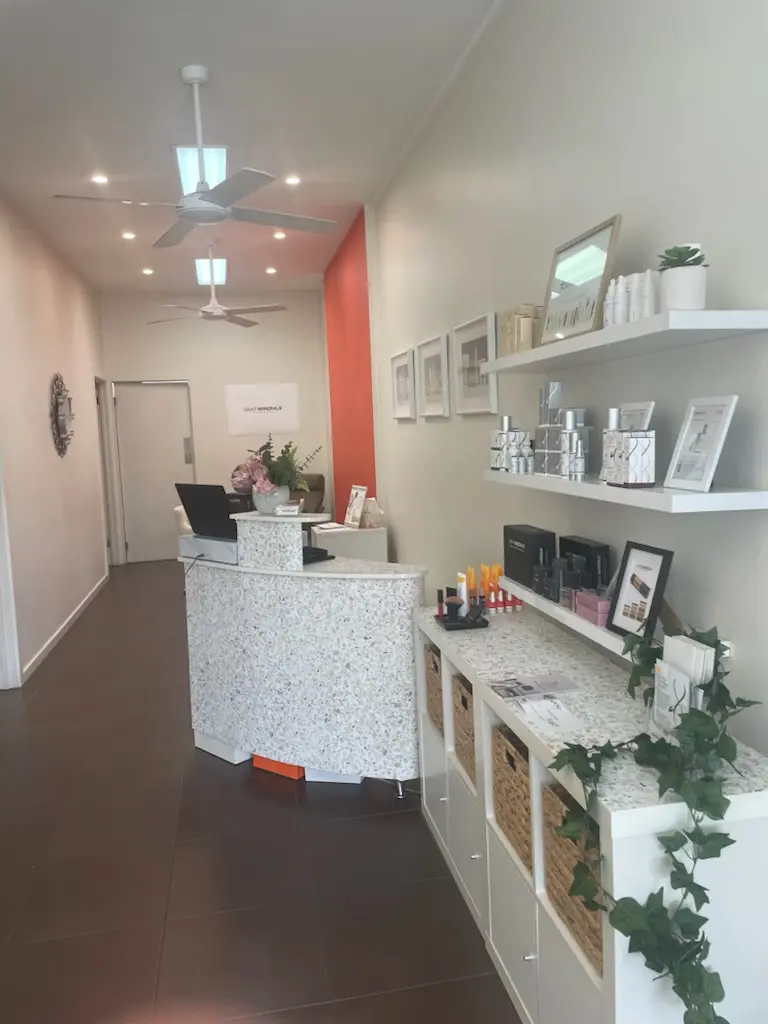
Core Aesthetics is located at 12A Atherton Road, Oakleigh VIC 3166. Consultations are led by Corey Anderson RN, Ahpra registration NMW0001047575. Patients can confirm clinic and practitioner details on the Verify Core Aesthetics page before booking.
This page was reviewed on 2026-09-01. The purpose is to help a patient explain their language safely, not to promise a predefined visual outcome.
Book A Respectful Facial Goals Consultation
Book a consultation if you want Corey to assess your concerns in person. Booking is for patient-led assessment, language clarification and consent discussion. It keeps the next step grounded in assessment or inevitable.
Is this for you?
Consider booking a consultation if
- Adults wanting respectful language for masculine, feminine, balanced, neutral or androgynous facial goals
- Patients who want assessment before deciding whether any cosmetic pathway is appropriate
- Patients who want privacy, consent boundaries and realistic limits discussed clearly
- Patients who understand that consultation may lead to timing or another clinically appropriate pathway
This may not be for you if
- People expecting identity to determine a treatment plan
- People seeking an assured appearance change
- People with urgent medical, dental, infection, acute distress or rapidly changing symptoms that need another support pathway first
- People who are not ready to consider timing or another clinically appropriate pathway if that is safer
Suitability is confirmed at consultation. This list is general guidance, not a substitute for clinical assessment.
Frequently asked questions
Are masculine and feminine facial goals only for trans patients?
No. Any adult may use words such as masculine, feminine, softer, stronger, balanced or neutral to describe facial goals. These words should be treated as patient language for discussion, not as labels Corey places on a person or assumptions about identity.
Can balanced mean very subtle?
Yes. Balanced can mean restrained, proportionate, familiar, softer, stronger or simply less distracting to the patient. It should not mean invisible or dramatic by default. The consultation should clarify what the word means to that person before any treatment pathway is discussed.
Can Corey tell me which goal suits me?
Corey can assess facial structure, movement, medical history, risk and suitability, and can explain what may or may not be realistic. The goal should still be discussed with your preferences, boundaries and consent in mind rather than being assigned to you.
Can I bring reference photos?
Reference photos can help explain language, but they should not become a promise or a template. Your anatomy, health history, natural proportions, facial movement and comfort with visible change matter more than another person’s face or a trend image.
What if my goal is not realistic?
Corey may slow the discussion, recommend waiting, suggest another pathway, refer where appropriate or advise against treatment if the goal cannot be pursued safely or realistically. A clear recommendation to take a staged assessment plan can be the safest outcome of consultation.
Does facial balance always involve treatment?
No. Facial balance begins with what you notice and what the assessment finds. Your consultation can clarify suitable options, practical timing and an agreed plan without assuming one pathway in advance.
How is gender expression handled in consultation?
Gender expression should be discussed respectfully and only as far as the patient wants it included. The consultation should focus on the language, facial features, privacy needs, consent boundaries and clinical limits relevant to that person, not on stereotypes.
How can I verify the clinic before booking?
Core Aesthetics lists Corey Anderson as a Registered Nurse with Ahpra registration NMW0001047575. Patients can use the Verify Core Aesthetics page, clinic contact details and the Ahpra public register before booking or relying on clinic information.
Clinical references
- Ahpra guidelines for registered health practitioners who perform non-surgical cosmetic procedures
- Ahpra guidelines for advertising higher risk non-surgical cosmetic procedures
- Ahpra public register of practitioners
- TGA advertising health services and cosmetic injections FAQ
- TGA advertising health services that involve therapeutic goods