A responsible non-surgical jawline definition consultation should assess the jawline border, chin support, jaw muscle contribution, jowls, neck transition, skin quality, previous treatment, medical history, expectations, risks and suitability before any plan is discussed. Corey Anderson RN may recommend treatment discussion, adjusted timing, review with another health professional, surgical opinion or no treatment after assessment.
What Can A Non Surgical Assessment Clarify?
It can locate whether the concern begins at the chin, pre jowl area, side border, jaw angle or neck transition and identify skin, muscle, support, dental context or previous care that may influence the view.
It cannot promise a sharper border, reproduce surgery or confirm a pathway without examining the person. The useful result is a clearer source, a realistic limit and the safest next route.
Where Does This Fit?
This page sits before jawline treatment, chin, jowl and jaw-muscle guides. Use it when your main question is whether the lower-face concern belongs in a non surgical consultation at all.
Jawline concerns often overlap with chin support, jowl change, skin laxity, neck transition or previous treatment history. A careful assessment should separate those issues before any technique discussion begins.
Use The Four Zone Hub For Location
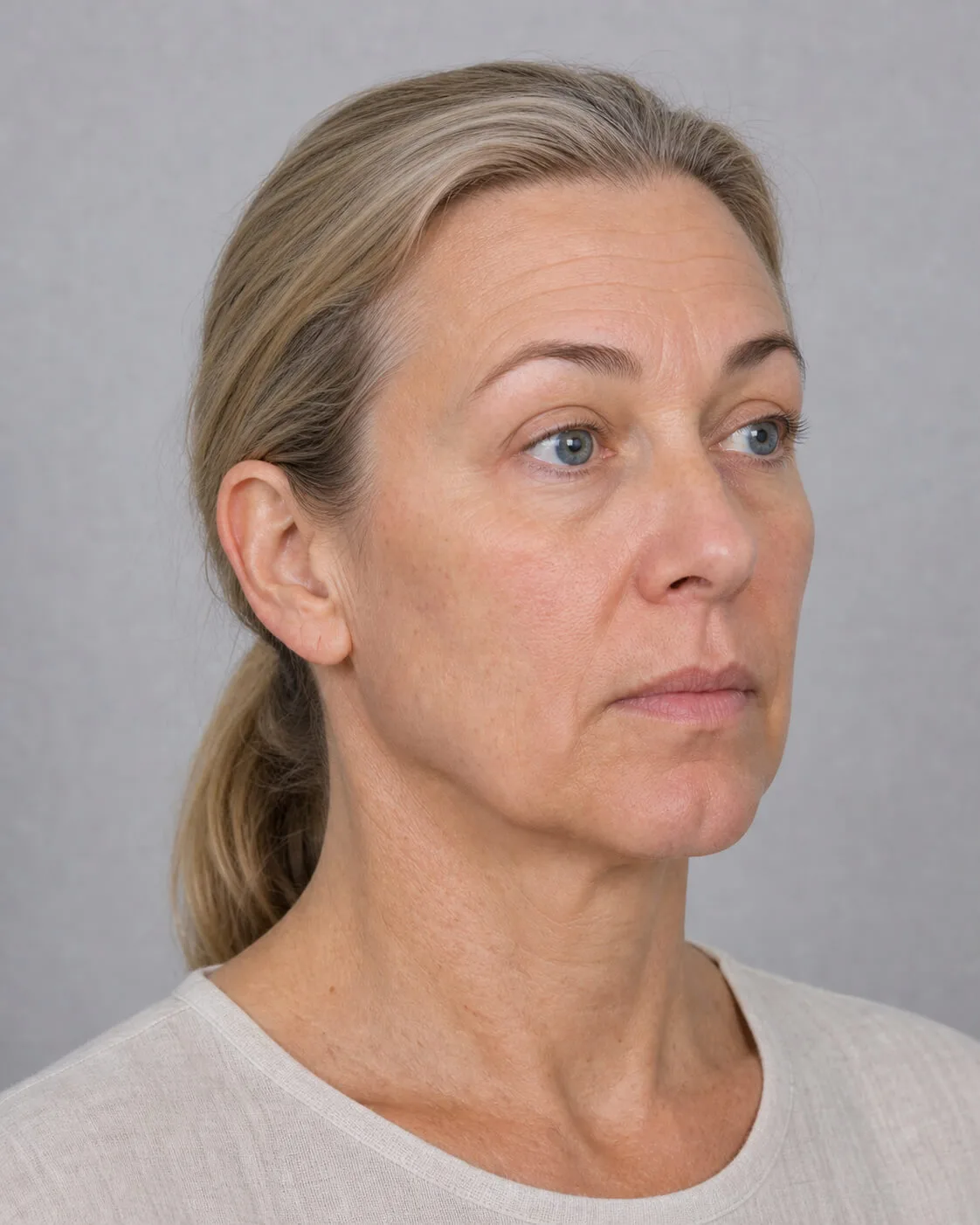
The jawline treatment Melbourne hub maps the chin, pre jowl area, side border and jaw angle in the wider lower face. Use that page when the first question is where the concern sits.
Stay on this page when the question is whether a non surgical assessment can clarify the concern, what it cannot promise and when a dental, medical, skin or surgical route belongs first.
Which Limits Change The First Door?
The boundary matters more than choosing a treatment name.
| What is present | Why it changes the route | Useful first action |
|---|---|---|
| Significant loose skin or a surgical level goal | A non surgical discussion cannot reproduce surgery or resolve every laxity concern. | Ask whether surgical opinion or no cosmetic care is more relevant. |
| Pain, dental symptoms, sudden asymmetry or unexplained swelling | The concern may not belong to routine cosmetic assessment. | Use the relevant dental or medical service first. |
| Previous care that has not settled or cannot be confirmed | Timing, tissue behaviour and the original plan remain unclear. | Bring records, wait for settling or seek review from the responsible service. |
| A goal based on copying another face | Reference images do not establish what is realistic for individual anatomy. | Return to the feature, view and limit you want Corey to assess. |
Which Question Tests The Boundary?
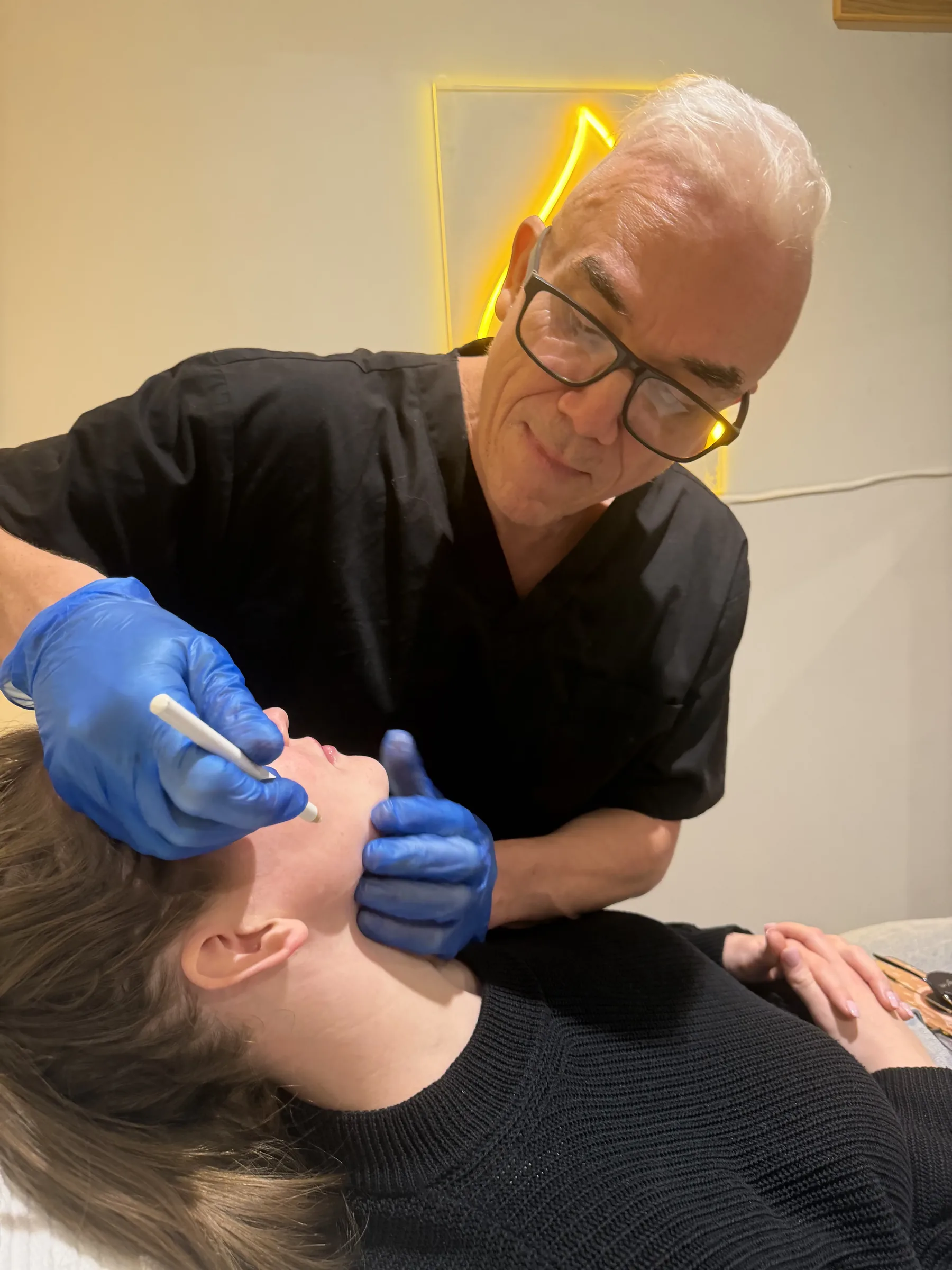
Ask Corey which structure or context seems to lead the concern, what remains uncertain and what a non surgical pathway cannot change. Then ask what finding would move the question to dental, medical, skin or surgical care.
This keeps the appointment focused on the boundary between a useful cosmetic discussion and a route that better matches the concern.

When Is Another Route More Relevant?
Significant loose skin, a surgical level goal, pain, dental symptoms, sudden asymmetry, unexplained swelling or an unsettled previous procedure can change the first door. The useful outcome may be surgical opinion, dental or medical assessment, records, observation, or no cosmetic care.
Another route is not a failed cosmetic appointment. It is a clearer match between the concern and the service needed to assess it.
What Can This Pathway Not Promise?
Public information cannot promise a sharper jawline, copy another person’s face, reproduce surgery or confirm that a cosmetic option is suitable. Anatomy, skin, movement, previous care, timing and risk can all change what is reasonable to discuss.
If an option is suitable to discuss after assessment, consent must still cover material risks, alternatives, costs, review planning and the option of doing nothing.
How Are Costs Discussed?
Cost should be discussed only after Corey has assessed what part of the lower face is actually driving the concern and whether non surgical discussion is appropriate. Pricing can change if the safer advice is education only, staged planning, referral, review of previous treatment or no cosmetic treatment.
Use the pricing guide as general context, then confirm what applies during consultation. Price should not decide whether a jawline discussion is clinically appropriate.
What Should This Article Help You Decide?
A non surgical jawline consultation becomes more useful when it separates the visible concern from the safest next step.
| Decision area | What to clarify | Why it matters |
|---|---|---|
| Source of the concern | Whether the main issue is jawline border, chin support, jowls, jaw muscle, neck transition or skin quality. | Technique should follow the actual problem, not a guessed solution. |
| Angle and balance | Describe what bothers you from the front, side and three-quarter view. | Lower-face definition changes depending on angle and proportion. |
| History and timing | Bring prior treatment dates, dental timing, medicines, symptoms and upcoming events. | Timing and history can change whether waiting is safer. |
| Next step | Ask whether treatment discussion, staged planning, timing or another clinically appropriate pathway is the better pathway. | Suitability is the decision, not the booking itself. |
Why Is This A Consultation Question?
Non Surgical jawline definition is a consultation question because a page cannot assess chin support, jowls, movement, skin behaviour, neck transition, previous treatment response or the way your expectations are framed.
Corey uses the appointment to decide what information is reliable, what still needs review and whether options that fit, revised timing or a lower-face assessment plan is the safer next step.
What Details Can Change The Advice?
Details that can change the advice include medicines, allergies, medical history, recent dental work, clenching symptoms, skin changes, prior treatment dates, swelling patterns, event timing, travel and review access.
Write down what worries you, what angles trouble you most, what you want to avoid and what would make you prefer to wait. Missing information can change the safest advice, even when the concern seems straightforward.
How Should You Start?
If your main question is whether a lower-face concern should move into non surgical discussion, start with a consultation rather than choosing a technique online. Corey Anderson RN can assess chin support, jowls, jaw muscle, risks, costs, consent and whether timing or another clinically appropriate pathway is the right next step.
You can book a consultation, review jawline treatment information, or check Corey’s registration and clinic details before deciding whether to attend.
Common Questions
What should a jawline definition consultation assess?
A responsible consultation should assess the jawline border, chin support, jaw muscle contribution, skin quality, jowl change, cheek support, neck transition, previous treatment, medical history, timing, expectations and risks before treatment discussion. The assessment should also make room for timing or another clinically appropriate pathway.
Is non surgical jawline definition suitable for everyone?
No. Suitability depends on anatomy, skin laxity, lower-face structure, previous treatment, medical history, expectations, timing and risk tolerance. Some patients may be better suited to chin assessment, jaw muscle assessment, skin-focused care, surgical opinion, timing or another clinically appropriate pathway.
Can non surgical treatment create a sharper jawline?
Some adults may be suitable for discussion of non surgical lower-face support, but public information should not promise a sharper jawline. The visible effect depends on anatomy, skin quality, movement, previous treatment, swelling, settling and whether the plan is clinically appropriate.
How is jawline definition different from jowl treatment?
Jawline definition usually focuses on the lower-face border and its relationship to the chin and neck. Jowl concerns often involve soft tissue position and skin laxity around that border. They overlap, but consultation should separate structure, skin quality, chin support and tissue movement.
Why does chin support matter for jawline consultation?
The chin can influence how the lower face reads from the front and side. If chin support, lower-lip relationship or facial proportion is the main issue, a jawline-only plan may miss the concern. Corey may discuss chin, jawline or broader lower-face assessment instead.
Can a jawline-definition assessment lead to discussion of suitable options?
Occasionally, discussion of suitable options may be possible, but it is only considered after clinical assessment, informed consent, risk discussion, patient readiness and timing show that proceeding is appropriate. It is not automatic and The consultation is designed to clarify suitable options, timing and the next step.
What if I have had jawline or chin treatment elsewhere?
Bring treatment dates, clinic details, photographs and records if available. Previous treatment can affect tissue behaviour, symmetry, swelling, firmness, migration concern, expectations and suitability. Corey may recommend waiting, reviewing records, correction assessment, original clinic review or no additional treatment.
What risks and limits are discussed?
Risk discussion may include swelling, bruising, tenderness, asymmetry, heaviness, visible irregularity, dissatisfaction, infection, delayed settling, rare urgent complications, aftercare and review timing. Limits are equally important, including when non surgical planning cannot address skin laxity, dental structure or surgical-level concerns.
How should I use reference photos?
Reference photos can help explain what you notice, but they should not become a target to copy. Angles, lighting, editing, expression, weight, genetics and previous procedures can all mislead. Corey uses references as communication aids while still assessing your own anatomy.
When might Corey recommend no treatment?
Corey may recommend no treatment if the concern is not suitable, timing is poor, expectations are unrealistic, previous treatment has not settled, medical review is needed, risk outweighs likely benefit or the concern is better addressed by another pathway. No treatment can be a protective answer.
How should I prepare for a jawline consultation?
Bring current medicines, allergies, relevant medical history, previous cosmetic treatment records, recent dental or skin procedure details, event timing and questions about risks or limits. It helps to describe what bothers you from the front, side and in photos, and what you want to avoid.
Where is Core Aesthetics and how can I verify Corey?
Core Aesthetics is at 12A Atherton Road, Oakleigh VIC 3166. Phone 0491 706 705. Corey Anderson RN lists Ahpra registration NMW0001047575. Before booking or attending, match the clinic details on the contact and verification pages, then confirm Corey’s current registration independently on the Ahpra public register.
Is this for you?
Consider booking a consultation if
- You are an adult comparing jawline, chin, jowl or jaw muscle consultation options
- You want assessment before deciding whether treatment discussion is appropriate
- You have previous lower face treatment records or concerns that need review
- You want conservative, consultation led planning rather than a fixed treatment request
This may not be for you if
- You want treatment without assessment, consent or risk discussion
- You need urgent medical or dental advice for severe or rapidly changing symptoms
- You want surgical level change without surgical opinion
- You want a specific visible change promised before assessment
Suitability is confirmed at consultation. This list is general guidance, not a substitute for clinical assessment.