
NECK BANDS CONSULTATION · OAKLEIGH, MELBOURNE
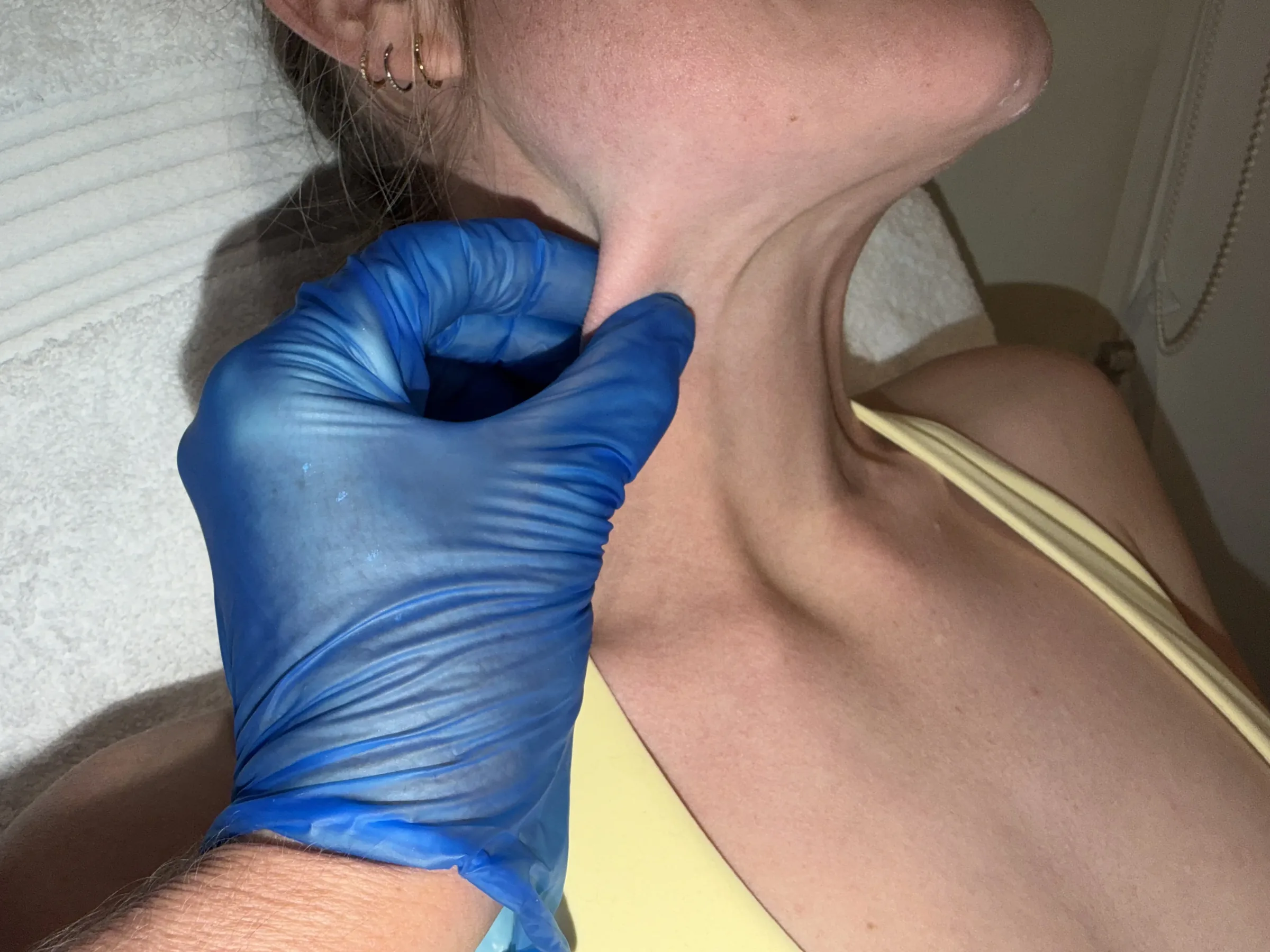
Vertical neck bands at rest or in movement.
Vertical neck bands are the cords that can show beneath the skin when a thin neck muscle, the platysma, contracts; this platysma anatomy review explains the structure. Some appear only when you speak or tense your neck; others remain visible at rest. They differ from horizontal skin creases, loose skin and fullness under the chin, even when these occur together.
Initial consultation at no charge. Generally 30 minutes. No pressure to proceed.
WHAT VERTICAL NECK BANDS LOOK LIKE
NECK BANDS QUESTIONS
What are vertical neck bands?
They are raised, cordlike features linked to the platysma, a thin muscle just beneath the skin of the neck. Its edges can become more prominent when it contracts. A band running down the neck is different from a crease running across it; both may be visible on the same neck.
Why do my neck bands show more when I talk, smile or tense my neck?
The platysma takes part in lower-face expression as well as neck movement. Its activity can make the band stand out more during one expression than another. Comparing your relaxed neck with ordinary speech and a comfortable smile shows which movements bring it out. There is no need to force a grimace or strain your neck for the assessment.
What if the bands are visible when my neck is relaxed?
A band that remains visible at rest may involve the way the muscle and surrounding tissue are attached, together with looser overlying skin and soft tissue. It is not necessarily just a muscle contracting too strongly. This matters because an approach suited to a band seen only during movement may leave the resting contour unchanged.
Why have I suddenly noticed bands in my neck?
A video, a different head position or a change in lighting can make an existing band easier to notice. Changes in skin or weight can also alter how the neck looks. But a genuinely new lump, swelling, pain or rapid change should not be dismissed as ageing or a muscle band. Have that checked by a doctor first, especially if your voice, swallowing or breathing has changed.
Are horizontal neck lines the same as vertical neck bands?
No. A horizontal line or fold runs across the neck, while a vertical band runs up and down and often changes as the platysma moves. The two can occur together, and skin texture can add another visible feature. An option discussed for a moving vertical band cannot be assumed to change a horizontal crease.
What if loose skin or fullness under my chin is my main concern?
Changing a muscle band will not remove extra skin or fullness beneath the chin. These are separate features, even when they sit beside a visible band. Corey checks which one accounts for the change you want addressed. If your goal would require removing loose skin or a substantial change in neck contour, an assessment by an appropriately qualified surgeon may be more relevant. That is an option to discuss, not a recommendation that everyone needs surgery.
Can vertical neck bands be made less noticeable?
They sometimes can, depending on what is making them prominent. A cord seen during movement, a contour present at rest and loose skin are different concerns. Improving one does not necessarily improve the others, and complete removal is not a realistic promise. Corey explains which options may help your particular concern, their limits and risks after examining your neck.
Will a neck cream get rid of the bands?
A moisturiser may make dry skin and some fine lines look less noticeable, but that is different from changing a muscle band beneath the skin. Firming creams should not be expected to lift loose neck skin or remove vertical cords. If you also have dryness or rough texture, bring your current products so that skin care and the band itself can be discussed separately.
What if the bands changed after previous cosmetic or neck care?
Bring the dates, areas treated and any records you have, and explain what changed and when. Previous care may affect both appearance and movement, so more treatment is not automatically the next step. If the details are unknown, say so. Corey may recommend allowing more time, obtaining records, returning to the original clinician or seeking medical review before considering anything further.
YOUR APPOINTMENT
What happens at a neck bands consultation?
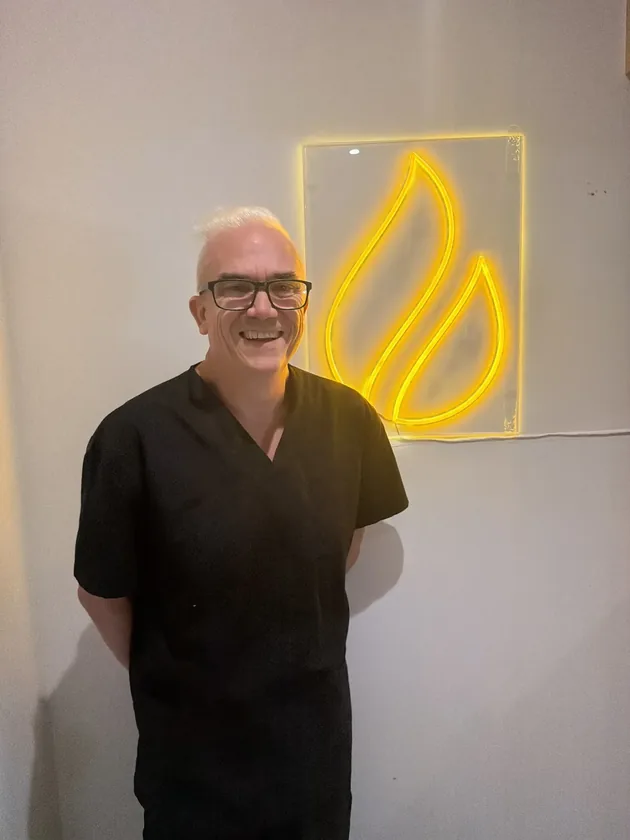
Your initial consultation with Corey Anderson RN is at no charge and generally takes 30 minutes at 12A Atherton Road, Oakleigh. He compares the front and sides of your neck at rest, during ordinary speech and with comfortable movement. He checks bands, skin creases, loose skin and fullness separately, alongside your health, medicines and previous care. Suitable options, practical limits, risks, recovery and review are explained. Itemised costs are explained and agreed before treatment.
What happens if I want treatment that day?
Treatment can usually be arranged at the end of your consultation. It can proceed once Corey confirms it is suitable for you, the required clinical arrangements are complete, you have given informed consent and costs are agreed. Neck symptoms, previous care or a need for another clinical opinion may mean treatment should wait. If another day is needed, Corey explains why and what happens next. You can leave with information only, with no pressure or obligation.
What should I bring or mention?
Bring your medicine and supplement list, relevant health history and details of previous facial, neck, dental, medical or cosmetic care. Mention allergies, pregnancy or breastfeeding where relevant, and any neck pain, swelling, lump, voice, swallowing, breathing or movement change. An ordinary unfiltered photo or short video can help if the band is intermittent, but it is optional. Do not stop prescribed medicines unless your treating clinician advises it.
When should I book around travel, events or other care?
For an event, book the consultation around 2 to 3 weeks beforehand as a starting point, and mention travel or other planned care. Any treatment, recovery, review or further medical assessment may need longer. If you cannot find a suitable appointment, call or message the clinic to discuss timing. The consultation can remain information only; an event date does not make a procedure suitable or promise that you will be ready.
Is this appointment suitable for you?
Visible neck bands do not mean treatment is needed. Advice may include observation, allowing more time after previous care, obtaining records, addressing skin or under-chin contour separately, seeking medical assessment, considering another clinical opinion, or leaving normal movement alone.
Before agreeing to any procedure, ask about its expected short-term effects, possible unwanted changes to neck or lower-face movement, smile, speech or swallowing, serious complications, aftercare and access to review. Those risks depend on the procedure and your health history.
CORE AESTHETICS · OAKLEIGH
Book a neck bands
consultation.
Book a neck bands consultationHave a booking question? Message us on WhatsApp Find us in Oakleigh.
Core Aesthetics12A Atherton Road
Oakleigh VIC 3166Get directions
No pressure. No obligation.
You can use the whole appointment for information and leave without treatment.