Tear trough suitability depends on more than whether a hollow is visible. Active or changing swelling, eye symptoms, unclear previous care, skin or colour concerns, individual anatomy and difficulty arranging review can change the advice. Corey Anderson RN assesses those factors before discussing suitable options, whether more information is needed or whether another clinical pathway should come first.
Suitability Is A Decision About Your Circumstances
Tear trough suitability depends on more than whether a hollow is visible. Active or changing swelling, eye symptoms, unclear previous care, skin or colour concerns, individual anatomy and difficulty arranging review can change the advice. Corey Anderson RN assesses those factors before discussing suitable options, whether more information is needed or whether another clinical pathway should come first.
The main tear trough consultation page explains what may contribute to an under eye shadow. This page focuses on the decision that follows: whether the available information supports a cosmetic discussion and what might change that decision.
Why A Visible Hollow May Not Be The Main Question
A hollow can sit beside puffiness, and a dark area can involve colour or skin quality as well as a groove. If the visible concern and the proposed explanation do not match, the next step is to clarify the explanation.
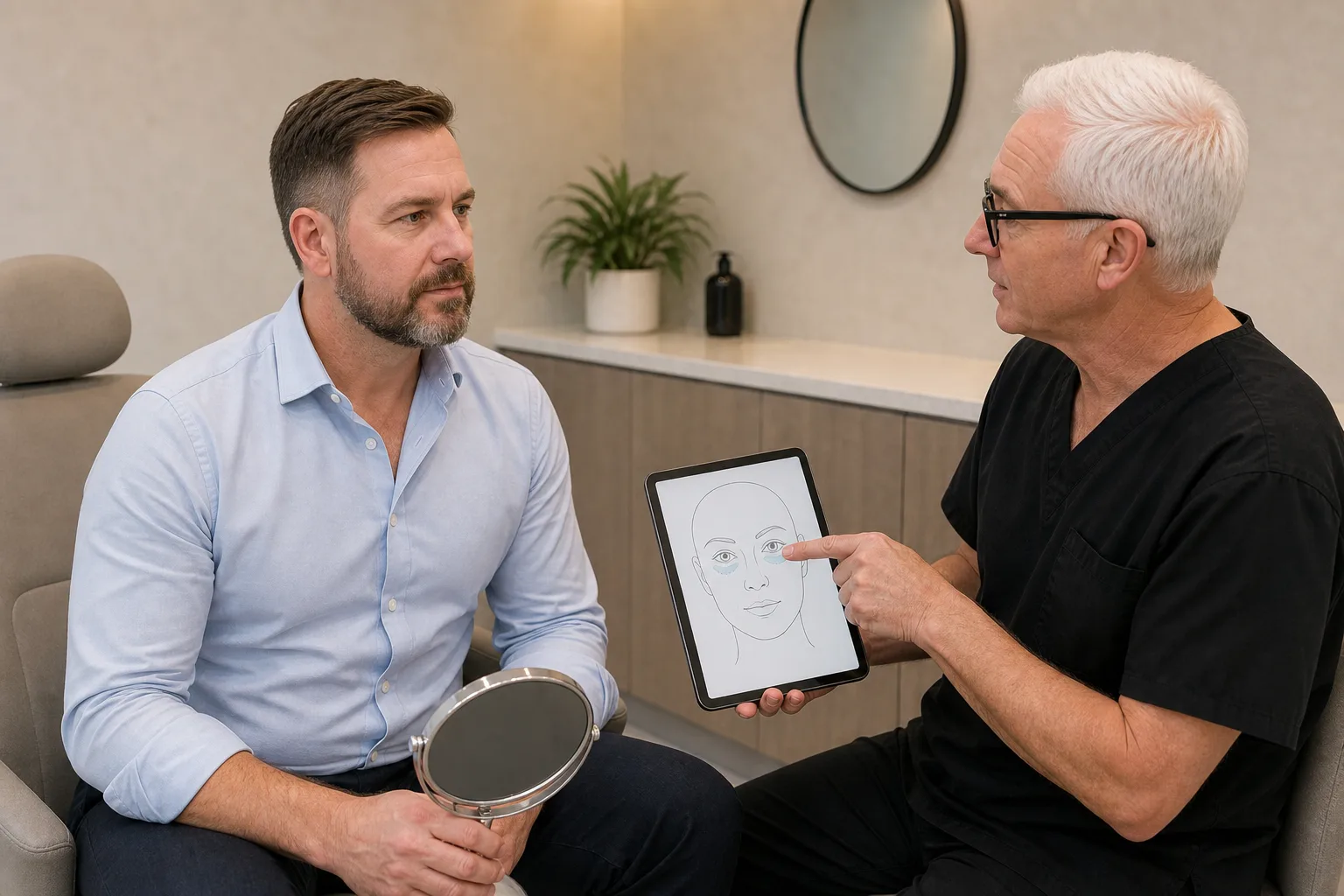
For example, a concern that varies markedly through the day needs that pattern considered. A concern mainly about surface colour should not be assumed to have the same pathway as a structural groove. Corey examines the lower eyelid and cheek together and explains which observations matter to your question. The tear trough anatomy guide explains those terms.
Four Reasons The Next Step May Change
| Reason | What needs clarification | How it can change the discussion |
|---|---|---|
| The area is changing | Swelling pattern, discomfort, eye or skin symptoms and whether the change is recent. | Medical assessment or time to understand a change may come before elective cosmetic planning. |
| The history is incomplete | Earlier care, dates, reactions and available records. | Records review may be needed before a new intervention is considered. |
| The expected change does not fit the concern | What an option could address and which aspects would remain. | The recommendation may shift to a different clinical pathway or no cosmetic care. |
| Review is impractical | Travel, an imminent event and access to the responsible practitioner. | Timing may need to change even if an option could otherwise be discussed. |
These are reasons to ask a more precise question. They are not an online eligibility test or a list that can confirm suitability.
How Previous Under Eye Care Changes The Assessment
Tell Corey what was done, approximately when, where you attended and what changed afterwards. Bring original records where available, including review advice. If a detail is uncertain, identify it as uncertain rather than choosing a likely answer.
A new concern after earlier care needs to be understood in its own context. Adding another intervention before the existing change has been assessed can leave the underlying question unresolved. Use the guide to concerns after previous under eye care when that is your starting point.

When Symptoms Take Priority
New pain, visual symptoms, sudden or changing swelling, active irritation or an unexplained difference between the eyes may need medical assessment before cosmetic planning. A routine appointment cannot replace urgent care.
Sudden visual change, severe or increasing pain, rapidly worsening swelling or marked skin colour change after recent care require immediate medical assessment. If symptoms are serious or life threatening, call 000. Do not wait for a routine clinic reply. The urgent help guide explains the contact pathway.
What If The Expected Change Is Too Broad?
Ask which part of the concern a proposed option would address. A discussion about a groove may leave questions about puffiness, pigment, skin texture or surrounding cheek support. The explanation should include what is likely to remain uncertain or unchanged.
You may decide that the possible benefit does not justify the risks, cost or follow up. Corey may also recommend against proceeding when the expected benefit is limited or the concern is outside scope. Read tear trough versus cheek assessment if the boundary between those areas is your main uncertainty.
Why Review Access Is Part Of Suitability
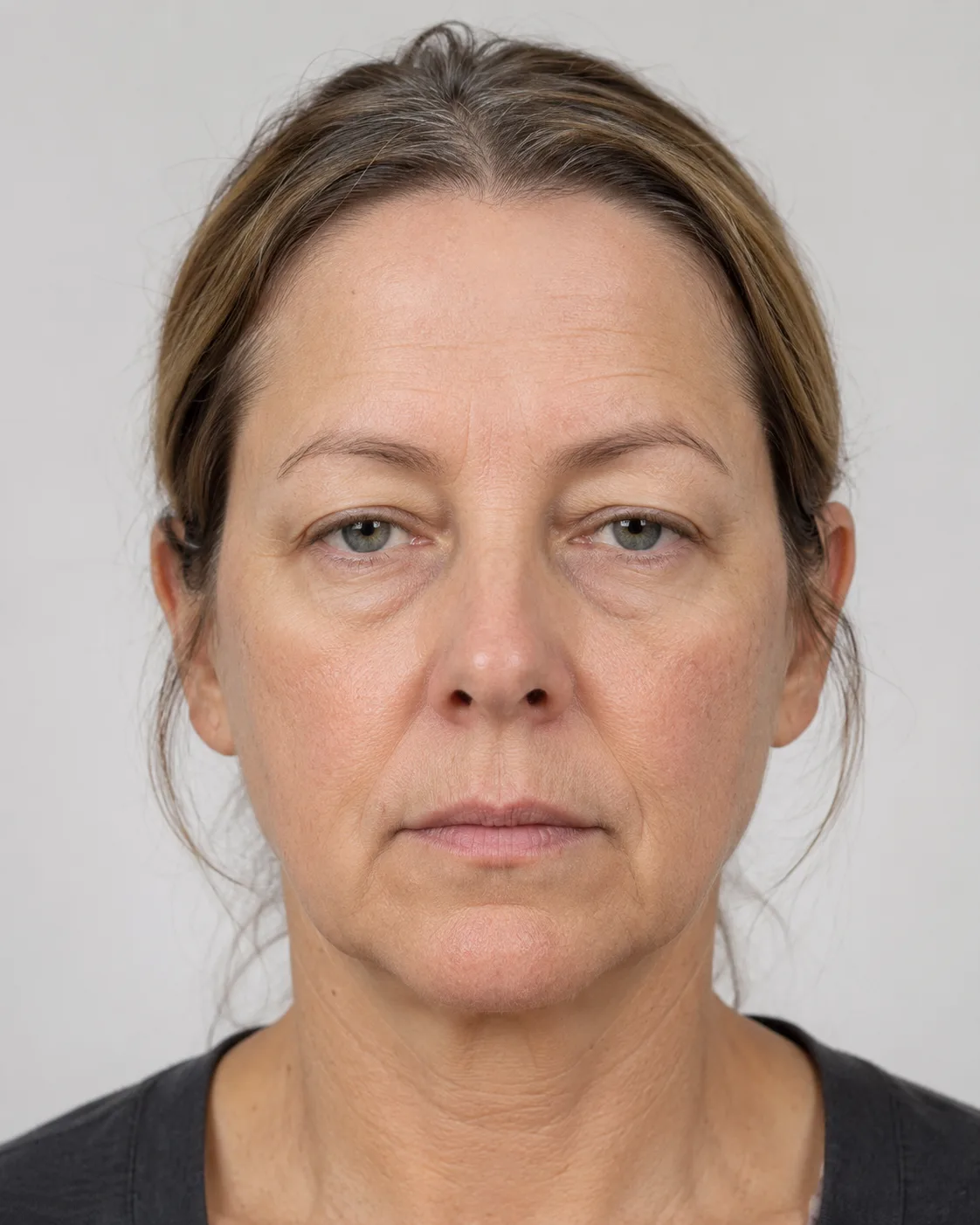
Before any care decision, clarify how questions will be answered, who is responsible for review and what to do if a concerning change occurs. Travel or an event can make those arrangements harder, even when an appointment itself is available.
Risks discussed for an under eye option may include swelling, bruising, tenderness, asymmetry, visible irregularity, prolonged puffiness, colour change, dissatisfaction and rare serious complications. Ask which risks apply to your circumstances and what response each would require. The under eye aftercare guide is general context; your individual instructions take priority.
What Should A Changed Plan Explain?
You should understand the reason for the recommendation and what, if anything, could make the decision clearer. A request for earlier records has a different purpose from advice to seek eye or medical review. Waiting for a changing presentation to settle is different from deciding that a cosmetic option is unlikely to fit.
Suitable care may be discussed when assessment and informed consent support it. A consultation can also end with information or a different next step. The consent guide explains your choice to ask questions, take time or decline.
Discuss The Reason Behind Your Suitability Question
Corey Anderson RN assesses under eye concerns at Core Aesthetics, 12A Atherton Road, Oakleigh VIC 3166. He is a Registered Nurse, Ahpra registration NMW0001047575. Verify the practitioner and clinic or contact the clinic about practical appointment questions.
If a stable under eye concern is suitable for a routine assessment, book a consultation. Bring the question you need answered and any relevant history, without assuming that a particular option must follow.
Professional Guidance And Limits
Ahpra’s cosmetic procedure guidance requires practitioners to work within scope, assess the individual and discuss risks, alternatives and consent. It does not establish any person’s suitability from a webpage.
This is general information for adults. It cannot diagnose an eye or skin condition, assess urgency online or confirm that cosmetic care is appropriate. Personal advice requires assessment by the relevant qualified practitioner.
Is this for you?
Consider booking a consultation if
- You are an adult patient wanting to know if tear trough treatment planning is suitable
- You want risks, alternatives and exclusion factors discussed honestly
- You understand suitability cannot be decided online
- You are open to timing or another clinically appropriate pathway where appropriate
This may not be for you if
- You want a promised under-eye result before assessment
- You want treatment without discussing risk, consent and alternatives
- You have an urgent eye, skin or medical concern that needs medical review first
- You are seeking advice for someone who cannot provide informed consent for elective cosmetic care
Suitability is confirmed at consultation. This list is general guidance, not a substitute for clinical assessment.
Frequently asked questions
What can make tear trough treatment unsuitable?
The concern may be mainly puffiness, colour, skin or another issue rather than a hollow. Symptoms, changing swelling, previous care, relevant health factors, expectations and review access can also change the decision. Corey assesses these individually; the presence of a groove alone does not establish suitability.
Does puffiness mean I cannot have an under eye consultation?
Puffiness is a reason to clarify the cause and pattern, not to decide the answer from a page. Tell Corey whether it is new, changing, uncomfortable or different through the day. Eye symptoms or unexplained swelling may need medical review before elective cosmetic planning.
Why might previous treatment records be needed?
The earlier date, area, care provided and response may affect what can be concluded about a current concern. Original records can help separate known facts from memory. If something is missing, say so; the appropriate next step may be obtaining information before another intervention is considered.
Can a photograph confirm tear trough suitability?
No. A photograph cannot establish the cause of swelling or darkness, check relevant symptoms or supply a reliable health and previous-care history. Lighting and angle can change the visible shadow. Photos may help explain a timeline, but they support rather than replace an individual assessment.
Can travel or an event change the timing?
Yes. Suitability includes the practical ability to follow instructions, ask questions and obtain review. A close event or travel plan can reduce that flexibility. Explain the dates before deciding; availability in the calendar does not establish that proceeding at that time is appropriate.
What should I ask if the recommendation is to wait?
Ask what needs to become clearer, whether any records or clinical review are needed and who should take the next step. The reason may be changing symptoms, incomplete history, timing or a mismatch between the concern and an option’s limits. Waiting does not establish later suitability.
What risks should be discussed before an under eye decision?
The discussion should cover risks relevant to the particular option and your circumstances, including likely short term effects, persistent or delayed problems and rare serious complications. Ask about warning signs, review access and who is responsible for responding. A general list cannot replace individual informed consent.
Where should I start if I only want to understand the shadow?
Use the main tear trough consultation page for the possible contributors to an under eye shadow and the anatomy guide for the terms. This suitability page explains factors that can change a care decision. New eye symptoms or a sudden change need an appropriate health service rather than self-assessment.