Jaw muscle treatment planning should separate three questions: symptoms involving jaw function, a concern about lower face shape, and whether the jaw muscle contributes to what is being noticed. Dental or medical symptoms may require assessment outside cosmetic scope. For an appearance question, Corey Anderson RN considers structure, muscle activity, symmetry, history and priorities before explaining whether any suitable cosmetic option is relevant.
Why Must The Three Questions Be Separated?
A person may arrive because the jaw feels tense, because the lower face looks broad in photographs, or because another person named the jaw muscle. Those starting points are not clinically equivalent.
Separating function, appearance and muscle contribution prevents a cosmetic plan from being presented as a dental or medical solution. It also avoids assuming that every broad lower face is mainly muscular.
Which Track Describes The Starting Question?
The first task is to identify the track, not a dose or procedure.
| Track | What the person may report | What must be clarified |
|---|---|---|
| Function or symptoms | Pain, clicking, locking, tooth wear, headaches, bite change or sleep concerns | Whether dental or medical assessment should lead |
| Appearance | Lower face width, asymmetry or a shape seen at rest or while clenching | How bone, soft tissue, muscle, camera angle and proportion contribute |
| Muscle contribution | A visible or palpable change during a gentle clench | Whether the observation is consistent, relevant and suitable for cosmetic discussion |
| Personal context | Earlier care, medicines, health history, timing and priorities | What changes suitability, consent or the next assessment step |
How Is A Natural Appearance Goal Described?
Use ordinary language: which view draws your attention, whether the concern is present at rest, how it changes during a gentle clench and which familiar features you want to preserve. Avoid using another person’s photograph as a target.
Natural appearance is not a measurable promise. The consultation can instead define boundaries such as preserving recognisable lower face character, avoiding an overly narrow look and keeping any discussion proportionate to the observed contribution.
What Are The Four Planning Checkpoints?
The four checkpoints are question, contribution, context and review. First define the actual concern. Next assess whether the jaw muscle contributes. Then place that observation beside structure, health, dental history, previous care and preferences. Finally, decide how any future change would be reviewed.
A number copied from another person skips all four checkpoints. It cannot describe individual anatomy, suitability, consent or response.
When Should Dental Or Medical Assessment Lead?
Persistent pain, clicking, locking, bite change, tooth wear, significant headaches, injury, swelling, numbness or sleep related concerns may require dental or medical assessment. Sudden or severe symptoms need appropriate prompt care.
Corey can record the history and explain the cosmetic clinic’s boundary, but a cosmetic consultation does not diagnose jaw joint, dental, neurological or sleep conditions and should not be advertised as treating them.
How Can A Suitable Cosmetic Discussion Begin?
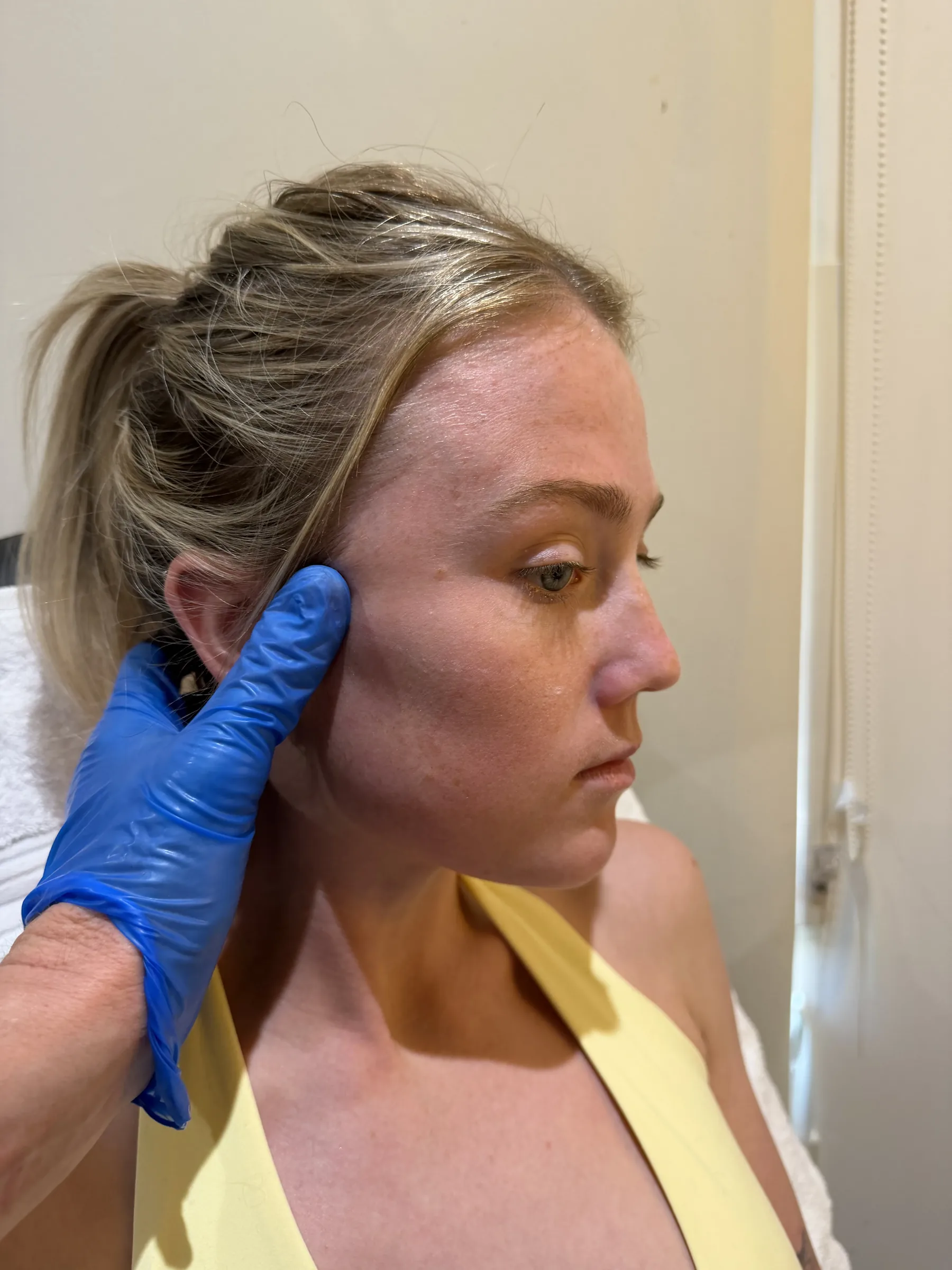
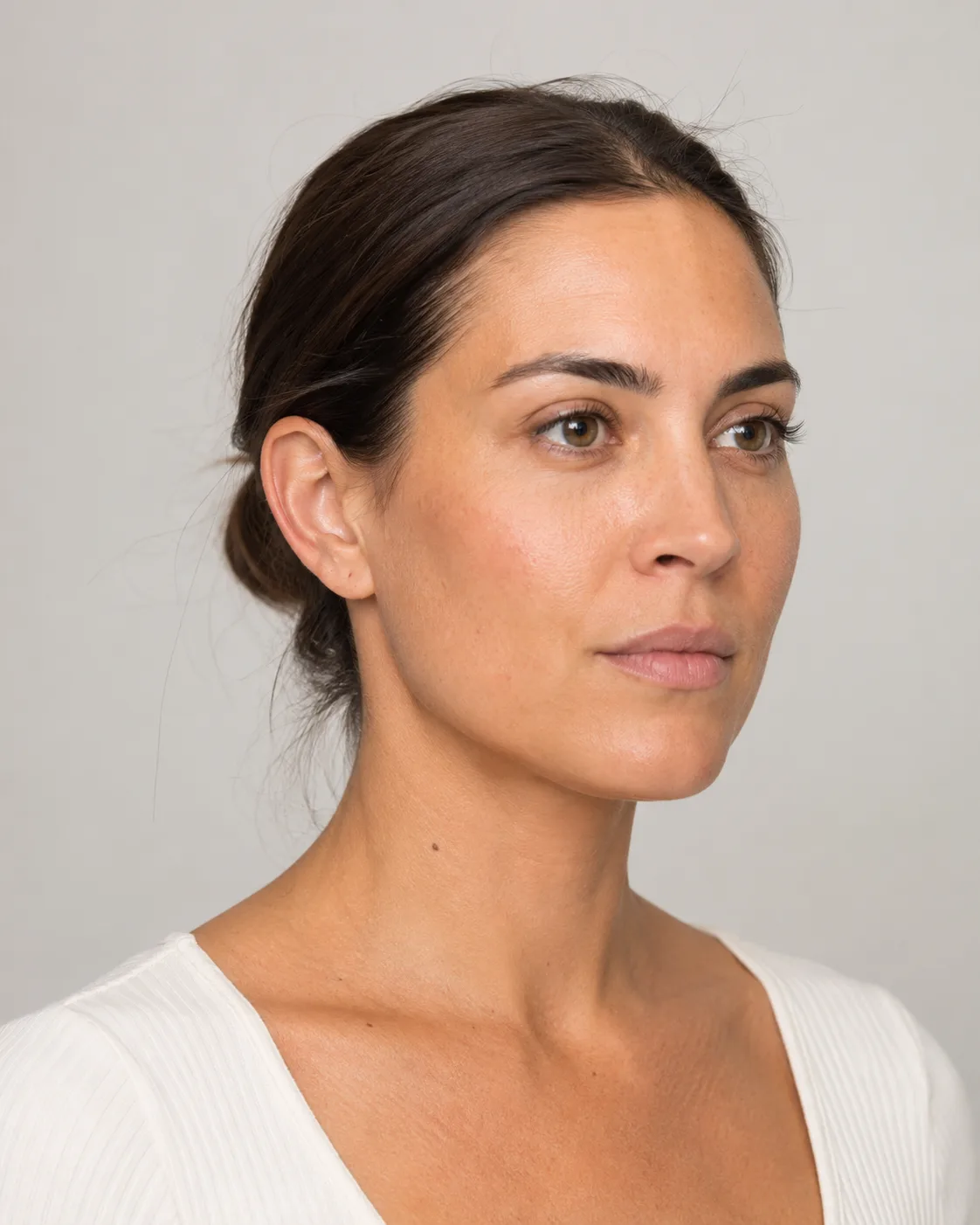
For an appearance question, Corey observes the lower face at rest and during a gentle clench, considers symmetry and surrounding structure, and reviews health history, medicines, earlier care, timing and priorities. The muscle may be one contributor among several.
When individual assessment and informed consent support a suitable option, care on the day can be discussed. More information, adjusted timing, dental or medical input, another clinical review or a different pathway can be incorporated when useful.
What Should Be Observed Without Forceful Clenching?
Use a comfortable neutral position first, then a brief gentle clench if requested. Corey can compare the visible contour and palpable muscle activity on each side without asking for repeated forceful effort that changes the appearance artificially.
Photographs may document the neutral and gentle clench views with consent. They support comparison but do not establish pain cause, bite function or a dental diagnosis.
Who Keeps The Three Tracks Accountable?
Core Aesthetics is at 12A Atherton Road, Oakleigh VIC 3166. Consultations are conducted by Corey Anderson RN, Ahpra registration NMW0001047575. The clinic telephone number is 0491 706 705.
Use the verification page and the Ahpra public register to confirm practitioner details. Corey is responsible for stating which track can be assessed within cosmetic scope and when another practitioner should lead.
How Do You Choose The Next Assessment Step?
Book when the question is primarily about lower-face appearance and you want individual assessment of muscle contribution, structure, symmetry and history. If symptoms such as pain, locking, bite change or tooth wear are central, arrange appropriate dental or medical advice rather than relying on cosmetic information.
If both tracks matter, they can be kept separate: clinical information from another practitioner may inform later cosmetic discussion without turning cosmetic care into treatment for the symptom.
Which Details Separate The Three Tracks?
Bring an accurate medicine and supplement list, relevant health history, approximate dates of previous lower face care, and any dental information that is already available. Describe whether the concern is appearance, symptoms or both, and when it occurs.
Note important events, travel and access to review. You do not need to arrive with a treatment amount or a finished plan; those would bypass the assessment this page is designed to explain.
Which Guides And Standards Support The Plan?
Read the main jaw muscle consultation guide, the lower face assessment guide, the effects over time guide and suitability guidance. Use the consent guide, the safety guide, verification or booking next.
These cosmetic procedure guidelines inform the consultation process. The Ahpra guidelines for registered health practitioners who perform non-surgical cosmetic procedures and the TGA guidance for advertising health services involving therapeutic goods provide official context.
This page is general education, not diagnosis, urgent care, dental advice, personal medical advice, a treatment recommendation or confirmation of suitability.
Is this for you?
Consider booking a consultation if
- You are an adult patient wanting jaw muscle treatment planning explained safely
- You want to understand why individual assessment matters
- You have jaw muscle, lower face width or clenching context you want assessed
- You are open to waiting, dental review or a lower-face assessment plan if appropriate
This may not be for you if
- You want a fixed public treatment quantity
- You are not an adult patient seeking elective cosmetic care
- You need urgent dental, jaw joint or medical review
- You want a cosmetic consultation to replace dental or medical care
Suitability is confirmed at consultation. This list is general guidance, not a substitute for clinical assessment.
Frequently asked questions
Can a webpage tell me how much jaw muscle treatment I need?
No. A public number cannot account for whether the concern is about function or appearance, how much the jaw muscle contributes, lower-face structure, symmetry, health history, earlier care, preferences or risk. Individual assessment and informed consent must come before any suitable plan is discussed.
Why separate jaw symptoms from facial shape?
Pain, clicking, locking, tooth wear, bite change, headaches and sleep concerns may need dental or medical assessment. A lower face appearance concern follows a different track. Separating them prevents cosmetic care from being presented as diagnosis or treatment for a dental, jaw joint, neurological or sleep condition.
How is jaw muscle contribution assessed?
Corey considers the lower face at rest and may ask for a brief gentle clench, comparing the visible contour and palpable muscle activity on each side. This observation is placed beside bone and soft tissue structure, symmetry, history and priorities. It does not diagnose the cause of pain or bite symptoms.
Does a broad lower face always mean a large jaw muscle?
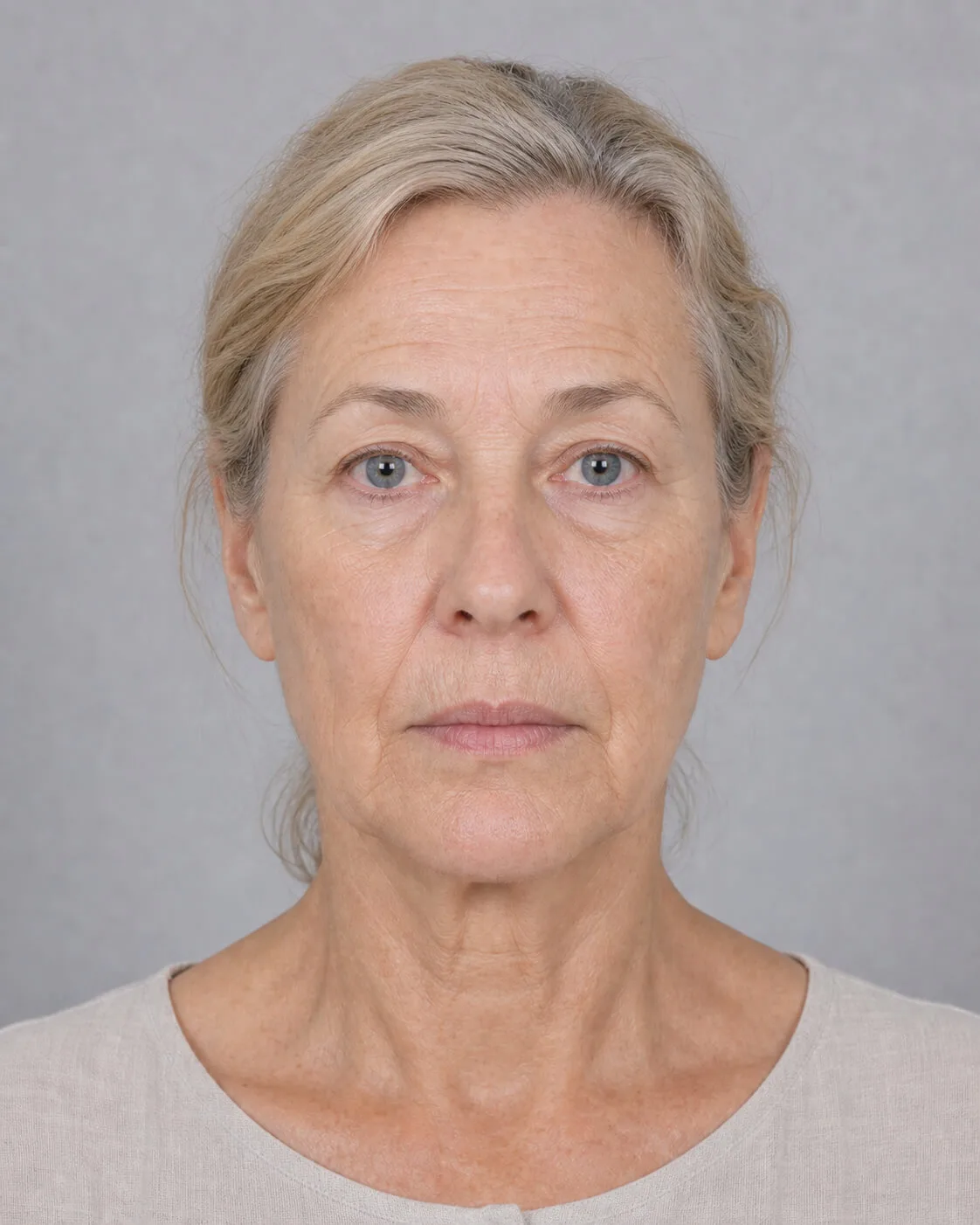
No. Bone, soft tissue, jaw muscle, ordinary asymmetry, camera angle and surrounding facial proportion can all influence apparent width. The assessment should identify which observations are relevant rather than treating one photograph or one label as proof of the cause.
What information should I bring to the consultation?
Bring medicines and supplements, relevant health history, approximate dates of previous lower face care and any dental information already available. Describe whether the concern is appearance, symptoms or both, when it occurs, and which familiar features you want to preserve. Mention events, travel and review access.
Can suitable care be discussed at the first appointment?
Yes. When an individual appearance assessment and informed consent support a suitable option, care on the day can be discussed. It is not assumed in advance. More information, adjusted timing, dental or medical input, another clinical review or a different pathway can also be incorporated when useful.
What should review examine after any later care?
Review should return to the original appearance question and compare the current resting and gentle clench pattern, symmetry, comfort, any concerns and whether the agreed priorities remain relevant. Future timing should depend on current assessment rather than an automatic calendar or a number copied from an earlier plan.
How do I verify Corey and the Oakleigh clinic?
Use the Core Aesthetics verification page and the Ahpra public register to confirm Corey Anderson RN, registration NMW0001047575. The contact page provides the current Oakleigh address and communication details. Independent verification confirms who is responsible for keeping cosmetic, dental and medical assessment boundaries clear.