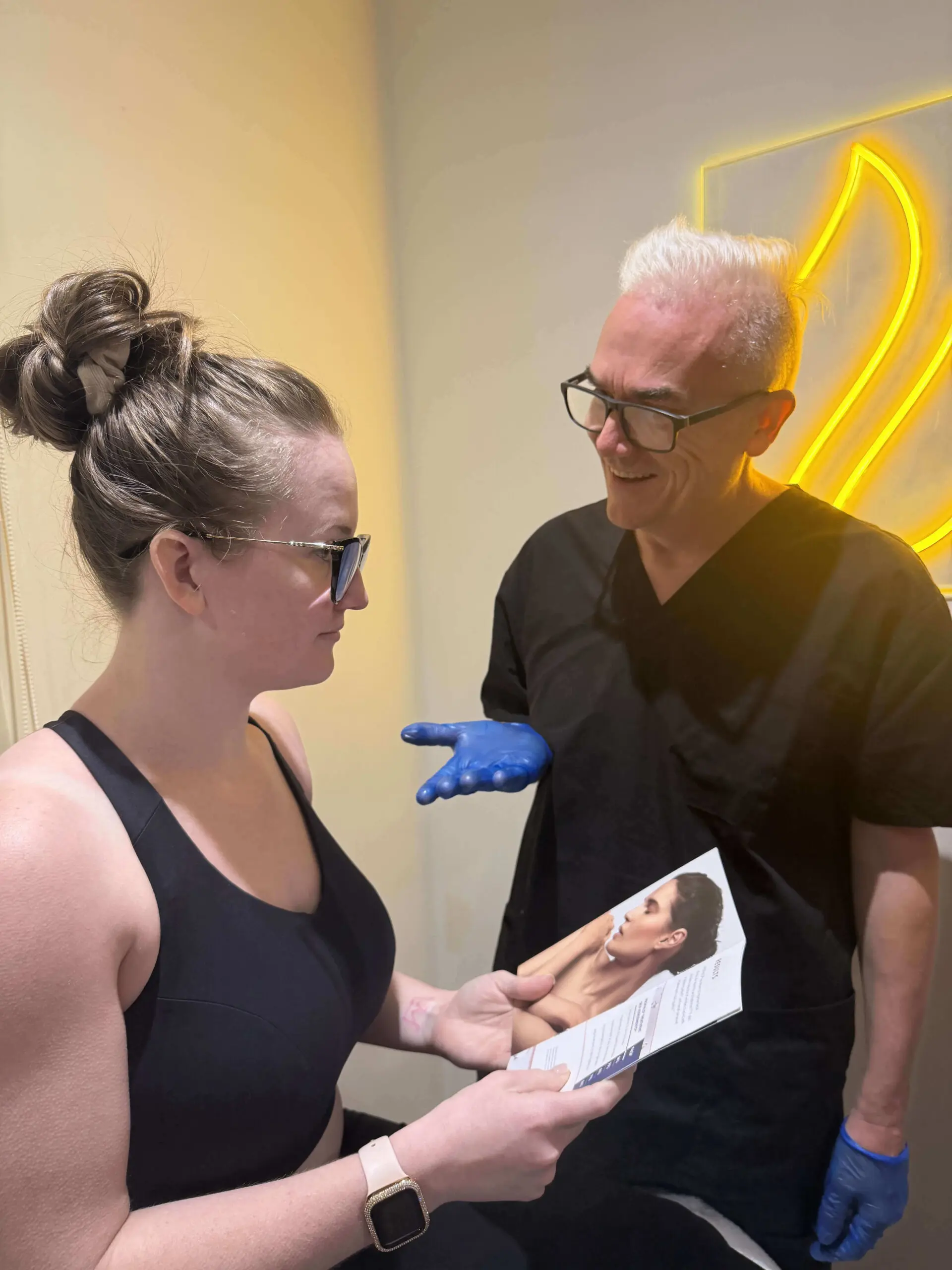
Consultation-led aesthetic treatment planning starts with assessment, not a preselected procedure. Corey Anderson RN reviews the concern, medical history, skin, facial movement, structure, timing, expectations, suitability and consent before discussing which options may be suitable, whether timing needs adjusting and what next step fits best.
What Is Consultation Led Aesthetic Treatment Planning?
Consultation-led aesthetic treatment planning starts with assessment, not a preselected procedure. Corey Anderson RN reviews the concern, medical history, skin, facial movement, structure, timing, expectations, suitability and consent before discussing which options may be suitable, whether timing needs adjusting and what next step fits best.
What Can A Consultation Led Plan Decide?
| Decision point | What is checked | Why it matters |
|---|---|---|
| Treatment planning | A treatment path may be discussed only when assessment and consent support it. | Proceeding is conditional, not assumed. |
| Staging | Some concerns are better reviewed gradually rather than addressed all at once. | The plan can be conservative and easier to reassess. |
| Waiting | Timing, health details, prior treatment, skin irritation or uncertainty may make waiting safer. | The patient avoids a rushed decision. |
| an agreed consultation plan or referral | The concern may not suit the clinic scope, timing or risk balance. | Safety and honest advice take priority. |


Which Treatment Topics Can Be Discussed?
A consultation can start with facial movement lines, skin quality, facial balance, lip or mouth area concerns, chin and jawline support, under eye tiredness, previous treatment history, timing and review needs. The topic is only a starting point for assessment. It does not mean a treatment will be suitable.
Corey may explain why a concern belongs on a different page, why a conservative timeline is safer, or why timing or another clinically appropriate pathway is the right recommendation.
What Should You Leave Understanding?
You should leave understanding the recommendation, the reason for it, the relevant risks and limits, what alternatives exist, what review would involve, what happens if you wait and what would make Corey recommend an agreed consultation plan. Assessment and consent guide a clear discussion of suitable options, timing and follow-up.
How Are Verification And Safety Handled?
Corey Anderson RN is a Registered Nurse with Ahpra registration NMW0001047575. Patients can use the Verify Core Aesthetics page, the Ahpra public register and the clinic contact details before booking.
Verification is part of responsible decision making. It helps patients confirm who is accountable for assessment, consent, review, aftercare advice and the recommendation to proceed, choose another clinically appropriate pathway.
How Are Costs Discussed For Consultation Led Aesthetic Treatment Planning?
Costs are discussed after the likely clinical pathway is understood. A consultation may identify treatment planning, staging, review, referral, timing or another clinically appropriate pathway, so price should not be treated as the starting point. You can read the general pricing guide before booking, but your own cost discussion depends on assessment, consent and whether proceeding is appropriate.
Which Pages Help Before Booking For Consultation Led Aesthetic Treatment Planning?
Useful supporting pages include consultations, aesthetic consultation melbourne, consultation guide melbourne, treatment suitability assessment, how informed consent works aesthetic consultation, patient safety aesthetic consultation, when to wait aesthetic consultation, aesthetic consultation cost safety questions, core method structured approach and the contact page.
How Should You Start For Consultation Led Aesthetic Treatment Planning?
If you are unsure where your concern fits, start with a consultation rather than choosing from a treatment menu. Corey Anderson RN can assess your goals, medical history, timing, risk profile and which options may be suitable, whether timing needs adjusting and what next step fits best.
You can also review the consultations, treatment suitability assessment and verify pages before booking if you want more context first.
General Information Only
This page was last reviewed on 5 September 2026. It provides general education for adults considering aesthetic consultation. It does not recommend a specific treatment or replace personal assessment. Any decision depends on Corey Anderson RN’s individual assessment, consent discussion and clinical judgement.
Is this for you?
Consider booking a consultation if
- Adults who want aesthetic treatment planning to start with assessment rather than a menu
- Patients who want to understand suitability, timing, consent, staging and review before deciding
- People open to a recommendation to wait, stage treatment, seek referral or not proceed
- Patients who value a conservative, consultation-first approach with clear clinical reasoning
This may not be for you if
- People seeking a promised outcome or predetermined treatment plan before assessment
- People seeking cosmetic treatment for a person who is not an adult
- People who do not want to discuss risks, alternatives, limitations or the option of an agreed consultation plan
- People with urgent medical symptoms that need medical care rather than cosmetic consultation
- People seeking elective cosmetic treatment while pregnant, trying to conceive or breastfeeding without individual clinical advice
Suitability is confirmed at consultation. This list is general guidance, not a substitute for clinical assessment.
Frequently asked questions
What is a consultation led aesthetic treatment plan?
It is a plan formed after individual assessment rather than before it. Corey reviews the concern, anatomy, medical history, timing, suitability, risks, expectations and consent before deciding whether treatment planning should be discussed.
Are suitable options and timing decided before assessment?
No. Some adult patients may be suitable for treatment after assessment, but only if assessment, consent, timing and clinical judgement support proceeding. Assessment and consent guide a clear discussion of suitable options, timing and follow-up.
What can a treatment plan include?
A plan may include education, staging, waiting, review, referral, an agreed consultation plan or treatment planning where appropriate. It should explain the reason for the recommendation and the relevant risks and limitations.
Why might Corey suggest staging treatment?
Staging can help keep planning conservative, allow response to be reviewed, avoid doing too much at once and give the patient time to decide whether the next step still feels appropriate.
Can consultation led treatment planning change the recommended next step?
Yes. An agreed consultation plan may be recommended if the likely benefit is limited, the risk is not justified, expectations are unrealistic, timing is poor or the concern is better managed through another pathway.
Is a consultation led plan the same for every patient?
No. The framework is consistent, but the recommendation depends on the person. Similar concerns can have different causes, risks and appropriate next steps after assessment.
What should I bring to help planning?
Bring medicine and supplement details, relevant medical history, prior treatment dates if known, current skin concerns, allergies, questions and a clear explanation of what you hope to understand.
What should I understand before deciding?
You should understand the recommendation, alternatives, relevant risks, limits, expected review process, what happens if you wait and which options may be suitable after assessment.