For a forehead wrinkle treatment consultation near Wheelers Hill, observe four comfortable moments: gently closing the eyes without squeezing, reopening them to a natural gaze, focusing straight ahead, and using an ordinary brow expression. Notice whether the brows remain settled or lift as the eyes reopen, without pushing them down or holding them up. Corey Anderson RN combines this sequence with direct assessment of forehead movement, brow position, eyelid context, frown contribution, resting lines, skin, health, medicines, previous care, risks and the expression you want to preserve. Suitable care can be planned when individual assessment and informed consent support it.
Why Observe Eye Opening Beside Forehead Lines?
The forehead and brows participate in expression, while brow position can also affect how the upper eye area feels. A horizontal line alone does not explain that relationship.
The sequence shows how movement appears during comfortable eye opening without asking you to suppress or exaggerate it.
What Are The Four Moments In The Support Sequence?
| Moment | What to do | What to notice |
|---|---|---|
| Gentle closure | Close the eyes without squeezing | Whether the forehead settles naturally |
| Reopening | Open to a comfortable familiar gaze | Whether the brows lift as vision returns |
| Forward focus | Look ahead without posing | Brow position and upper eye comfort |
| Expression | Raise the brows as in conversation | Useful movement and line direction |
How Should Gentle Eye Closure Feel?
Let the eyelids meet without squeezing, scrunching the nose or pressing the brows down. Notice whether forehead activity settles on its own.
This is not a strength test. New difficulty closing an eye or another sudden change needs appropriate medical assessment.
What Does Natural Reopening Reveal?
Reopen the eyes as you normally would and look ahead. The brows may remain settled, rise briefly or hold a higher position as focus returns.
Describe what feels familiar rather than trying to create a perfectly still forehead.
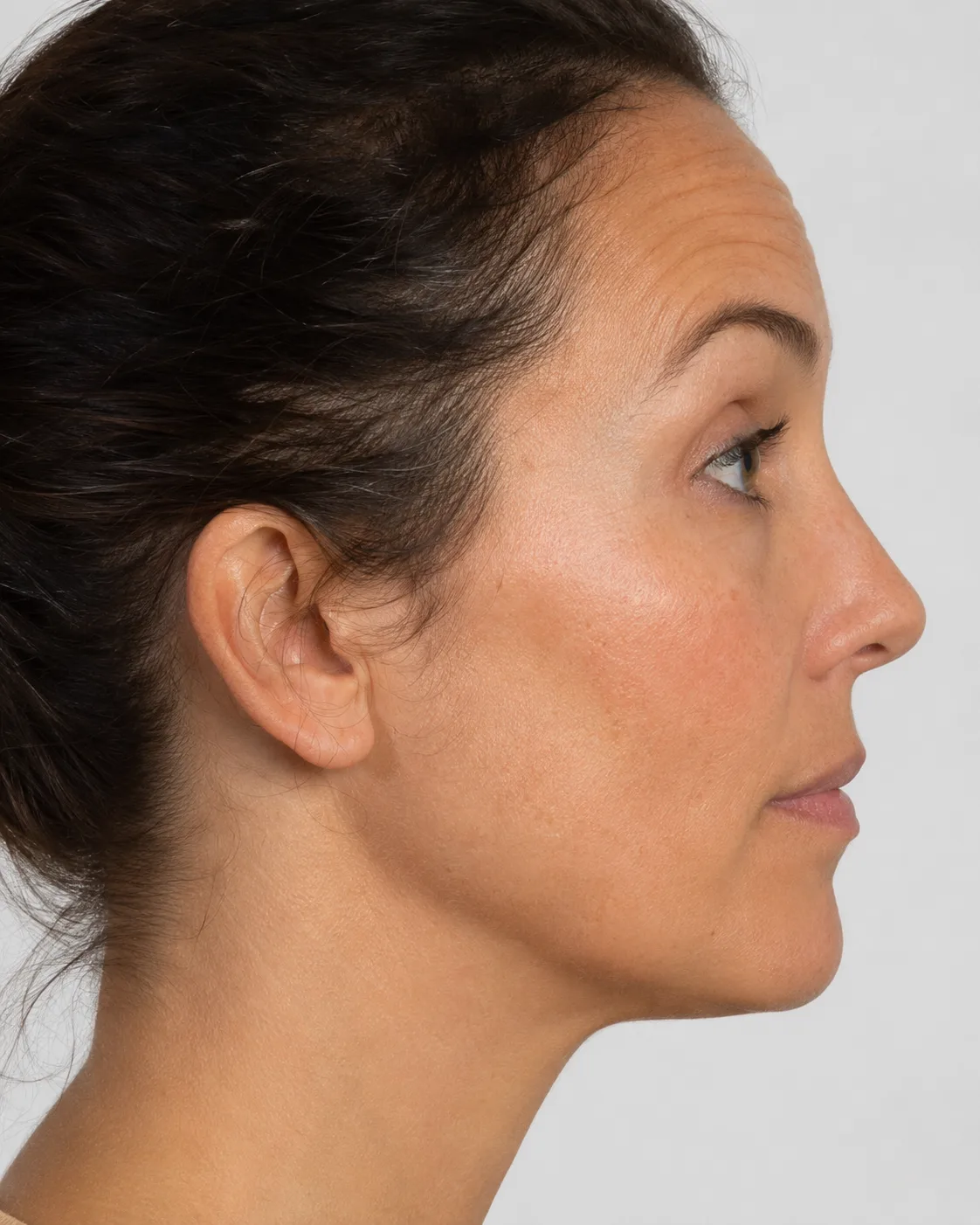
Why Include Comfortable Forward Focus?
Hold a familiar forward gaze for a few moments without widening the eyes. Notice whether the forehead stays active and whether the eyelids or brows feel heavy, strained or comfortable.
Visual symptoms require an appropriate eye or medical pathway. This observation does not diagnose vision or eyelid conditions.
How Does Familiar Expression Complete The Picture?
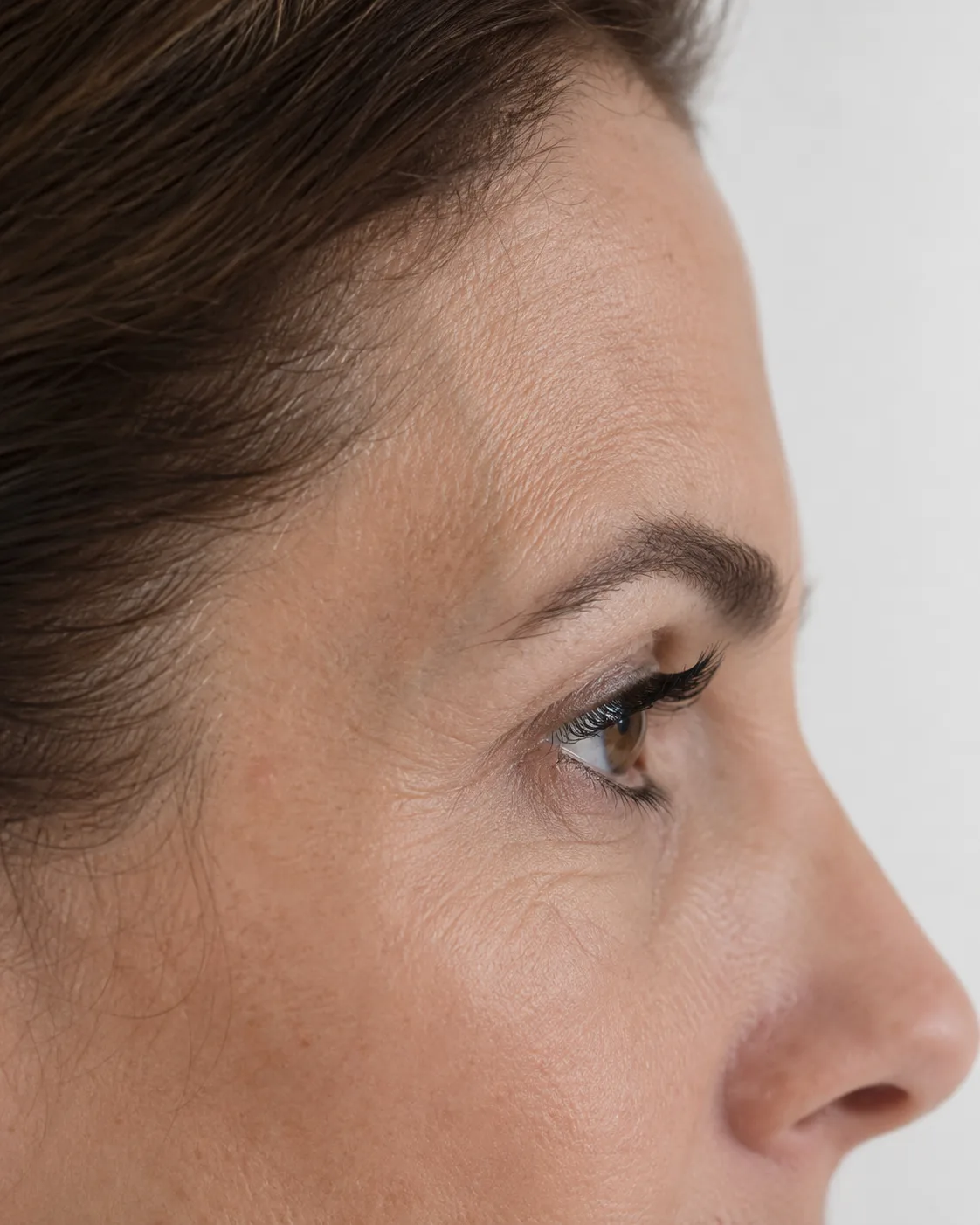
Raise the brows as you would during ordinary conversation, then let the face settle. Corey considers the onset, direction, side differences and return to rest.
The goal is to understand useful expression and brow support, not to remove every visible movement.
What History Changes The Brow Support Discussion?
Bring current medicines, allergies, relevant health and eye history, previous cosmetic care and approximate dates. Mention eyelid surgery, eye procedures, headaches, visual symptoms and any recent change in brow or eyelid position.
Older unedited photographs may help explain gradual change, but they are not targets for a fixed appearance.
Which Forehead Guide Fits A Different Question?
Use the broader Wheelers Hill wrinkle guide when forehead, frown and outer eye areas all matter. Read the forehead consultation guide for the wider process or frown line consultation when inward movement leads.
The facial expression guide, suitability guide and patient safety guide answer connected questions.
Questions About Eye Opening And Brow Support
Why observe the eyes closing and reopening?
The sequence shows how forehead and brow activity settles and returns during comfortable eye opening. It provides movement context without asking you to force the brows into an unfamiliar position.
Should I hold my brows down during the sequence?
No. Let the brows move naturally. Pushing them down or holding them up creates an artificial position and may hide the familiar support or expression Corey needs to observe.
Does brow lift mean the forehead should not be discussed?
No. It means brow support, eyelid context and comfortable expression need careful assessment. Suitable choices can still be discussed when individual findings and informed consent support them.
Why include eyelid comfort?
The forehead and brow can influence the upper eye relationship. Corey asks about comfort and observes movement, while eye symptoms or functional concerns remain within an appropriate clinical pathway.
What changes need prompt medical or eye assessment?
New visual change, new or one sided drooping, weakness, numbness, significant pain, severe headache or another sudden unexplained symptom needs prompt assessment by an appropriate health professional.
What should I bring after previous forehead care?
Bring approximate dates, areas, available records and what you noticed over time, including heaviness, asymmetry, altered expression, eyelid effects or any response that concerned you.
Is Core Aesthetics located in Wheelers Hill?
No. The clinic is in Oakleigh. Check the trip from your actual starting point and make sure returning for review would be practical before choosing an appointment time.
What Can You Note Before Leaving Wheelers Hill?
- Whether the forehead settles during gentle eye closure.
- How the brows move as the eyes reopen to comfortable focus.
- Which brow expression feels familiar and useful.
- Any eye, eyelid, health or previous care context Corey should know.
How Can The Next Step Feel Comfortable?
You can use the appointment to understand the sequence, ask questions and consider suitable choices. There is no need to arrive with a procedure selected.
When assessment and informed consent support care, planning can include familiar expression, timing, aftercare and practical review access.
Is this for you?
Consider booking a consultation if
- Adults near Wheelers Hill wanting forehead and brow assessment before treatment discussion
- Patients who want consultation first explanation of forehead movement, brow support and consent
- People open to timing, review needs or another clinically appropriate pathway where that is more appropriate
- Patients who want to verify Corey Anderson RN and the Oakleigh clinic before booking
This may not be for you if
- People asking for a predetermined plan without assessment, consent or risk discussion
- People with urgent medical symptoms, active infection, acute swelling or rapidly changing facial symptoms
- People wanting a fixed cosmetic change before forehead movement and brow support are assessed
- People seeking elective cosmetic care for someone who cannot provide informed consent
Suitability is confirmed at consultation. This list is general guidance, not a substitute for clinical assessment.