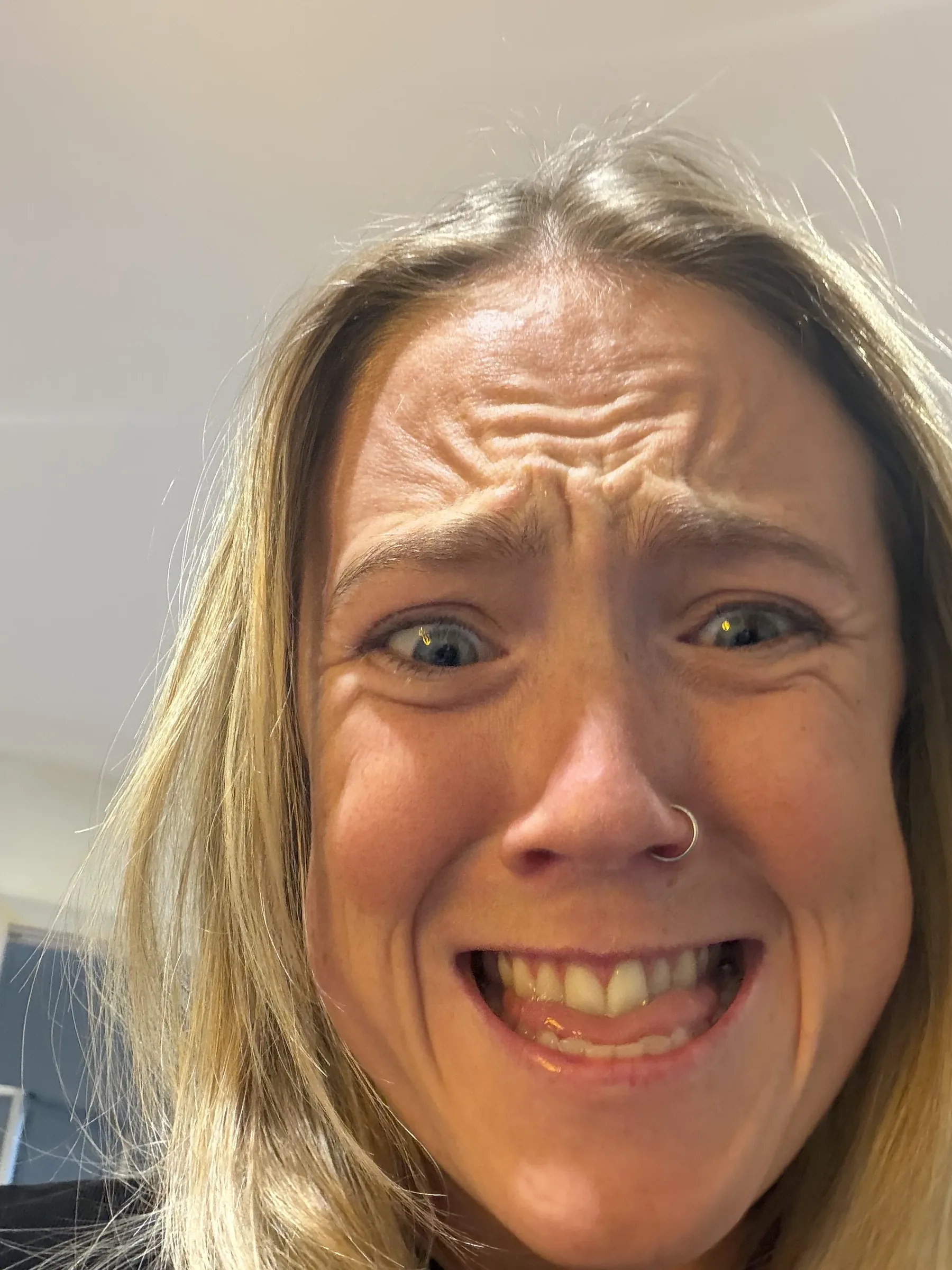
Forehead anatomy

Forehead Lines Explained: Frontalis Muscle, Brow Movement and Skin Ageing

An educational guide to horizontal forehead lines, the frontalis muscle, brow compensation and why skin quality and sun exposure also matter.

Quick summary

This guide explains movement and expression assessment for adults deciding whether to book a consultation. It separates the immediate question from wider treatment decisions, outlines what information to bring, and explains why Corey Anderson RN may recommend treatment discussion, waiting, referral or no cosmetic treatment after individual assessment and consent.

What Is This Guide Answering?

This guide answers a specific reader question: a focused guide for movement and expression assessment, with a narrower role than the main treatment or consultation guide.

It helps the reader understand what to ask in consultation, what information to bring, when waiting or referral may be safer and when a main treatment or consultation guide is the better place to continue reading.

Where Does This Fit?

The focus here is movement and expression assessment. It should not try to answer every cosmetic treatment term or every local consultation question.

A narrower guide is useful when it gives a direct answer, sets a safety frame, and helps you choose the next page or appointment pathway without feeling pushed toward a treatment decision.

Wrinkle and upper-face consultation assessment for consultation planning at Core Aesthetics in Oakleigh
Wrinkle and upper-face consultation assessment for consultation planning at Core Aesthetics in Oakleigh. Illustrative consultation or assessment image only. Individual anatomy, suitability and treatment response vary. Not a treatment result or before-and-after image.

What Should Be Clarified First?

Use this as a preparation checklist. It is general information only and does not decide suitability.

QuestionWhy it mattersPossible next step
What is the exact concern?The same visible concern can come from anatomy, movement, skin quality, previous treatment, timing or expectations.Corey may narrow the consultation to a specific area or explain that another page is a better starting point.
Is there a health or safety boundary?Symptoms, medicines, allergies, pregnancy or breastfeeding status, prior reactions and recent procedures can change the discussion.Waiting, referral or no treatment may be safer.
Is the decision being rushed?Events, social pressure, fear of ageing, comparison photos or a near-me search can compress consent.The consultation may be used for questions only.
What does review access look like?Aftercare and review planning are part of a responsible pathway.Treatment discussion should wait if follow up is not realistic.
Wrinkle and upper-face consultation assessment for consultation planning at Core Aesthetics in Oakleigh
Wrinkle and upper-face consultation assessment for consultation planning at Core Aesthetics in Oakleigh. Illustrative consultation or assessment image only. Individual anatomy, suitability and treatment response vary. Not a treatment result or before-and-after image.

What Should I Ask Corey?

Ask what appears to be driving the concern, what remains uncertain, what risks are relevant, what alternatives exist and what would make waiting the better choice.

Also ask which appointment pathway best matches your concern. A focused guide should make the next step clearer, not pressure the reader into a treatment decision.

Wrinkle and upper-face consultation assessment for consultation planning at Core Aesthetics in Oakleigh
Wrinkle and upper-face consultation assessment for consultation planning at Core Aesthetics in Oakleigh. Illustrative consultation or assessment image only. Individual anatomy, suitability and treatment response vary. Not a treatment result or before-and-after image.

When Could Waiting Be Safer?

Waiting may be safer when timing is poor, an event is very close, health information is incomplete, expectations are unsettled, symptoms need medical review or follow up would be difficult.

It can also be appropriate to use the appointment for education only. Booking a consultation does not mean treatment will be recommended or that it needs to happen on the same day.

What Are The Safety Limits?

Relevant risks and limits depend on the area, health history and pathway discussed. They can include bruising, swelling, tenderness, asymmetry, dissatisfaction, delayed issues, altered expression or balance and rare but serious complications that require urgent review.

Consent should include alternatives, costs, aftercare, review access, uncertainty and the option of doing nothing. A consultation is not an obligation to proceed.

Why do forehead lines form?

The frontalis muscle raises the eyebrows. When it contracts, the forehead skin folds horizontally. Over time, repeated movement, skin quality, sun exposure and natural ageing can make these lines more visible.

Better Health Channel notes that sun exposure contributes to skin ageing. In practical terms, forehead lines are not only a movement question. Skin health and protection matter too.

What does a forehead assessment separate?

Forehead wrinkles are not all the same. These distinctions keep the page useful and safe.

QuestionWhat it suggestsWhy it matters
Lines appear only when brows liftMostly movement-related linesAssess frontalis activity and expression
Lines remain visible at restMovement plus skin quality and ageing may contributeAssess skin and movement together
Brows feel heavy without liftingThe frontalis may be compensatingBrow position matters before planning
Lines are mainly in harsh lightLighting and texture may be emphasising themPhotographs should not decide suitability
There is a new skin lesion or rapid changeMedical or skin review may be neededHealth review first

How should you use this forehead lines guide?

Use this guide to name the anatomy behind forehead lines before deciding whether a consultation page is the right next read. It is written for readers who want factual language, nearby anatomy and sensible boundaries before making any personal decision.

A reference page has a narrower job than a consultation page. It can explain what the term means, which structures are involved, what common variations exist and when another health professional may be more appropriate. It cannot decide whether any cosmetic pathway is suitable for you.

Is this for you?

Consider booking a consultation if

  • Adults wanting general education about forehead lines before deciding whether consultation is appropriate.
  • Readers trying to separate anatomy, normal variation, symptoms and cosmetic assessment boundaries for forehead lines explained.
  • People who want a cautious, source backed explanation before reading a consultation or service page.

This may not be for you if

  • Urgent symptoms, sudden changes, pain, infection signs, vision concerns, dental symptoms or any concern needing medical or dental review.
  • People seeking product names, restricted medicine information, certainty claims, comparison imagery or personalised treatment advice.
  • Anyone who wants a treatment decision without individual assessment, health history, consent discussion and review planning.

Suitability is confirmed at consultation. This list is general guidance, not a substitute for clinical assessment.

Frequently asked questions

What is this guide for?

It answers a narrower movement and expression assessment question. It should help readers prepare for consultation, understand when waiting or referral may be safer, and choose a related guide if their concern is wider than this topic.

How is this different from Bunny Lines Explained?

Use this guide when its wording most closely matches your concern, area or appointment question. Use the related guide when that page is closer to what you need to clarify. Neither page confirms suitability or replaces an individual consultation.

Does reading this page mean treatment is suitable?

No. Suitability depends on individual assessment, health history, medicines, allergies, previous treatment, expectations, timing, risk and review access. Corey Anderson RN may recommend treatment discussion, waiting, referral, review later or no cosmetic treatment.

Can I book just to ask questions?

Yes. A consultation can be used to understand the concern, ask about suitability, discuss risks and decide whether doing nothing for now is the better choice. You do not need to arrive already committed to a treatment plan.

What should I bring to the consultation?

Bring current medicines, allergies, relevant medical history, previous cosmetic treatment dates, upcoming events, travel plans and questions you want answered. Bring records from another clinic or clinician if they are relevant and available.

Can Corey recommend waiting or no treatment?

Yes. Waiting, referral, review later or no treatment may be recommended when the concern is mild, expectations are unclear, timing is poor, risk outweighs likely benefit, symptoms need another pathway or more information is needed.

Is this page personal medical advice?

No. This page is general information for adults considering consultation. It cannot diagnose a concern, confirm suitability, replace urgent care or recommend treatment. Personal advice requires an individual assessment with a qualified health practitioner.

Clinical references

  1. TGA: Advertising health services that involve therapeutic goods
  2. TGA: Complying with restrictions on advertising prescription medicines to the public
  3. Ahpra: Guidelines for advertising higher risk non-surgical cosmetic procedures
  4. Ahpra: Guidelines for registered health practitioners who perform non-surgical cosmetic procedures
  5. Wikipedia: Frontalis muscle
  6. NCBI Bookshelf: Facial Muscles
  7. Better Health Channel: Healthy ageing and the skin
  8. PubMed Central: Ultraviolet radiation and skin ageing review

Written and reviewed by Corey Anderson RN, AHPRA NMW0001047575 · Reviewed 2026-06-22 · TGA and AHPRA guidance is regularly reviewed in preparing this website.

Begin With A Conversation

Book your consultation.

A consultation is a considered first step toward understanding what may or may not be appropriate for you. Booking creates time for assessment, questions, risk discussion and informed consent. It does not promise treatment, a particular outcome or same day care.

Book Consultation

Consultation first. Decisions with context.