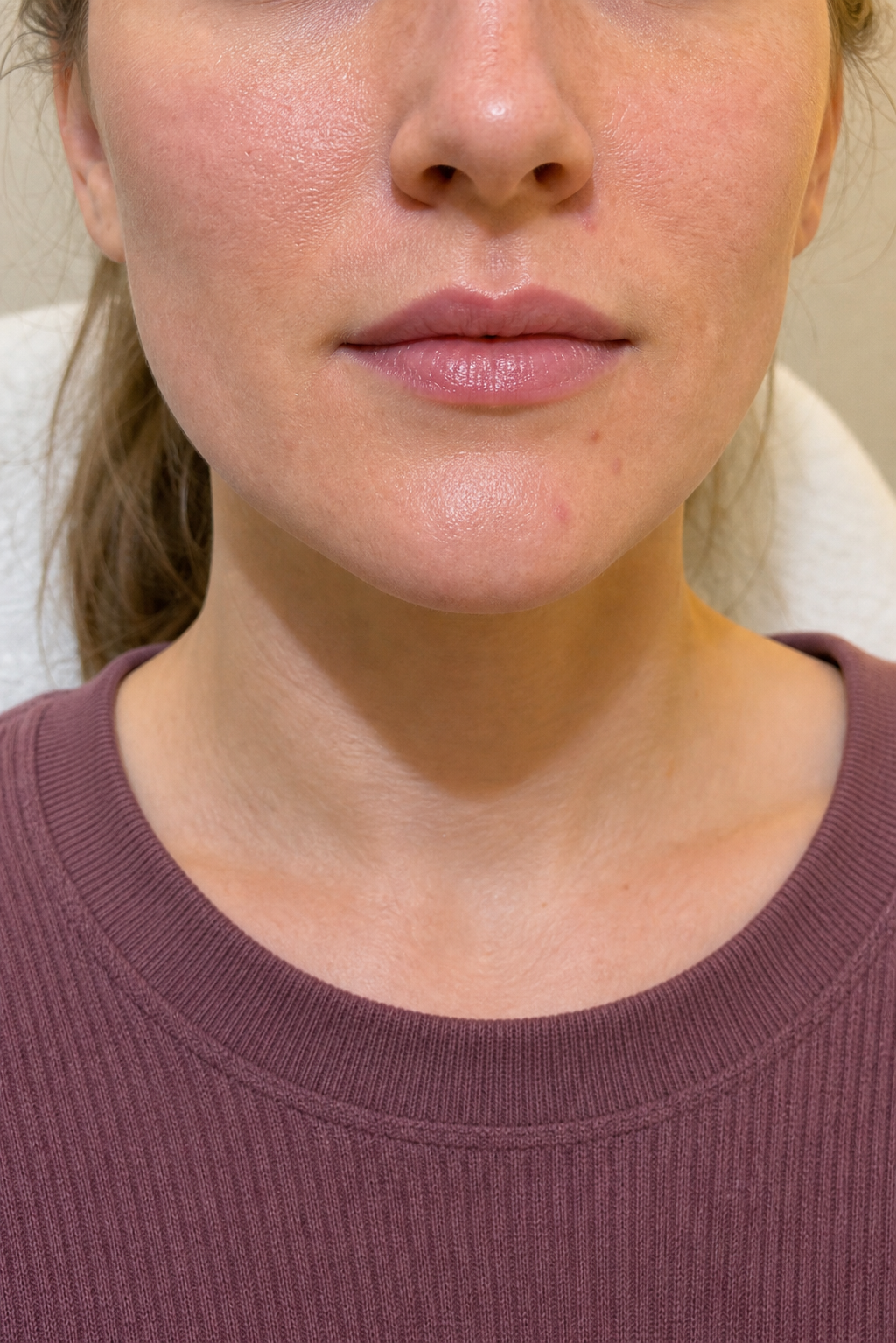
For a lip shape consultation near Brighton, bring no more than two unedited reference images and explain three things: the feature that attracts you, what you want preserved in your own lips and the change you would not welcome. Corey Anderson RN then assesses your lip outline, visible surface, profile, movement, dental context, tissue history and overall facial relationships. The reference is translated into personal priorities rather than copied. When individual assessment and informed consent support it, suitable care can be planned with those boundaries recorded.
How Do You Translate A Lip Reference?
Choose one or two unedited images. For each, point to the exact feature that attracts you, then name something recognisable in your own lips that you want to keep and a change you would not welcome.
The useful sentence is not “make mine like this”. It is “this image helps me describe a preference, while my shape, movement and facial relationships remain the starting point”.
What Are You Responding To In The Image?
You may like a defined central curve, a softer outline, the balance between upper and lower lip or how the lips relate to the profile.
The image may seem rested, expressive or harmonious without one isolated lip feature explaining that impression.
Lighting, pose, makeup, focal length, editing and expression may be contributing more than anatomy.
Naming the source of the preference prevents a broad visual impression from becoming a false anatomical target.
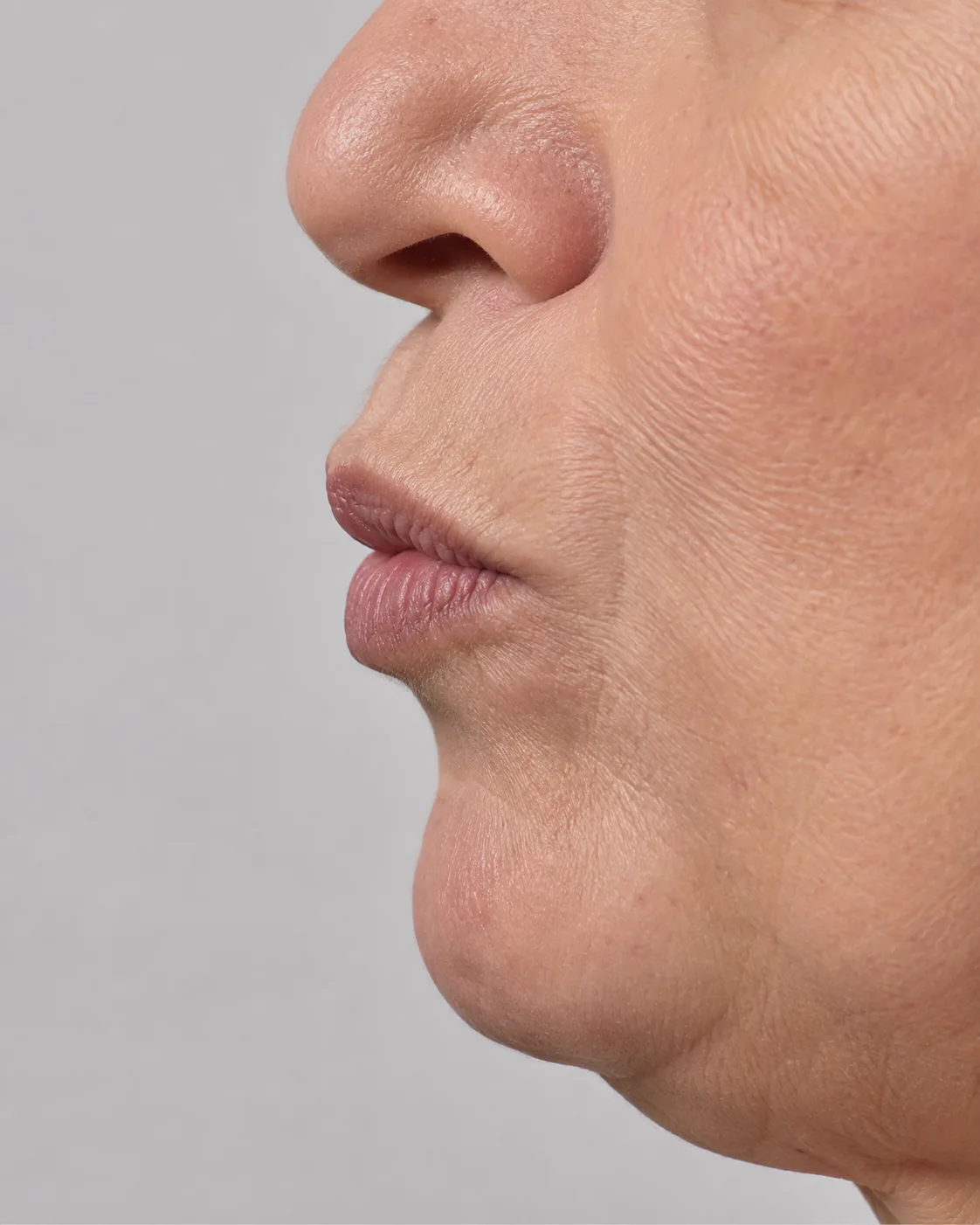
Why Can Another Person’s Lips Not Become Your Plan?
Lip outline, tissue, teeth, jaw, chin, nose, movement and side differences form an individual relationship. A photograph shows only part of that relationship and may also contain editing, makeup or a held expression.
Corey uses the reference to understand your language. He assesses your own features directly and explains where the preference is compatible, uncertain or better expressed in another way.
What Should The Translation Brief Record?
| Translation step | Question to answer | What Corey learns |
|---|---|---|
| Attraction | Which exact feature draws your attention? | The preference behind the saved image. |
| Personal context | How does that feature differ from your own lips at rest and in movement? | Whether the request concerns outline, surface, profile, movement or a wider relationship. |
| Preservation | What must still look and feel recognisably yours? | A boundary to carry through assessment and consent. |
| Unwelcome change | What would make the result feel too unfamiliar? | A clear limit before suitable options are discussed. |

How Does Corey Test The Preference Against Your Features?
Corey observes the lip outline, central shape, upper and lower relationship, visible surface, profile, ordinary speech, smile movement and natural side differences. He also considers dental support, skin and lip condition, health history and previous care.
The purpose is not to grade your lips against the photograph. It is to decide whether the preference can be discussed safely and realistically within your own anatomy, priorities and review needs.
What Can Make A Reference Misleading?
A close crop removes the chin, nose, cheeks and overall profile. A tilted head, pushed lips, makeup, studio lighting, lens distortion or digital editing can change the apparent outline and projection. Even an unedited image captures one expression at one moment.
Bring the original source when possible and say what you believe you are seeing. Corey can separate the useful preference from features the image cannot establish.
Which Lip Changes Need Health Assessment First?
Sudden lip, tongue or throat swelling with difficult breathing, voice change, wheeze, dizziness or collapse may be anaphylaxis. Use a prescribed adrenaline autoinjector, follow the person’s action plan and call triple zero (000).
New weakness, numbness, severe pain, fever, spreading redness, pus, a changing mouth lesion, dental symptoms or rapidly increasing swelling needs appropriate medical or dental assessment. A stable cosmetic preference can be discussed after relevant health questions are addressed.
What Information Can Change The Consultation Path?
| Information | Why it matters | Useful next step |
|---|---|---|
| Recent dental work or oral symptoms | The lip concern may relate to dental or medical context. | Include dental or medical assessment when appropriate. |
| Previous lip care with limited records | Tissue history and timing may be unclear. | Bring records or allow further observation and review. |
| Several conflicting references | The underlying preference has not yet been defined. | Reduce them to one or two features and a preservation boundary. |
| Travel or review constraints | Aftercare and follow up must be practical. | Adjust timing or plan a workable review pathway. |
Suitable care can be planned when individual assessment and informed consent support it. More information, adjusted timing, another clinical review or a different pathway can be incorporated when useful.
Is this for you?
Consider booking a consultation if
- Adults starting from Brighton who want to describe lip shape across rest, speech, smiling and profile before deciding whether to travel
- People able to access the Oakleigh clinic and a possible return review
- Readers prepared to discuss health, dental history, previous care, uncertainty and a staged lip plan
This may not be for you if
- Anyone seeking a quantity or treatment recommendation from a public page
- Anyone with airway symptoms or rapidly increasing swelling who needs urgent medical care
- Anyone unable to access practical review or aftercare after the first visit
Suitability is confirmed at consultation. This list is general guidance, not a substitute for clinical assessment.
How Can The Reference Translation Finish?
The conversation may clarify a personal preference, reveal that the photograph depends on pose or editing, identify a dental or skin question, or establish a preservation boundary for suitable care. The useful outcome is a clearer individual brief, not agreement to copy an image.
Corey explains suitable options, material risks, alternatives, uncertainty, likely limits, total cost, aftercare and follow up. Your own anatomy and informed preferences remain the reference point.
Evidence For Individual Lip Assessment
Human morphology research describes variation across age, sex and expression in defined groups. It does not establish an ideal lip, show what is suitable for one person or make another face transferable.
- Three-dimensional morphometric analysis of facial units in virtual smiling facial images with different smile expressions
Resting, posed and spontaneous smiling facial scans from 33 adults demonstrating that facial soft tissues change across expressions.
- Age- and sex-related changes in three-dimensional lip morphology
Three-dimensional lip measurements from 918 healthy participants aged 4 to 73, used only to support human variation rather than an ideal proportion.
- Anaphylaxis
Emergency guidance for severe allergic reactions including airway symptoms and swelling of the face or lips.
- Victorian Government Activity Centres Program
Local context identifying North Brighton around Bay Street and Middle Brighton around Church Street as separate activity centres.
- Guidelines for registered health practitioners who perform non-surgical cosmetic procedures
Holistic assessment, motivation, expectations, suitability, informed consent, costs and follow up obligations.
- Advertising health services that involve therapeutic goods
Product neutral public health service advertising and restrictions on prescription medicine references.
- Ahpra public register of practitioners
Independent verification of practitioner registration.
Official guidelines for registered health practitioners who perform non-surgical cosmetic procedures support individual assessment, informed consent and follow up. These cosmetic procedure guidelines inform the consultation process. TGA advertising guidance explains why prescription products are not promoted here.
Questions About Translating Lip References
Should I bring a lip reference photograph?
Yes, if it helps you name a preference. Bring one or two unedited images and identify the exact feature that attracts you rather than asking to copy the whole appearance.
Can another person’s lip shape be copied?
No. Lip outline, tissue, teeth, jaw, chin, nose, profile and movement form an individual relationship. Corey translates the reference into questions about your own features and priorities.
How can I tell whether an image is edited?
Look for the original source, inconsistent edges, unusually smooth texture, distorted background lines or missing skin detail. Even an unedited photograph can be affected by pose, makeup, lighting and lens choice.
What is a preservation boundary?
It is a feature or quality you want to keep recognisably yours, such as the central lip shape, ordinary movement or relationship between the upper and lower lip. It guides assessment and consent.
Do I need to request an amount of volume?
No. Begin with the feature you notice, the preference behind the reference and the change you would not welcome. Corey can then explain whether any suitable option relates to that concern.
Is Core Aesthetics located in Brighton?
No. Core Aesthetics is in Oakleigh. Check the journey from your actual starting point and make sure returning for review would be practical before booking.
How do I verify Corey Anderson?
Use the clinic verification guide and independent Ahpra public register to confirm Corey Anderson is a Registered Nurse under registration NMW0001047575. Match the name, profession and current registration details.
General information only
This page provides general information for adults. It cannot diagnose a medical, dental or skin condition, confirm suitability, predict an outcome or complete informed consent. Seek appropriate care for urgent, unexplained or worsening symptoms.