A lip volume consultation near Clayton should compare the lips from the front and profile, at rest and during a natural smile and speech. Corey Anderson RN assesses border definition, upper to lower relationship, symmetry, projection, dental show, mouth corner movement and surrounding support. He reviews oral health, cold sore history, previous care, goals and timing before explaining suitable options, material risks, alternatives, costs, aftercare and follow-up. When assessment and informed consent support an option, suitable care can be planned.
Why Are The Front View And Profile Both Useful?
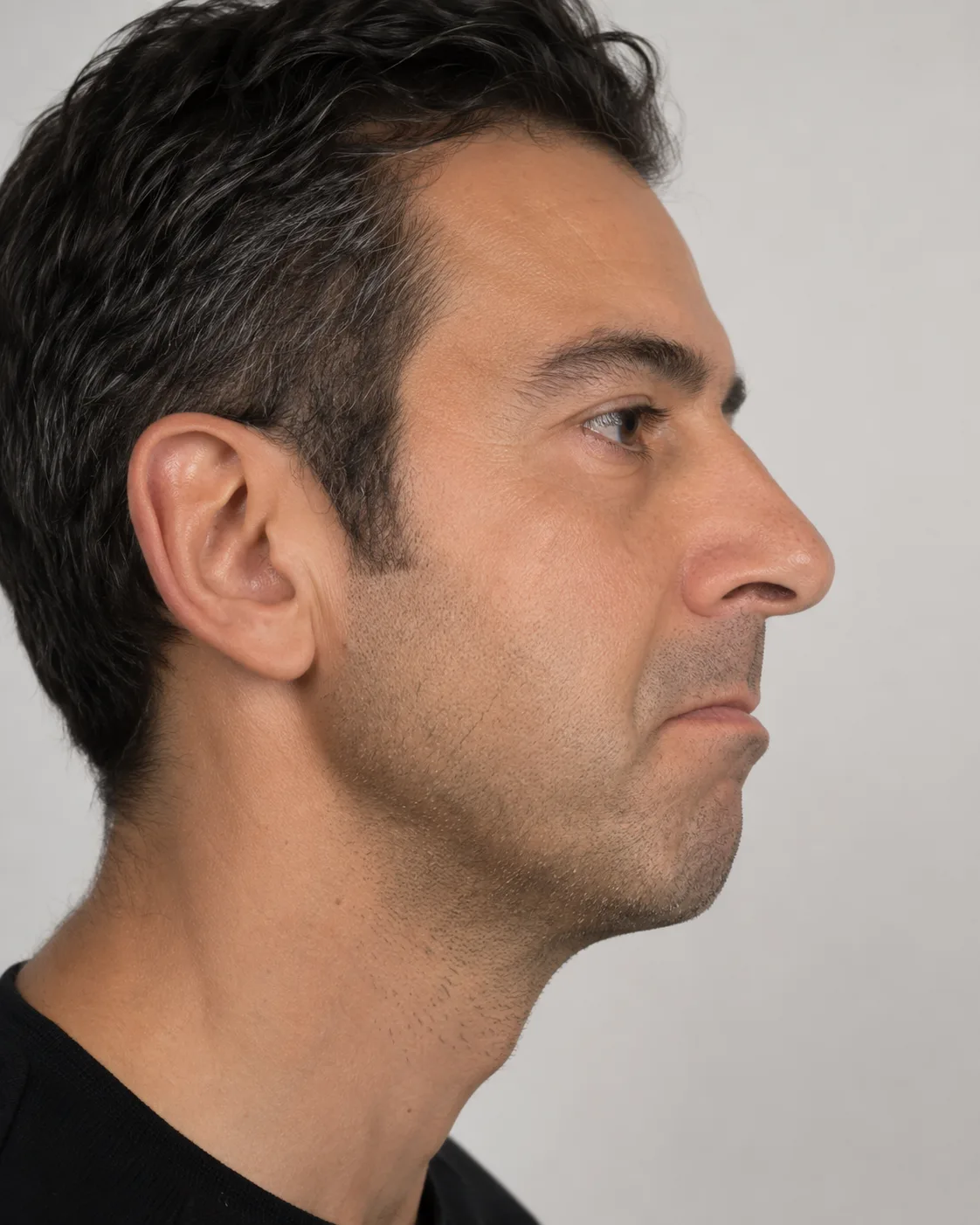
The front view shows border definition, symmetry and the upper to lower relationship. The profile adds projection and how the lips sit with the chin, nose and surrounding lower face.
Neither angle should be treated as the whole answer. Corey brings both together with ordinary movement so advice reflects how the lips are seen in daily life.
What Can A Smile Or Conversation Reveal?
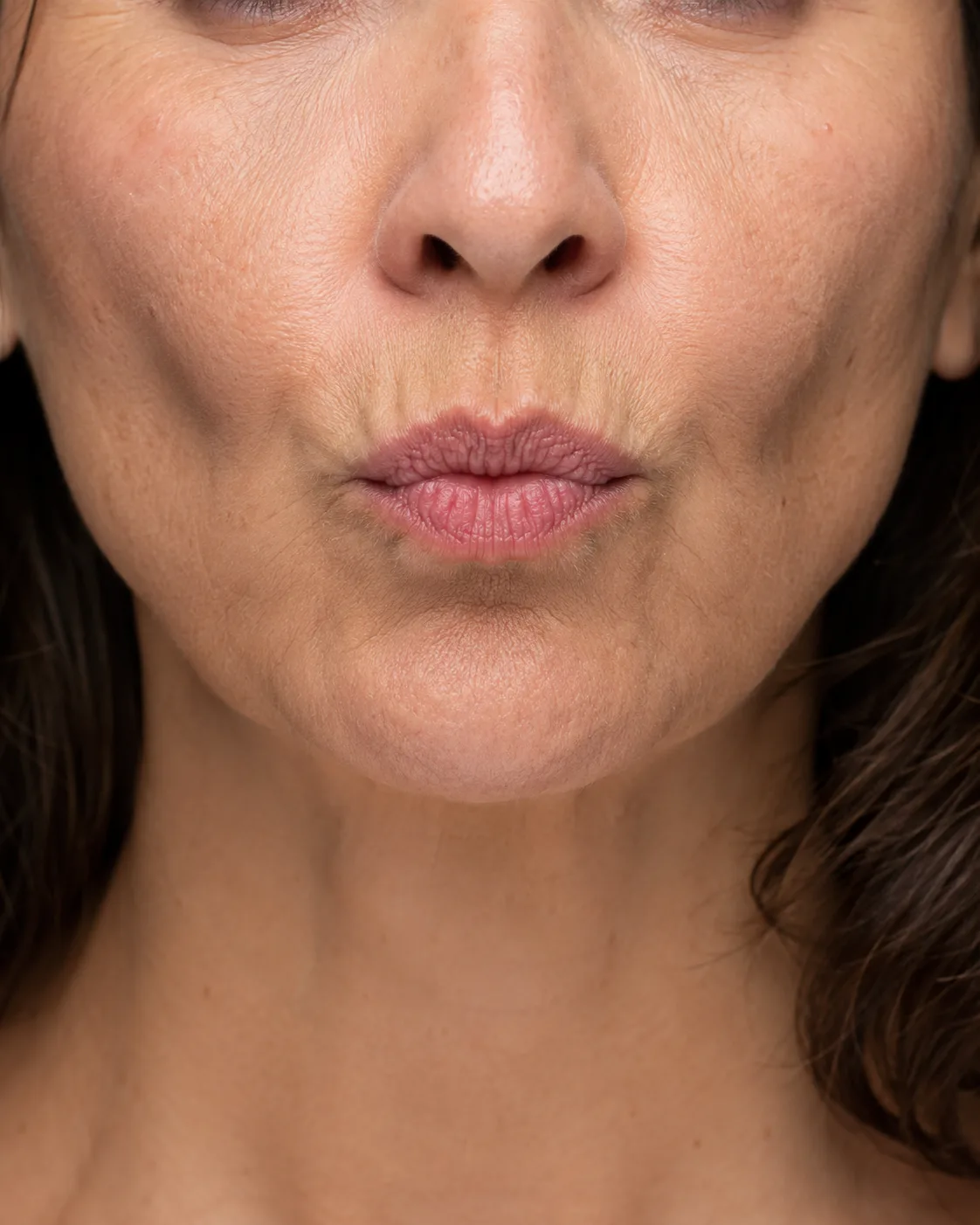
A natural smile changes width, dental show, lip roll and mouth corner position. Speech repeatedly parts and reshapes the lips, sometimes revealing an imbalance that is not obvious in a posed image.
Corey observes these movements without asking you to hold an exaggerated expression. This helps distinguish a resting shape concern from one created mainly by motion or camera angle.
What Should You Bring To The Consultation?
Bring details that help connect appearance, oral health and timing.
- Photographs that show the angle or expression that prompted the question.
- Dates and records from previous cosmetic care where available.
- A current medicine and allergy list, plus relevant health changes.
- Cold sore history, recent dental work and planned dental appointments.
- The proportions, expressions and features you want to preserve.
Which Views Answer Different Parts Of The Question?
Each view contributes a different piece of the assessment.
| View or movement | What Corey observes | Why it matters |
|---|---|---|
| Front at rest | Border, symmetry and upper to lower relationship | Establishes the baseline shape. |
| Side profile | Projection and lower face balance | Places lip shape beside the chin and nose. |
| Natural smile | Width, dental show and mouth corner position | Shows how proportion changes with expression. |
| Conversation | Parting, rolling and repeated movement | Connects the plan to familiar daily expression. |
How Do Dental Health And Cold Sore History Affect Timing?
Recent dental work, planned dental appointments, oral inflammation and cold sore history can change the information Corey needs and the timing of suitable care. Mention them even when the concern feels entirely cosmetic.
New pain, ulceration, numbness, infection or a rapidly changing lump needs assessment by a dentist, GP or another appropriate clinician. Cosmetic planning can proceed with greater clarity once the relevant health issue is understood.
How Can You Describe The Result You Want Without Overfixing The Plan?
Name the view
Say whether the front, profile, smile or speech makes the concern clearest.
Describe proportion
Explain whether border, lip body, projection, symmetry or the upper to lower relationship leads the question.
Protect familiar expression
Tell Corey what you want unchanged when you smile and speak.
Share dental and calendar dates
These details help care and review fit safely around daily commitments.
Ask about realistic limits
Corey should explain what a suitable option may change, what it cannot change and how follow-up works.
How Can The Assessment Redirect A Volume Request?
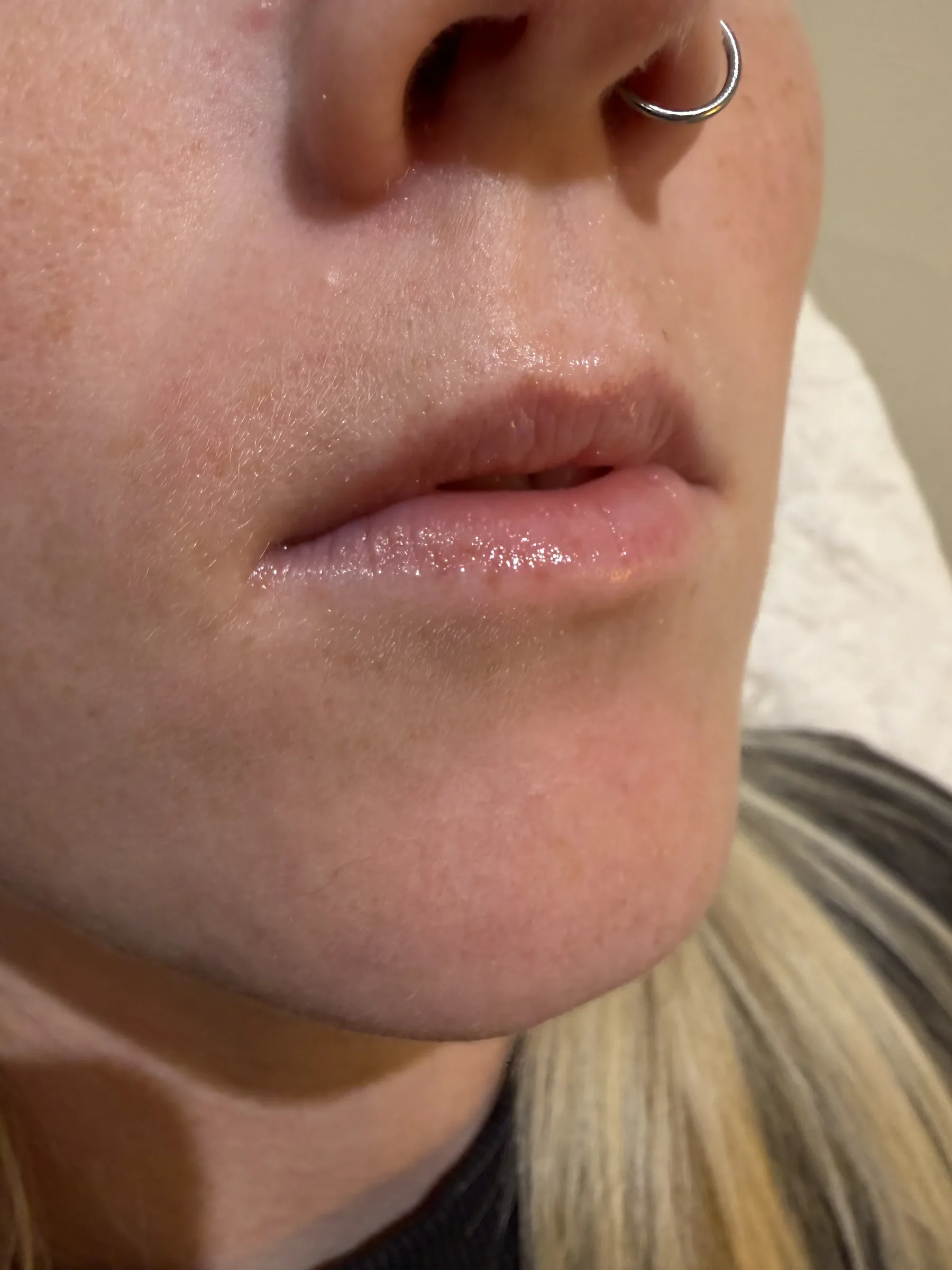
A request described as more volume may turn out to centre on border definition, profile projection, smile movement, mouth corner support or broader lower face proportion. Corey identifies the leading issue before narrowing the discussion.
He then explains suitable options, material risks and realistic limits. When assessment and informed consent support an option, suitable care can be planned around the expressions and proportions you value.
Which Guide Fits A Different Lip Or Route Question?
Use the Melbourne lip consultation guide for the broader clinical framework, the Oakleigh lip guide for clinic-centred planning, and the suitability guide for health and consent preparation.
If Westall or the Monash business precinct is the actual starting point, choose the neighbouring route guide that makes follow-up easiest rather than treating the postcode as a clinical difference.
What Could Affect The Lips, Smile Or Recovery?
Depending on the option and individual context, discussion can include swelling, bruising, tenderness, asymmetry, lumps, infection, cold sore reactivation, dissatisfaction and uncommon serious vascular complications. Corey explains warning signs, clinic contact and when urgent assessment is needed.
He also explains what movement, tissue, dental context and lower face proportion may limit. A careful plan connects expected change with the features you want preserved.
Where Does Corey Lead The Consultation?
Core Aesthetics is at 12A Atherton Road, Oakleigh VIC 3166. Phone 0491 706 705. Check current directions from the station, Clayton Road, the Monash precinct or your actual starting point.
Consultations are led by Corey Anderson RN, Registered Nurse, Ahpra registration NMW0001047575. Use verify Corey and the clinic, view pricing context or book a consultation.
How Does Assessment Become A Comfortable Plan?
Corey reviews the front, profile and movement pattern alongside health history, goals and practical timing. He explains suitable options, material risks, alternatives, costs, aftercare and follow-up before you decide.
When an option is clinically appropriate and informed consent is complete, suitable care can be planned. Adjusted timing or more information can be incorporated when dental care, illness, travel or recovery commitments need coordination.
What Can This Guide Answer?
This page helps adults prepare for a lip volume consultation near Clayton. It provides general education and cannot diagnose a concern or confirm individual suitability.
Personal advice requires assessment with an appropriately qualified health practitioner who can consider oral health, movement, proportion, material risks, alternatives and consent.
Is this for you?
Consider booking a consultation if
- Adults near Clayton wanting lip proportion and movement assessment before option discussion
- Patients who want consultation-first explanation of shape, volume, tissue behaviour, risk and consent
- People who want lip shape, movement and proportion assessed before choosing the next step
- Patients who want to verify Corey Anderson RN and the Oakleigh clinic before booking
This may not be for you if
- People asking for a predetermined plan without assessment, consent or risk discussion
- People with urgent medical symptoms, active infection, acute swelling or rapidly changing lip symptoms
- People wanting a fixed cosmetic change before proportion, movement and tissue behaviour are assessed
- People seeking elective cosmetic care for someone who cannot provide informed consent
Suitability is confirmed at consultation. This list is general guidance, not a substitute for clinical assessment.
Frequently asked questions
Why does Corey compare the front view with the profile?
The front shows border, symmetry and upper to lower relationship, while the profile adds projection and lower face balance. Combining them prevents one angle from defining the whole concern.
What does a natural smile add to the assessment?
Smiling changes lip width, dental show, lip roll and mouth corner position. It shows how resting proportion changes during a familiar expression and whether the concern is movement dependent.
Why is speech observed?
Conversation repeatedly parts and reshapes the lips. It can reveal movement that does not appear in a posed photograph and helps Corey understand which expressions you want preserved.
Should I mention dental work or cold sores?
Yes. Recent or planned dental work, oral inflammation and cold sore history can affect the information Corey needs, risk discussion and timing of suitable care.
Can photographs help explain the concern?
Yes. Photographs can identify the angle or expression that prompted the question, but they are context rather than a result target. Direct assessment provides the basis for personal advice.
Which risks may be discussed?
Depending on the option, Corey may discuss swelling, bruising, tenderness, asymmetry, lumps, infection, cold sore reactivation, dissatisfaction and uncommon serious vascular complications, as well as warning signs and review access.
How can I verify Corey and prepare the route?
Use the clinic verification page and Ahpra public register for registration NMW0001047575, then check current directions from your actual starting point and allow time for an unhurried consultation.