A bruising timeline should record direction, not predict an exact clearing day. Start with the care date and time, when the mark was first noticed, its location and edge, approximate size, swelling, pain, warmth, associated symptoms and a photograph taken in consistent light. At each later check, ask whether it is smaller, stable or spreading and whether symptoms are improving, unchanged or worsening. Colour alone cannot establish the bruise’s age or safety. Severe or increasing pain, marked skin colour change, visual symptoms, breathing difficulty, rapid swelling, weakness, fever, spreading redness, discharge or feeling very unwell needs prompt medical advice.
Why Is A Bruising Timeline Not A Countdown?
People often ask how many days a bruise will last. A single number can sound reassuring but ignores the area, depth, skin, health history, medicines, previous care and whether the mark is actually behaving like an ordinary bruise.
The safer question is directional: compared with the last reliable check, is the mark smaller, stable or spreading, and are the accompanying symptoms improving, unchanged or worsening?
What Should Be Recorded First?
- The date and time of the cosmetic care.
- When the mark was first noticed.
- The exact location and which side.
- Approximate length and width without pressing the area.
- Whether the edge is contained, fading or extending.
- Pain at rest, swelling, warmth and any other symptom.
- The aftercare contact supplied by the treating clinic.
If a detail is unknown, write unknown. Do not reconstruct a product, amount or placement from appearance alone.
Use Four Checkpoints Instead Of A Universal Day Count
| Checkpoint | Record | Decision question |
|---|---|---|
| Care time | What occurred according to the clinical record and what aftercare was supplied | Do I know who to contact and which symptoms bypass routine review? |
| First noticed | Time, place, size, edge, pain, swelling, warmth and associated symptoms | Is this stable enough to document or does it need prompt advice? |
| Next comparable check | The same observations under similar light and camera conditions | Is the direction smaller, stable, spreading, improving or worsening? |
| Contact or review | What changed, when it changed and the advice received | Should the next step be ordinary monitoring, clinic review or medical care? |
The treating practitioner’s individual instructions determine the actual check and review timing.

Why Can Colour Mislead?
Colour can look different with skin tone, camera processing, make up, room light, flash and the depth of the mark. More than one colour can appear in the same bruise. A colour change does not cancel pain, swelling, warmth or another concerning symptom.
Write the colour as an observation if useful, but do not use a colour chart to declare the bruise safe or assign an exact age.
Map The Edge Without Pressing The Area
Choose fixed nearby landmarks and estimate the longest and widest points. A small ruler can sit beside the skin for scale, but should not press on a tender area. Do not draw, rub or massage unless the treating clinician has specifically told you to do so.
The map is most useful when it can answer whether the boundary is contained, fading at the edge or extending beyond the previous comparison.
How Should A Comparison Photograph Be Taken?
- Use the same room and light where practical.
- Keep camera distance, lens, angle and expression similar.
- Include the whole region before taking a closer view.
- Add the date and time outside the image rather than editing the skin.
- Do not use filters, portrait retouching or beauty mode.
- Keep the original file available for the treating clinic.
A photograph can document a change. It cannot diagnose the cause or replace urgent assessment.
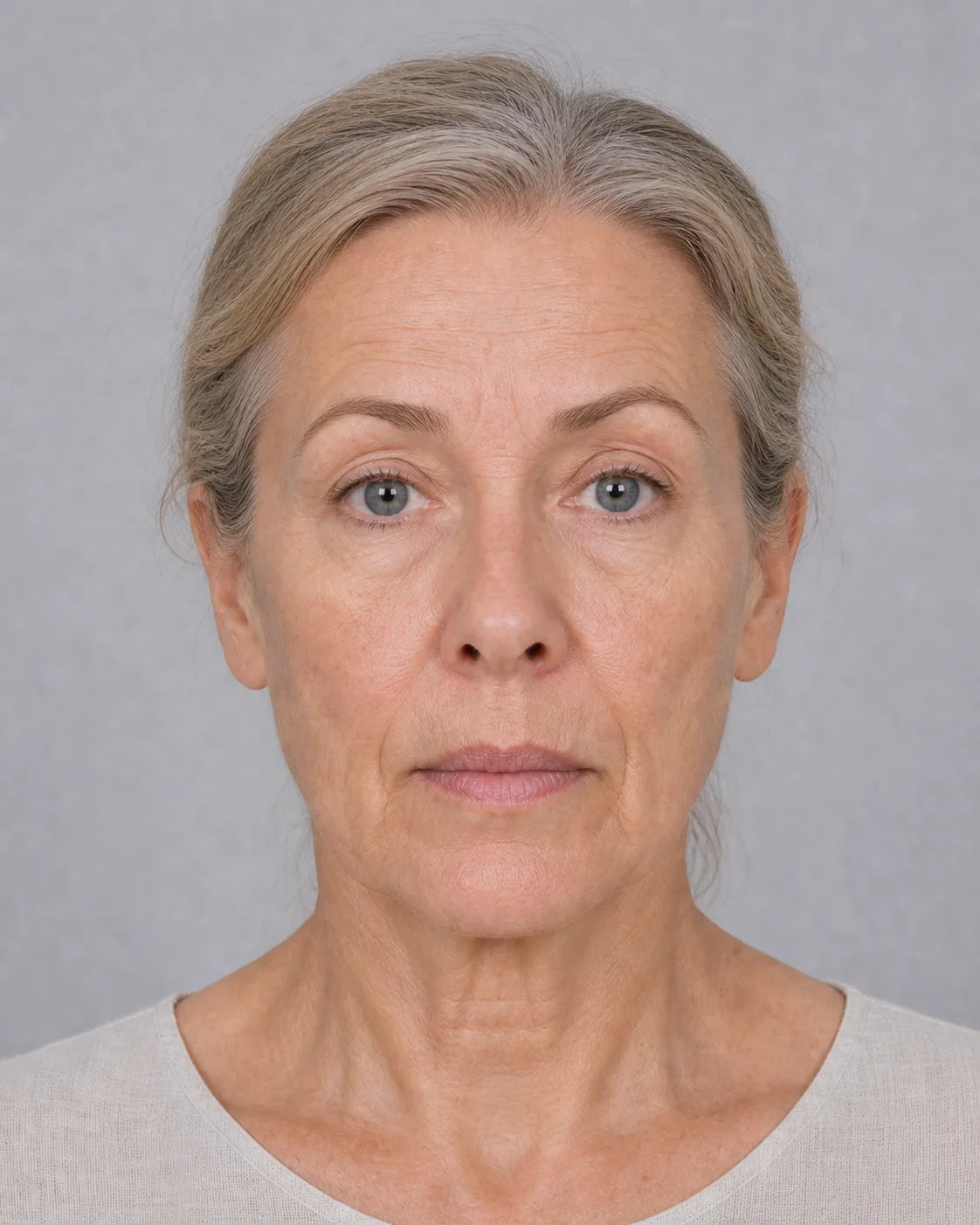
Use A Two Line Update For The Clinic
Line one: “Care occurred on [date and time]; the mark was first noticed on [date and time] at [location].” Line two: “Since the last check it is [smaller, stable or spreading], while pain, swelling and other symptoms are [improving, unchanged or worsening].”
Add the photographs and any question the aftercare instructions do not answer. This is easier to triage than “is this normal?” without dates or direction.
Which Changes Should Not Wait For A Routine Timeline?
Seek prompt medical advice for severe or increasing pain, marked pallor, dusky or mottled skin, visual disturbance, weakness, altered sensation, rapidly increasing swelling, breathing difficulty, widespread rash, fever, spreading redness, discharge, persistent bleeding or feeling very unwell.
This list cannot cover every urgent situation. Call 000 in Australia for a critical or life threatening emergency. Do not drive yourself if vision, consciousness or severe illness is affected.
Contact The Treating Clinic With The Record
The clinic that provided the care should have the procedure record, consent discussion and aftercare plan. Give them the care time, first-noticed time, location, direction of change, symptoms and photographs.
If the clinic cannot be reached or the concern is urgent, use an appropriate medical service. A public webpage and a routine booking request are not emergency pathways.
Medicines And Supplements Need A Clinician, Not A Guess
Some medicines and health conditions can affect bleeding or bruising, but that does not make them the cause of a specific mark. Do not stop a prescribed medicine, change a dose or add a remedy because a website says it may influence bruising.
Give the clinician an accurate list, including medicines, supplements, allergies and relevant health history. The prescriber or treating health professional can advise what is appropriate.
Do Not Hide The Direction Of Change
Make up may be a practical concern for work or an event, but the clinician still needs an unedited description and photographs. If the mark is being covered, save a clear image first and follow the aftercare instructions about what can be applied to the area.
Do not let an upcoming event become the reason to ignore pain, spreading change or a symptom that needs review.
What Can Corey Assess At A Non Urgent Review?
Corey Anderson RN can review the timeline, available treatment record, medicines and health context, compare the area with earlier photographs and decide whether the concern remains within nursing and clinic scope.
The useful outcome may be continued observation, contact with the original clinic, medical assessment, referral or no further cosmetic care. A non urgent review cannot promise when a mark will clear.

Keep The Bruising Pages In Separate Lanes
This page owns the dated bruise record and direction of change. Bruising after aesthetic care covers general influences, risk discussion and aftercare. The recovery timeline covers the wider set of post-care observations.
The post-care concern safety guide owns the first response to a possible complication, while complication consultation explains a non urgent review pathway. Use the urgent route when symptoms require it.
Prepare Before Any Future Cosmetic Decision
Previous bruising belongs in a future history, but it cannot predict every later experience. Bring the timeline, the clinical record if available, the medicine list, what the clinic advised and whether medical care was needed.
A future consultation can discuss risk, alternatives, practical recovery and the option not to proceed. A past bruise does not create an automatic repeat plan or an automatic ban.
Verify The Named Practitioner
Corey Anderson is a Registered Nurse with Ahpra registration NMW0001047575 at Core Aesthetics, 12A Atherton Road, Oakleigh VIC 3166. Phone 0491 706 705.
Compare the Core Aesthetics verification page with the independent Ahpra public register before sharing health information or paying.
Questions About A Bruising Timeline
How long should a bruise last after cosmetic care?
There is no reliable universal day count for every person, area or type of care. Follow the individual aftercare advice and record whether the mark and symptoms are improving, stable or worsening. Contact the treating clinic when the direction is unclear or outside the advice supplied.
What time starts the bruising timeline?
Record both the date and time of the cosmetic care and the time the mark was first noticed. They answer different questions. If the exact time is unknown, write the closest reliable window rather than guessing.
Can bruise colour tell me how old it is?
Colour alone cannot assign a precise age or establish safety. Skin tone, depth, lighting, camera processing and more than one colour within the same mark can affect what is seen. Size, edge, symptoms and direction of change need to be recorded alongside colour.
How often should I photograph the bruise?
Use the timing in the treating clinic’s aftercare instructions. Take enough comparable photographs to show direction, not repeated images every few minutes. Use similar light, distance, angle and expression and keep the original files.
Should I outline the bruise on my skin?
Do not draw, press, rub or massage the area unless the treating clinician has specifically advised it. Use fixed nearby landmarks, a ruler placed beside rather than on the tender area and comparable photographs to describe the boundary.
Should I stop a blood thinning medicine because of bruising?
Do not stop or alter a prescribed medicine based on a website. Tell the treating clinic and the medicine prescriber what happened, provide an accurate medicine and supplement list and follow individual clinical advice.
When does bruising need prompt medical advice?
Prompt advice is needed for severe or increasing pain, marked pale, dusky or mottled skin, visual symptoms, weakness, altered sensation, rapid swelling, breathing difficulty, widespread rash, fever, spreading redness, discharge, persistent bleeding or feeling very unwell. Call 000 for a critical emergency.
Should I contact the clinic that provided the care?
Yes, when it is safe to do so. The treating clinic should hold the care record and aftercare plan. Provide dates, location, direction of change, symptoms and photographs. Use urgent medical care instead of waiting for a routine reply when symptoms require it.
Can Corey review bruising after care provided elsewhere?
Corey may be able to assess a suitable non urgent concern within nursing and clinic scope. The original clinic record and contact remain important, and urgent symptoms require an appropriate medical pathway rather than a routine second opinion booking.
How is this different from the general bruising page?
This page is a documentation tool focused on time, size, edge, symptoms and comparable photographs. The general bruising page explains broader influences, risk discussion and aftercare. The complication pages explain escalation and non urgent review pathways.
Is this for you?
Consider booking a consultation if
- Adults recording a non urgent bruise under the treating clinic’s aftercare plan
- People who can compare size, edge and symptoms without pressing the area
- Readers preparing a clear dated update for the treating clinic
- People who accept that colour and a web page cannot establish safety
This may not be for you if
- Anyone with severe, rapidly changing or medically concerning symptoms
- People seeking an exact clearing day or diagnosis from photographs
- Anyone considering changing prescribed medicine without clinical advice
- People using a routine cosmetic appointment instead of urgent medical care
Suitability is confirmed at consultation. This list is general guidance, not a substitute for clinical assessment.
Clinical references
- Ahpra: Guidelines for registered health practitioners who perform non-surgical cosmetic procedures
- Ahpra: Advertising higher risk non-surgical cosmetic procedures
- TGA: Advertising health services that involve therapeutic goods
- Healthdirect: Bumps, knocks and bruises
- Ahpra: Public register of practitioners