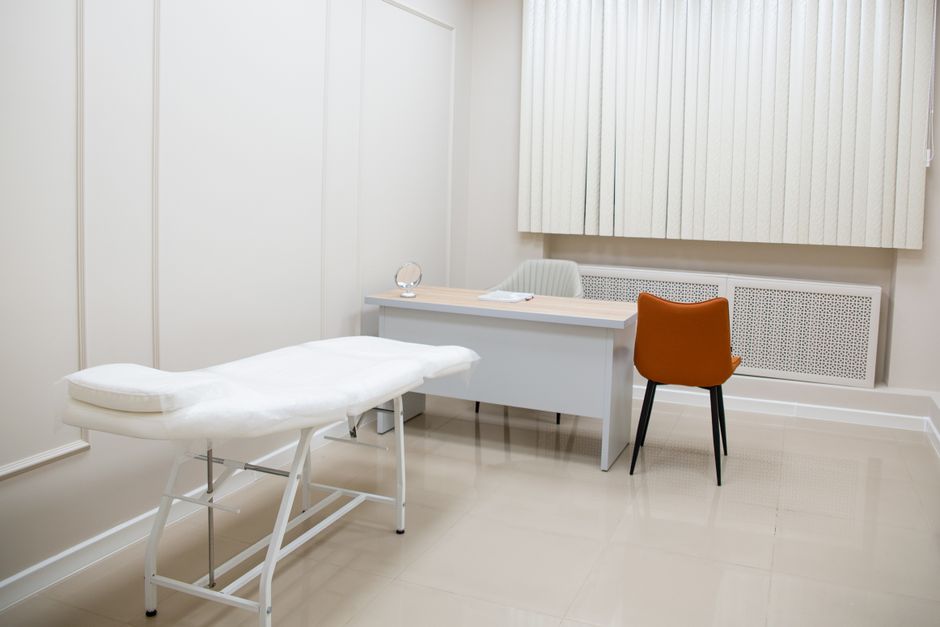
A well-prepared list of questions can help you understand suitability, risks, alternatives, consent and aftercare before you decide whether any aesthetic treatment is right for you. An aesthetic consultation is an assessment, not a commitment to treatment. You can ask questions, take time to consider the information, seek another opinion or choose no treatment.
Why does a consultation come first?
A consultation should give you a private opportunity to explain what you have noticed, discuss your health history and clarify what outcome matters to you. The practitioner should assess whether any treatment is clinically appropriate for your circumstances. A consultation may conclude that treatment is not suitable or that another form of care is more appropriate.
What should I ask about registration and clinical responsibility?
Ask whether the practitioner is currently registered with Ahpra and how their scope of practice relates to the care being discussed. You can check registration independently through the Ahpra register. Ask who would personally assess you, who would perform any treatment, who is responsible for the clinical plan and how supervision or referral works where relevant.
What should I ask about suitability?
Ask what information the practitioner needs about your health, allergies, previous procedures, medicines, supplements, pregnancy or breastfeeding, and any relevant medical history. Tell the practitioner about previous adverse reactions and any current concerns. Ask what factors could mean treatment should be delayed, changed or not undertaken.
What risks and limitations should be explained?
Ask for a plain-language explanation of expected effects, limitations, common temporary reactions and less common but serious complications relevant to the proposed care. Ask how concerns are assessed after an appointment, who to contact if something does not feel right, and when urgent medical attention may be needed. The discussion should be specific to you rather than a promise of a particular result.
What alternatives should I consider?
Ask whether there are non-procedural options, a different approach, referral to another health professional, or no treatment. You should have enough information about benefits, risks, limitations and alternatives to make a voluntary decision. There should be no pressure to decide on the day.
What should I ask about products and sourcing?
If a product or device is proposed, ask what it is, why it is being considered, how it is sourced and what information you will receive. Do not assume that a product is suitable merely because it is marketed online. Ask the practitioner to explain the relevant Australian regulatory position and how product identification, storage and batch records are managed. Where applicable, you can check information in the TGA Australian Register of Therapeutic Goods.
What should I ask about consent and privacy?
Ask what written information you will receive, how consent is recorded and whether you can withdraw consent before treatment. Clarify whether photographs or other records will be taken, why they are needed, where they are stored, who can access them and whether they may be used for education or marketing. Ask how your information is handled and how to request access to your records.
What should I ask about time, fees and aftercare?
Ask how long the consultation takes, what the consultation fee is, whether any fee is refundable or credited, and whether treatment can occur on the same day. Same-day treatment should never be assumed. Ask what aftercare is relevant, what activities may need to be avoided, how follow-up works and what happens if you decide not to proceed.
How Core Aesthetics approaches consultations
Core Aesthetics begins with a private consultation focused on your concerns, health, priorities and questions. Corey, the founder, has established a consultation-led approach that supports careful assessment and clear information before any treatment decision. As the clinic grows, care is provided by appropriately qualified practitioners working within their current scope and the clinic’s clinical governance arrangements.
A consultation may lead to a treatment plan, a recommendation to wait, a referral or no treatment. The aim is to help you make an informed decision that feels appropriate for you, without pressure or a guaranteed outcome.
Key questions to take with you
• Is this suitable for me and what could make it unsuitable?
• Who will assess and treat me, and how can I check their registration?
• What are the benefits, risks, limitations and alternatives?
• What happens if I choose no treatment or change my mind?
• How will consent, photographs and health information be handled?
• What aftercare and follow-up support will be available?
A consultation at Core Aesthetics is a sensible first step if you want to understand your options. Book a consultation to discuss your questions and suitability with the clinic team. Booking a consultation does not commit you to treatment.
Information sources
Ahpra register: https://www.ahpra.gov.au/Registration/Registers-of-Practitioners.aspx
Australian Government Department of Health and Aged Care: https://www.health.gov.au/
Therapeutic Goods Administration: https://www.tga.gov.au/