For a cheek volume consultation near Bentleigh, prepare a preservation brief alongside the concern. Record how your cheek lifts during a natural smile, which familiar side differences should remain, how much facial width feels recognisable, and whether you value a soft rather than sharply defined contour. These preferences do not prescribe a treatment or result. Corey Anderson RN combines them with direct assessment of cheek structure, skin, movement, health, medicines, previous care, risks and realistic limits. Suitable care can be planned when individual assessment and informed consent support it, with the preservation brief helping define what should not be lost in the process.
Why Write A Preservation Brief?
People often arrive ready to describe a hollow, shadow or flatter contour but have not been asked what already feels right. That missing information can make a goal sound narrower than it is.
A preservation brief gives familiar expression and proportion equal weight with the desired change.
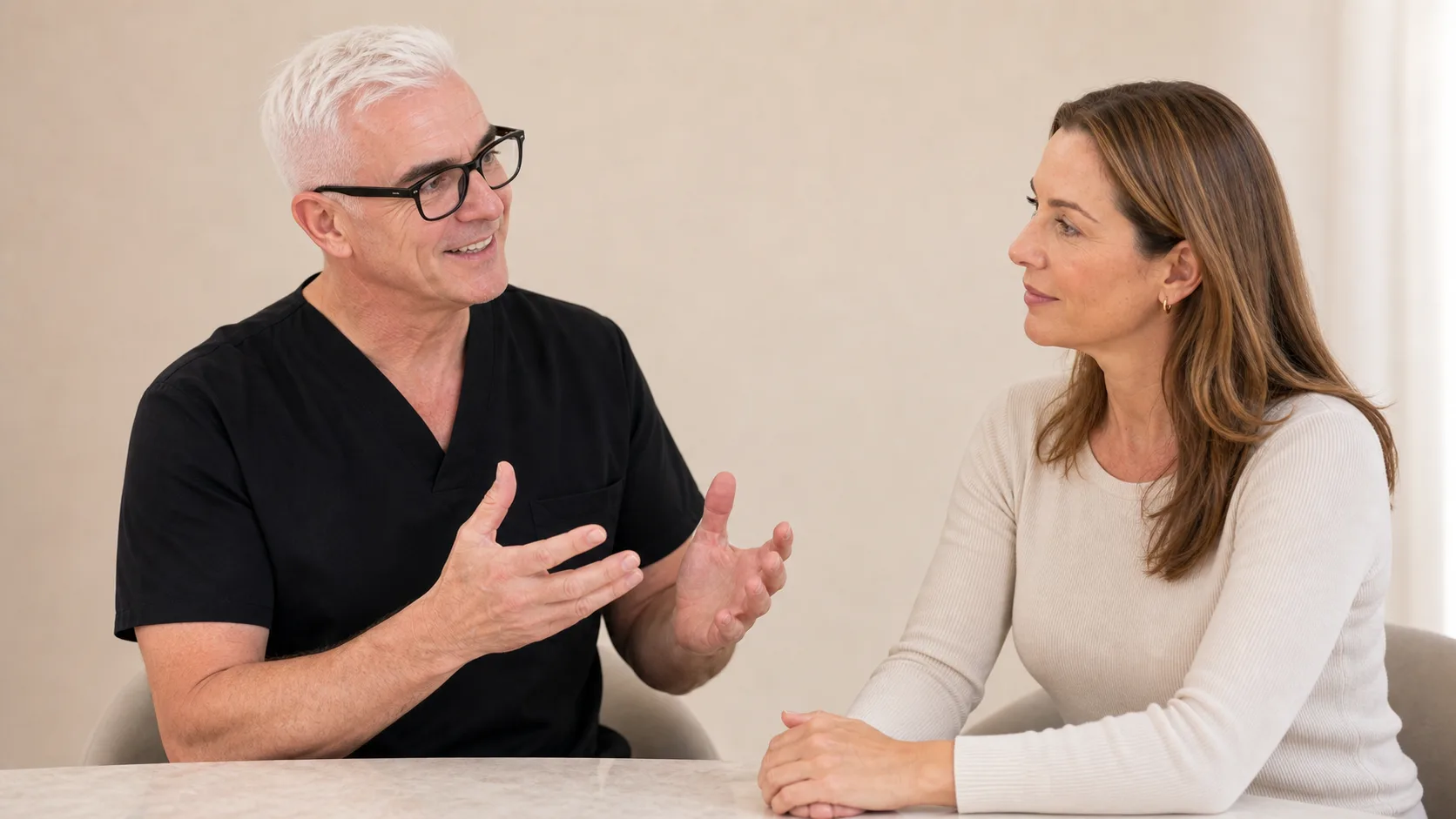
What Are The Four Features To Preserve?
| Feature | What to describe | Why it matters |
|---|---|---|
| Smile lift | How the cheek moves during a natural smile | Keeps expression central |
| Side differences | Asymmetry that feels familiar | Avoids an artificial symmetry target |
| Facial width | How broad or narrow the midface feels | Protects whole-face proportion |
| Softness | Rounded rather than sharply sculpted contour | Defines the preferred character |
How Do You Describe Smile Lift?
Use an ordinary comfortable smile rather than a held pose. Note how the cheek rises, how the under eye junction changes and which expressions feel most recognisable.
Corey compares rest, speech and smile so the concern is not assessed from a still image alone.
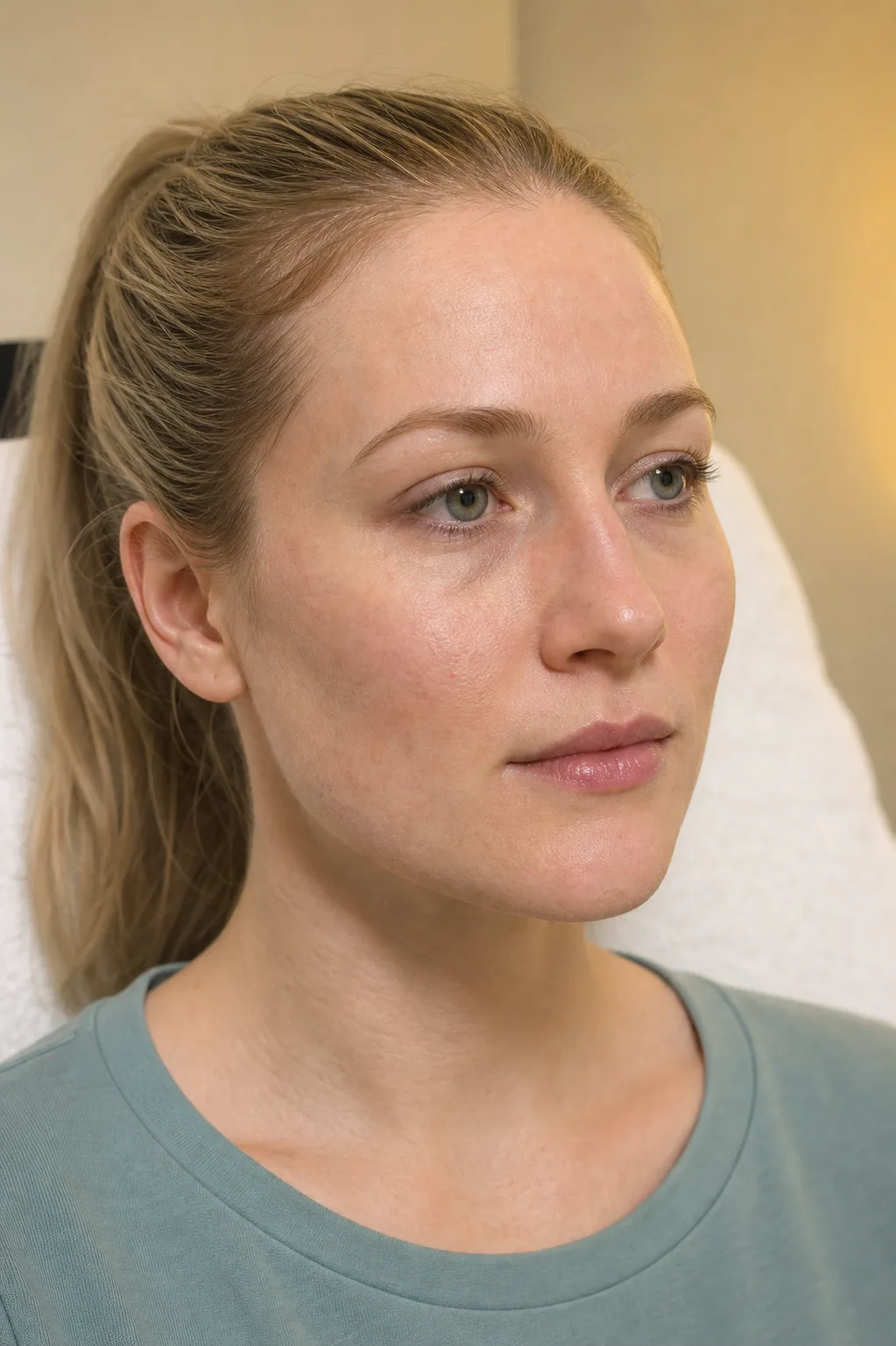
Why Preserve Natural Side Differences?
Most faces have differences in cheek height, width, light and movement. Some are longstanding characteristics rather than problems to correct.
Tell Corey which asymmetry feels familiar and which recent or changing difference prompted the consultation. Exact symmetry is not used as the goal.
How Does Facial Width Enter The Brief?
Cheek contour influences how broad the central face appears from front and angled views. A close camera can also enlarge this region and distort the comparison.
Whole-face assessment helps keep the cheek in proportion with temples, lower face and chin without assuming those regions need care.
What Does Familiar Softness Mean?
Some people prefer a soft, gradual cheek transition rather than a sharply defined or sculpted appearance. Others want to understand a specific shadow while keeping the overall character gentle.
Plain language is enough. You do not need to choose a product, amount or technical shape.
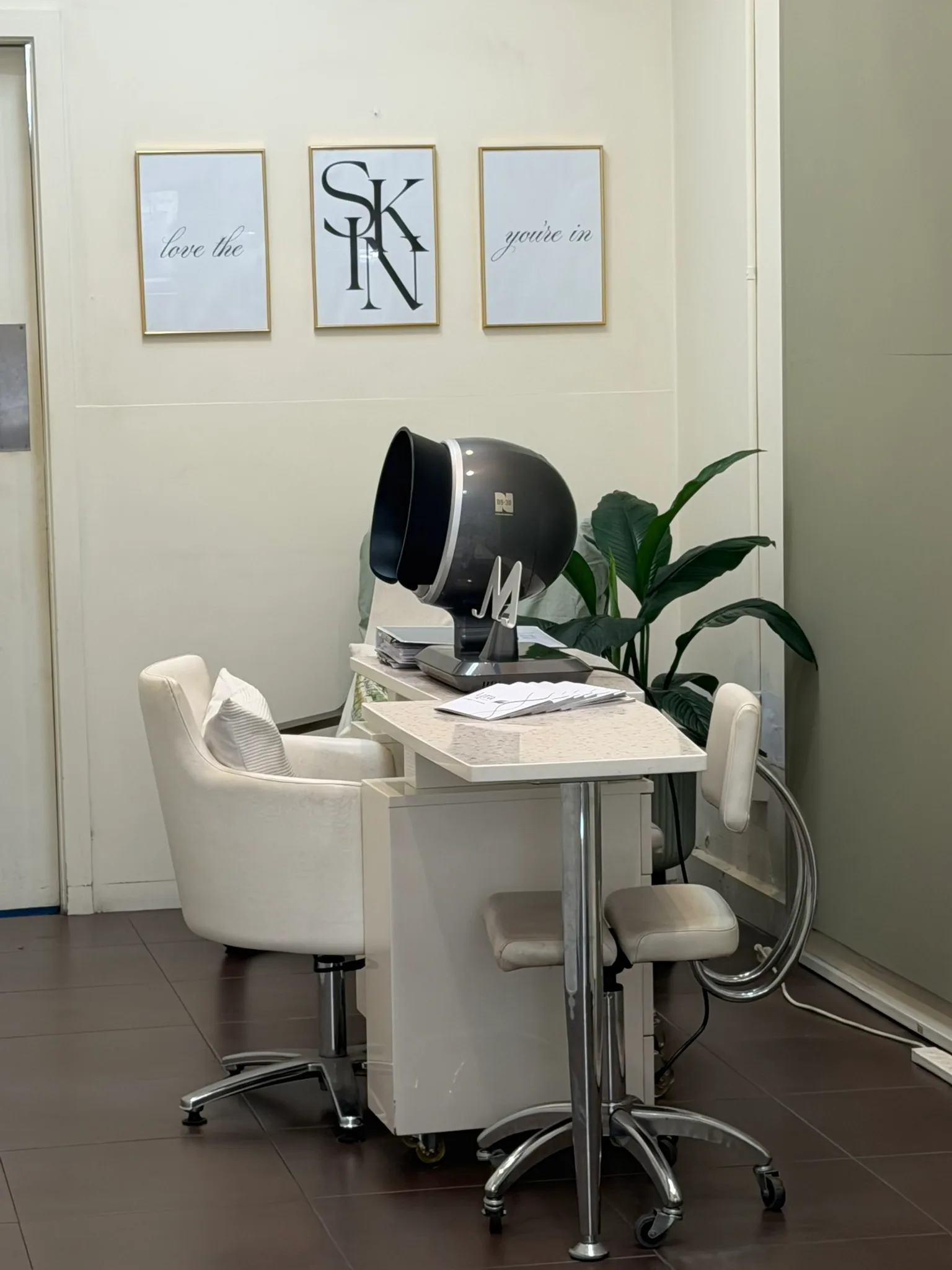
What Clinical Context Sits Beside The Brief?
Bring current medicines and supplements, allergies, relevant health and skin history, weight change, dental or facial procedures and previous cosmetic care with approximate dates.
Depending on a suitable option, risks may include redness, tenderness, swelling, bruising, asymmetry, lumps, infection, delayed inflammatory response, dissatisfaction and uncommon urgent vascular warning signs. Corey explains alternatives, limits, cost, aftercare and follow up.
Where Can You Continue The Cheek Discussion?
Read the Melbourne cheek guide, cheek consultation guide, midface change guide and suitability guide.
This page provides general education and does not diagnose a cheek concern, confirm suitability or replace personal medical advice. These cosmetic procedure guidelines inform the consultation process. See the Ahpra guidelines for registered health practitioners who perform non-surgical cosmetic procedures and the TGA guidance for advertising health services involving therapeutic goods.
Is this for you?
Consider booking a consultation if
- Adults near Bentleigh wanting cheek and midface assessment before treatment discussion
- Patients who want consultation-first explanation of cheek support, skin quality, risk and consent
- People open to exploring facial structure, skin quality and proportion, suitable options, timing and review needs
- Patients who want to verify Corey Anderson RN and the Oakleigh clinic before booking
This may not be for you if
- People asking for a predetermined plan without assessment, consent or risk discussion
- People with urgent medical symptoms, active infection, acute swelling or rapidly changing facial symptoms
- People wanting a fixed cosmetic change before facial structure and skin quality are assessed
- People seeking elective cosmetic care for someone who cannot provide informed consent
Suitability is confirmed at consultation. This list is general guidance, not a substitute for clinical assessment.
Frequently asked questions
What is a cheek preservation brief?
It records the smile movement, natural side differences, facial width and familiar softness you want retained alongside the concern you want individually assessed during consultation.
Why discuss what I want to preserve?
A goal is incomplete if it only names a problem. Preservation preferences help Corey understand familiar expression and proportion before any suitable change is discussed.
Should natural cheek asymmetry be corrected?
Not automatically. Familiar side differences are common and may be worth preserving. Corey distinguishes longstanding asymmetry from a recent or changing concern during direct individual assessment.
How is smile movement included?
Corey observes the cheek at rest, during speech and through a comfortable natural smile. This shows movement and expression that a still photograph cannot capture.
What if I prefer a soft cheek contour?
Say so in plain language. A preference for gentle transitions rather than sharp definition helps frame the discussion without prescribing a product, amount or promised result.
What should I bring after previous cheek care?
Bring approximate dates, relevant treated areas, available records and practitioner or product details when known. Mention persistent swelling, firmness, tenderness, colour change or another unfamiliar response.
Is Core Aesthetics located in Bentleigh?
No. The clinic is in Oakleigh. Check the journey from your actual starting point and whether returning for planned review would be practical before booking.