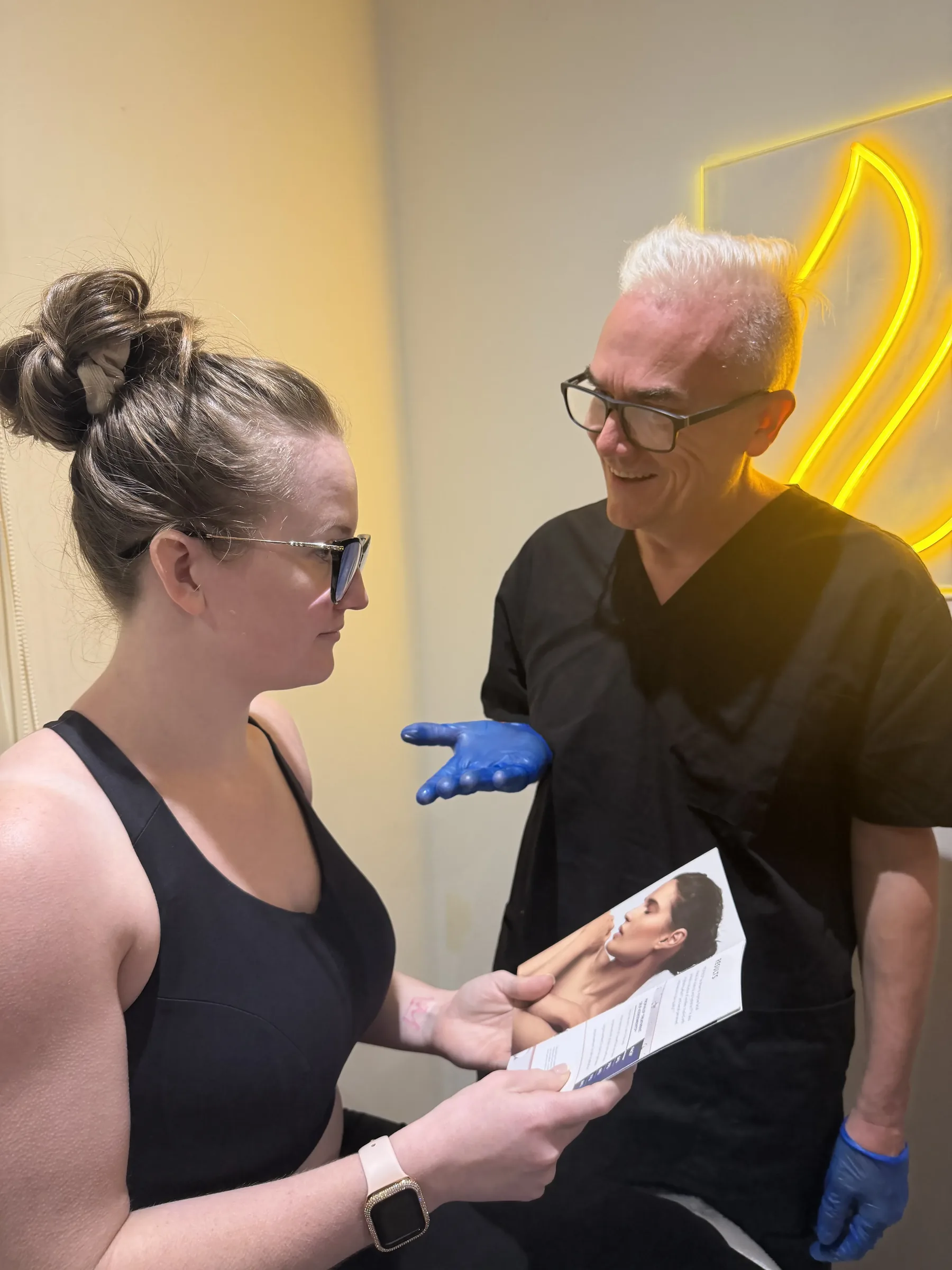
Most people walk into a cosmetic consultation expecting to talk about what can be done. That makes sense. They have noticed a change, seen something online, or had an idea sitting in the back of their mind for a while. At Core Aesthetics in Oakleigh, the philosophy is consultation first, treatment second, and sometimes that consultation ends with a thoughtful no. Not because the concern is not real, but because the safest, most appropriate path forward is not always the one the patient arrived expecting.
Table of Contents
- The Consultation Is Not a Sales Appointment
- Why a Cautious Approach Matters in Cosmetic Medicine
- Anatomy, Proportion, and the Limits of Treatment
- The Problem with the "Shopping List" Mentality
- Informed Consent and the Right to Pause
- What a Good Consultation Should Leave You With
- Book a Consultation First in Oakleigh
But one of the most useful parts of a good consultation is not simply finding the fastest way to say yes. Sometimes the most important answer is no. Or not yet. Or not that option. Or let us look at what is actually causing the concern first.
That may sound disappointing, but in cosmetic care, a thoughtful no can be a very good thing. It can protect your health, your appearance, your money, and your peace of mind. It can save you from a result that does not match what you actually wanted. And it can build trust in a practitioner who is willing to be honest even when honesty is not what you came to hear.
The Consultation Is Not a Sales Appointment
A cosmetic consultation is a clinical conversation, not a sales appointment. The goal is to understand the person in front of you: what they are concerned about, what they expect, what their health history looks like, and whether any treatment would be suitable, safe, and appropriate. The transaction is secondary. The assessment comes first.
A no in this context is not a rejection. It is a protection. It protects the patient from a procedure that may not suit their anatomy, their skin, their health, or their emotional readiness. It protects them from spending money on something that will not deliver the result they are hoping for. And it protects the practitioner's integrity, because no ethical clinician wants to perform a treatment they know is wrong for the person sitting in front of them.


Same-day treatment is never guaranteed at a clinic that takes this approach seriously. It is conditional on assessment, medical history, suitability, and informed consent. If any of those factors raise a concern, the responsible decision is to pause. That is not hesitation for the sake of it. It is clinical responsibility.
Informed consent is not just signing a form. It is understanding the decision. Patients deserve to know what is being considered, why it may or may not suit them, what the risks and limitations are, what aftercare involves, and what could happen if they choose not to proceed. A practitioner who rushes through this process is not doing their job properly. A practitioner who says no when the situation calls for it is.
Why a Cautious Approach Matters in Cosmetic Medicine
Faces are not flat surfaces. They move, age, swell, rest, smile, frown, and change with sleep, stress, hormones, health, weight changes, and time. A concern that looks simple in a mirror may have several possible causes. The skin might be the issue, or it might be volume loss beneath the skin. It could be muscle activity, or it could be fluid retention. It could be a temporary reaction to something, or it could be a structural change that has been developing for years.
Treating the wrong thing can lead to an unnatural result, unnecessary intervention, or a result that does not match what the person actually wanted. If someone is bothered by what they think is a wrinkle, but the real issue is skin quality and dehydration, injecting the area will not solve the problem. It might even make it look worse. A cautious practitioner does not just look at the concern the patient mentions. They look at the whole face, how it moves, how it balances, and what is actually driving the change.
Corey takes this approach at Core Aesthetics. The priority is long-term facial harmony, not quick fixes. That means asking questions that go deeper than the surface. When did you notice this? What else was happening in your life at the time? Have you had treatments before? How did your skin respond? What are you hoping will change, and what would feel like too much?
A cautious plan is often better than a fast one. It allows time to test how the skin responds, to stage treatments appropriately, and to avoid the kind of cumulative changes that can lead to an overdone look. It also leaves room for the patient to reflect on whether they actually want to proceed. Because the best cosmetic decision is rarely the one made in a hurry.
Unrealistic Expectations and Filtered Ideals


One reason to say no is unrealistic expectation. If someone wants a result that cannot be achieved safely, subtly, or in a way that suits their anatomy, it is better to be honest early. Cosmetic treatment should not be used to chase a filtered image, a trend, or someone else's face.
Social media has made this harder. Filters smooth, lift, and reshape in ways that real anatomy cannot replicate. A practitioner who agrees to chase that look is setting the patient up for disappointment. The consultation is the safe space to realign expectations with reality. That might mean explaining why a certain feature cannot be changed in isolation, or why a particular treatment would look unnatural on that person's bone structure. It might mean saying no to a request that is technically possible but aesthetically unwise.
Timing, Health, and Readiness
Another reason to say no, or not yet, is timing. Skin health, recent procedures, illness, medication changes, upcoming events, travel, dental work, pregnancy, breastfeeding, or recovery from other treatments can all affect whether it is the right moment to proceed.
Someone who has just had a dental procedure may have temporary swelling or asymmetry that makes assessment unreliable. Someone starting a new medication may need time to see how their skin responds. Someone with a wedding in two weeks may not have enough time to heal properly if something unexpected occurs. Sometimes the safest plan is to wait. That is not a delay tactic. It is a responsible clinical decision made for the patient's own good.
When the Concern Needs a Different Kind of Support
There are also times when the concern needs a different kind of support entirely. A good consultation should include space to ask: is this cosmetic, medical, or emotional, or a mix of all three? If a person is distressed, feeling pressured, or hoping treatment will solve a much bigger confidence issue, pressing ahead may not be the kindest option.
Some skin changes are medical and need a GP or dermatologist, not a cosmetic injector. Some concerns are rooted in grief, stress, or life transitions that no amount of filler can address. A practitioner who recognises this and suggests a referral is not dismissing the patient. They are offering the most appropriate care they can. Sometimes the best outcome of a consultation is not a treatment plan, but a gentle redirection toward the right kind of support.
Anatomy, Proportion, and the Limits of Treatment
Everyone's facial structure is different. What looks balanced on one person may look heavy, sharp, tired, or out of place on another. A cautious practitioner is not only thinking about the concern the patient mentions. They are looking at facial movement, proportion, skin quality, previous treatment history, symmetry, and how a change in one area may affect another.
The face is a connected system. Adding volume to the cheeks can change the appearance of the lower lids. Relaxing one muscle group can shift the balance of expression elsewhere. A treatment that looks beautiful in isolation can disrupt the harmony of the whole face if it is not planned carefully. This is why good cosmetic planning is often less about doing more and more about knowing when to stop.
Some patients arrive hoping for a specific treatment because they have seen it work well on someone else. But what suited that person's bone structure, skin thickness, and ageing pattern may not suit theirs. A practitioner who says no to that request is not being difficult. They are respecting the limits of what treatment can achieve on that particular face.
The goal is enhancement, not transformation. A face that still looks like its owner, just more rested or refreshed, is almost always a better outcome than a face that looks like it has been worked on. Achieving that requires restraint. It requires the willingness to say no when a request would tip the balance away from natural and toward something less desirable.
The Problem with the "Shopping List" Mentality
Many patients arrive at a consultation with a list of treatments they have researched online. They know the names, the expected downtime, and the before-and-after photos they are hoping to replicate. The internet can be helpful, but it can also make cosmetic treatment look quicker, simpler, and more predictable than it really is.
Real life has more variables. Outcomes vary from person to person. Risks exist even in experienced hands. Healing is individual, and what looks like a straightforward recovery in a social media post may not reflect the bruising, swelling, or asymmetry that can occur. Maintenance matters too. Some treatments require ongoing commitment, and a patient who is not prepared for that may be better off not starting.
A consultation is not a confirmation of a pre-made decision. It is a clinical evaluation. The practitioner's job is to guide, not to fulfil a wish list. That means asking whether the treatments the patient has in mind actually address the concern they are trying to solve. It means explaining when a different approach would be safer or more effective. And it means being willing to say no when the list does not match the reality of what that person needs.
This is especially important in a market like Oakleigh, where patients may travel from surrounding suburbs expecting a particular outcome. At Core Aesthetics, the approach is consultation first, Oakleigh based, and always focused on what is appropriate for the individual, not what is trending online.
Informed Consent and the Right to Pause
Consent is not just signing a form. It is understanding the decision. Patients deserve to know the risks, the limitations, the aftercare requirements, and the alternatives. They also deserve to know what happens if they choose not to proceed. Sometimes the most empowering thing a practitioner can do is explain that doing nothing is a perfectly reasonable option.
A good consultation leaves the patient feeling more informed, not more pressured. They should understand their options, their limits, their risks, and their reasons. They should also feel allowed to pause. To go home and think. To talk to someone they trust. To book a second consultation if they need more time.
The best cosmetic decision is not always the one that happens quickly. It is the one that still feels sensible when the mirror, the trend, and the sales pitch have all quietened down. A practitioner who respects that timeline is a practitioner who values long-term patient wellbeing over short-term transaction volume.
What a Good Consultation Should Leave You With
A good consultation should leave you with a clearer understanding of your own concerns and your own anatomy. It should give you honest options, including the option to do nothing. There should be no pressure to decide on the spot, no urgency manufactured to close a sale, and no dismissal of your questions or hesitations.
You should walk away with permission to pause, to research further, or to seek a second opinion if you want one. And you should feel that you have met a practitioner who values safety over sales, who listens before they recommend, and who is willing to say no when no is the right answer.
Book a Consultation First in Oakleigh
Core Aesthetics is located at 12A Atherton Road, Oakleigh. The clinic operates on a consultation-led model, which means same-day treatment is never guaranteed. Every decision is made after careful assessment of your medical history, your anatomy, your expectations, and your readiness.
Corey begins with questions, not answers. What bothers you most? When did you notice it? What have you tried before? What are you hoping will change? What would feel like too much? These questions matter because they reveal the full picture, not just the surface concern.
Whether the answer is yes, no, or not yet, the goal is always your safety and your satisfaction. If you are ready to have an honest conversation about your concerns, book a consultation first in Oakleigh. You may walk out with a treatment plan. You may walk out with a recommendation to wait. Either way, you will walk out with clarity.