
Men's health role modelling happens in ordinary actions. Sons, brothers, nephews and mates notice whether a man books care, uses sunscreen, talks plainly about mood or treats every symptom as something to tough out.
This is not a request to perform perfect health. One visible, proportionate action can make help seeking look like normal adult behaviour rather than a last resort.
Choose one health action another man can actually see, such as making the booking, using sun protection or asking the follow up question. Quiet repetition is more useful than a lecture.
Direct Answer
Men's health role modelling works best through one visible action, such as booking a check, completing screening, using sun protection or speaking honestly about mental health. Share the process without lecturing, and offer practical help while leaving the other person in control.
Table of Contents
- How Men's Health Role Modelling Actually Spreads
- Notice The Family Scripts Around Care
- Make One Useful Action Visible
- Offer Help Without Taking Over
- Normalise Follow Up As Well As The First Step
How Men's Health Role Modelling Actually Spreads
Role modelling can sound preachy when it is framed as advice for everybody else. It becomes more credible when the man completes his own overdue task first.
Health behaviour travels in more than one direction. A son can prompt a father, a brother can prompt a brother, and a mate can make an appointment feel less unusual simply by mentioning his own.
Notice The Family Scripts Around Care

Listen for the scripts repeated around family and mates: "it is probably nothing", "real men do not complain", or jokes that turn sunscreen, mental health or screening into weakness.
Replace jokes that shut the topic down with a practical question. "Have you had that checked?" leaves more room for action than teasing someone for waiting.
Make One Useful Action Visible
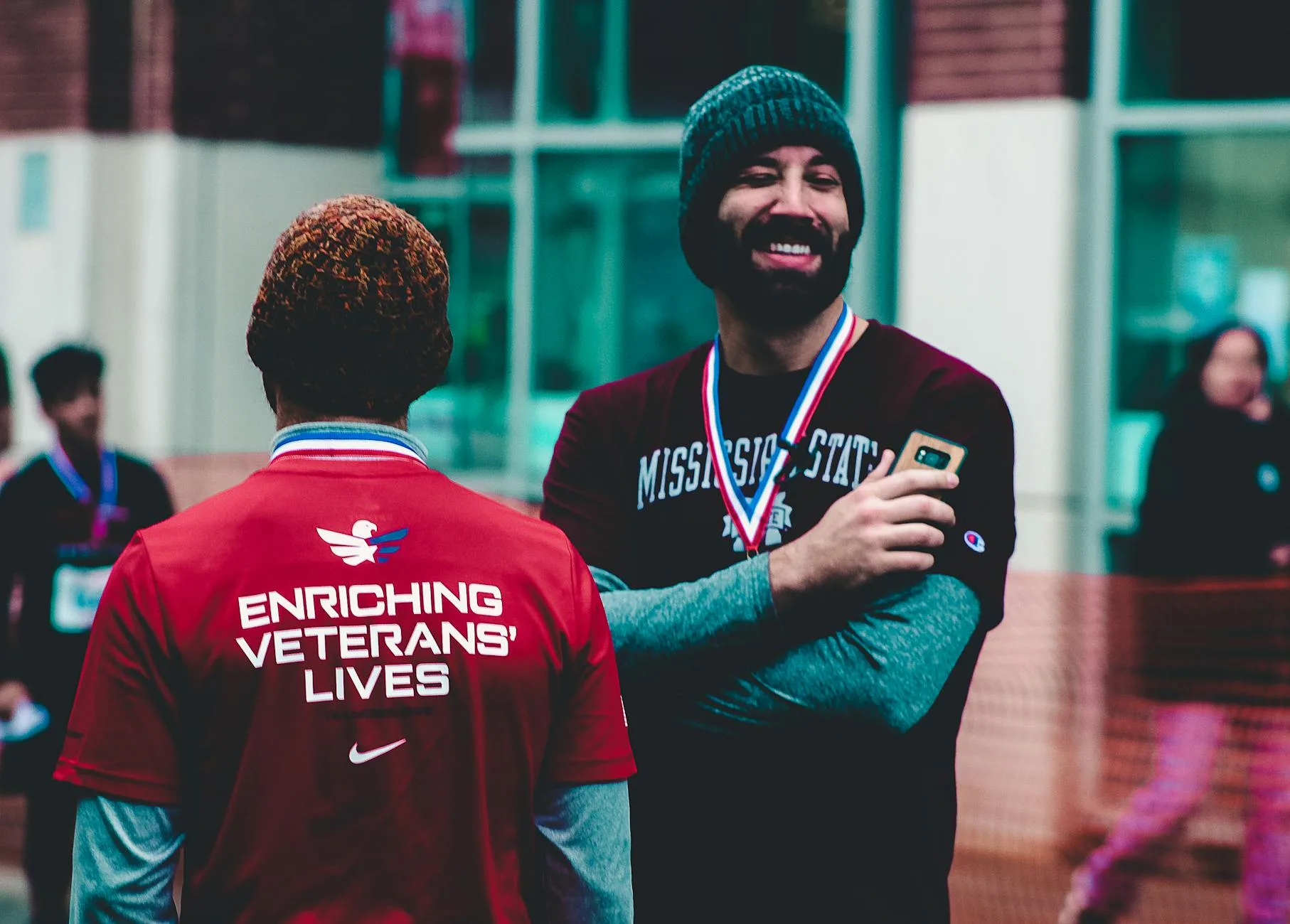
Choose one action that can be seen without becoming a performance. Book the GP, complete the screening kit, put sunscreen by the door or tell someone what you learned at an appointment.
Share the process, not private clinical details you do not want to disclose. Saying that you booked, prepared questions and followed up results is enough to model the useful behaviour.
Offer Help Without Taking Over
Support another man by asking what would make care easier and offering practical help. Do not diagnose him, pressure disclosure or promise to keep an immediate safety risk secret.
A lift, reminder or help finding the right service can reduce friction. The other person still owns the decision unless immediate safety requires urgent action.
Normalise Follow Up As Well As The First Step
People do not need a health hero. They benefit from seeing that questions, appointments and follow up belong in an ordinary life.
Mention the result pathway too: who called, what happens next and when the next check is due. That shows that health care is a process rather than one brave booking.
FAQ
What is a simple example of men's health role modelling?
Complete one health task and mention it plainly. Booking a GP visit, doing screening, using sunscreen or following up results can make the same action feel more normal for other men.
How can I encourage a man to seek care without nagging?
Ask what is getting in the way, offer one practical form of help and avoid diagnosing or shaming him. A specific offer, such as finding a clinic or giving a lift, may be more useful than repeated reminders.
What if a mate or family member sounds unsafe?
Ask directly about immediate safety and use urgent support when needed. Do not promise secrecy about a serious risk. Call 000 if there is immediate danger.
Source And Further Reading
For Australian guidance on engaging fathers and modelling responsible health behaviour, read Healthy Male guidance on fathers, care and responsible role modelling
For a general guide to preventive health checks, read healthdirect overview of health screening tests
Role modelling works best when the action remains voluntary and ordinary. Share what made the step easier, avoid diagnosing anyone else and leave room for the other person to choose his own clinician and timing.
This is general health information. Screening, symptoms and care needs differ between people. Urgent or severe symptoms should be directed to the appropriate health service rather than managed through family advice.