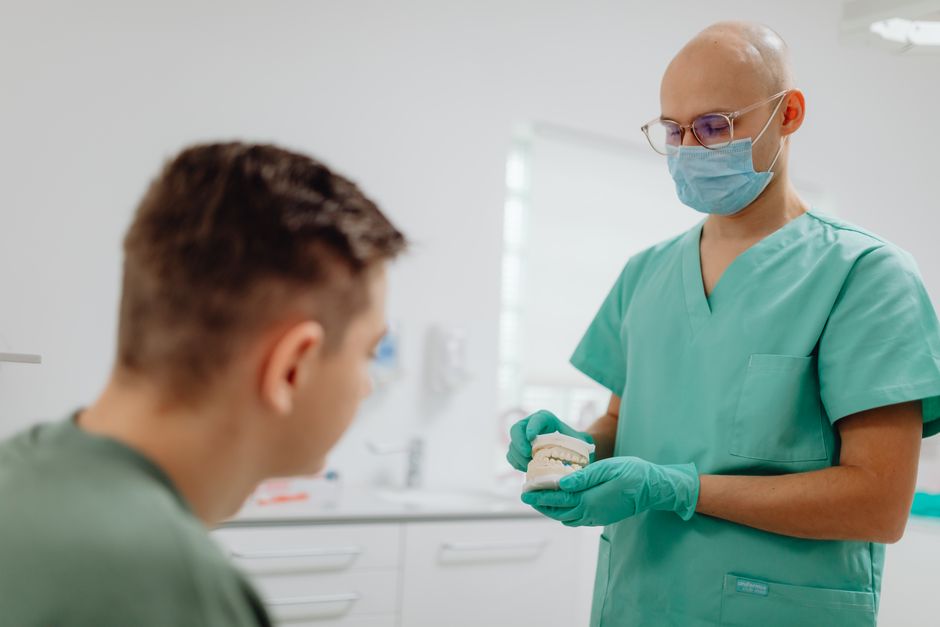
A gummy smile consultation in Malvern should begin with assessment, not a promise of treatment. The appointment gives you space to explain what you have noticed, understand which factors may contribute to visible gum display and decide whether any next step is appropriate. A gummy smile can be a normal variation, and no treatment, monitoring or referral may be the best outcome.
Table of Contents
What can contribute to a gummy smile?
Does a gummy smile always need treatment?
What happens during an assessment?
How is upper-lip movement considered?
When is dental or periodontal referral appropriate?
What questions should I ask before deciding?
How does Core Aesthetics approach the consultation?
Key Takeaways
References
What can contribute to a gummy smile?
Visible gum display can relate to several factors, including upper-lip movement, tooth and gum proportions, facial growth and the way the smile comes together. More than one factor may be present. A consultation is useful because a photograph or online description cannot reliably identify the cause.
The assessment should consider the whole smile rather than treating one feature in isolation. It may be relevant to discuss how your upper lip moves when you speak and smile, whether the appearance is longstanding or new, and whether you have any oral-health symptoms. A new or unexplained change should be assessed by an appropriate health professional rather than assumed to be an aesthetic concern.
Does a gummy smile always need treatment?
No. If your teeth and gums are healthy and you simply prefer your natural smile, choosing no treatment is valid. People can seek advice for confidence or appearance concerns without being told that they need to change. The purpose of consultation is to clarify options and limits, not to create a problem or pressure you into a procedure.
A dental review may still be appropriate if you have bleeding gums, pain, tooth wear, changes in your bite, swelling or another symptom. Cosmetic questions should not delay assessment of a health concern.
What happens during an assessment?
You should be asked what you have noticed, what you would like to understand and what a natural outcome would mean to you. Depending on the concern, assessment may include observation of the mouth at rest and in different expressions, discussion of oral and medical history, and consideration of tooth, gum, lip and facial relationships.
Any photographs or measurements should have a clear purpose and be discussed with you. You should know who is performing the assessment, how information is stored, whether another practitioner may need to be involved and what happens if the concern is outside the clinic’s scope.
The outcome may be education, monitoring, a treatment discussion, a recommendation to seek dental or periodontal advice, or no treatment. You should have time to ask questions and take the information away before making a decision.
How is upper-lip movement considered?
Upper-lip movement may be one part of understanding visible gum display. The practitioner may consider how the lip sits at rest and how it moves in speech and smiling, while also recognising that lip movement is not the only possible contributor. A focused upper-lip assessment should not replace dental or periodontal assessment where the teeth, gums or jaw may be involved.
Core Aesthetics can discuss upper-lip movement and suitability in a consultation-led setting. If the concern appears primarily dental, periodontal or structural, referral is the responsible next step. An aesthetic consultation does not diagnose dental disease or replace care from a registered dental practitioner.
When is dental or periodontal referral appropriate?
Referral may be appropriate for gum bleeding, pain, swelling, a new change, tooth wear, bite concerns, suspected gum disease, or questions about tooth or jaw structure. A dental practitioner may be better placed to assess gum health, tooth proportions, periodontal tissues and restorative or orthodontic considerations.
Referral is not a failure of an aesthetic consultation. It helps ensure that the right practitioner assesses the right question. You should be cautious of any advice that promises a cosmetic result before the underlying cause has been established.
What questions should I ask before deciding?
Ask:
- What do you think may be contributing to the appearance?
- What is within the clinic’s scope, and when would you refer me?
- What are the material risks, limitations and alternatives?
- What recovery, aftercare and follow-up would be required if treatment were considered?
- What happens if I decide not to proceed?
- Who will assess me, and how can I verify their registration?
- How are photographs, notes and other personal information handled?
A transparent discussion should not rely on guarantees, urgency, exaggerated improvement claims or pressure to book treatment immediately. You are entitled to ask for time to consider the information.
How does Core Aesthetics approach the consultation?
Core Aesthetics is founded by Corey and is growing as a clinic. The approach is consultation first: understand your concern, assess suitability, explain what is and is not within scope, discuss risks and alternatives, and respect informed consent. The clinic does not assume every gummy-smile concern requires an aesthetic procedure.
If you are considering an upper-lip movement consultation in Malvern, booking a consultation can help clarify whether the question is aesthetic, dental, periodontal or best left alone. The result may be a plan, a referral, a period of observation or no treatment.
Key Takeaways
A gummy smile can be a normal variation and treatment is optional.
Visible gum display may involve upper-lip movement, teeth, gums, facial growth or more than one factor.
Assessment should consider the whole smile and your health history, not a single photograph.
Dental or periodontal referral is appropriate for oral-health symptoms or questions outside aesthetic scope.
No treatment, monitoring or referral are legitimate outcomes.
Core Aesthetics is founded by Corey and uses a consultation-led approach as the clinic grows.
References
Australian Health Practitioner Regulation Agency - Registers of practitioners: https://www.ahpra.gov.au/Registration/Registers-of-Practitioners.aspx
Therapeutic Goods Administration - Advertising cosmetic procedures: https://www.tga.gov.au/resources/resource/guidance/advertising-cosmetics-including-plastic-surgery
Australian Commission on Safety and Quality in Health Care - informed consent resources: https://www.safetyandquality.gov.au/standards/nsqhs-standards/communicating-consumers
Australian Dental Association - oral health information: https://www.ada.org.au/