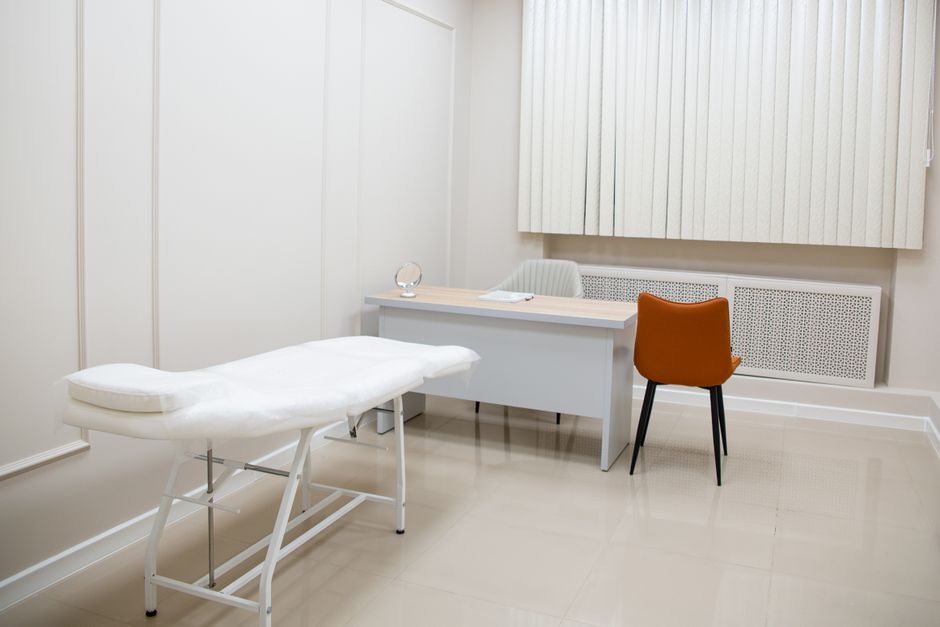
Choosing an aesthetic clinic near Chadstone is a personal health decision. Location and convenience may matter, but they should not replace a proper consultation, clear information or time to decide. This guide explains what to check before booking with Core Aesthetics or any clinic, without promising that treatment will be suitable or take place.
Table of Contents
What should I check before booking?
How can I verify practitioner registration?
What should a consultation cover?
What questions should I ask about risks and alternatives?
What should I ask about privacy and aftercare?
When should I pause or choose no treatment?
How can Core Aesthetics help?
Key Takeaways
What should I check before booking?
Look for a clinic that explains who will assess you, who may perform any treatment, and how clinical decisions are made. The service should be consultation led, with enough time to discuss your concern, relevant health information, suitability, risks, limitations, alternatives, consent and aftercare. A consultation is an assessment, not a promise that treatment will be recommended or provided.
Ask whether the clinic can explain what happens if the proposed option is not suitable. A responsible clinic should be able to discuss referral, a different care pathway or no treatment when that is the safer choice. Be cautious of language that creates pressure, urgency or unrealistic expectations.
How can I verify practitioner registration?
Ask for the name and profession of the practitioner involved in your care and check current registration through the Australian Health Practitioner Regulation Agency, known as Ahpra. Registration is one part of checking professional accountability. It does not, by itself, prove that a particular treatment is suitable or that a practitioner has experience with your individual concern.
Ask who will personally conduct the assessment, who will perform any treatment, who is responsible for clinical decisions and what supervision or referral arrangements apply. These answers should be clear before you consent. Practitioner information must remain current, factual and within the person’s professional scope.
What should a consultation cover?
A consultation should give you an opportunity to discuss your goals, medical history, allergies, medicines, previous procedures, relevant conditions and any concerns about recovery. The practitioner should explain the proposed approach in plain language and make clear what is known, what is uncertain and what may not be achievable.
You should have time to ask questions and consider whether to proceed. Written information may help you understand risks, limitations, alternatives, fees, follow up and complaint pathways. If information is unclear, ask for clarification before making a decision.
What questions should I ask about risks and alternatives?
Ask what common short term effects may occur, what less common complications are possible, how risks are reduced and what support is available if a concern develops. Ask what the expected recovery may involve and whether follow up is included.
Ask what alternatives exist, including a different treatment, a non procedural option, referral to another health professional or no treatment. A suitable plan should be based on your health, anatomy, priorities and informed consent rather than a standard package or a sales conversation.
What should I ask about privacy and aftercare?
Ask how your personal and health information is collected, stored and used. Ask whether photographs are taken, why they are needed, who can access them and how consent is recorded. You should be able to understand the clinic’s privacy process before agreeing to photography or treatment.
Ask what aftercare instructions apply, how to contact the clinic, what symptoms require prompt medical attention and how a review or referral is arranged. Do not rely on a general article for personal medical advice. Contact the clinic or an appropriate health professional if you have an urgent concern.
When should I pause or choose no treatment?
Pause if you feel pressured, cannot identify the practitioner responsible for your care, have not been given enough information, or do not understand the risks and alternatives. You can ask for more time, seek another medical opinion or decide not to proceed. No treatment is a legitimate outcome of a consultation.
How can Core Aesthetics help?
Core Aesthetics is a Melbourne clinic founded by Corey. The clinic takes a consultation led approach so adults can discuss what concerns them, what may or may not be suitable and whether a conservative plan, referral or no treatment is more appropriate. As Core Aesthetics grows, care may involve additional appropriately qualified practitioners. Articles and service information should not be read as a promise of treatment or a substitute for an individual assessment.
If you would like to discuss your concern, you can book an Aesthetic Consultation or Treatment Suitability Assessment through Core Aesthetics. Booking a consultation starts a conversation; it does not commit you to treatment.
Key Takeaways
A clinic’s location and treatment menu do not establish suitability.
Check current Ahpra registration and ask who is responsible for your care.
A consultation should cover suitability, risks, limitations, alternatives, consent, privacy and aftercare.
Ask what happens if treatment is not suitable, including referral or no treatment.
You can take time, ask questions and decide not to proceed.
Core Aesthetics is a growing clinic founded by Corey and does not operate on a one practitioner assumption.
References
Australian Health Practitioner Regulation Agency, registered health practitioner information.
Therapeutic Goods Administration, consumer information and advertising guidance.
Core Aesthetics, Aesthetic Consultation.
Core Aesthetics, Treatment Suitability Assessment.