For a jaw muscle consultation near Murrumbeena, compare four comfortable states: the jaw relaxed with teeth apart, a brief gentle clench, comfortable mouth opening, and a small side to side movement. Note visible lower face change, comfort, symmetry, clicking, restriction or bite concerns without forcing the motion. This sequence does not diagnose grinding, jaw joint disease or a cosmetic indication. Corey Anderson RN combines it with dental and medical history, medicines, mouthguard use, previous care, risks, expectations and direct assessment. Suitable cosmetic care can be planned when individual assessment and informed consent support it, while relevant symptoms can be directed to appropriate dental or medical assessment.
Why Compare Four Jaw States?
A still photograph may show lower face width but not how the jaw opens, moves or feels. A forceful clench may exaggerate muscle prominence while hiding comfortable rest.
A short, gentle sequence helps separate visible contour from function and symptom history without turning movement into a self-test.

What Does Each Movement State Show?
| State | What to notice | Boundary |
|---|---|---|
| Relaxed | Comfort, lower face width and side differences | Keep teeth apart without posing |
| Gentle clench | Brief muscle prominence at the jaw angle | Do not repeat or force it |
| Comfortable opening | Range, path, clicking or restriction | Stop if painful |
| Side movement | Comfort and symmetry through a small glide | Not a diagnostic test |
What Is A Comfortable Relaxed Jaw?
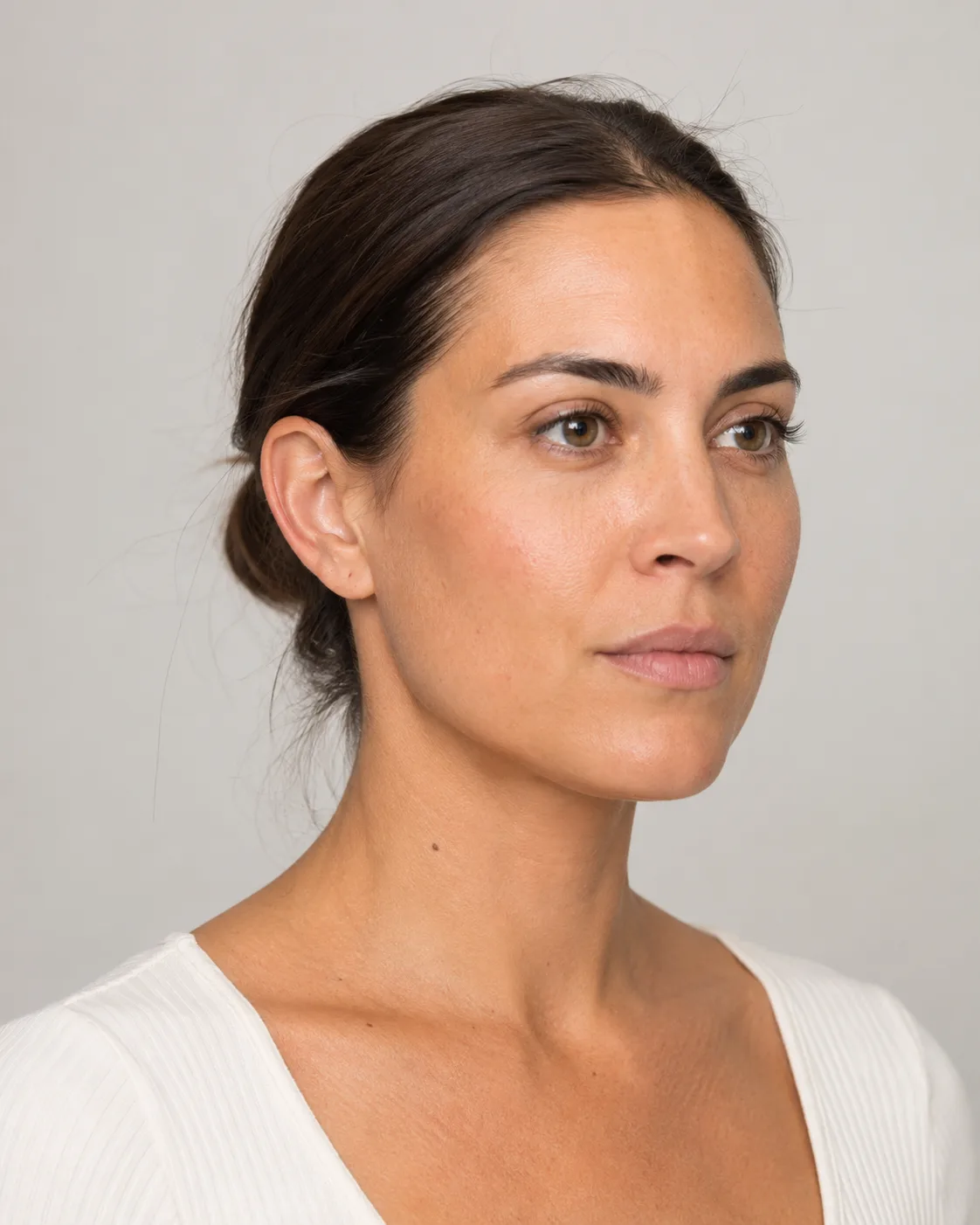
Let the lips rest naturally and keep the teeth slightly apart without pushing the jaw forward or down. Note comfort, visible width and natural side differences.
This baseline matters because jaw muscle activity should not be judged only from a clenched pose.
What Does A Brief Gentle Clench Add?
A gentle clench can show how the jaw muscle becomes visible near the angle and whether one side appears more prominent. It should be brief and comfortable.
Prominence does not establish a cause for lower face width or show that cosmetic care is suitable.
Why Observe Comfortable Opening?
Opening shows the movement path and may reveal clicking, restriction, deviation or discomfort that a still image cannot. Do not push beyond the comfortable range.
Pain, locking, significant bite change, tooth damage or worsening function belongs with an appropriate dentist or medical practitioner.
What Can A Small Side Movement Reveal?
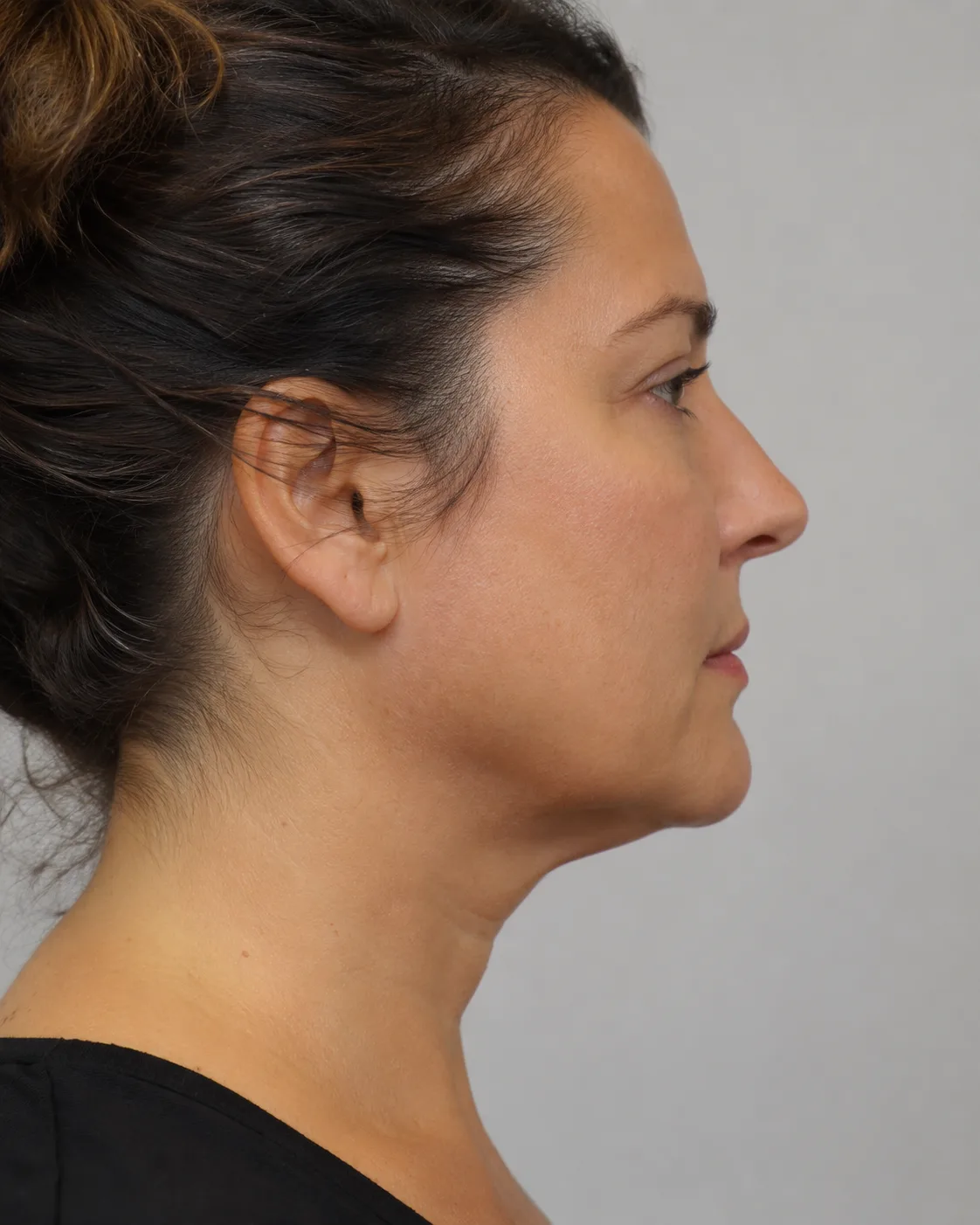
A small comfortable glide to each side adds information about movement and symptom location. There is no need to stretch, click the joint deliberately or repeat a motion that feels uncomfortable.
Corey records what you experience and incorporates relevant dental or medical input rather than using the movement as a diagnosis.
How Is Shape Kept Separate From Symptoms?
Visible width, jaw angle and lower face balance are cosmetic observations. Pain, clicking, locking, bite change, headaches, tooth wear and chewing difficulty are functional or clinical symptoms.
Both can be discussed in the same history, but a cosmetic consultation does not replace dental diagnosis or care.
Which Risks And Limits Need Movement Context?
Depending on the suitable option, discussion may include temporary redness, tenderness, swelling, bruising, asymmetry, altered chewing or smile feel, unwanted contour change, dissatisfaction and uncommon complications requiring review.
Corey explains alternatives, expected limits, total cost, aftercare, follow up and contact instructions. Cosmetic care is not presented as treatment for dental disease or a jaw joint disorder.
Where Can You Continue The Jaw Discussion?
What are the four jaw movement states?
They are comfortable rest, a brief gentle clench, comfortable opening and a small side movement. Together they show contour and function without forcing the jaw.
Should I clench hard to show the jaw muscle?
No. A brief gentle clench is enough for observation. Repeated or forceful clenching can be uncomfortable and does not make the assessment more clinically useful or accurate.
What if opening my mouth causes pain or locking?
Stop the movement and seek assessment from an appropriate dentist or medical practitioner. Pain, locking, significant bite change and worsening function are not routine cosmetic questions.
Does a prominent jaw muscle prove that cosmetic care is suitable?
No. Visible prominence is one observation. Corey also considers symptoms, dental history, bone, soft tissue, skin, health, risks, expectations and informed consent before discussing any suitable cosmetic choices.
Why is side movement included?
A small comfortable glide adds context about movement, symmetry and symptom location. It is not a self-diagnostic test and should not be forced or repeated when uncomfortable.
What should I bring after previous jaw care?
Bring approximate dates, areas, available records and what changed over time. Include dental advice, mouthguard use, unfamiliar chewing, smile or contour changes and other concerns.
Can suitable cosmetic care be planned at consultation?
Yes. Suitable cosmetic care can be planned when individual assessment and informed consent support it. Dental or medical input, adjusted timing or another pathway can be incorporated when useful.
Is Core Aesthetics located in Murrumbeena?
No. The clinic is in Oakleigh. Check the journey from your actual starting point and whether returning for planned review would be practical before booking.
Is this for you?
Consider booking a consultation if
- Adults who want jaw muscle, lower face, jawline, chin and dental context assessed before treatment discussion
- Patients with clenching or grinding history who understand dental boundaries may matter
- Patients with previous treatment who may need records review, waiting or original clinic review
- People who value a clear explanation of options, timing, follow-up and other clinical input
This may not be for you if
- People asking for a predetermined plan without assessment, consent or risk discussion
- People seeking a fixed lower face change before consultation
- People wanting public prescription product advice or product led recommendations
- People with urgent dental, medical, infection, pain or jaw symptoms who need appropriate medical or dental care
Suitability is confirmed at consultation. This list is general guidance, not a substitute for clinical assessment.