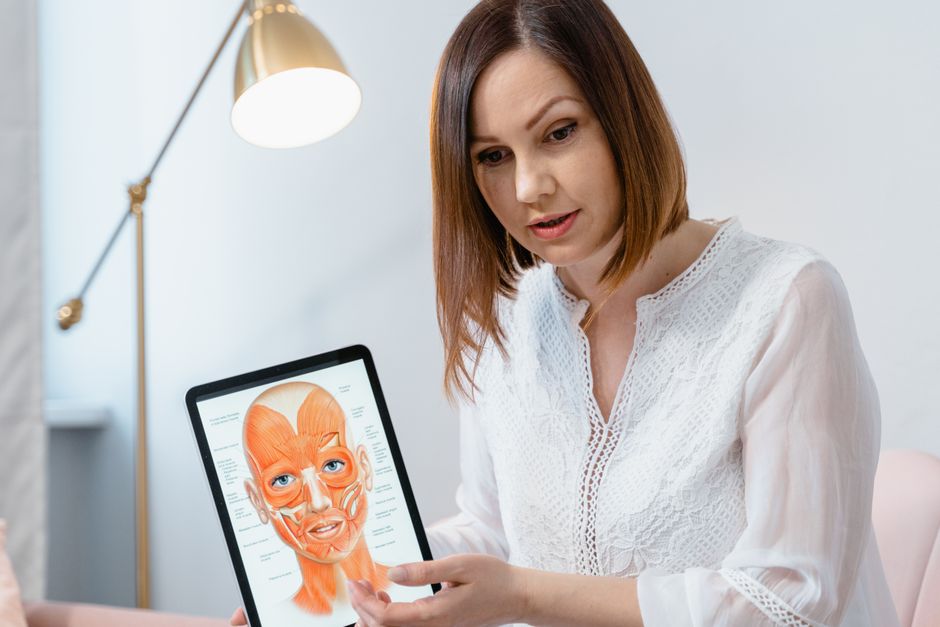
A lower-face anatomy consultation begins with understanding what you are noticing and whether it relates to bone structure, muscle activity, soft tissue, skin or another concern. The purpose is not to assume a treatment. It is to assess suitability, explain options and support an informed decision. The outcome may be a treatment plan, another option, referral, review later or no treatment.
What should be assessed?
A practitioner may discuss your goals, health history, medicines and supplements, allergies, previous aesthetic or medical care, jaw clenching or dental concerns, and anything that may affect risk or recovery. Assessment should consider your face at rest and during movement, while respecting your privacy and obtaining consent for any clinical images. You should be able to ask questions and explain what you want to preserve.
Risks, limitations and alternatives
Ask whether a proposed option addresses the cause of your concern, what limitations and risks apply, what aftercare may involve, and what alternatives-including no treatment-are available. Lower-face concerns can overlap with dental or medical issues, so referral may be appropriate. No result is guaranteed and consent should remain voluntary and ongoing.
How to prepare
Bring an accurate list of medicines and supplements, relevant medical history, allergies and previous treatment information. Write down what you hope to understand. Ask who will assess you, whether the practitioner is registered with Ahpra, how privacy and images are managed, and what follow-up support is available.
Core Aesthetics was founded by Corey and is growing as a clinic. Future care may involve a wider team of appropriately qualified practitioners. The focus is consistent: calm communication, careful suitability assessment, clear risks and limits, and respect for a decision not to proceed.
Booking a consultation
If you are considering a lower-face anatomy consultation in Melbourne, you can book to bring your questions and understand your options. Booking a consultation does not obligate you to treatment.
For Australian reference information, see the Ahpra Register of Practitioners: https://www.ahpra.gov.au/Registration/Registers-of-Practitioners.aspx; the TGA guidance on advertising cosmetics, including plastic surgery: https://www.tga.gov.au/resources/resource/guidance/advertising-cosmetics-including-plastic-surgery; and the Australian Commission on Safety and Quality in Health Care guidance on communicating with consumers: https://www.safetyandquality.gov.au/standards/nsqhs-standards/communicating-consumers.
This article provides general information only and does not replace an individual consultation or medical advice.