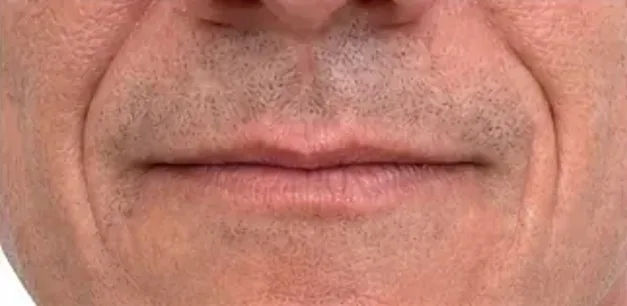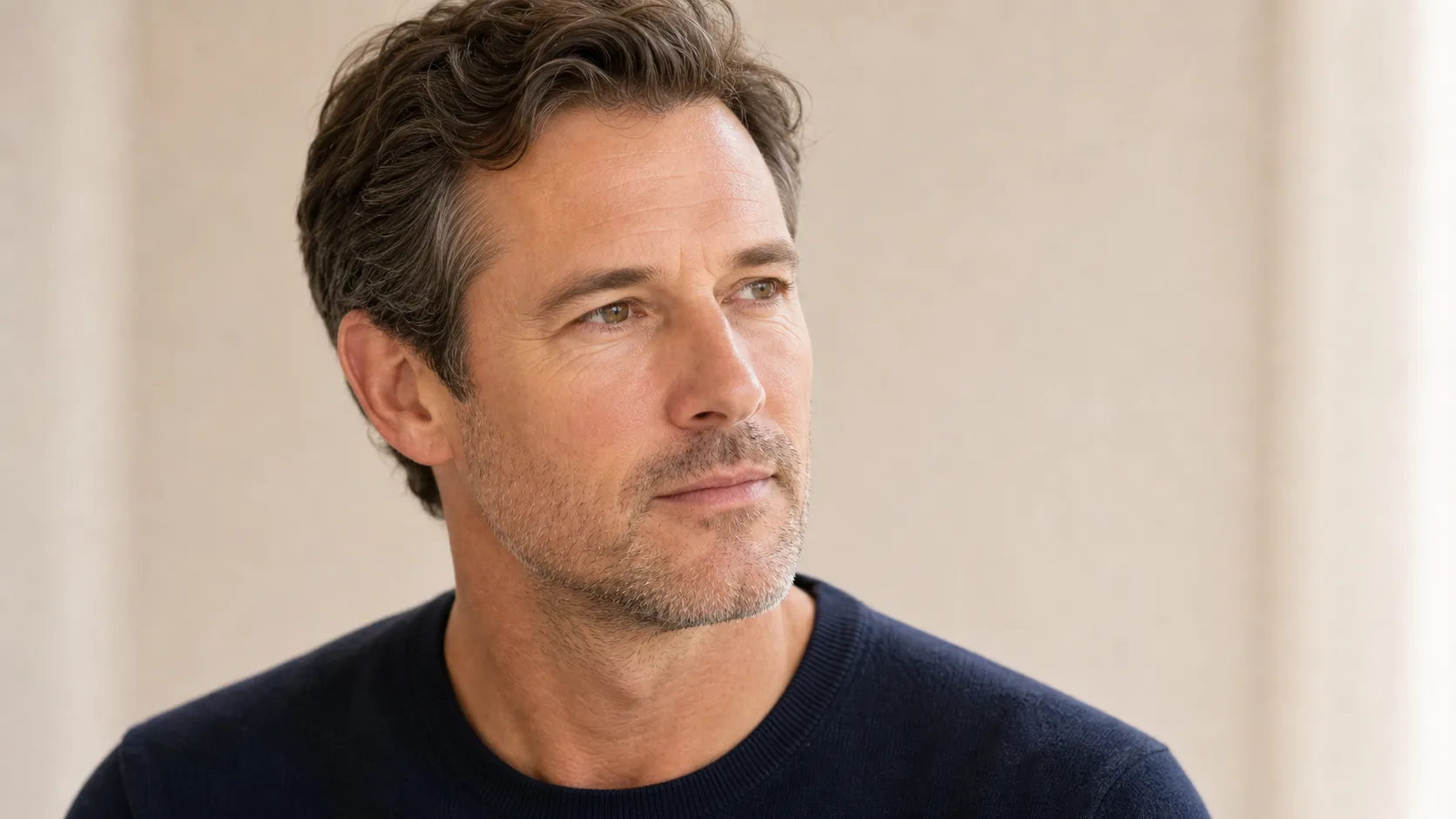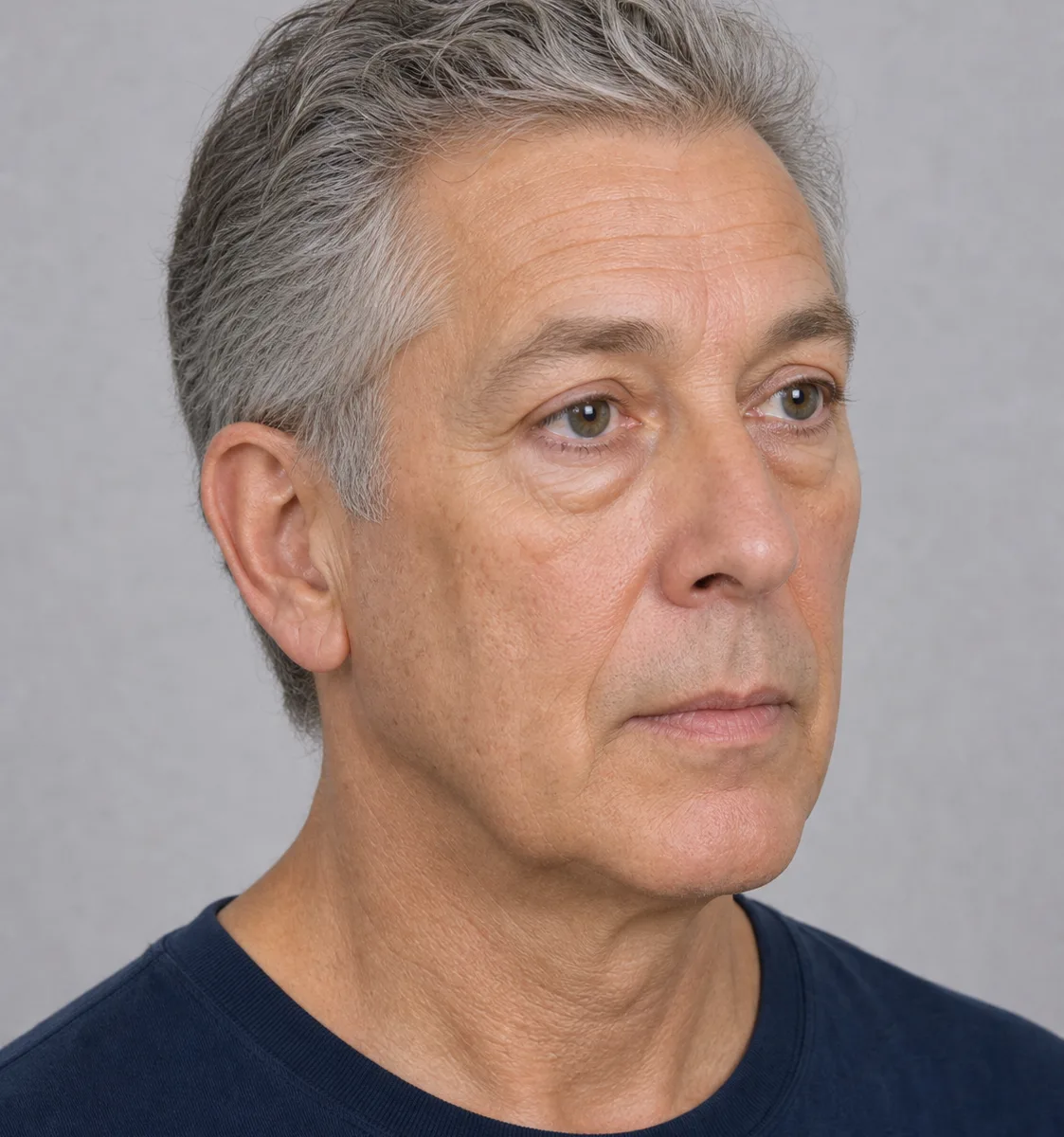
The reflection staring back from the bathroom mirror at 6:00 AM tells an uncompromising story. Hollow shadows pool beneath the lower lids. The upper eyelids sit heavy, hooded, as if the body is already retreating into sleep it never quite got. The skin around the eyes carries a grey-blue tint that no cold splash can rinse away. This is the Tired CEO Face, and it has become the unspoken epidemic of Australian executive culture in 2026.
Table of Contents
- The Rise of the Tired CEO Face in 2026
- Why the Eyes Are the First Stop for Men
- The Anatomy of the Tired Eye: What Men Are Seeing
- The Lifestyle Link: Sleep, Stress, and the Australian Male
- Treatment Options for the Modern Man in Australia
- Why Men Are Choosing Aesthetics Over "Just Sleeping More"
- Key Takeaways for the Australian Man
For years, the aesthetic industry focused its attention on women. That era has ended. High-performing Australian men are now driving a quiet revolution in how we approach facial rejuvenation, and they are not starting with forehead lines or jawline definition. They are starting with the eyes. The reason is brutally simple: the eyes are the body's most honest narrator. They cannot be trained to lie about stress, sleep deprivation, or the slow creep of ageing. When a man looks exhausted, his eyes announce it before he speaks a single word. And in a professional landscape where perception shapes reality, that announcement carries a cost.
Men are treating their eyes first because the eyes represent the highest-impact, lowest-risk entry point into aesthetic medicine. A refreshed periorbital region does not look "worked on." It looks like a good night's sleep, a clear conscience, and a body operating at full capacity. That is precisely the message the modern Australian executive wants to send.
The Rise of the Tired CEO Face in 2026
The contemporary executive operates in an environment engineered for burnout. Sleep is fragmented by late-night emails to international stakeholders. Mornings begin before sunrise with a Peloton session or a guilty scroll through Slack. Decision fatigue accumulates across a twelve-hour day, and the body keeps score. The face, particularly the eye area, becomes a ledger of every compromised night and every cortisol spike.
Under-eye hollows, eyelid heaviness, and dark circles are the three horsemen of the Tired CEO Face. They signal to colleagues, clients, and competitors that the man behind the title is running on empty. Research in social psychology has long confirmed that humans make snap judgments about trustworthiness, competence, and energy within milliseconds of seeing a face. The eyes are the primary data source for those judgments. A man with heavy lids and deep hollows is unconsciously coded as less capable, less alert, less vital. It is an unfair assessment, but it is a biological reality.


The Zoom effect has magnified this scrutiny. High-definition cameras and unforgiving laptop angles expose every shadow and crease. Boardroom presentations now happen on screens where participants study faces at close range for hours. Men who once relied on the forgiving distance of a conference table now find their eye-area ageing broadcast in 4K resolution. The result has been a surge in men seeking solutions, not out of vanity, but out of professional self-preservation.
Australia's cultural conversation around men's mental health and burnout has also played a role. The stigma attached to admitting exhaustion has softened. Men are more willing to acknowledge that they feel depleted, and they are increasingly willing to address the visible evidence of that depletion. The shift is from reactive grooming, where problems are ignored until they become severe, to proactive maintenance, where small interventions preserve a rested, capable appearance before the Tired CEO Face becomes permanent.
Why the Eyes Are the First Stop for Men
The periorbital skin is structurally unique. At less than one millimetre thick, it is the thinnest integument on the human body. It contains minimal subcutaneous fat, few sebaceous glands, and a fragile network of blood vessels that sit close to the surface. This anatomy makes the eye area exquisitely vulnerable to volume loss, pigmentation changes, and laxity. It also makes it the most responsive to well-executed treatment.
When a man develops crow's feet or forehead lines, the social signal is ambiguous. Those lines might read as experience, character, or a life spent laughing. But tired eyes carry no such ambiguity. They are read instantly and universally as markers of exhaustion, stress, or declining health. There is no cultural script that romanticises under-eye hollows or celebrates drooping eyelids. The message is pure and unforgiving: this man is worn down.


Men are treating their eyes first because the return on investment is unmatched. A single session addressing tear trough hollows or upper eyelid heaviness can transform a face from depleted to dynamic. The results are subtle enough to avoid the "cosmetic work" stigma that many men still fear, yet powerful enough to shift how they are perceived in every professional and social interaction. Colleagues notice something has changed, but they cannot identify what. The common refrain is, "You look well. Have you been on holiday?"
The practical appeal is equally compelling. Eye-area treatments are typically quick, often completed within a lunch hour. Downtime is minimal, with most men returning to work the same day or the next. For an executive who cannot afford a week of social hiding while bruising resolves, this efficiency is non-negotiable. The treatments fit into the schedule of a life that does not pause.
The psychological payoff extends beyond appearance. Men who address their tired eyes report a renewed sense of congruence between how they feel internally and what they project externally. They walk into negotiations, client dinners, and first dates with the quiet confidence that their face is not betraying them. That alignment is worth more than any skincare product in a bottle.
The Anatomy of the Tired Eye: What Men Are Seeing
Under-Eye Hollows and Tear Trough Deformity
Beneath the lower eyelid lies a delicate anatomical junction where the thin eyelid skin meets the thicker cheek skin. This is the tear trough, and it is the first region to betray volume loss. As men age, the malar fat pad, a deep structural cushion in the midface, descends and deflates. The result is a shadowed, sunken groove that extends from the inner corner of the eye diagonally toward the cheek.
This hollowing has a strong genetic component. Some men develop tear trough deformity in their late twenties, long before significant facial ageing elsewhere. Poor sleep and chronic dehydration accelerate the appearance by reducing tissue turgor and increasing the visibility of underlying blood vessels. The hollow creates a shadow that no amount of concealer or cold compress can eliminate because the problem is structural, not superficial.
The treatment approach for under-eye hollows focuses on restoring lost volume. Hyaluronic acid dermal fillers, precisely placed along the periosteum at the base of the tear trough, lift the overlying tissue and soften the shadow. The procedure requires an experienced injector who understands the complex vascular anatomy of the region. When performed correctly, the result is a smooth, natural transition from lower lid to cheek that reads as youth and rest.
Eyelid Heaviness and Brow Ptosis
The upper eyelid tells its own story of ageing. Collagen and elastin, the structural proteins that keep skin firm and resilient, degrade steadily from the mid-thirties onward. The thin skin of the upper lid stretches and loses its recoil. At the same time, the brow descends under the slow pull of gravity and the relentless action of the frontalis muscle. The combined effect is a hooded, heavy appearance that narrows the eye aperture and casts a shadow over the iris.
This is not merely a cosmetic concern. Significant upper eyelid ptosis can obstruct peripheral vision, particularly in the superior temporal field. Men may notice they are tilting their head back slightly to see clearly, or that reading in low light has become more difficult. The expression conveyed by heavy lids is one of perpetual fatigue or subdued anger, even when the man feels neutral or positive.
Treatment ranges from non-surgical skin tightening using radiofrequency or ultrasound-based devices to surgical upper blepharoplasty, where excess skin and fat pads are excised through a hidden incision in the natural eyelid crease. A brow lift, performed surgically or with strategically placed neuromodulators, can also restore the eye's open, alert architecture. The choice depends on the degree of laxity and the patient's tolerance for downtime.
Pigmentation and Dark Circles
Dark circles are not a single entity. They fall into two broad categories, and many men have a combination of both. Vascular dark circles appear blue, purple, or pink and result from visible blood vessels showing through the translucent under-eye skin. They worsen with poor sleep, allergies, and fluid retention. Pigmentary dark circles appear brown or grey and stem from melanin deposition in the skin itself, often driven by sun exposure, chronic rubbing, or genetic predisposition.
The Australian climate is particularly unforgiving on this front. Intense UV radiation stimulates melanocyte activity, darkening existing pigmentation and creating new deposits. Men who spend weekends outdoors without adequate eye-area sun protection accumulate damage that becomes increasingly visible with age. Screen time adds another layer of insult: the near-infrared and blue light emitted by devices contributes to oxidative stress and pigment irregularity.
Treatment is tailored to the type of dark circle. Vascular circles respond to platelet-rich plasma (PRP) injections, which stimulate collagen and thicken the skin, or to small amounts of filler placed to camouflage the underlying vessels. Pigmentary circles require topical tyrosinase inhibitors, chemical peels, or laser therapy to break down melanin. A disciplined home routine of vitamin C serum and high-SPF sunscreen is non-negotiable for maintaining results.
Skin Quality and Fine Lines
Crow's feet are the first dynamic wrinkles most men notice. They radiate from the outer corners of the eyes and deepen with every squint, smile, and expression of concentration. In the Australian sun, where squinting is a near-constant reflex, these lines appear earlier and etch deeper than in less exposed populations.
The skin around the eyes also develops a crepey texture as collagen and elastin networks fragment. Fine lines multiply, and the smooth, taut surface of youth is replaced by a cross-hatched pattern that catches powder and light. Dehydration exacerbates this texture, and many Australian men chronically under-hydrate, particularly those who consume multiple coffees and minimal water throughout the workday.
Neuromodulators, commonly known as anti-wrinkle injections, are the first-line treatment for crow's feet. By temporarily relaxing the orbicularis oculi muscle, they soften existing lines and prevent new ones from forming. Medical-grade skincare completes the picture. Prescription retinoids accelerate cellular turnover and collagen synthesis. Vitamin C neutralises free radicals and brightens pigment. A broad-spectrum SPF 50+ sunscreen, applied every morning without fail, is the single most powerful anti-ageing intervention available.
The Lifestyle Link: Sleep, Stress, and the Australian Male
The Tired CEO Face does not emerge from a vacuum. It is the physical manifestation of a lifestyle that has been normalised in Australian corporate culture. Sleep deprivation is the most obvious culprit. Surveys of Australian executives consistently show that men aged 35 to 55 average fewer than 6.5 hours of sleep per night, well below the 7 to 9 hours recommended for cognitive and physiological health. Sleep is the body's repair cycle. During deep sleep, growth hormone is released, collagen synthesis peaks, and cellular damage from the day is repaired. Chronic short sleep starves the periorbital skin of this essential maintenance.
Cortisol, the primary stress hormone, is the second major player. Elevated cortisol levels, sustained over months and years of high-pressure work, break down collagen and elastin directly. Cortisol also promotes fluid retention and vascular dilation, worsening under-eye puffiness and dark circles. The stressed executive is literally digesting his own structural proteins, and the eyes are the first place the damage becomes visible.
Alcohol is the third pillar of the Tired CEO Face. The Australian corporate world retains a strong drinking culture, from Friday afternoon office beers to client dinners that stretch late into the evening. Alcohol is a diuretic that dehydrates the skin, a vasodilator that reddens and puffs the eye area, and a sleep disruptor that fragments the restorative sleep stages. A man who drinks regularly will carry the evidence in his periorbital region, no matter how expensive his moisturiser.
Screen time compounds all of these factors. The average Australian executive spends ten to twelve hours daily in front of screens. The blue light emitted disrupts circadian rhythms and contributes to digital eye strain. The repetitive squinting and brow furrowing associated with screen focus etches lines into the skin. The posture, head forward and eyes narrowed, accelerates the development of brow ptosis and eyelid heaviness. The "work hard, play hard" ethos that has defined Australian masculinity for generations is written directly onto the face, and men are finally reading the message.
Treatment Options for the Modern Man in Australia
Non-Surgical: The First Line
For most men, the journey begins with non-surgical interventions. These treatments offer meaningful results with minimal disruption to a busy schedule. Dermal fillers composed of hyaluronic acid are the workhorse of under-eye rejuvenation. Injected deep along the bone, they restore volume to hollow tear troughs and re-establish the smooth convexity of youth. Results last twelve to eighteen months, and the procedure takes thirty minutes.
Anti-wrinkle injections using neuromodulators address crow's feet and can perform a subtle chemical brow lift, opening the eye area without surgery. The effect lasts three to four months, and regular maintenance prevents the lines from deepening over time. Men typically require higher doses than women due to stronger facial musculature, making practitioner experience with male anatomy essential.
Platelet-rich plasma, or PRP, has gained significant traction among Australian men in 2026. A small sample of the patient's own blood is centrifuged to concentrate the platelets and growth factors, then injected into the under-eye skin. The treatment stimulates collagen production and improves skin thickness and quality over a series of sessions. It is particularly effective for vascular dark circles and the crepey texture that develops with age.
Medical-grade skincare is the foundation upon which all other treatments rest. A prescription retinoid applied nightly accelerates cell turnover and builds collagen. A stabilised vitamin C serum each morning brightens pigment and provides antioxidant protection. A broad-spectrum SPF 50+ sunscreen, reapplied during the day if outdoors, prevents further UV damage. These three products, used consistently, will transform periorbital skin quality within three months.
Surgical: For Advanced Concerns
When non-surgical options reach their limits, surgery offers definitive solutions. Upper blepharoplasty removes the excess skin and fat that create eyelid heaviness. The incision is hidden in the natural crease of the eyelid, and the scar fades to near-invisibility over time. The result is a permanently more open, alert eye. Lower blepharoplasty addresses under-eye bags caused by protruding fat pads, often combined with fat repositioning to smooth the tear trough.
A surgical brow lift elevates the entire brow complex, restoring the eye's natural frame and reducing the hooded appearance that ages the upper face. Fat transfer, where the patient's own fat is harvested from the abdomen or thighs and injected into the under-eye area, provides long-lasting volume restoration that fillers cannot match. These procedures require downtime of one to two weeks, a significant commitment for the busy executive, but the results are measured in decades rather than months.
The Australian Context: Regulations and Practitioners
Australia maintains strict regulations around cosmetic injectables. All treatments involving dermal fillers or neuromodulators must be administered by a registered medical practitioner: a doctor, nurse, or dentist with appropriate training. This regulatory framework provides a level of safety that patients should insist upon. Men seeking treatment should specifically seek practitioners with demonstrable experience in male facial anatomy. Male and female faces age along different trajectories. Men retain more vascularity, have thicker skin in most facial regions, and possess stronger musculature. A practitioner who predominantly treats women may apply aesthetic principles that feminise the male face, a result most men wish to avoid.
The major Australian cities now host clinics that cater specifically to the male executive market. Sydney, Melbourne, and Brisbane each have practices offering "lunchtime treatments" designed for minimal downtime and maximum discretion. These clinics understand that their patients are not seeking transformation. They are seeking restoration: the face they recognise as their own, returned to its rested, capable state.
Why Men Are Choosing Aesthetics Over "Just Sleeping More"
The advice is well-meaning but impractical. "Just sleep more" ignores the reality of a life that includes international calls at 10:00 PM, children who wake at 2:00 AM, and a mind that refuses to quieten at 4:00 AM. Sleep hygiene is a worthy long-term goal, but the board presentation is next Tuesday. The client pitch is on Thursday. The wedding is in three weeks. Men need solutions that work on the timeline their lives demand.
Aesthetic treatments offer a bridge. One filler session provides eighteen months of improvement while the patient works on sleep routines, stress management, and hydration habits. The treatments do not replace lifestyle change; they buy time for it. This pragmatic approach appeals to the male mind, which values efficiency and measurable outcomes. A man can see the before-and-after difference in a mirror. He can track the return on investment in the reactions of colleagues and the confidence he feels walking into a room.
The stigma that once attached to male cosmetic treatments has dissolved. In 2026, maintaining one's appearance is understood as a component of professional capital, no different from maintaining a sharp wardrobe or an updated skillset. The Tired CEO Face is a solvable problem, and Australian men are solving it on their own terms: discreetly, efficiently, and with an eye on results that look natural.
Key Takeaways for the Australian Man
The eyes are the most powerful communicator of fatigue, age, and stress. Treating them first delivers the highest return on investment for your appearance, because no other facial feature is read as quickly or as deeply by others. Men are treating their eyes first because the eye area offers the most impactful, lowest-downtime entry point into aesthetic medicine, with results that restore vitality without erasing character.
The gold standard combines in-clinic treatments with a disciplined home routine. Fillers and anti-wrinkle injections provide the structural correction. Prescription retinoids, vitamin C, and SPF 50+ maintain and extend those results. Choose a practitioner who understands male facial anatomy and respects the goal of natural, masculine outcomes. In 2026, looking well-rested is a competitive advantage, and it is an advantage entirely within reach.