A calm guide to a confusing label

What Does Treatment Migration Actually Mean?

If a facial contour looks or feels different after previous cosmetic care, the word migration can sound more certain than it is. Start with what changed, when you noticed it and how it feels. Those details give Corey a clearer place to begin.

Describe the change before naming the cause

  • Consultation-led assessment
  • Corey Anderson RN
  • Oakleigh, Victoria
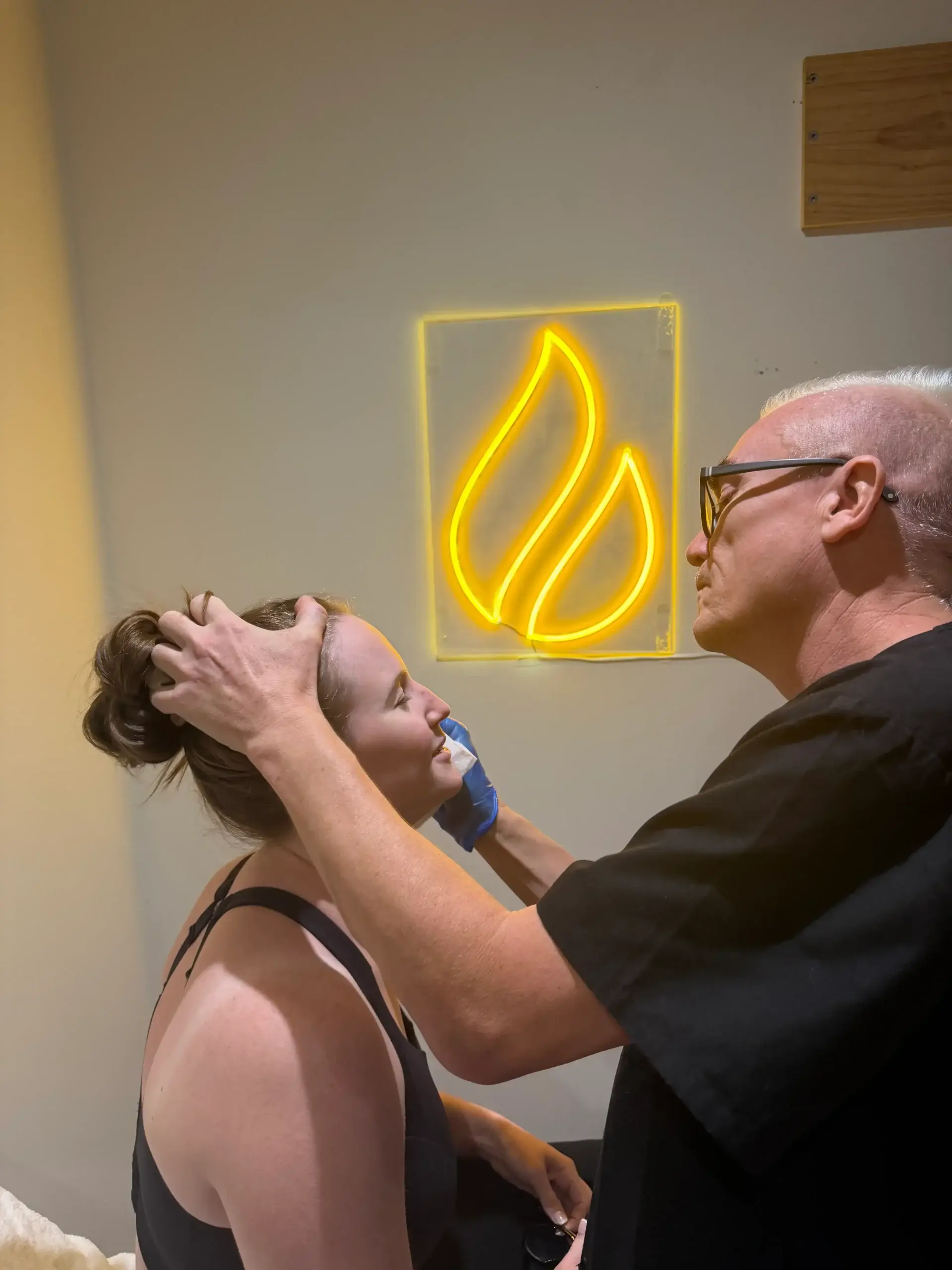
Corey Anderson RN discussing a stable facial contour concern with an adult staff model
A consultation demonstration showing how a stable concern can be described and reviewed in context.
Quick summary

Treatment migration is a description used when fullness, a ridge, a lump or another contour seems to sit beyond the area someone expected after previous cosmetic care. The label does not identify the cause. Swelling, lighting, expression, natural asymmetry, tissue change, inflammation and the distribution of previous material can look similar. A clinician uses the timeline, symptoms, records, examination and, when justified, imaging or referral to work out what the observation may mean for that person.

The label describes a change, not its cause

You may have noticed fullness beyond an expected border, a ridge that looks different in certain light or a lump that feels unfamiliar. That observation is worth taking seriously, but you do not need to diagnose it before asking for help.

People use the word migration for several different-looking changes. The word alone cannot show what sits beneath the skin, when it changed or why. A useful review begins with your experience and keeps more than one explanation open.

This page owns that general meaning and the evidence map across facial areas. If the concern is specifically around the lip border, the lip migration signs guide has the narrower role.

What can the word tell you?

It can describe

Where your eye goes

Point to the fullness, ridge, border or lump that looks different to you.

It cannot confirm

What caused the change

Appearance alone cannot separate swelling, tissue change, inflammation or previous material.

It can prompt

A clearer timeline

Dates, photographs and symptoms help turn a vague worry into a reviewable story.

It cannot promise

A correction pathway

The next step may be observation, records, medical review, imaging, referral or no cosmetic care.

Adult staff model pointing out one stable facial contour concern during a mirror consultation
Begin with the exact area that catches your attention, then add the timeline and symptoms.

Build a five-point change map

You do not need a long case history. Write five short points that Corey can read at a glance.

  1. Original area: where the previous care took place.
  2. First change: the date, or closest date range, when something looked or felt different.
  3. Current location: where the fullness, ridge, border or lump now seems visible.
  4. Behaviour: whether it stays the same, changes with expression or varies across the day.
  5. Symptoms: tenderness, heat, redness, colour change, swelling, fever, visual symptoms or no symptoms.

That small map helps separate what you observed from what still needs to be assessed.

Choose the right care lane

Stable concern

Arrange a routine review

If the contour is stable and you otherwise feel well, gather the five-point map, photographs and any records you have.

Changing concern

Seek prompt clinical advice

Worsening warmth, redness, tenderness, swelling or a changing lump needs timely advice from the treating clinic or an appropriate medical service.

Serious symptoms

Use urgent medical care

Rapid deterioration, severe or worsening pain, unusual skin colour, visual symptoms, breathing difficulty, fever or feeling seriously unwell should not wait for a cosmetic booking. Call 000 for an emergency.

Keep photographs useful and honest

Use the same front, three-quarter and side views in similar light, with one relaxed photograph and an expression view only when it reveals the concern. Keep the original file dates and enough facial context for orientation.

Filters, tightly cropped screenshots and different lenses make comparisons less reliable. Photographs can document a timeline, but they cannot identify a material, tissue layer or diagnosis.

Adult staff model organising previous care dates and available records on a tablet
A short timeline and the records you already hold are more useful than guessing at a diagnosis.

Bring records, not a conclusion

If available, bring the date and location of previous care, the clinic and practitioner details, your private treatment record, consent or aftercare documents, and photographs from before and after the concern appeared.

Records can clarify what was planned and when. If they are incomplete or unavailable, say so plainly. Corey can still listen, examine a stable concern and explain what remains uncertain, but he should not fill missing facts with a guess.

If your bigger question is which service or clinician should review previous care, use the previous cosmetic care pathway. If you are choosing between an old concern and a separate new one, read the correction or new concern guide.

What can a review clarify?

Part of the reviewWhat it addsWhat it cannot promise
Your timelineConnects the original area, first change and current concern.It cannot prove the cause by itself.
ExaminationConsiders contour, movement, skin, tenderness, temperature and a palpable area.It cannot identify every unknown material or tissue problem.
Records and photographsImprove confidence about dates, earlier planning and how the area changed.Missing or inconsistent evidence may leave uncertainty.
Imaging or referralMay answer a defined clinical question when it is justified.It is not automatic and may not resolve every concern.
Next-step planNames who to contact, what to watch and when to review.Assessment does not promise same-day care or correction.

Why might imaging be discussed?

Published ultrasound research shows that previous cosmetic material can sometimes be located in different tissue planes and that imaging may help assess displacement or a palpable nodule. This evidence does not mean that every visible change is migration or that every concern needs a scan.

Imaging is most useful when a clinician has a specific question for it to answer. The symptoms, area, history and available records shape whether observation, imaging, another clinician or a different medical pathway is appropriate.

Corey Anderson RN speaking with an adult patient during a private consultation
A stable concern review can be used for information, examination and a clear next-step plan.

What to expect at your visit

You will meet directly with Corey for a calm, private review of the change you have noticed, the timeline and the information you could gather.

Bring with youYour five-point mapDates, photographs, symptoms and available records.
Your appointmentCorey Anderson RN12A Atherton Road, Oakleigh. Ahpra NMW0001047575.

Corey can compare your account with the area at rest and in movement, explain what can and cannot be concluded, and name a sensible next step. The visit may end with observation, more records, contact with the original clinic, medical review, imaging, referral, a later discussion or no cosmetic care.

Consultation first

Bring the change into a clearer conversation

You can use the appointment to organise what is known, keep uncertainty visible and leave with a practical next step rather than a rushed conclusion.

Book consultation

Is this for you?

Consider booking a consultation if

  • Adults with a stable contour concern after previous cosmetic care who want to understand what the migration label means
  • People who can bring a short timeline, consistent photographs or previous records
  • Adults who want a calm review without assuming a diagnosis or correction
  • People open to observation, more information, medical review, imaging, referral or no cosmetic care

This may not be for you if

  • Anyone with severe, rapidly worsening or otherwise serious symptoms that need urgent medical care
  • People seeking diagnosis from a photograph or webpage
  • Anyone seeking generic massage or self-correction instructions
  • People expecting a booking to guarantee same-day cosmetic care

Suitability is confirmed at consultation. This list is general guidance, not a substitute for clinical assessment.

Frequently asked questions

Does a ridge or fullness prove treatment migration?

No. Swelling, lighting, expression, normal asymmetry, material distribution, inflammation and other tissue problems can look similar. The history, examination and sometimes imaging are needed to narrow the cause.

What should I write down before an assessment?

Record the original area, when the change first appeared, where it now seems visible, whether it changes with movement or time of day, and every associated symptom. Add dated photographs and previous records where available.

Can photographs diagnose migration?

No. Consistent photographs can document a change over time, but they cannot identify what is under the skin, which tissue layer is involved or whether swelling, inflammation or another condition is responsible.

When should I avoid waiting for a routine appointment?

Do not wait when there is critical illness, rapid deterioration, severe or worsening pain, visual symptoms, breathing difficulty, unusual skin colour, fever or feeling seriously unwell. Use an appropriate urgent medical pathway and contact the treating clinic.

Should I massage an area that looks migrated?

Do not copy generic massage instructions for an unexplained change. Advice depends on timing and cause. Contact the treating clinic, particularly if the area is painful, hot, red, swollen or worsening.

Do I need the records from my previous clinic?

Records can materially improve the assessment by identifying dates, areas, practitioners and the private treatment record. If they are unavailable, the clinician should document that limitation rather than guessing.

Is ultrasound always required?

No. Ultrasound may help answer questions about location, distribution or a palpable area, but it is not automatic. A clinician should first define the question, urgency and appropriate imaging or referral pathway.

Can Corey assess cosmetic care performed elsewhere?

Corey Anderson RN can assess a stable concern within nursing cosmetic scope and review available records. He may recommend the previous provider, imaging, another clinician, urgent care, waiting or no cosmetic correction.

Does an assessment mean correction will be offered?

No. The first task is to define the concern and safety lane. The outcome may be more records, monitoring, imaging, referral, a later discussion or no cosmetic care.

How is this different from the lip migration guide?

This page explains the general label and evidence map across facial areas. The lip-specific guide owns questions about the lip border and perioral movement. The two pages should not provide duplicate correction advice.

Clinical references

  1. Ahpra: Guidelines for registered health practitioners who perform non-surgical cosmetic procedures
  2. TGA: Advertising health services that involve therapeutic goods
  3. TGA: Advertising health services and cosmetic injections FAQ
  4. Healthdirect: Contact and round the clock health advice
  5. Facial soft tissue material displacement: a retrospective ultrasound investigation
  6. Mapping Filler Nodules: ultrasound characteristics and clinical patterns
  7. High frequency ultrasound for diagnosis of palpable nodules after previous cosmetic material
  8. Making Sense of Late Tissue Nodules Associated With Hyaluronic Acid Injections

Clinically reviewed by Corey Anderson RN, AHPRA NMW0001047575 · Reviewed 4 August 2026 · Consultation required · TGA and AHPRA guidance is regularly reviewed in preparing this website.