
A workplace barbecue will not fix men's health. It can still open a door.
The best conversations often start sideways: over food, during pack-up, beside someone who is not trying to turn the moment into a seminar.
A workplace event becomes useful when it leads to private support details, realistic appointment access and managers who make health action normal.
Table of Contents
- The Event Is Only The Opening
- Check Whether The Workplace Makes Care Usable
- Put Private Next Steps In Plain Sight
- When Banter Is Not An Adequate Response
- What Happens After Lunch Matters
The Event Is Only The Opening
Workplaces can help when they make health normal without making it performative. Posters are easy. Trust is harder.
A barbecue can lower the formality around a health topic. It cannot replace trust, time for appointments or a clear route to professional support. Ask what a worker could actually do at 3 pm on an ordinary Tuesday after the event has been packed away.
Check Whether The Workplace Makes Care Usable
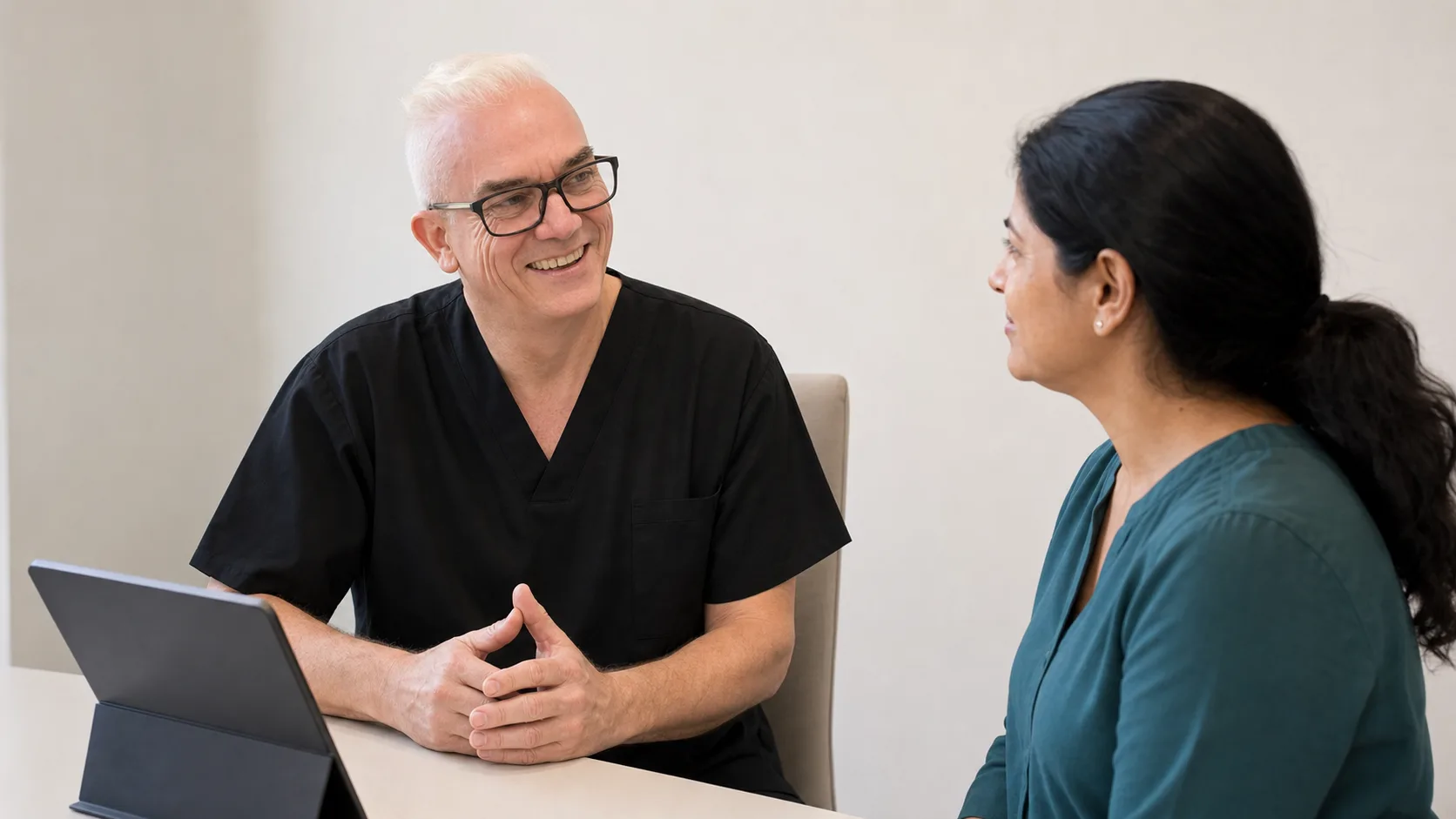
Notice whether men know where to get help, whether managers model taking care, and whether the culture rewards burnout while talking about wellbeing.
Look at whether men know how to use the EAP, find a GP, arrange a skin check or ask for time away without disclosing personal details. Posters are less useful when the practical path remains hidden. Test the instructions with someone who did not organise the event and see whether they can find the next step privately.
Put Private Next Steps In Plain Sight

Make the next step visible: EAP details, local GP options, skin check reminders, mental health support, flexible time for appointments, or a simple check-in script.
Place support details where staff can access them privately and include one simple check in script. Managers can model attending health appointments without asking workers to turn their own health into a public story. Include who to contact about leave or flexibility, and separate that administrative route from any request for personal clinical details.
When Banter Is Not An Adequate Response

If someone seems unsafe, in immediate danger or at risk of harm, call 000 or use crisis support such as Lifeline on 13 11 14. If the concern is not immediate, use professional support rather than workplace banter.
Immediate danger, possible self harm or another urgent concern needs 000 or crisis support. Workplace banter and a good intention are not substitutes for the right professional response. A supervisor should know the urgent route without trying to assess or counsel beyond their role.
What Happens After Lunch Matters
Feed people, yes. Then make it easier for them to do something useful after lunch.
The event has value when it leaves behind a more usable system. Food opens the conversation; visible services, privacy and appointment flexibility help someone act after it. Review which links, numbers or leave arrangements people actually used, without asking anyone to disclose why they needed support.
Before packing up, make sure staff know the next door and can use it privately. The measure is not how many people attended lunch, but whether help became easier to reach.
General information only. If there is danger, severe symptoms or a concern that will not settle, use the right health service rather than trying to manage it alone. If you are unsure, ask early and keep the next step simple.