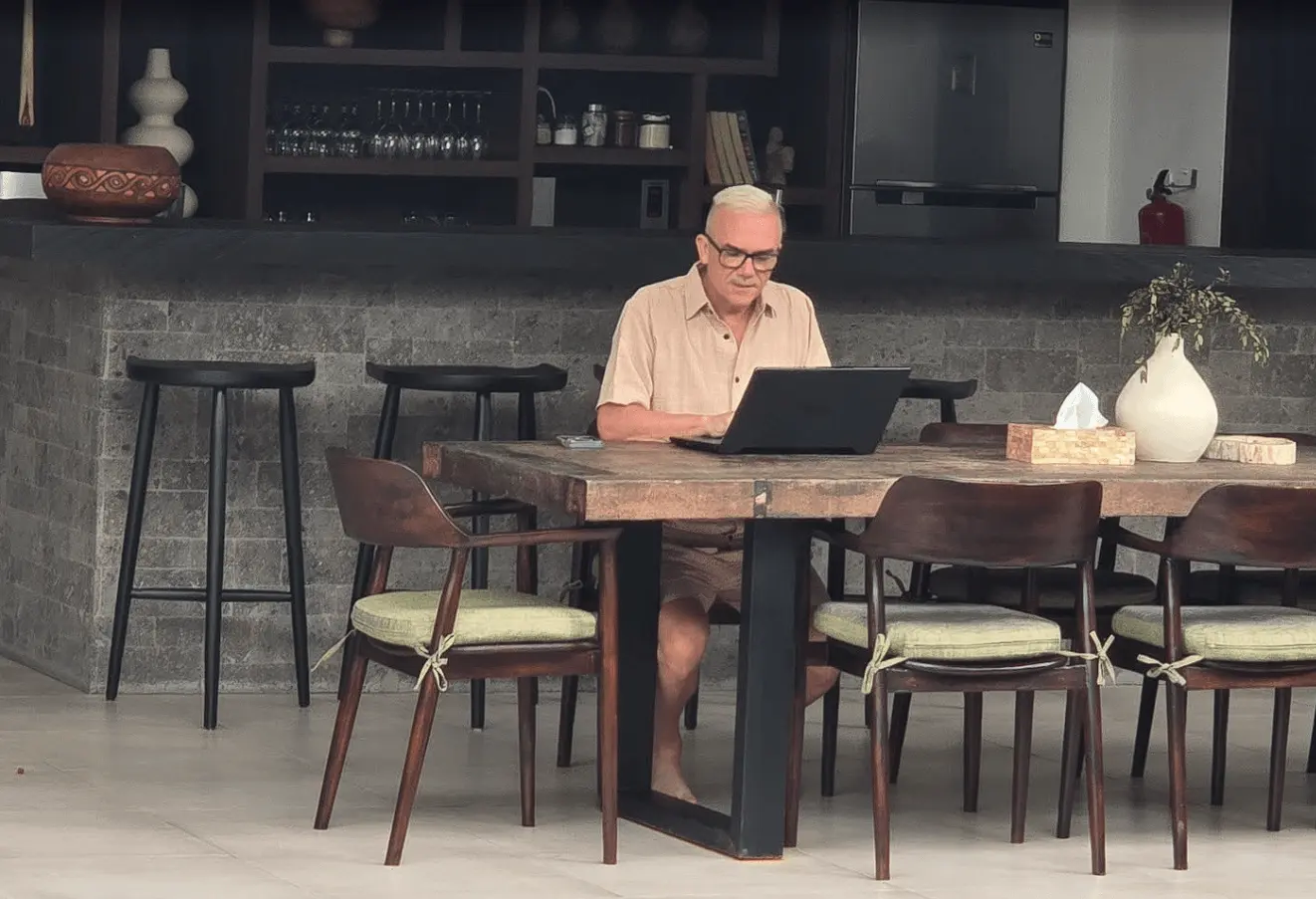
If you are coming from Albert Park, you can book a calm, private consultation with Corey Anderson RN at Core Aesthetics in Oakleigh. Bring what you have noticed, when it began to matter and any recent image, event or comment that changed your attention. The visit gives you space to understand the concern, your choices and the most useful next step without requiring a treatment decision.
Start with what you notice, not a treatment name
You might have noticed a change gradually, seen something unfamiliar in a photograph or begun thinking about it because a date is approaching. Any of those can be a useful reason to ask for a professional view.
At Core Aesthetics, the first conversation is with Corey Anderson RN. Tell him what catches your attention and why it feels timely now. He can place that concern in context, explain what assessment can clarify and help you leave with a considered next step.
What made the question feel timely?
Something looks or feels different
Note when you first noticed it and whether it is stable, changing or connected with other symptoms.
A photograph caught my attention
Bring the image if it helps, along with what you notice in ordinary mirrors and natural movement.
An event is shaping the timing
Share the date without treating it as a deadline for care. There should still be room to think.
Someone else’s view is in the room
Separate what you noticed for yourself from another person’s opinion, trend or expectation.
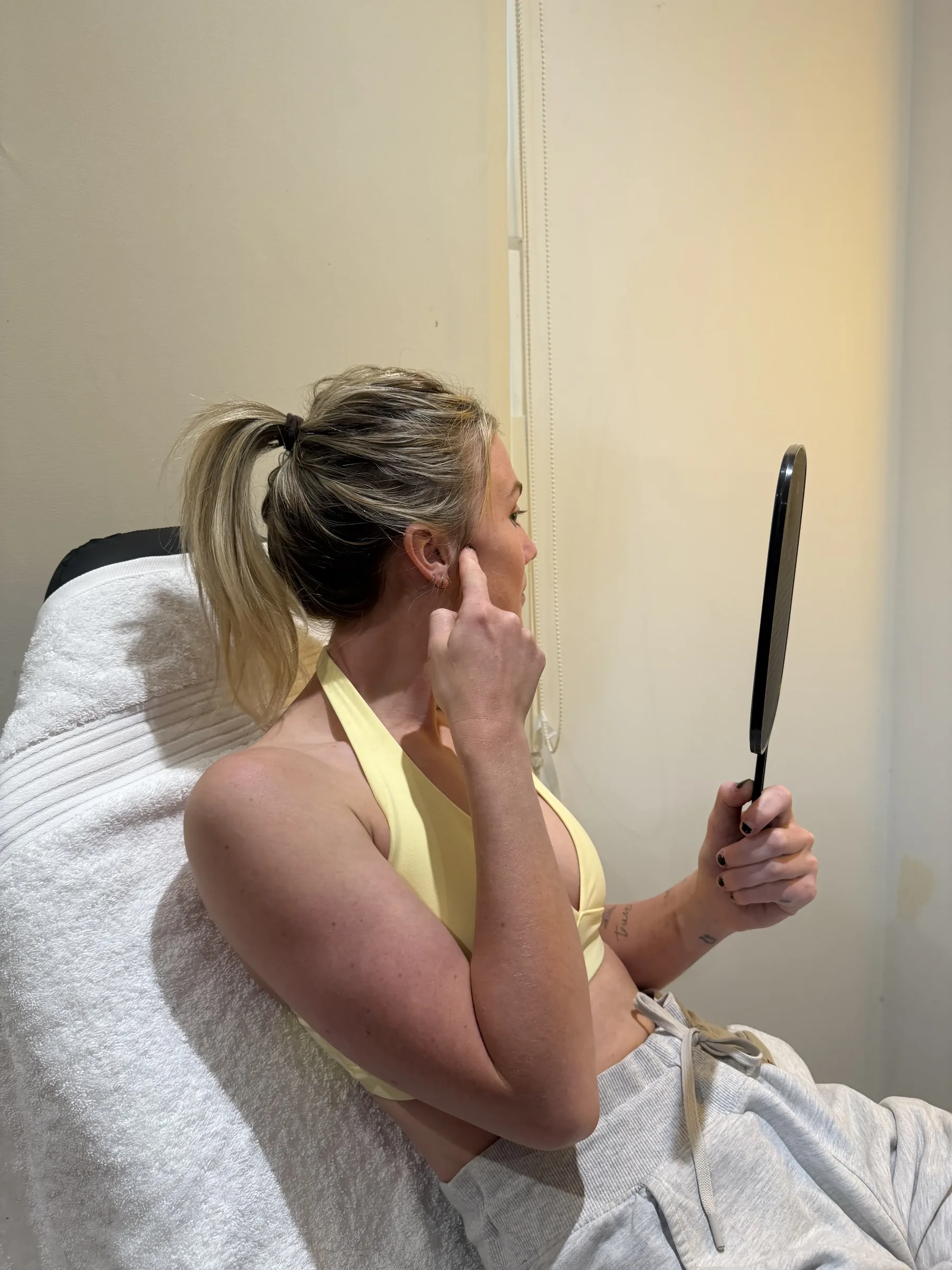
A photograph can begin the conversation
One image can make a familiar feature look suddenly important. Rather than trying to diagnose it from the frame, notice the light, angle, distance and expression, then compare it with what you see in ordinary life.
Corey can look at the area at rest and with natural movement, hear what has changed for you and explain what the image can and cannot establish. The goal is clarity, not finding a procedure to match every photograph.
If social media or another person’s opinion is adding pressure, the appearance pressure guide offers a quieter way to separate your preference from outside influence.
What would make the visit useful?
Name the real concern
Leave knowing what Corey observed, what remains uncertain and whether another kind of assessment should come first.
Hear the reasonable choices
That may include education, observation, waiting, another clinician, a suitable cosmetic discussion or no cosmetic care.
Choose your own pace
If an option is appropriate to discuss, you can hear its limits, material risks, costs and timing before deciding.
A date belongs in the conversation, not in charge of it
Albert Park has a formal major-events calendar, so an event or changed local route may genuinely affect your planning. It does not make cosmetic care urgent. If a fixed date leaves no space for assessment, recovery uncertainty or a change of plan, read the event planning guide and consider a calmer appointment time.
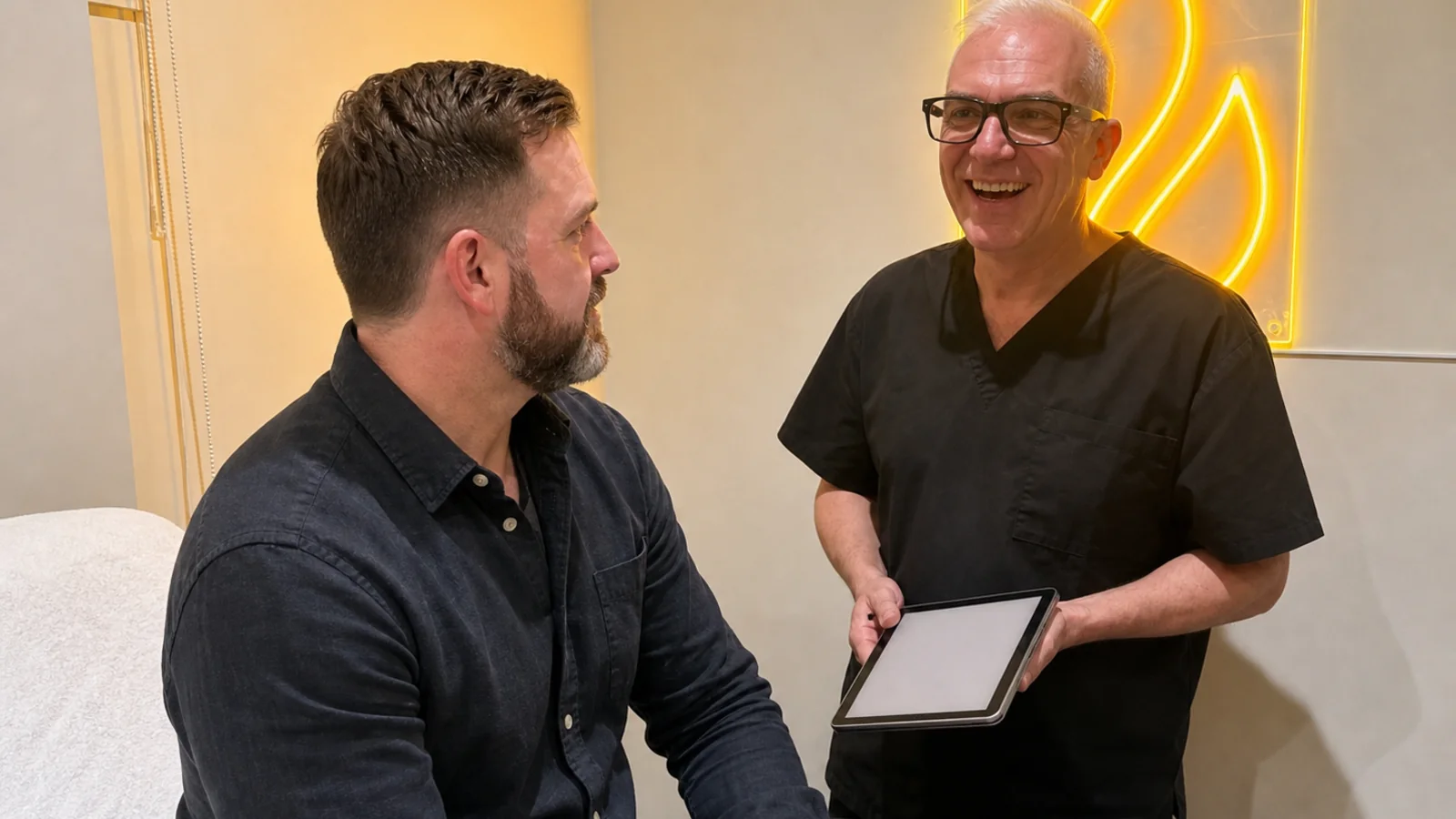
One practitioner, one continuous conversation
Your appointment is with Corey Anderson, Registered Nurse. He listens to what brought you in, reviews the relevant history and remains your point of contact through assessment, planning and review.
That continuity gives you room to speak plainly, including if you are unsure, want something left alone or would prefer more time. Corey can explain why a path may suit, why more information is needed or why waiting is a sound next step.
You can verify Corey’s registration and the clinic before travelling from Albert Park.
Plan the Albert Park to Oakleigh visit
| Plan this | What helps | Why it matters |
|---|---|---|
| Your starting point | Use the address that fits your day, whether it is near St Vincent Gardens, Bridport Street, Victoria Avenue or the lake. | A current journey plan is more useful than a suburb-wide time estimate. |
| Your appointment window | Allow for the cross-city trip, finding 12A Atherton Road and an unhurried conversation. | Transport or parking should not pressure you to shorten questions or decide quickly. |
| Your return plan | Check the trip home and whether a later review would also be practical. | Continuity includes being able to return if follow-up is recommended. |
| Your information | Bring medicines, allergies, relevant health details and previous-care records if available. | Accurate context makes the assessment more useful. |
Is this for you?
Consider booking a consultation if
- Adults starting from Albert Park who want to understand why an appearance concern feels urgent now
- People willing to separate a physical change, photograph, deadline and outside influence before requesting treatment
- Readers able to accept observation, records, another clinician, waiting, later review or no cosmetic treatment as useful outcomes
This may not be for you if
- Anyone with an urgent, new, unexplained or worsening health symptom who needs appropriate health care
- Anyone being pressured, coerced or required by another person to change their appearance
- Anyone seeking a product, quantity, fixed outcome or confirmation of suitability from a public page
Suitability is confirmed at consultation. This list is general guidance, not a substitute for clinical assessment.
When another kind of care should come first
A routine aesthetic consultation is not a substitute for medical, dental, skin or mental health care. Seek appropriate assessment first for a concern that is sudden, painful, unexplained, worsening or accompanied by other symptoms.
Corey may also recommend waiting when health, medicines, skin condition, timing, motivation or expectations need more consideration. The patient safety guide explains these boundaries in more detail.
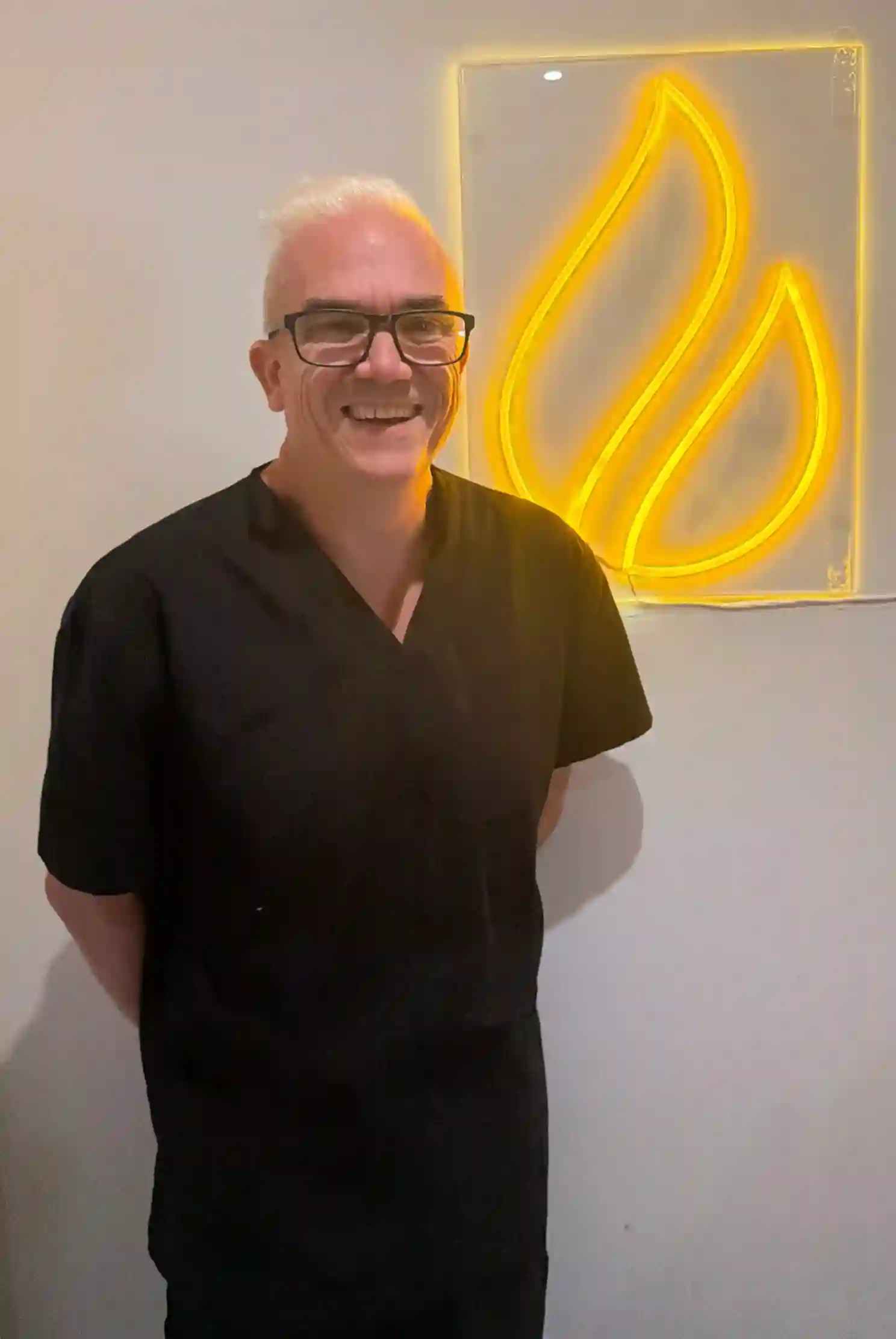
What to expect at the Oakleigh clinic
Come to the Oakleigh clinic for a calm, private assessment with Corey and enough space to explain what brought you in.
Bring your question plus relevant health and previous-care details. Corey will listen, assess the concern in context and explain the reasonable next steps. Same-day treatment is not assumed.
Sources for local context and safe decision making
Parks Victoria and City of Port Phillip local sources were checked on 8 August 2026. The Ahpra references for motivation, expectations, alternatives and informed consent were last accessed on 26 July 2026.
- Albert Park major events
Local evidence that Albert Park has an official major-events calendar. Used only to explain why a deadline may appear in consultation preparation.
- Albert Park and Middle Park
Local evidence for Bridport Street, Victoria Avenue, Armstrong Street and Albert Park Lake as route anchors only.
- Thinking about cosmetic injectables
Public questions about practitioner consultation, medical history, expectations, possible risks, informed consent and emergency processes.
- Guidelines for registered health practitioners who perform non-surgical cosmetic procedures
Holistic assessment, reasons and motivation, external pressure, expectations, alternatives, informed consent and the option of no procedure.
- Guidelines for advertising higher risk non-surgical cosmetic procedures
Requirements for factual advertising that does not exploit body-image concerns or create unrealistic expectations.
- Advertising health services that involve therapeutic goods
Product-neutral public health service advertising and restrictions on direct or indirect prescription medicine references.
- Ahpra public register of practitioners
Independent verification of practitioner registration.
Ahpra and TGA sources guide practitioner conduct, advertising and verification. They do not endorse Core Aesthetics, this page or an individual plan.
Questions about preparing from Albert Park
What is the why today exercise?
Write the date the concern began to feel urgent, then identify whether the pressure came from a physical change, a photograph or video, an event deadline, or another person. The exercise prepares a more honest consultation question; it does not diagnose the concern.
Why does the trigger matter if the concern is genuine?
The concern and the urgency can come from different places. You may have noticed something for years, then felt compelled to act after one image or comment. Corey needs both parts to understand motivation, expectations and whether more time would improve the decision.
What belongs under the body clock?
Record whether anything is new, changing, painful, symptomatic or connected to illness, medicines, dental care, skin changes or previous treatment. A new or worrying health change may need an appropriate health practitioner before a cosmetic consultation.
What belongs under the camera clock?
Note the image or video, who took it, the camera, lighting, angle, expression and whether the concern appears consistently outside that image. A photograph can explain the trigger without proving a diagnosis or the need for treatment.
What belongs under the calendar clock?
Write the event, travel date, work commitment or other deadline. Then ask whether the decision would be the same if that date disappeared. A deadline is planning information, not clinical urgency.
What belongs under the social clock?
Record comments, trends, advertising, comparisons or another person’s preference. Use their words if you remember them, then state what you had personally noticed beforehand and what drew your attention later.
Does travelling from Albert Park make same-day treatment likely?
No. Route convenience may make an information visit or later review practical, but it does not alter health history, motivation, expectations, risk or suitability. Treatment on the same day is not automatic.
What if I still want a consultation after the urgency falls away?
That can be a sound reason to book. Bring the calmer question, relevant history and the limits you want respected. The appointment may lead to information, observation, records, another clinician, waiting, a later review, a private options discussion or no cosmetic treatment.
What should I ask Corey before deciding?
Ask what the assessment establishes, what remains uncertain, what alternatives exist, the material risks and likely limits of any suitable option, total costs, aftercare, review arrangements and what would make Corey advise waiting or no treatment.
How can I verify Corey Anderson?
Corey Anderson is a Registered Nurse with Ahpra registration NMW0001047575. Use the Core Aesthetics verification guide, then search the independent Ahpra public register and match his name, profession and current registration details.
Come in with a question, not a commitment
Bring what you have noticed and why it feels timely. Your appointment can end with clearer information, more time, another pathway or a plan that feels right for you.