Cheek treatment aftercare should include written instructions, contact details for the treating clinic, what symptoms are expected, what symptoms are not expected, activity and pressure guidance, review timing and escalation steps. Mild swelling, tenderness or bruising can occur after some treatments, but severe or worsening pain, skin colour change, vision symptoms, spreading redness, fever, confusion, pus, shortness of breath or feeling very unwell should not wait for a routine cosmetic review. Your written plan should explain expected effects, material risks and the symptoms that need prompt or urgent assessment, because risk varies with the care provided and your health context.
Start With Written Instructions
The most important aftercare document is the written instruction sheet from the clinic that performed the treatment. It should tell you what was done, who to contact, what symptoms are expected, what self care to follow, and when review is needed.
Ahpra guidance requires post procedure instructions to include contact details, procedure details, usual symptoms, escalation points, self care instructions and follow up details where relevant. If you did not receive that information, ask the treating clinic for it.
What To Check In The First Days
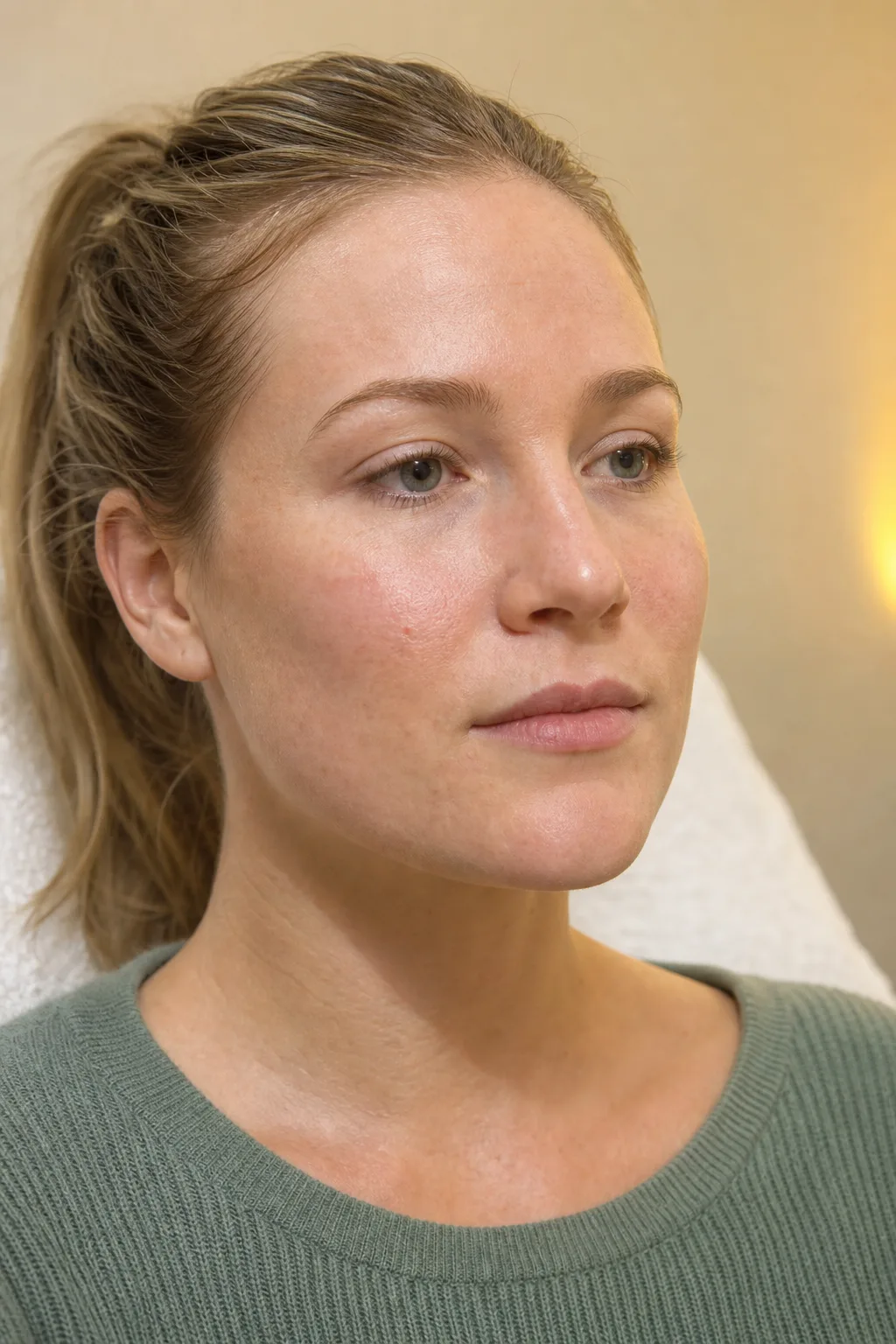
Cheek aftercare is partly about pattern recognition. Track whether swelling, bruising, tenderness and firmness are stable or improving, whether one side is changing faster than the other, and whether discomfort matches the instructions you were given.
Do not judge the final cosmetic appearance during early swelling. The more important question is whether symptoms fit the expected pathway or need review.
Red Flags That Should Not Wait
Some symptoms need urgent medical advice rather than a routine appointment. If symptoms are severe, rapidly worsening or affecting vision, breathing, speech or alertness, seek urgent medical help.
| Symptom pattern | Why it matters | Action |
|---|---|---|
| Severe or worsening cheek pain | Pain that escalates can signal a problem that needs prompt assessment. | Contact urgent care or the treating clinic urgently. |
| Pale, dusky, mottled or changing skin colour | Skin colour change after treatment needs immediate review. | Seek urgent medical help. |
| Vision change, eye pain or new severe headache | Eye symptoms after facial treatment are an emergency boundary. | Seek emergency care now. |
| Fever, confusion, fast breathing, severe illness or discoloured skin | Healthdirect lists these as possible sepsis warning signs when infection is a concern. | Seek medical attention quickly. |
| Spreading redness, heat, pus or increasing swelling | These can suggest infection or another complication. | Contact the treating clinic urgently or seek medical care. |
Pressure, Heat And Activity
Follow the instructions you were given about exercise, heat, alcohol, lying positions, facial pressure and touching the treated area. If the instruction sheet says to avoid strenuous activity or heat for a period, follow that advice.
Do not massage, press or manipulate the cheek area unless the treating practitioner specifically told you to. Pressure can make later assessment harder and may worsen some concerns.
When To Contact The Clinic
Contact the treating clinic if symptoms are outside the written instructions, are getting worse, are worrying you, or if you are unsure whether review is needed. Include the treatment date, area, photos for private reference and a short symptom timeline.
If symptoms are urgent, severe or rapidly changing, urgent medical care comes first. A routine cosmetic message is not the right pathway for emergency symptoms.

If Treatment Was Done Elsewhere
If cheek treatment was performed at another clinic, contact that clinic first because they know what was done and what records exist. Ask for the aftercare sheet, treatment details and review pathway if you do not already have them.
Core Aesthetics can offer non urgent assessment where appropriate, but it cannot replace the original clinic record or urgent care. Bring records if you want Corey Anderson RN to understand the context.
What To Keep In Your Record
Keep the treatment date, clinic name, practitioner name, areas treated, product record if supplied, written aftercare instructions, private photos, symptom notes and any messages exchanged with the clinic.
Good records help another registered health practitioner understand what happened if care needs to transfer or if you need a later review.
How Review Timing Works
Review timing depends on the treatment performed, the symptom pattern and the instructions you were given. Some concerns need urgent review; others are best checked at a planned follow up date.
If the concern is mild but persistent, a review can clarify whether the pathway is expected, whether more time is needed, or whether another clinical step is appropriate.
Where To Read Next
For wider aftercare context, read volume treatment aftercare guide, volume treatment safety and aftercare and exercise guidance.
For escalation and decision making context, read what to do after a cosmetic treatment concern, patient safety before aesthetic decisions, how informed consent works and why a careful consultation may end with no.

Common Questions
What should cheek treatment aftercare include?
It should include written instructions, clinic contact details, what symptoms are expected, what symptoms are not expected, activity limits, self care instructions, review timing and clear escalation steps.
What can be normal after cheek treatment?
Mild swelling, tenderness, small bruises and a temporary sense of firmness can occur after some cheek treatments. The important point is whether symptoms match the written instructions and improve rather than worsen.
Which cheek symptoms need urgent help?
Seek urgent medical help for severe or worsening pain, skin colour change, vision symptoms, shortness of breath, confusion, fever with feeling very unwell, spreading redness, pus or symptoms that feel rapidly worse.
When should I contact the clinic about cheek symptoms?
Contact the clinic if swelling, bruising, tenderness, asymmetry or discomfort is outside your instructions, is worsening, worries you, or needs review. Use urgent care first if symptoms are severe or rapidly changing.
What if the treatment was done elsewhere?
Contact the original treating clinic first because they know what was performed and what records exist. If symptoms are urgent, seek urgent medical care rather than waiting for a cosmetic appointment.
Can I exercise after cheek treatment?
Follow the written instructions you were given. If you were told to avoid strenuous exercise, heat or alcohol for a period, follow that plan. Ask the treating clinic if the instruction is unclear.
Should I massage or press the cheek area?
Do not massage, press or manipulate the cheek area unless your treating practitioner specifically instructed you to do so. Pressure can make assessment harder and may worsen some concerns.
What details should I keep after treatment?
Keep the date, clinic, practitioner, areas treated, product record if supplied, aftercare sheet, symptom timeline, photos for your private record and any messages from the treating clinic.
When is a review useful?
A review is useful when symptoms do not follow the expected pathway, when you are worried, when instructions are unclear, or when the clinic asked to check progress at a set time.
Is this cheek aftercare page medical advice?
No. This page is general aftercare information for adults. It cannot diagnose symptoms, replace urgent care, replace the treating clinic or confirm what should happen in your personal case.
Is this for you?
Consider booking a consultation if
- Adults who need general cheek treatment aftercare guidance
- Patients checking which symptoms need routine clinic review versus urgent care
- People preparing records for a non urgent cheek treatment review
This may not be for you if
- Diagnosing symptoms online
- Replacing the treating clinic or urgent medical care
- Confirming that a concerning symptom is harmless
Suitability is confirmed at consultation. This list is general guidance, not a substitute for clinical assessment.