For a cheek volume consultation near Highett, assess the concern at three scales. A close view shows skin, contour and shadow detail; a midface view shows the relationship between lower eyelid, cheek, nose and smile line; a whole-face view shows width, temple, jaw and overall proportion. A feature can appear important at one scale and balanced at another. Corey Anderson RN combines all three with natural expression, health, medicines, previous care, risks and the characteristics you want to preserve. Suitable care can be planned when individual assessment and informed consent support it.
Why Assess The Cheek At Three Scales?
Close photographs make small shadows and texture prominent. A wider view can show that the same feature belongs naturally within midface or whole-face proportion.
Using three scales protects detail from being dismissed while preventing detail from becoming the entire plan.
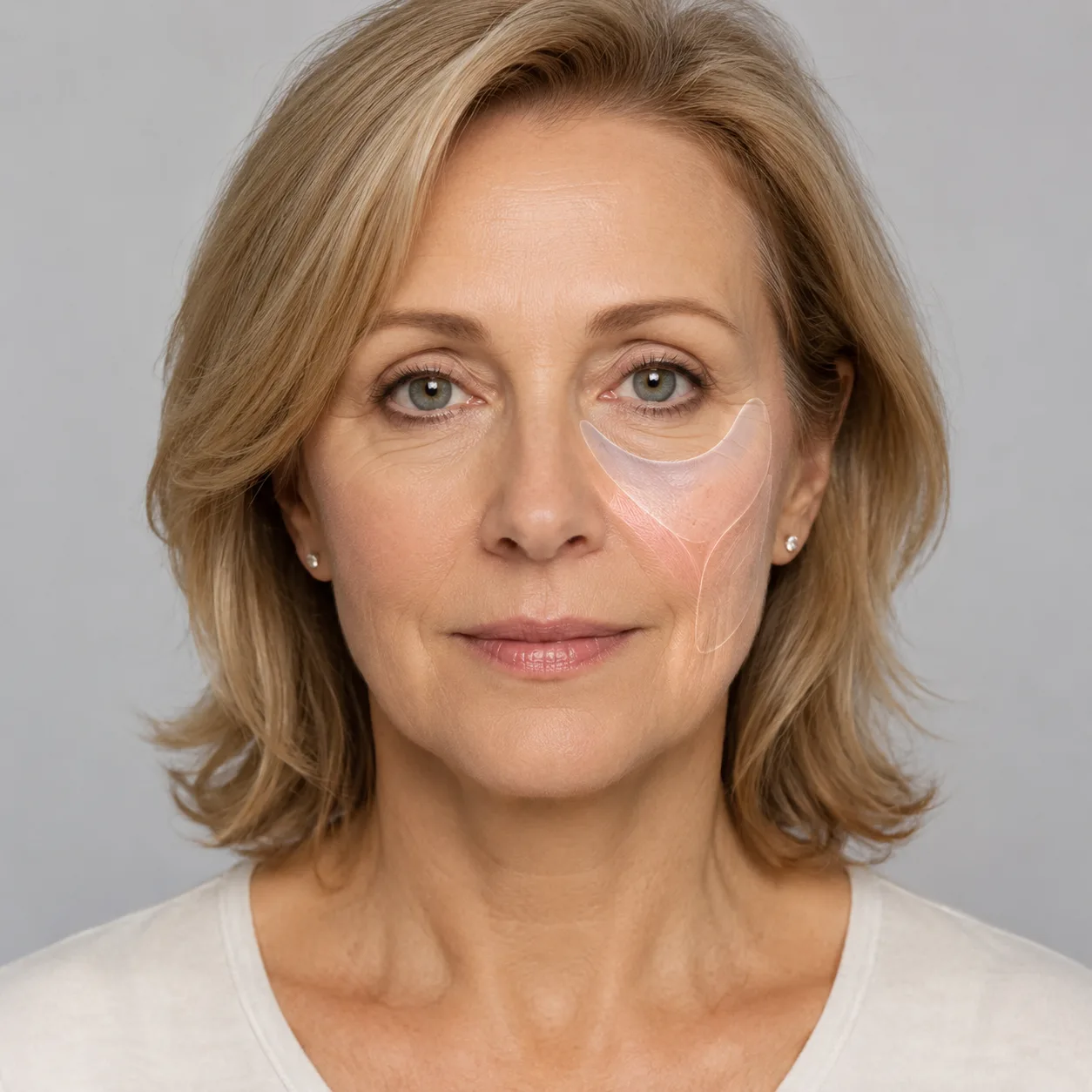
What Does Each Scale Show?
| Scale | Included area | Main question |
|---|---|---|
| Close detail | Skin and a small cheek area | What texture, edge or shadow is actually present? |
| Complete midface | Lower eyelid, cheek, nose and smile line | How do adjoining features relate? |
| Whole face | Temple, midface, jaw and chin | Does the concern remain important in overall proportion? |
What Belongs In The Close Detail View?
The close view can locate skin texture, a contour edge, a small hollow or the direction of a shadow. It is useful for precision but sensitive to lens distance, sharpness and light.
Corey does not infer facial balance from a cropped image alone.
What Belongs In The Complete Midface View?
The midface view includes the lower eyelid to cheek border, central cheek, side of the nose and smile line transition. It shows whether a local concern relates to one adjoining feature or several.
Rest and a natural smile add movement context to this scale.
What Belongs In The Whole Face View?
The whole-face view compares cheek height and width with the temples, nose, jaw and chin. It also shows whether a familiar family resemblance or natural side difference contributes to overall harmony.
The aim is not mathematical symmetry. It is a proportionate reading of the person in front of Corey.
What If The Concern Fades When You Zoom Out?
A feature can remain valid even when it becomes less dominant in a wider view. That finding may change its priority, the expected value of an option or the amount of change that would still look familiar.
Corey explains the difference without telling you that the concern is imaginary.
What If The Concern Remains At Every Scale?
A consistent feature gives a clearer location but still does not identify a cause or suitable option by itself. Bone structure, soft tissue, skin, expression, previous care and light remain relevant.
Consistency strengthens the assessment question, not a predetermined treatment request.
Which History Changes All Three Views?
Bring current medicines and supplements, allergies, relevant health and skin history and previous facial care with approximate dates. Mention swelling, tenderness, infection, firmness, altered sensation or a recent unfamiliar difference.
Older ordinary photographs can add time context, but their crop, lens and lighting should be acknowledged.
How Are Risks And Limits Kept In Scale?
Risk discussion must match the suitable option rather than the size of a concern in a close photograph. Relevant risks may include redness, tenderness, swelling, bruising, asymmetry, lumps, infection, delayed inflammatory response, dissatisfaction and uncommon urgent vascular warning signs.
Corey explains alternatives, realistic limits, total cost, aftercare, review access and contact instructions personally.
Where Is The Highett Consultation Held?
Core Aesthetics is at 12A Atherton Road, Oakleigh VIC 3166. Phone 0491 706 705. Corey Anderson is a Registered Nurse with Ahpra registration NMW0001047575.
People travelling from Highett can check the actual journey and whether returning to Oakleigh for planned review is practical.

Can Three Scale Assessment Support Suitable Care?
Corey combines the three views with direct assessment, health, previous care, priorities, risks, alternatives and review access. Suitable care can be planned when individual assessment and informed consent support it.
More information, adjusted timing, another clinical review or a different pathway can be incorporated when useful.
Which Cheek Guide Should You Read Next?
Read the Melbourne cheek guide for the broad service question, the cheek consultation guide for process, the under eye guide when the close concern sits above the cheek, and the midface change guide for education.
This page provides general education and does not diagnose a facial concern, confirm suitability or replace personal medical advice. These cosmetic procedure guidelines inform the consultation process. See the Ahpra guidelines for registered health practitioners who perform non-surgical cosmetic procedures and the TGA guidance for advertising health services involving therapeutic goods.
Is this for you?
Consider booking a consultation if
- Adults near Highett wanting cheek and midface assessment before treatment discussion
- Patients who want consultation-first explanation of cheek support, skin quality, risk and consent
- People who want facial structure, skin quality and proportion assessed before choosing the next step
- Patients who want to verify Corey Anderson RN and the Oakleigh clinic before booking
This may not be for you if
- People asking for a predetermined plan without assessment, consent or risk discussion
- People with urgent medical symptoms, active infection, acute swelling or rapidly changing facial symptoms
- People wanting a fixed cosmetic change before facial structure and skin quality are assessed
- People seeking elective cosmetic care for someone who cannot provide informed consent
Suitability is confirmed at consultation. This list is general guidance, not a substitute for clinical assessment.
Frequently asked questions
What are the three scales in this cheek assessment?
They are close cheek detail, the complete midface and whole-face proportion. Each answers a different question about texture, adjoining facial relationships and whether the concern remains important in the wider face.
Why can a close photograph be misleading?
A crop can magnify a small shadow, texture or contour edge, while lens distance, sharpness and light affect its appearance. Close images add detail but cannot establish facial balance alone.
What is included in the complete midface?
The complete midface includes the lower eyelid to cheek border, central cheek, side of the nose and smile line transition. Corey also observes rest and a natural smile for movement context.
Why include the whole face?
A whole-face view compares cheek height and width with the temples, nose, jaw and chin. It shows how the concern sits within familiar proportion and natural side difference.
What if my concern looks smaller when viewed from farther away?
It remains a valid observation. The wider view may change its priority, the expected value of an option or how much change would remain proportionate, without suggesting that the concern is imaginary.
What if the feature is visible at every scale?
Consistency can give the concern a clearer location, but it still does not diagnose a cause or select an option. Structure, soft tissue, skin, expression, previous care and light remain relevant.
Is Core Aesthetics located in Highett?
No. Core Aesthetics is in Oakleigh. Check the journey from your actual starting point and whether returning for planned review is practical. This page does not imply the clinic operates in Highett.