For a first aesthetic consultation, arrive with a one page brief rather than a treatment request. Write what you noticed in your own words, when it began or changed, relevant health history and medicines, previous cosmetic care, upcoming events or travel, one thing you do not want, and the question you want answered. Leave with six answers: what was assessed, whether it is within clinic scope, the reasonable options including timing or another clinically appropriate pathway, material risks and uncertainty, total expected costs and review needs, and the next decision point. You may leave without booking anything further.
You Are Allowed To Arrive Without The Vocabulary
“I do not know what this is called” is a useful opening sentence. It prevents an internet label from becoming an assumed diagnosis or treatment plan.
Describe what you see, feel or notice, when it appears and why it matters to you. Corey can then decide what belongs inside a nursing cosmetic assessment and what needs another practitioner.
Write These Seven Lines Before Booking
Use ordinary words. Leave a line blank if you do not know the answer.
| Line | What to write | Example of useful detail |
|---|---|---|
| 1. Concern | What you notice, without naming a treatment | “This looks different at rest and in photographs.” |
| 2. Timing | When you first noticed it and whether it changed | A season, event or approximate date is enough. |
| 3. Health | Conditions, medicines, allergies and relevant symptoms | Do not stop prescribed medicine for the appointment. |
| 4. Previous care | Dates, clinic records and what was done if known | Mark unknown details as unknown. |
| 5. Calendar | Travel, events, dental or medical care and caring duties | Practical timing can change the responsible plan. |
| 6. Boundary | One outcome, risk or pace you would not accept | “I do not want to decide today.” |
| 7. Question | The one answer you most want from the visit | “Is this within clinic scope at all?” |
What Not To Change Before The Appointment
Do not stop prescribed medicines, hide a health condition, alter a record or guess what previous care involved to make the appointment seem simpler. Accurate uncertainty is safer than a tidy story.
If you develop new pain, illness, infection signs, visual symptoms, breathing difficulty or another urgent concern, use the appropriate medical pathway rather than waiting for a routine cosmetic consultation.
What Happens In The Room?
Corey asks what brought you in, reviews relevant history and medicines, observes the concern where appropriate, checks scope and discusses whether any cosmetic pathway deserves further consideration.
The appointment may remain education only. Corey will connect the assessment findings with suitable options, timing and an agreed plan.
Use The Repeat Back Test
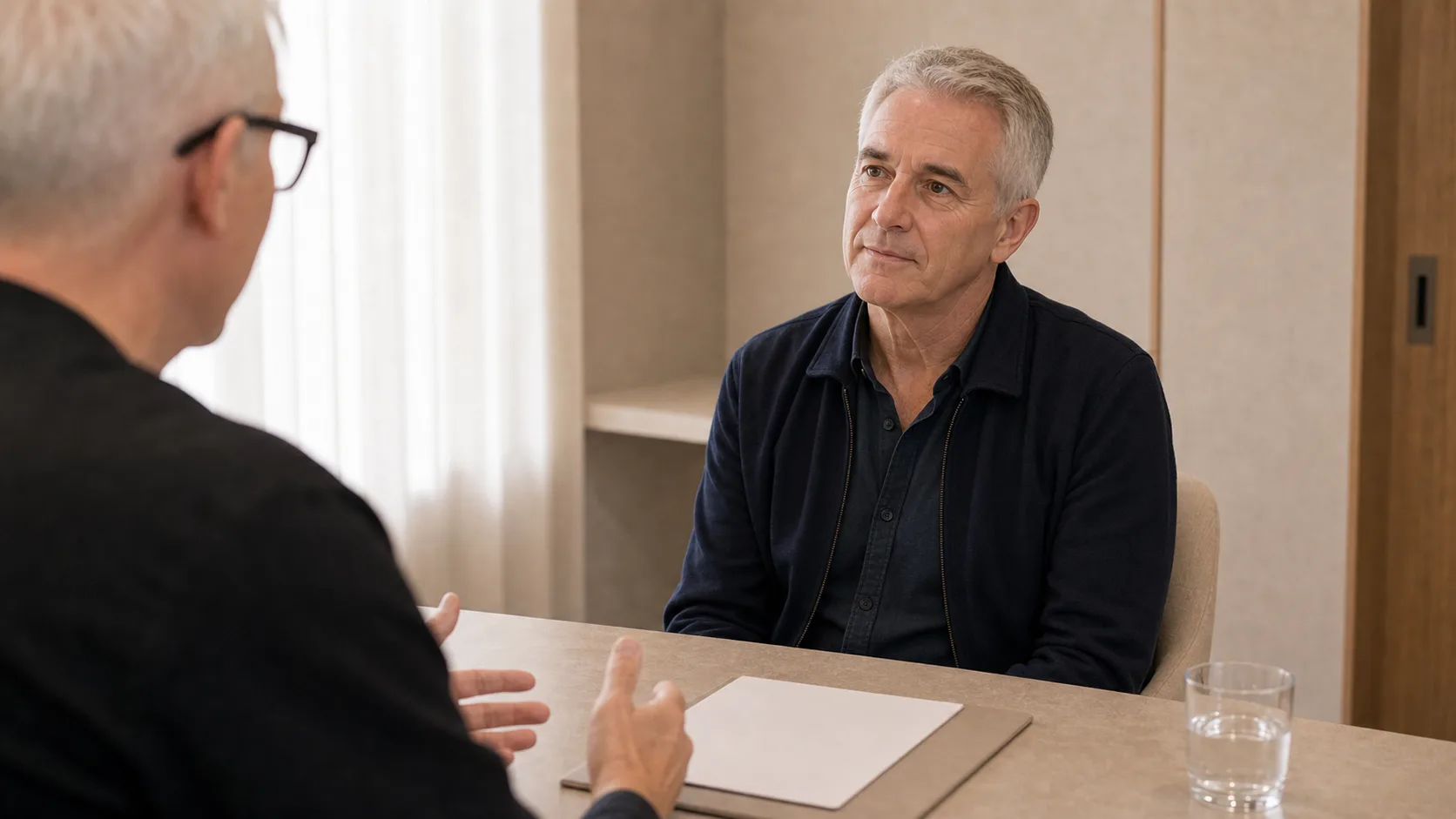
Before the conversation ends, explain the proposed next step in your own words: what question it addresses, what it cannot change, the important risks, the likely recovery, the cost and what you would do if concerned.
If your version and the practitioner’s version differ, the consent discussion is not finished. Ask again or take the information home.
Leave With These Six Answers
A useful first consultation should create a record, not simply a feeling that the conversation went well.
| Answer | What clear sounds like | If it is missing |
|---|---|---|
| Assessment | What Corey assessed and what remains uncertain | Ask what information is still needed. |
| Scope | Whether the concern fits Core Aesthetics nursing scope | Ask which practitioner should assess it instead. |
| Options | Reasonable paths, including waiting and no cosmetic care | Ask what happens if you choose none. |
| Risks | Material risks, limits, recovery and warning signs in plain language | Do not proceed until you understand them. |
| Costs | Consultation, expected pathway, review and possible repeat costs | Request the figures in writing before deciding. |
| Next point | The next decision date, record or referral rather than vague pressure | Take time and contact the clinic later. |
Keep These Permissions During The Visit
- Ask for a term to be explained without embarrassment.
- Say that a photograph or topic makes you uncomfortable.
- Bring notes or a support person if that helps you listen and decide.
- Ask for time away from the room before agreeing to anything.
- Leave without further booking or cosmetic care.
Consent is not a test of politeness. A first timer does not owe the room a yes.
Ask For The Whole Cost, Not The First Number
Ask what the initial consultation costs, what any proposed pathway could cost, whether review has a separate fee and whether future appointments are likely. Temporary or staged care may create costs beyond the first visit.
A clear price does not create suitability. A lower first number does not tell you the clinical value or the eventual pathway cost.
Put Events And Travel On The Table Early
Weddings, photographs, work presentations, travel and caring duties can create pressure to decide quickly. They can also make aftercare or review difficult.
Name the date at the beginning. The responsible answer may be to wait until there is enough time for assessment, consent, recovery and follow up without an event controlling the decision.
When The First Appointment Should End With No
No cosmetic care may be appropriate when the concern is outside scope, health information is incomplete, the expected change is unrealistic, the timing is poor, the risks outweigh the likely value or the person simply does not want to proceed.
A clear no should include the reason, any safer next door and what would need to change before the question could be reconsidered.
How This Page Stays Distinct
This guide owns preparation for a person with no previous aesthetic consultation: the one page brief, six take-home answers and permissions to keep. The general consultation guide explains the appointment structure. The first care appointment guide applies only after assessment and consent have already supported a separate appointment.
Use the suitability guide for the detailed screening logic.
What The Sources Support
Ahpra guidance requires informed consent, realistic outcome discussion, material risks, alternatives, recovery information, appropriate aftercare and the option to decline care that is not suitable. TGA guidance is why this public page discusses consultation and decision process without naming or promoting prescription goods.
The seven line brief and six answer check are clinic communication tools. They do not diagnose a concern or establish suitability.
Verify The First Consultation Details
Corey Anderson is a Registered Nurse with Ahpra registration NMW0001047575 at Core Aesthetics in Oakleigh. Phone 0491 706 705.
Use the Core Aesthetics verification page and the Ahpra public register before sending records or paying.
First Consultation Questions
Do I need to know which treatment I want?
No. Describe what you notice, when it appears and why it matters. Arriving without a treatment request allows the practitioner to assess scope, uncertainty and whether another pathway is more appropriate.
What should I put on my one page brief?
Write the concern, timing, relevant health history and medicines, previous care, events or travel, one personal boundary and the main question you want answered. Leave unknown details marked as unknown.
Should I stop medicines before the appointment?
Do not stop prescribed medicines simply to make a cosmetic appointment possible. Bring an accurate list and discuss it during assessment. Use the appropriate medical practitioner for advice about changing medicines.
What six answers should I leave with?
Leave knowing what was assessed, whether it is within scope, the options including another appropriate care pathway, material risks and uncertainty, whole pathway costs and the next decision point or referral.
Can I bring notes or a support person?
Yes, if notes or a support person help you listen and decide. Ask the clinic about privacy, room capacity or access needs before the appointment so the arrangement is clear.
Does first time preparation decide treatment suitability?
No. Preparation improves the assessment record but does not establish suitability. The appointment may remain education only, lead to waiting or referral, or end with no cosmetic care.
How should I ask about costs?
Ask about the consultation, the whole proposed pathway, review fees and likely future appointments. Request the figures before deciding. Price clarity does not mean that care is suitable.
What if I have an important event or travel soon?
State the date at the start. When the calendar does not allow enough space for consent, recovery, review or aftercare, waiting may be the responsible option. An event should not force the clinical timeline.
Can I leave without booking anything else?
Yes. You can ask questions, take the information home, seek another opinion or decide on no cosmetic care. A first consultation does not create an obligation to proceed.
Is this for you?
Consider booking a consultation if
- Adults preparing for their first aesthetic consultation
- People who want a practical brief rather than product vocabulary
- Adults who want scope, risk, cost and next steps documented
- People comfortable with timing or another clinically appropriate pathway
This may not be for you if
- Anyone seeking urgent medical assessment
- People expecting a booking to establish suitability
- Anyone withholding health information to obtain care
- People seeking a promised result or predetermined plan before their first individual assessment
Suitability is confirmed at consultation. This list is general guidance, not a substitute for clinical assessment.