This Elwood guide helps adults separate jaw border definition from central chin support, jowls, neck transition, skin quality and jaw muscle width. It also explains how ordinary lighting, profile views, symptoms, event timing and the return trip to Oakleigh change the quality of the assessment.
Where Does The Border Concern Begin And End?
Use one finger to identify where the concern begins and ends without pressing or manipulating the tissue. Is it central under the lower lip, along the jaw body, near the angle, below the border or at the neck transition? The location is more useful than a broad request for a sharper jawline.
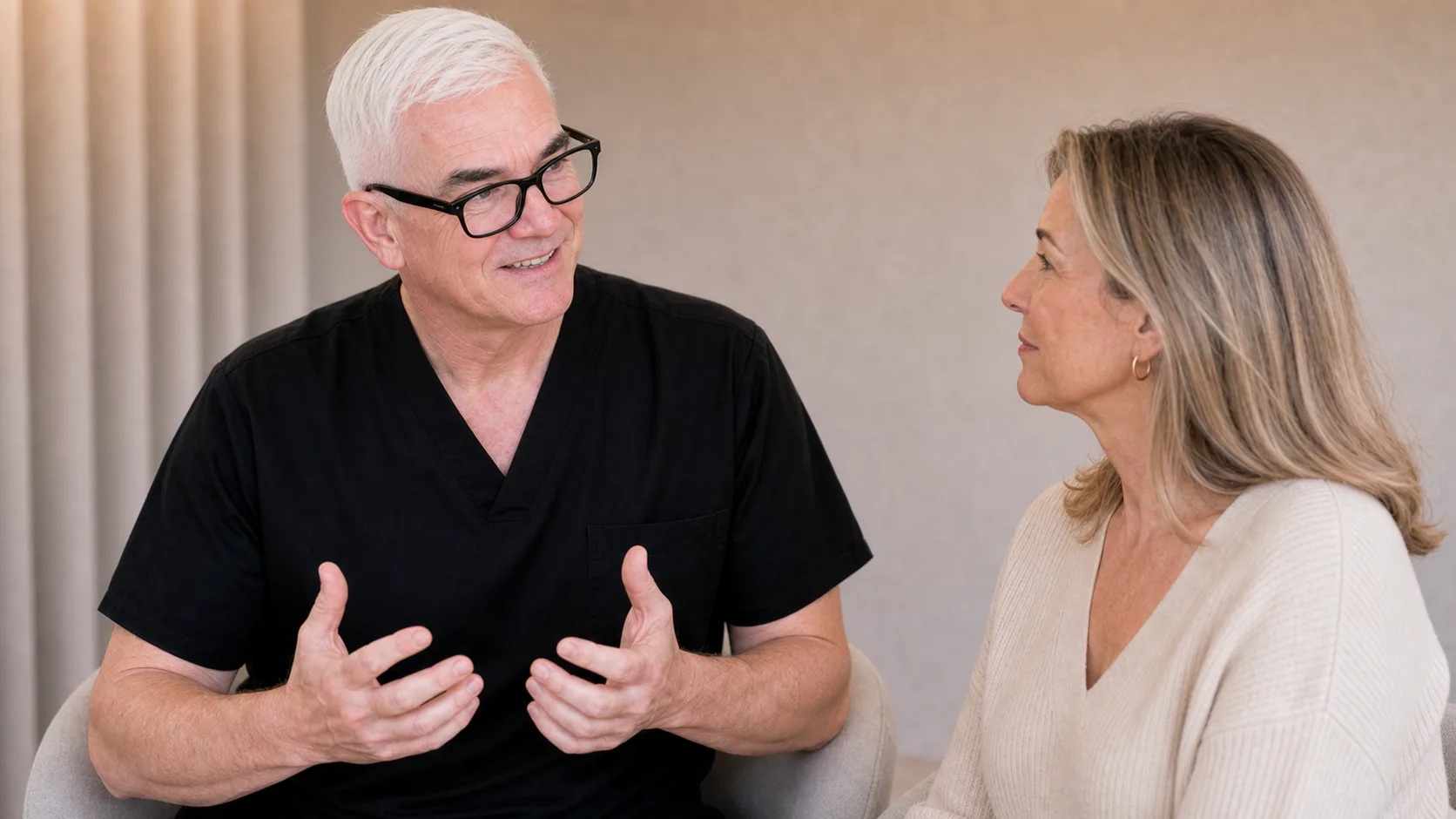
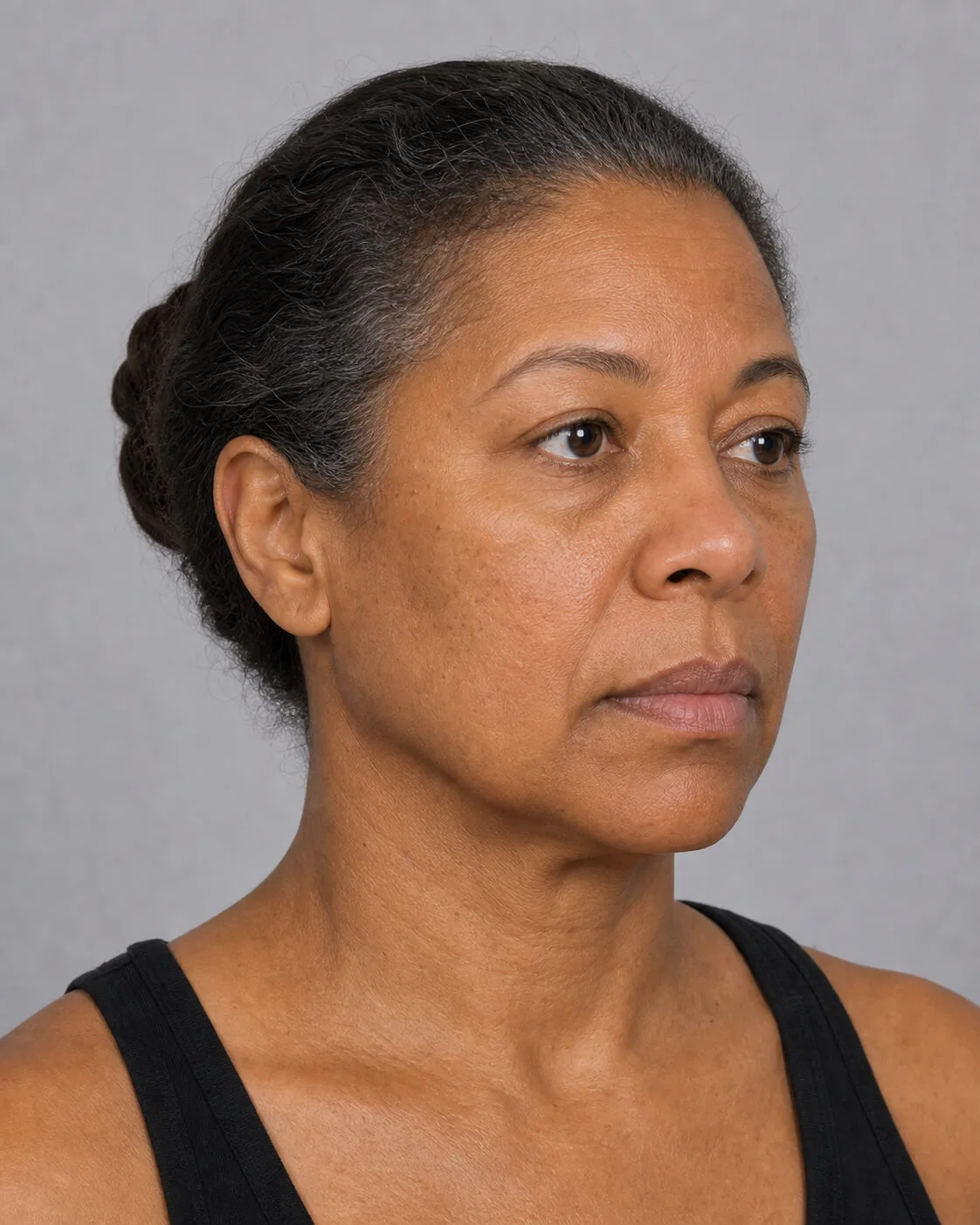
Corey then compares front, profile and three quarter views at rest and during ordinary speech. A concern that looks strong in one close photograph may be less clear during normal conversation.
Which Five Neighbouring Features Can Change The Jawline View?
The central chin can alter the profile endpoint. Jowls can interrupt the border. Skin and under chin tissue can soften the transition. The neck can change the angle seen from the side. Chewing muscle or jaw bone width can change the outer lower face.
These features may overlap, but they should not be collapsed into one treatment request. Corey identifies the leading contributor, what remains uncertain and whether the concern belongs with a chin, jaw muscle, skin, neck or broader facial assessment.
How Should Elwood Landmarks Shape Travel Planning?
Someone leaving from Elwood Beach or Point Ormond may have a different trip from someone near Ormond Road, Tennyson Street or the eastern edge of Elwood. Check live Transport Victoria and traffic information from the exact starting point rather than relying on a generic suburb estimate.
Tell Corey if work, school pickup, an event or limited return transport affects review access. The practical constraint belongs in the timing discussion, but the effort of crossing to Oakleigh never makes an option more appropriate.
Compare Ordinary Light With The Camera View
Strong side light near a window or outdoors can deepen a shadow under the jaw. A close phone camera can change profile proportion, while wide angle distortion may make the central chin or jaw angle look different from a normal viewing distance.
Bring a small set of unedited photographs from front, profile and three quarter views in ordinary light. They can show context and chronology, but Corey still needs to assess movement, tissue behaviour and the whole lower face in person.
Which Symptoms Should Not Be Treated As Contour?
New pain, swelling, numbness, altered bite, restricted jaw opening, a rapidly changing lump or new facial weakness needs an appropriate dental or medical pathway. Recent dental care, infection, skin inflammation or an unsettled previous procedure can also change timing.
A jawline consultation should not disguise a symptom question as an appearance question. Corey may pause the cosmetic discussion and recommend another clinician, more records or observation.
What Makes A Lower Face Plan Proportionate?
The plan should match the leading contributor, the degree of concern, what the person wants to preserve, the likely tradeoffs and the practical ability to manage aftercare and review. It should not assume that every nearby feature needs attention.
Any option discussion must include material risks, individual variation, alternatives, costs, recovery, review and the choice to wait or decline. A staged assessment or no cosmetic step may be more proportionate than combining several lower face ideas.

Which Three Boundaries Should You Bring To The Appointment?
Bring the concern in your own words, the feature or expression that must remain familiar, and the amount of recovery, maintenance or uncertainty that would make the idea not worthwhile. Add current medicines, allergies, medical and dental history, previous cosmetic care and fixed event dates.
These boundaries help Corey decide whether the visible concern and the available pathway actually match. They also give consent a clearer stopping point.
Which Lower Face Guide Should You Read Next?
Use the chin consultation guide when the central profile point is the main concern, the Elwood jaw muscle guide for chewing muscle width or clenching history, and the main Melbourne jawline guide for broader assessment and safety detail.
If the concern includes pain, bite change, swelling or another symptom, choose a dental or medical pathway rather than another cosmetic page.
Local Consultation Questions
Where does the jawline begin and end?
The visible jawline is the lower border running from the central chin towards the jaw angle and neck transition. A concern may sit at one point or involve several neighbouring areas. Pointing to the exact location helps separate chin, jaw border, jowl, under chin, neck and jaw muscle questions.
Can a phone camera make my jawline look different?
Yes. Close distance, wide angle lenses, head position and side lighting can alter the apparent chin and jaw relationship or deepen shadows below the border. Use several unedited views as context, but do not set a clinical target from one image.
How is a jawline consultation different from a jaw muscle consultation?
Jawline assessment focuses on the lower border, central chin, jowls, skin, under chin area and neck transition. Jaw muscle assessment focuses more on chewing muscle prominence, movement and clenching history. Corey compares both when the source of lower face width is unclear.
Can pain or bite change be part of an Elwood jawline consultation?
Mention it, but new pain, altered bite, restricted opening, numbness, swelling or functional change may need dental or medical assessment. A cosmetic consultation cannot diagnose or replace care for a jaw joint, dental or neurological concern.
What should I bring if I had previous lower face care?
Bring the date, clinic, practitioner details, area, written aftercare, records and unedited photographs if available. Describe what changed, when it changed and what follow up occurred. Missing information may make waiting or continuity with the original team more responsible.
How should I plan the trip from Elwood?
Check live travel information from your exact Elwood starting point, whether that is near the beach, Point Ormond, Ormond Road or another part of the suburb. Allow time for assessment and make sure a later review or urgent return would be practical.
Does an event date make a jawline option more suitable?
No. An event can make timing less appropriate because recovery, settling and review may not fit a fixed date. Tell Corey the date and the visible change or uncertainty you would find unacceptable. Waiting is a valid recommendation.
Can the consultation finish with no jawline plan?
Yes. Corey may identify a different leading concern, recommend dental or medical input, request records, suggest observation, discuss a narrower pathway or advise no cosmetic step. The appointment should produce a reasoned next decision rather than assume treatment.
Can You Complete This Sixty Second Jawline Check?
- Name the exact part of the border that concerns you.
- Compare front, profile and three quarter views in ordinary light.
- List any pain, swelling, bite change, dental care or previous procedure.
- Write what must remain familiar and what would make you wait.
- Check travel and return access from your exact Elwood starting point.
Is this for you?
Consider booking a consultation if
- Adults who want jawline, chin, jowl, jaw muscle and lower face context assessed before treatment discussion
- Patients comparing local access with practitioner verification and review planning
- Patients with previous treatment who may need records review, waiting or original clinic review
- People who value a clear explanation of options, timing, follow-up and other clinical input
This may not be for you if
- People asking for a predetermined plan without assessment, consent or risk discussion
- People seeking a promised sharper jawline before consultation
- People wanting public prescription product advice or product led recommendations
- People with urgent medical, dental, infection, pain or jaw symptoms who need appropriate medical or dental care
Suitability is confirmed at consultation. This list is general guidance, not a substitute for clinical assessment.