For a lip proportion concern near Clarinda, compare four ordinary moments: lips resting apart or together, speaking, smiling and gentle closure. Note what changes in border visibility, upper and lower lip relationship, mouth corner movement, symmetry and comfort. Corey Anderson RN combines those observations with an individual assessment, health and dental context, previous care and your preferences. He explains suitable options, material risks, alternatives, costs, timing and follow up. When clinically appropriate and informed consent is complete, suitable care can be planned.
Begin With Four Ordinary Moments
A still close photograph can exaggerate one detail and miss how the lips work through the day. Start with four familiar moments: relaxed rest, ordinary speech, a natural smile and gentle lip closure.
Notice what changes without stretching, pressing or repeatedly posing. This record gives Corey a functional starting point and helps distinguish a movement question from surface irritation, temporary swelling or a structural concern.
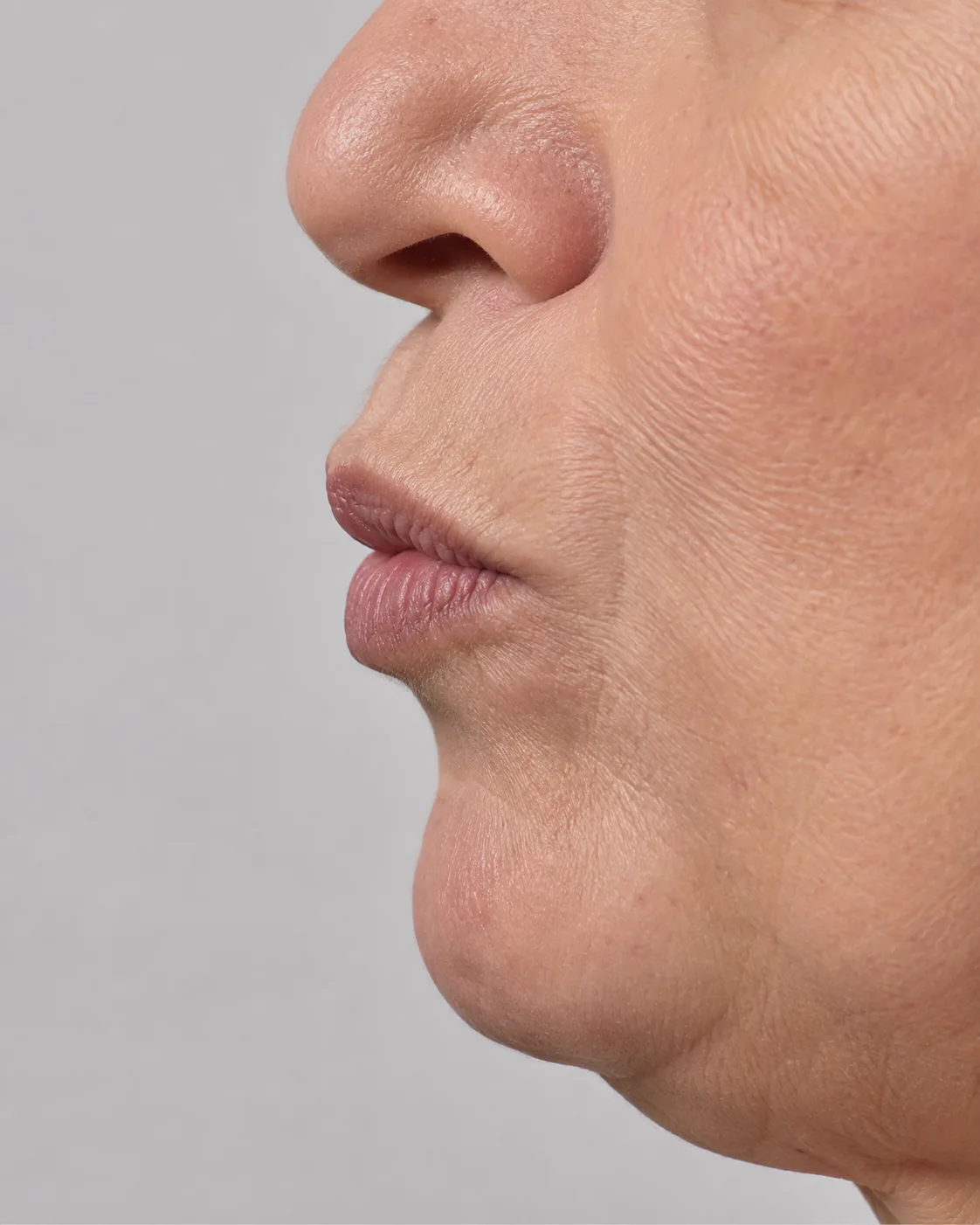
What Does Corey Compare With Your Record?
Corey observes the lips at rest and during natural movement, then considers the border, upper and lower lip relationship, mouth corners, surrounding skin, chin and lower face balance. He also asks what feels familiar and what you want preserved.
Medicines, allergies, dental care, cold sore history, recent illness, previous cosmetic care and changing symptoms can affect the discussion. Your four moments are observations, not a diagnosis or a treatment request.
How Should You Prepare The Four Views?
| Moment | What to notice | Why it helps |
|---|---|---|
| Relaxed rest | Whether the lips rest apart or together and which contours remain visible. | Establishes your usual baseline without forced expression. |
| Ordinary speech | How the border, corners and upper to lower relationship change through a sentence. | Connects planning with everyday function. |
| Natural smile | Tooth display, corner movement and any familiar side difference. | Shows how lip proportion relates to the wider smile. |
| Gentle closure | Whether closure feels easy, tight, dry, tender or recently different. | Adds comfort and surface context without asking you to force the lips. |
Which Question Belongs On This Page?
Stay with this guide
Your main question is how lip shape and proportion change from rest through ordinary movement.
Describe the symptoms first
Dryness, cracking, irritation, a sore or changing swelling may need skin, dental or medical assessment before a cosmetic pathway is considered.
Start with the main guide
Use the Melbourne lip consultation guide when proportion, lower face support and possible pathways all need broader explanation.
Why Are Speech And Closure Worth Discussing?
Lips are active structures. A plan based only on a posed smile can overlook how the mouth looks and feels during speech or relaxed closure. Corey uses natural movement to keep the assessment connected to daily function.
Tell him if closure has become uncomfortable, movement has changed or a difference is new. A stable cosmetic preference and a new symptom are not the same starting question.
How Can The Clarinda Visit Stay Unhurried?
Bring a few notes, relevant records and one or two natural photographs if they genuinely show the pattern. You do not need a catalogue of close views or a preselected option.
Allow time to discuss medicines, allergies, previous care, dental timing, work, travel and review access. When assessment and consent support an option, suitable care can be planned; more information or adjusted timing can be incorporated constructively when useful.
What Can Change The Planning Path?
Recent dental work, active irritation, a cold sore, unexplained swelling, illness, pregnancy or breastfeeding context, changing medicines and previous cosmetic care can affect timing or the appropriate clinical pathway.
A sudden painful change, spreading swelling, breathing or swallowing difficulty, marked colour change, fever or another acute symptom needs prompt appropriate medical assessment. This page is for stable consultation questions, not urgent care.
Which Nearby Guide Has A Different Job?
Use the Clayton South lip guide for the Westall and southern route, the Clayton guide for the station, hospital and university corridor, or the Oakleigh guide when the clinic locality itself is your starting point.
The main lip consultation guide explains the broader pathway. This Clarinda page keeps one narrower job: bringing a four moment movement record to an individual assessment.
Which Risks And Boundaries Are Discussed?
Risks depend on any option considered and may include temporary marks, swelling, tenderness, bruising, asymmetry, lumps, infection, cold sore recurrence, dissatisfaction and uncommon serious complications. Corey explains relevant warning signs, aftercare and review access before you decide.
Your boundaries matter too. Describe the movement, proportions and recognisable asymmetry you want preserved, what would feel excessive and which trade offs would not be worthwhile for you.
What Do Official Sources Support?
Guidelines for registered health practitioners who perform non-surgical cosmetic procedures support individual assessment, informed consent and appropriate follow up. These cosmetic procedure guidelines inform the consultation process. TGA guidance for advertising health services involving therapeutic goods explains why this public page does not promote prescription products.
These sources support the process but cannot determine personal suitability or predict an individual result.
Where Can You Bring The Four Moment Record?
Bring the record from Clarinda to Core Aesthetics at 12A Atherton Road, Oakleigh VIC 3166. Phone 0491 706 705. Corey Anderson RN leads the assessment and holds Ahpra registration NMW0001047575.
Include medicine and allergy details, dental context and previous care records with your observations. Confirm Corey through the verification page and check the pricing guide before choosing an appointment.
Can Suitable Care Be Planned After Assessment?
Bring the movement pattern you recognise
Corey explains suitable options, material risks, alternatives, costs, aftercare and follow up. When an option is clinically appropriate and informed consent is complete, suitable care can be planned around your function, proportions and boundaries.
Is this for you?
Consider booking a consultation if
- Adults near Clarinda wanting lip proportion and movement assessment before option discussion
- Patients who want consultation-first explanation of shape, volume, tissue behaviour, risk and consent
- People who value a clear explanation of options, timing, follow-up and other clinical input
- Patients who want to verify Corey Anderson RN and the Oakleigh clinic before booking
This may not be for you if
- People asking for a predetermined plan without assessment, consent or risk discussion
- People with urgent medical symptoms, active infection, acute swelling or rapidly changing lip symptoms
- People wanting a fixed cosmetic change before proportion, movement and tissue behaviour are assessed
- People seeking elective cosmetic care for someone who cannot provide informed consent
Suitability is confirmed at consultation. This list is general guidance, not a substitute for clinical assessment.
Frequently asked questions
What is a four moment lip record?
It compares your lips during relaxed rest, ordinary speech, a natural smile and gentle closure. Corey uses those observations to understand movement and proportion across normal function.
Do I need photographs of every moment?
No. Brief written observations may be enough. If photographs genuinely show the pattern, bring one or two natural views without filters, forced expressions or repeated close posing.
Why include ordinary speech?
Speech shows movement that a still smile misses. It helps Corey consider border visibility, mouth corner movement and upper to lower lip relationships during everyday function.
What should I notice during gentle closure?
Notice whether closure feels natural and comfortable, and whether dryness, tenderness, tightness or a recent change is present. Do not press or strain the lips for the record.
What previous care details should I bring?
Bring approximate dates, areas, provider records if available, side effects, review advice and what felt unfamiliar. Dental care and cold sore history can also affect planning.
Which symptoms need another clinical pathway?
Sudden painful change, spreading swelling, breathing or swallowing difficulty, marked colour change, fever or another acute symptom needs prompt appropriate medical assessment rather than a routine cosmetic consultation.
Why are speech and gentle lip closure part of the assessment?
Lips are active structures, so a posed smile cannot show how the border, mouth corners or upper to lower relationship behave in ordinary life. Corey observes natural speech and comfortable closure alongside rest and smiling. Tell him if closure feels different, movement has changed or a difference is new, because those details may change timing or the appropriate clinical pathway.