For a first Melbourne lip consultation, begin by clarifying the concern, goals and clinical context. Corey Anderson RN reviews lip proportion, movement, medical history, timing, risks, consent and which options may be suitable, whether timing needs adjusting and what next step fits best.
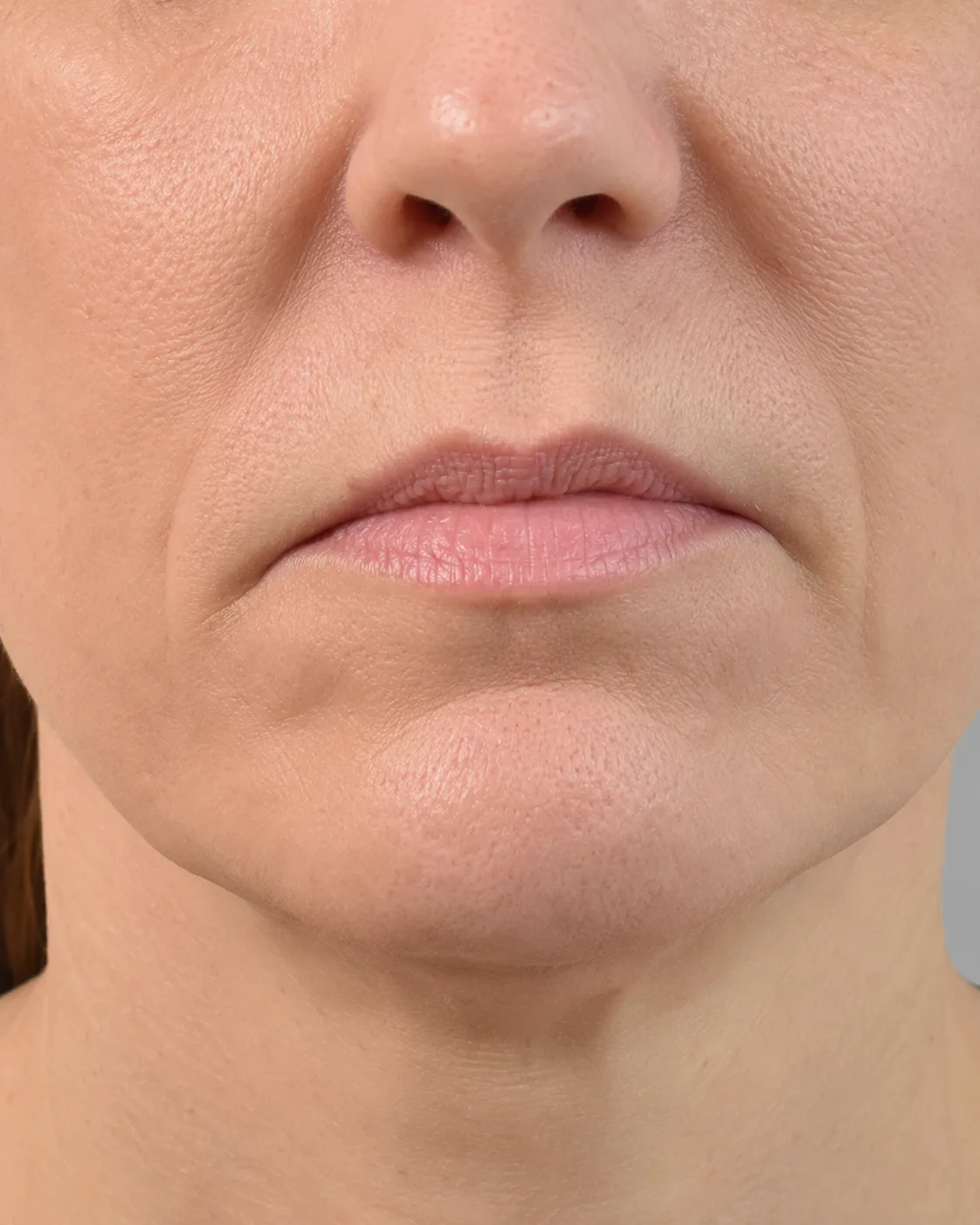
Why First Appointments Need More Care
First time patients often arrive with a mix of curiosity and caution. They may want a subtle change, worry about looking overdone, feel unsure about swelling, or want to know whether their lips suit treatment at all. Those questions are appropriate. Lips are visible, mobile and closely tied to expression, so small changes can feel significant.
A rushed first appointment can turn uncertainty into pressure. A better consultation gives enough time to understand the concern, explain limits, review risk, discuss timing and decide whether proceeding is appropriate. The aim is a calmer decision, not a quick commitment.
This is also why first time lip consultation sits beside the broader lip proportion and volume consultation, lip consultation and treatment suitability assessment pages.
What Corey Assesses
Corey may assess upper to lower lip proportion, border definition, cupid bow shape, smile movement, tooth show, mouth corner position, lower face balance, chin relationship, jawline context, tissue quality, existing asymmetry and whether the lips suit the face as a whole.
The consultation also covers medical history, medicines, allergies, cold sore history, pregnancy or breastfeeding status, recent dental or skin work, prior cosmetic treatment, timing, aftercare needs and whether expectations are realistic. If something does not fit safely, the responsible recommendation may be to wait or not proceed.
Assessment is not about copying a reference image. Photos can help explain a preference, but lighting, editing, expression and anatomy can mislead. Corey still needs to assess the person in front of him.

First Appointment Decision Guide
This table shows how common first time questions can shape the consultation. It is general guidance only and does not replace individual assessment with Corey.
| What you are trying to decide | What Corey may assess | Possible next step |
|---|---|---|
| I want a very small change | Proportion, tissue support, facial balance, timing and whether a small change would still be visible or worthwhile. | Conservative planning with realistic timing and review needs. |
| I am worried about looking overdone | Previous examples, expectations, lip-to-face balance, what should be avoided and whether treatment pressure is present. | Assessment only, staged planning, a narrower plan or a staged lip plan. |
| I have an event soon | Swelling risk, bruising risk, settling time, travel, photography, public speaking and ability to review. | Bring the event date so Corey can explain realistic timing and aftercare. |
| I have cold sore history or recent dental work | Flare risk, infection risk, timing, medical history and whether additional advice is needed. | Medical review, preparation and staged lip planning may shape the timing. |
| I have had previous treatment elsewhere | Dates, records, tissue behaviour, settling, asymmetry, migration concern and whether more information is needed. | Records review, settling assessment, original-clinic input and cautious planning. |
| I am unsure whether treatment is right for me | Motivation, expectations, anatomy, risk tolerance and whether preserving the current feature fits your priorities. | Education, realistic timing and a clear next-step plan. |
Conservative Planning Does Not Mean A predetermined pathway
Conservative planning is not the same as simply doing a smaller version of treatment. It means the first decision is made with restraint, clear boundaries and enough respect for individual anatomy. Sometimes that leads to a modest plan. Sometimes it leads to timing or another clinically appropriate pathway.
For first time patients, this matters because the lips need time to settle and the patient needs time to understand how the recommendation fits their face. Trying to create every possible change in one appointment can make review harder and can increase the chance of regret.
Corey may also identify that a concern is better explained by surrounding facial support, smile movement, skin quality, dental context or expectations rather than by lip volume alone.
Lip assessment, timing and the next step
The consultation focuses on assessment, suitable options, relevant risks, timing and an agreed next step. An option discussion depends on assessment, informed consent, timing, patient readiness, risk discussion and whether Corey considers proceeding clinically appropriate after reviewing the concern.
The appointment creates time for assessment, questions and a clear plan. If you need more time to think, if Corey recommends waiting, if records are unclear, or if the clinical picture is not right on the day, the safer choice may be to delay or not proceed.
This boundary is part of informed consent. A person should understand what is being assessed, what risks matter, what alternatives exist and what a staged lip plan would mean before deciding.
Timing Around Events
Do not book a first lip appointment too close to an important event. Swelling, bruising, tenderness and temporary unevenness can occur, and early appearance can change as the area settles. The first few days are not the right point for judging the final presentation.
If you have travel, photography, a wedding, public speaking, a work event or another deadline, tell Corey before deciding whether to proceed. Timing can change the recommendation, especially for first time patients who do not yet know how their body responds.
The safer answer may be to wait until there is enough time for assessment, recovery, review and calm decision making.
Risks, Aftercare And Urgent Symptoms
Risk discussion for a first lip appointment may include swelling, bruising, tenderness, firmness, unevenness, infection, cold sore flare, asymmetry, dissatisfaction, prolonged swelling and rare urgent tissue health concerns. The relevance of each risk depends on the individual assessment.
Corey explains aftercare, what to avoid after treatment if you proceed, when to contact the clinic and what symptoms should prompt urgent medical advice. Severe pain, skin colour change, vision symptoms, spreading redness, fever, discharge, breathing symptoms or a sudden worsening concern should not wait for routine cosmetic review.
Understanding risk is part of consent, not a footnote after the decision.

When Treatment May Not Be Suitable
Treatment may not be suitable if there is active infection, unhealed skin, recent treatment that has not settled, unclear previous treatment, pregnancy or breastfeeding, recent dental work, significant cold sore risk, urgent symptoms, high anxiety around a specific appearance, or anatomy where adding volume would reduce balance.
Corey may recommend waiting, monitoring, medical review, gathering records, a different assessment pathway. A first consultation should make room for those answers. If you want to understand how that decision is framed, read how clinical boundaries are explained.
Patients sometimes feel disappointed when the answer is not immediate treatment. That does not mean the appointment failed. It means assessment was allowed to guide the decision.
How To Prepare
Bring current medicines, supplements, allergies, relevant medical history, cold sore history, pregnancy or breastfeeding status where relevant, recent dental or skin procedure details, and any previous cosmetic treatment records. If you have photos that help explain your concern, bring them as a communication aid rather than a target to copy.
It helps to write down what you notice, what you want to understand, what you want to avoid, whether you have an event coming up and whether you prefer assessment only. You do not need polished language. Corey can help organise the concern during consultation.
If symptoms feel urgent, seek appropriate medical advice before waiting for a cosmetic appointment.
How Fees Work For First Lip Planning
Cost is discussed after assessment, not before Corey has reviewed your lips, history, timing and goals. A first consultation may lead to treatment discussion, staged planning, timing or another clinically appropriate pathway, so the relevant fee conversation depends on what is clinically appropriate.
The safest approach is to let the consultation decide whether any fee conversation is about planning, review or simply information for later.
What First Time Lip Readers Usually Open Next
For the broader service overview, read lip proportion and volume consultation. For the appointment structure, read lip consultation and suitability assessment. For cost questions, read lip treatment cost.
For recovery and timing, read lip swelling stages, lip aftercare and how to avoid overfilled lips. If you are still unsure whether treatment should happen at all, read treatment suitability assessment, patient safety before aesthetic decisions, what to ask before consultation and how clinical boundaries are explained.
How To Begin A First Lip Consultation
If this is your first lip appointment, start with consultation rather than a fixed treatment request. Corey Anderson RN can assess proportion, suitability, timing, risks and whether discussion of suitable options, staged planning or a staged lip plan is the safer next step.
You can book a consultation, review lip consultation and suitability assessment, or check the clinic and practitioner details before deciding whether to attend.
First Time Lip Consultation Questions
What should I expect at a first lip consultation?
Expect consultation before a plan is discussed. Corey reviews lip proportion, smile movement, lower face balance, medical history, medicines, allergies, cold sore history, timing, expectations and what you want to avoid. After assessment, Corey explains which options may be suitable after reviewing lip shape, movement and proportion, how timing affects the plan and what follow-up would involve.
Do I need to know exactly what I want before booking?
No. First time patients can describe the concern in everyday language, such as wanting to understand proportion, border shape, asymmetry, volume, smile balance or whether treatment is suitable at all. Corey can help translate that concern into an assessment without asking you to choose a treatment pathway first.
What will a lip consultation clarify?
Corey will connect the assessment findings with suitable options, timing and an agreed plan. An option discussion depends on assessment, informed consent, patient readiness, risk discussion, timing and whether Corey considers proceeding clinically appropriate. It is also acceptable to attend for assessment only.
Why is conservative planning common for first timers?
Lips are visible, expressive and sensitive to small changes. Conservative planning gives Corey room to assess proportion, tissue behaviour, facial balance and patient comfort before doing too much at once. A cautious first appointment can also make review and future decisions clearer.
What can make lip treatment unsuitable?
Treatment may be unsuitable because of medical history, pregnancy or breastfeeding, active infection, skin irritation, cold sore risk, recent dental or skin work, unclear previous treatment, unrealistic expectations, poor timing, urgent symptoms or anatomy where adding volume would reduce balance rather than support it.
How far before an event should I book?
Do not book a first lip appointment close to an important event. Swelling, bruising, tenderness and temporary unevenness can occur, and early appearance may change as the area settles. Tell Corey about travel, weddings, photography or public events before deciding on timing.
What risks are discussed with first time patients?
Risk discussion may include swelling, bruising, tenderness, firmness, unevenness, infection, cold sore flare, asymmetry, dissatisfaction, prolonged swelling and rare urgent tissue health concerns. Corey also explains aftercare, review, when to contact the clinic and when urgent medical advice should come first.
What if I have cold sore history?
Tell Corey if you have had cold sores, even if they are infrequent. Lip-area procedures can be relevant to flare risk, and this can change timing, preparation, advice or whether medical input is needed. Do not hide this history because it helps with safer planning.
What if I have had previous lip treatment elsewhere?
Bring treatment dates, clinic details, photographs and records if you have them. Previous treatment can affect timing, tissue behaviour, suitability, risk and whether waiting or review with the original clinic is appropriate. If records are unclear, Corey may recommend a more cautious pathway.
Can I decide not to proceed after consultation?
Yes. A first consultation can be useful even when you decide not to proceed. You may decide to wait, gather records, think longer, return later, seek medical review or leave the concern alone. You should not feel locked into treatment because you booked an appointment.
How do I prepare for the appointment?
Bring current medicines, supplements, allergies, relevant medical history, cold sore history, pregnancy or breastfeeding status where relevant, recent dental or skin procedure details and previous cosmetic treatment records. Write down what you notice, what you hope to understand and what you want to avoid.
Where is Core Aesthetics and how can I verify Corey?
Core Aesthetics is in Oakleigh. Corey Anderson is a Registered Nurse and his Ahpra registration is NMW0001047575. You can use the Verify Core Aesthetics page or the Ahpra public register to confirm practitioner details before booking or attending.
Is this for you?
Consider booking a consultation if
- You are an adult considering lip treatment for the first time
- You want proportion, suitability, timing and risks explained before deciding
- You want to understand conservative planning, staged planning, timing or another clinically appropriate pathway
- You can discuss medical history, cold sore history, timing and previous treatment details honestly
This may not be for you if
- You want treatment without assessment, consent or risk discussion
- You need urgent medical advice for severe or rapidly changing symptoms
- You want a fixed appearance change confirmed before assessment
- You are booking because of pressure from an event, another person or an unrealistic comparison image
Suitability is confirmed at consultation. This list is general guidance, not a substitute for clinical assessment.