Start a male glow up routine with a gentle cleanser, moisturiser and sun protection, then make one manageable change to grooming or clothing.
Use the morning and evening steps below before buying extra products.
This guide is for adults who want a routine they can follow at home. It covers application, shaving and weekly planning without setting a target face or body shape.
Direct Answer
For a practical male glow up routine, cleanse gently, moisturise and use broad-spectrum, water-resistant SPF50 or SPF50+ sunscreen with other sun protection. Shave in the direction your hair grows, choose clothes that are comfortable when you move, and plan regular sleep and activity. Add products for a specific need, not to complete a large stack.
Table of Contents
- What should I do in the morning?
- What should I do at night and after shaving?
- How can I improve grooming and clothes without buying everything?
- How do I make sleep and exercise part of the routine?
- When is a skin or appearance concern worth professional advice?
What should I do in the morning?
In the morning, use a mild facial cleanser and lukewarm water, then moisturise. Choose products for how your skin behaves: a non-comedogenic option for acne-prone skin or a fragrance-free option if it is easily irritated. The American Academy of Dermatology's Skin care tips for men recommends gentle washing and daily moisturising; a men's label is not a reason to choose a stronger product.
Cancer Council Australia recommends SPF50 or SPF50+ broad-spectrum, water-resistant sunscreen. Apply it to dry skin 20 minutes before going outside: about one teaspoon covers the face, neck and ears of an average adult. Reapply every two hours outdoors and after swimming, sweating or towel drying. Check the label and expiry date. When the UV Index is 3 or above, also use clothing, a broad-brimmed hat, shade and sunglasses.
What should I do at night and after shaving?
At night, gently wash away the day's sunscreen, sweat and dirt, then moisturise. You do not need to introduce a scrub, toner, serum and eye cream together to get started. Stop a new non-prescribed product if it irritates your skin; ask the prescriber about irritation from a prescribed product. Persistent redness, itching or painful breakouts deserve advice from a pharmacist or GP.
For shaving, first soften the hair with water and use a moisturising shaving cream. Follow the direction of hair growth, rinse the blade between strokes and avoid stretching your skin tight. The American Academy of Dermatology recommends considering a single- or double-blade razor if very close shaving causes bumps. Moisturise afterwards; shaving more closely is not the answer to ongoing irritation.
How can I improve grooming and clothes without buying everything?
Choose one grooming job you can maintain: a haircut you can style with your usual tools, a beard length that is comfortable, or keeping nails clean and trimmed. Take a reference photograph to a barber and ask how much daily styling and upkeep the cut needs. Choose for your hair and preferences rather than a rule about how a man's face should look.
Try on the clothes you already own before making a shopping list. Sit, reach and walk in them. Check that a shirt does not pull across the chest and that trousers stay comfortable at the waist. Set aside items that need cleaning or repair, and identify one actual gap, such as a shirt for work. These are practical style suggestions, not health treatments or rules about attractiveness.
How do I make sleep and exercise part of the routine?
For sleep, start with a consistent waking time and a quieter period before bed. Put your phone away from the bed, keep the room dark and comfortable, and notice whether late caffeine is keeping you awake. Healthdirect's Sleep guide says most adults need around seven to nine hours. If you repeatedly wake unrefreshed or tiredness affects daily life, speak with a GP.
Choose an activity you enjoy and start at a level you can manage. A short walk at lunch is a workable starting point; gradually extend it or add another session. Healthdirect's Exercise and mental health guide suggests breaking activity into shorter blocks when time is limited. Exercise should not be painful. A physiotherapist or exercise physiologist can help adapt it to an injury or disability.
When is a skin or appearance concern worth professional advice?
Ask for medical advice about painful acne, a persistent rash or a new or changing skin spot. If repeated mirror checking, appearance comparisons or rigid food and exercise rules are disrupting your day, tell a GP or mental health professional what is happening. Healthdirect's body dysmorphic disorder guide describes these patterns as reasons for assessment, not a diagnosis you can make from a checklist.
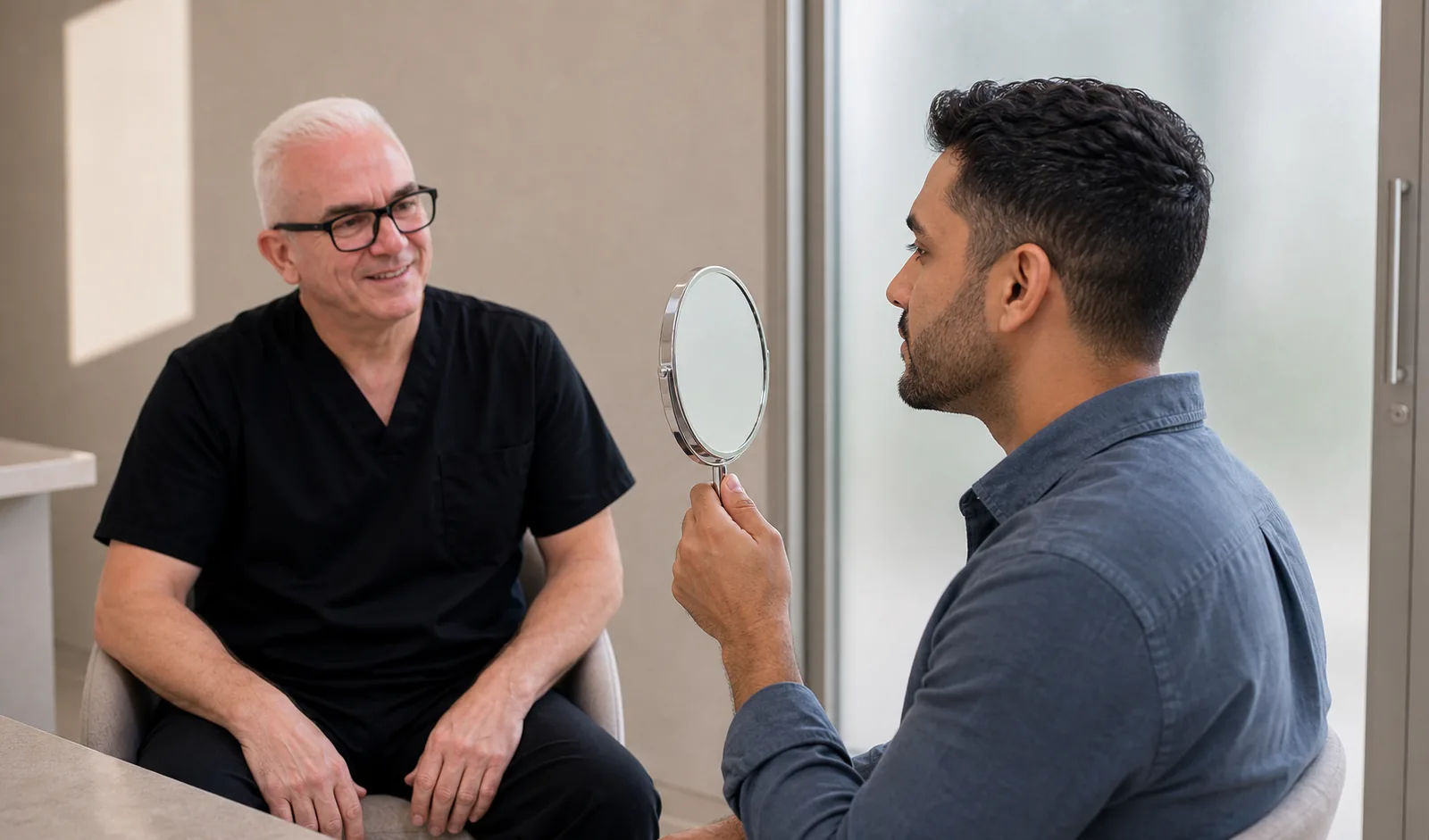
For a separate, stable cosmetic concern, Core Aesthetics offers a free initial consultation, usually about 30 minutes, at 12A Atherton Road, Oakleigh VIC 3166, inside BeautyTHEQUE. You can attend for information only. Consultations are with Corey Anderson, Registered Nurse, Ahpra NMW0001047575. Cosmetic care should not be used as treatment for appearance-related distress.
FAQ
What do I need for a basic men's skincare routine?
A mild cleanser, a moisturiser suited to your skin and suitable sunscreen are a practical starting point. Choose products you can use consistently. Add another product only for a clear concern; a beginner routine does not need every category sold in a skincare set.
Does a glow up require expensive products?
No. Start with products and clothes you already have. Replace an item because it is unsuitable, expired or worn out, rather than because it lacks a premium label. For clothing, checking fit and arranging a repair can be more useful than buying a whole new wardrobe.
What can I do about razor bumps?
Avoid chasing the closest possible shave. Soften the hair, use shaving cream, shave with the hair growth and avoid stretching the skin. The American Academy of Dermatology suggests a single- or double-blade razor for people prone to bumps. Seek medical advice if the problem persists or is painful.
Can I expect a complete change in 30 days?
No routine can promise that. In the first month, focus on whether you can follow the steps and whether products are comfortable to use. A haircut or clothing adjustment is different from a skin condition, which may need assessment and a longer care plan.
Do I need a cosmetic appointment to start?
No. The home routine does not require a cosmetic appointment. If you have a separate appearance concern, you can use the consultation guide below to understand the visit. For a rash, changing spot or significant distress, start with an appropriate health professional.
Source And Further Reading
Cleansing, moisturising and shaving guidance. American Academy of Dermatology: Skin care tips for men
Sunscreen choice, quantity, timing, reapplication and combined sun protection. Cancer Council Australia: Sunscreen advice
Adult sleep needs, routine and seeking help for ongoing tiredness. Healthdirect: Sleep
Starting gradually, short activity blocks and support for physical limitations. Healthdirect: Exercise and mental health
Disruptive appearance concerns warrant professional assessment. Healthdirect: Body dysmorphic disorder
To start this week, put your existing skin products in the order you use them, plan when to wash and reapply sunscreen, and choose one grooming task. Leave extra purchases until you can say what each would do.
General adult self-care information. Follow any individual plan from your treating health professional.