Men's Health Week 2026

New Dads Can Feel Flat Too

Core Aesthetics core aesthetics img 0076 mens

Everyone warns new dads about broken sleep. Fewer people mention the strange emotional weather that can arrive with it: feeling flat beside a baby you love, snapping over small things, going quiet or wondering why you do not feel like yourself.

Love for your baby and a hard time in your own head can exist together. Feeling low, anxious, angry or disconnected does not make you ungrateful or a bad dad. It is a reason to notice what has changed and let someone help you carry the next step.

For Men's Health Week, the practical move is simple: name the issue early, choose the right help, and do not let the awkward bit run the whole decision.

Direct Answer

Yes, new dads can experience depression, anxiety and other significant mood changes during pregnancy and after a baby is born. Healthdirect Australia reports that up to 1 in 10 fathers experience depression around this time. Ask for support when a change lasts, keeps returning or affects daily life, relationships, bonding, work, drinking or safety. A GP or PANDA National Helpline on 1300 726 306 is a practical first door. Call Triple Zero (000) if life is in danger, or Lifeline on 13 11 14 for 24-hour crisis support.

Table of Contents

Why It Gets Put Off

The questions after a birth usually centre on the baby and the birthing parent. A dad can become the person carrying bags, answering messages and saying he is fine. Work may restart while nights are still broken, routines disappear and both adults are stretched. None of that makes your wellbeing less relevant. PANDA notes that shame, stigma and other barriers can make it harder for men to reach out, so waiting for a dramatic crisis sets the bar too high.

The useful answer is not a lecture. It is a next move clear enough that a busy man can actually do it.

For a lot of men, the issue does not arrive as one big moment. It shows up as a small adjustment, then another one, until avoidance starts feeling normal.

One way to test the pattern is to ask what has changed in the last month. If the honest answer is behaviour, mood, sleep, work, relationships or confidence, it has already become practical enough to address.

What Is Actually Changing?

Adult man seated with a notebook, writing down changes in mood, sleep and daily life
Three short notes can make the first conversation easier: what changed, when it began and what it is affecting.

Look for a pattern across several days rather than judging yourself by one bad night. Useful clues include persistent flatness, numbness, panic, anger, hopelessness, withdrawing from people, losing interest, struggling to concentrate, drinking more or finding ordinary responsibilities much harder. Healthdirect distinguishes postnatal depression from normal tiredness by the way symptoms persist and interfere with daily life. You do not have to diagnose yourself. The useful question is: "What has changed from my usual way of coping?"

Keep the notes boring: dates, changes, triggers, what you have tried and what worries you. Boring notes are often exactly what makes an appointment useful.

The useful detail is usually the one you nearly leave out because it feels too small. How long it has been happening, what changed around the same time, and what you have already tried can all matter.

Use ordinary words. A note that says "worse after work", "happens when I drink", "started after the move" or "I keep avoiding photos" can be more helpful than a polished explanation.

Make It Easier To Act

Two adult men having a calm and supportive conversation
The first conversation does not need perfect words. One honest sentence is enough to begin.

Make the first conversation small enough to use. Put three notes in your phone: what changed, when you began noticing it and what it is affecting. Then say one plain sentence to your partner, a trusted person, GP or child health nurse: "I am not coping as well as I expected, and I need help with the next step." If you book a GP, tell reception it is about your mental health and ask whether a longer appointment is available. You can bring the notes and let the GP ask the rest.

The first step should feel almost too small. That is the point. Small steps survive work, family, weather and the usual later routine.

Make the action practical enough that you do not need a burst of motivation. If it needs courage, give it a date, a time and a very plain reason.

If you need accountability, borrow it from the calendar. Make the booking, set the reminder, or ask someone to check whether you did the thing you said you would do.

Choose The Right Help

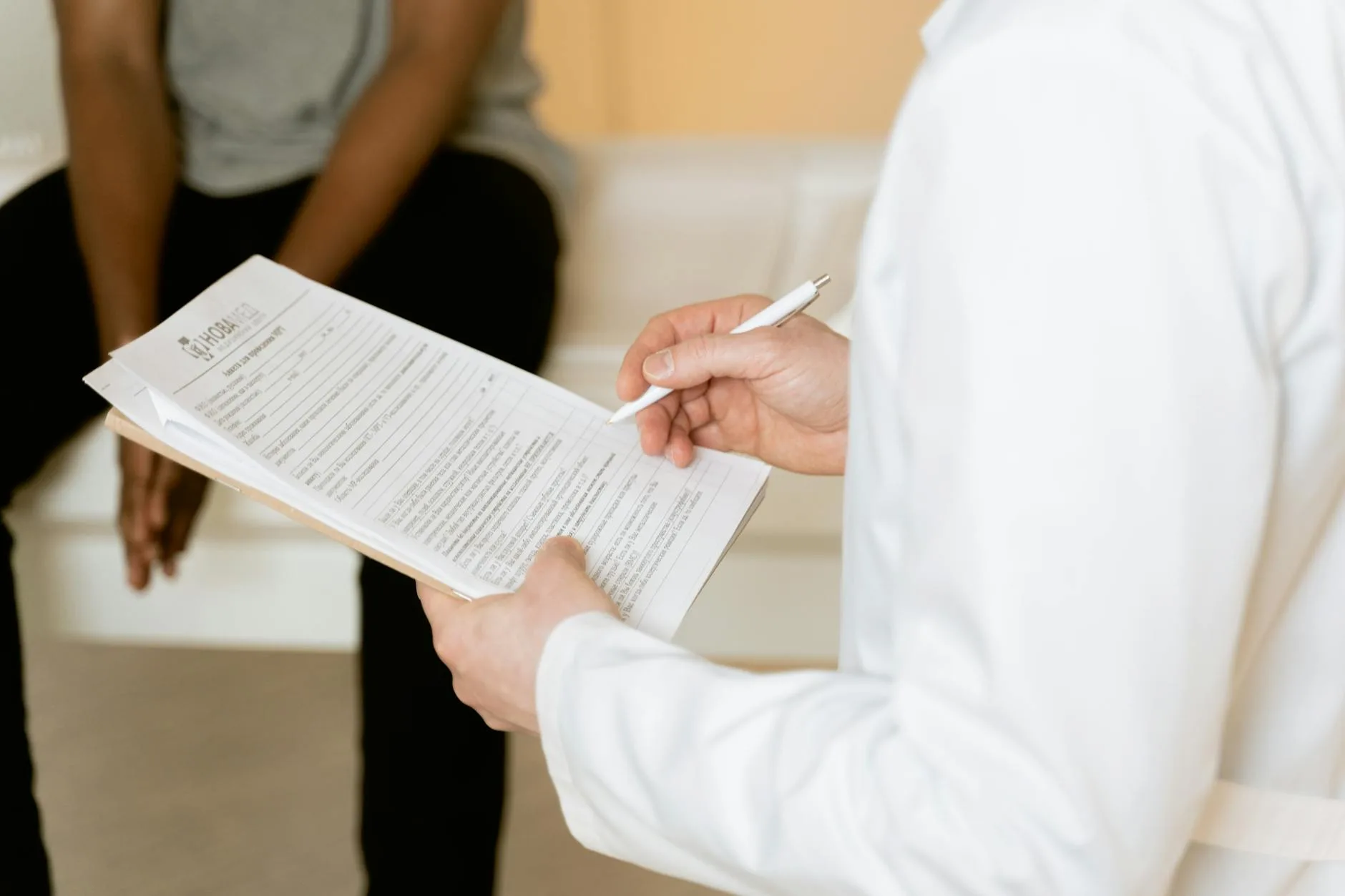
Adult man discussing health changes with a health professional in a private setting
A GP can assess the wider health picture and help plan suitable support or follow-up.

Choose the door that matches the moment. A GP can assess your wider health, discuss support and arrange referral or follow-up. PANDA National Helpline supports expecting and new parents on 1300 726 306 from Monday to Saturday. Lifeline offers free, confidential crisis support 24 hours a day on 13 11 14 if you feel overwhelmed or have difficulty staying safe. Call Triple Zero (000) if life is in immediate danger. Core Aesthetics is not a mental health service. If distress appears during a separate appearance consultation, Corey will pause the cosmetic decision and encourage the appropriate health pathway.

Good advice should make the situation clearer, not more loaded. If a conversation creates shame, urgency or confusion, slow it down and choose a better source.

A good appointment or support conversation should leave you knowing what to watch, what to do next and when to come back if things change.

The right support should also help you understand what would make the issue more urgent. Knowing when to act again is part of good care.

Keep The Next Step Human

Support for you is not care taken away from your partner or baby. It can begin with ten honest words, one phone call or a GP appointment. If you later visit Core Aesthetics for a separate appearance concern, you will meet with Corey Anderson RN in a private Oakleigh consultation and can choose to wait or do nothing. The mental health step still belongs with your GP, PANDA, a counsellor or crisis support, according to what you need.

Awareness weeks work best when they help men act without making them feel defective. That is the standard here.

That is the kind of awareness that respects men. It does not shout at them, shame them or sell them a new identity. It gives them a clearer way to act.

There is no prize for making the problem sound bigger than it is. There is also no prize for making it smaller until it runs the week.

FAQ

Can new dads get postnatal depression or anxiety?

Yes. New dads and partners can experience depression, anxiety and major mood changes during pregnancy and after birth. It can look like low mood, anger, numbness, panic, withdrawal, resentment, drinking more, sleep problems or feeling like you are failing.

When is feeling flat more than normal exhaustion?

It is worth asking for help when flatness, irritability or anxiety keeps lasting, changes work or relationships, makes bonding feel harder, increases alcohol or drug use, or leaves you feeling hopeless, unsafe or unlike yourself. You do not need to wait for a crisis.

Who can a new dad talk to first?

A practical first door can be a GP, child health nurse, counsellor, trusted friend, partner or PANDA National Helpline on 1300 726 306. A plain sentence such as "I am not coping as well as I expected" is enough to start the conversation.

When should a new dad get urgent help?

Call 000 in immediate danger. Contact Lifeline on 13 11 14 if you feel unsafe, might harm yourself or someone else, are afraid you cannot get through the next stretch, or feel unable to trust yourself around the baby. Safety matters more than embarrassment.

What happens when a new dad calls PANDA?

PANDA's National Helpline offers a confidential space for expecting and new parents to talk with trained counsellors and peer support workers. They can listen, help you sort what is happening and discuss support or referral options. The number is 1300 726 306 and the service operates Monday to Saturday. PANDA is not an emergency service, so use Lifeline on 13 11 14 for immediate crisis support or call 000 if life is in danger.

Is Core Aesthetics the right place for a new-dad mood concern?

No. Core Aesthetics is an aesthetic clinic, not a mental health service. Start with a GP, PANDA, a counsellor or crisis support according to what is happening. If distress comes up during a separate appearance consultation, Corey Anderson RN will pause the cosmetic decision and encourage an appropriate health pathway. You can leave without treatment and return to the appearance question later, if and when it feels right.

A helpful way to finish is to choose the next action while the topic is still clear in your head. With mood changes during new fatherhood, that might mean booking something, writing down the pattern, asking one person for help, or deciding what would make the issue more urgent. The action does not need to impress anyone. It just needs to move the concern out of the vague pile.

General information only. If mood changes during new fatherhood is sudden, severe, changing quickly, linked to distress or making you feel unsafe, use an appropriately qualified health professional or urgent care. If you are unsure, ask early and keep the next step simple.

Practitioner details: Corey Anderson RN, AHPRA NMW0001047575 · TGA and AHPRA guidance is regularly reviewed in preparing this website.

Start With A Conversation

You Do Not Need To Choose A Treatment First

Tell Corey what you have noticed, what matters to you and what you want to understand. The appointment can be used for questions and planning only.

Come with questions. Leave with context.