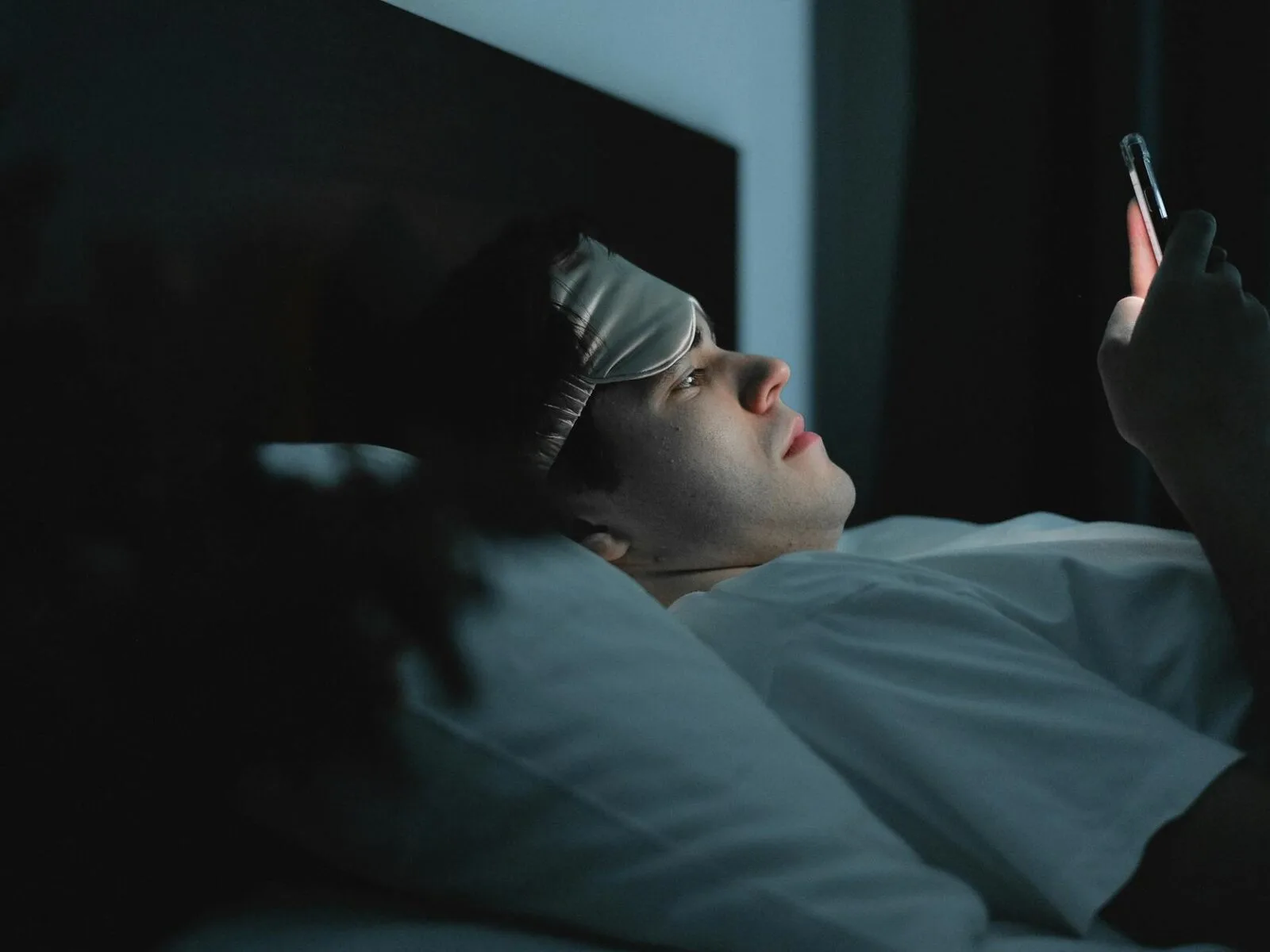
Revenge bedtime procrastination is the habit of delaying sleep to reclaim personal time after a demanding day. The late hour can feel valuable even when the next morning repeatedly becomes harder.
The useful question is not only why you are still awake. It is what the hour provides: privacy, entertainment, control, quiet or a pause from responsibility.
Start with the hour before bed, not only the final bedtime. Record what you are reclaiming, which screen or task keeps running and what would make an earlier stop feel realistic.
Direct Answer
Revenge bedtime procrastination happens when a person delays sleep to reclaim time or control after a demanding day. Start by naming what the late hour provides, track the pattern for a week and move a small part of that reward earlier. Persistent or unsafe sleepiness needs medical advice.
Table of Contents
- Why Revenge Bedtime Procrastination Feels Like Freedom
- Track The Gap Between Intended And Actual Sleep
- Move Some Personal Time Earlier
- When Poor Sleep Needs Medical Assessment
- Protect Tomorrow Without Losing Tonight
Why Revenge Bedtime Procrastination Feels Like Freedom
The pattern can be easy to defend because the phone, game or television feels like the first choice made entirely for yourself. A strict bedtime can then feel like one more demand.
Name the pressure that fills the day. Work messages, caring duties and decision fatigue may need their own boundary, because changing a bedtime alone will not create a sense of control.
Track The Gap Between Intended And Actual Sleep
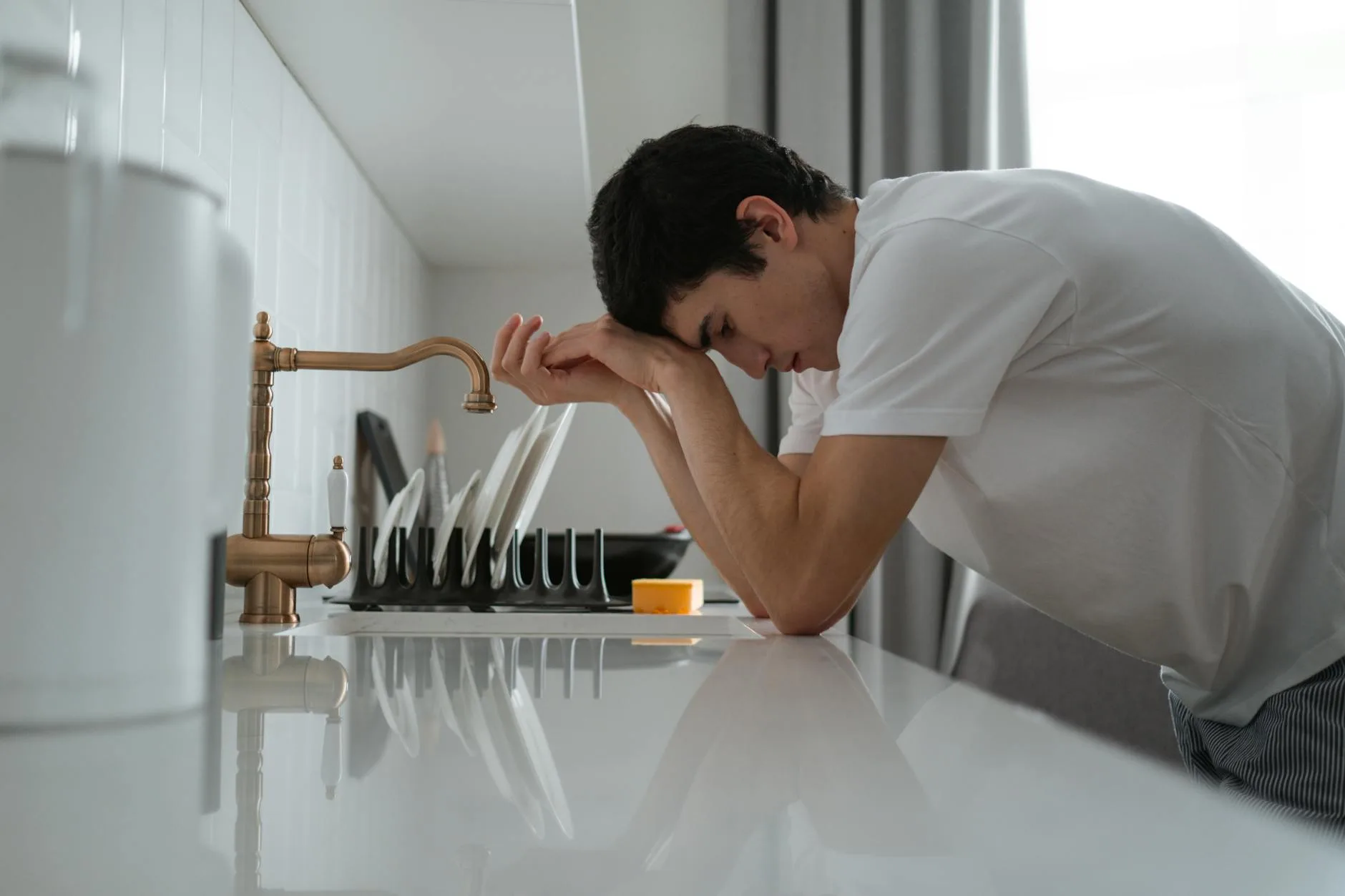
Track the time you intend to sleep, the time you actually stop using screens and how you function the next day. Include caffeine, alcohol, snoring, shift work and daytime sleepiness.
A seven day note is enough to reveal patterns. Record bed time, estimated sleep time, waking time, naps and how alert you feel during work or driving, without trying to diagnose the cause yourself.
Move Some Personal Time Earlier
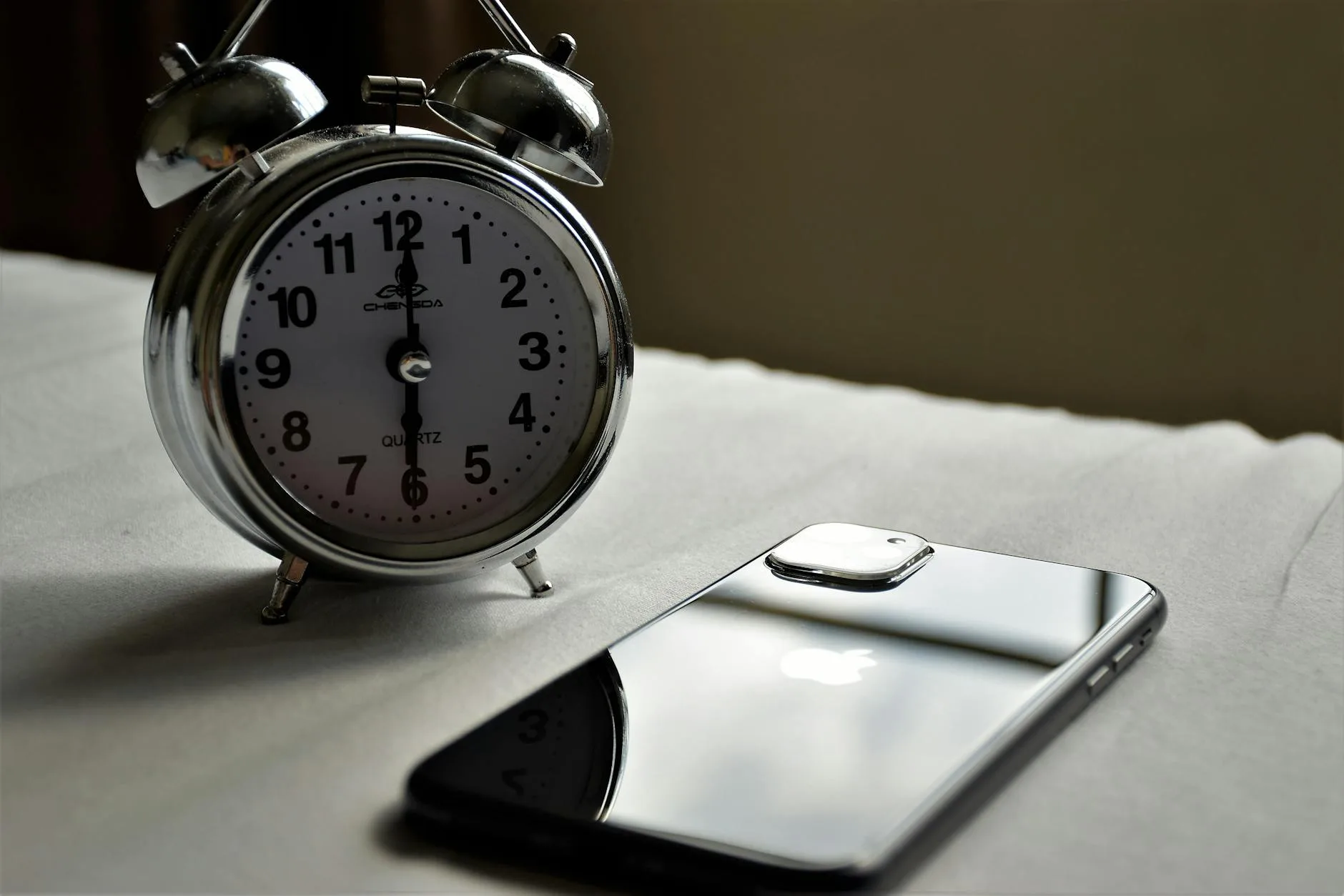
Move part of the reward earlier and make the last half hour predictable. A short walk, shower, book, conversation or screen free buffer can preserve personal time without asking midnight willpower to do everything.
Choose one change that can survive a difficult day. Charging the phone outside reach, setting an end point for one episode or placing tomorrow's first task on paper can reduce the unfinished feeling.
When Poor Sleep Needs Medical Assessment
Persistent insomnia, loud snoring, breathing pauses, unsafe daytime sleepiness, low mood or anxiety deserves GP assessment. Do not drive if sleepiness makes driving unsafe.
Sleep apnoea, insomnia, pain, medicines and mental health can all affect sleep differently. A GP can help decide whether sleep habits, testing, another clinician or a different review is appropriate.
Protect Tomorrow Without Losing Tonight
Rest should not feel like surrendering the only hour that belongs to you. The workable plan protects both the quiet time and tomorrow morning.
Review the plan after two weeks. If the reclaimed time is still only available after midnight, the next useful question may be which daytime demand needs to change.
FAQ
Is revenge bedtime procrastination the same as insomnia?
Not necessarily. Revenge bedtime procrastination describes delaying the decision to sleep, while insomnia involves difficulty sleeping despite having the opportunity. The two can overlap, so persistent problems are worth discussing with a GP.
What should I track before changing my sleep routine?
Record intended bed time, actual screen stop time, estimated sleep time, waking, naps, caffeine, alcohol and daytime alertness for about a week. Patterns are more useful than one bad night.
When is tiredness from late nights a safety issue?
Treat it as a safety issue if you struggle to stay awake while driving, operating equipment or doing work where slow reactions could harm someone. Stop the activity and seek appropriate advice.
Source And Further Reading
For Australian information about sleep routines, screens and sleep disorders, read Healthdirect guidance on sleep, sleep habits and when to seek advice
If the reset keeps failing, the useful question is what the late hour is doing for you. Workload, privacy, mood, caring and a sleep disorder need different responses, so the pattern matters more than willpower.
This is general sleep information. Do not drive when too tired to do so safely. Persistent sleep problems, marked mood change, breathing pauses or immediate danger need appropriate medical or urgent support.