
Excessive sweating in daily life can turn clothing, handshakes, commuting and meetings into a private logistics system. The impact matters even when the sweating is not painful.
A useful health conversation starts with the pattern, not embarrassment: where it occurs, when it began, whether it is focal or generalised and what else changed around the same time.
Separate a longstanding focal pattern from sweating that is new, generalised or occurring at night. Then record what the pattern changes in clothing, work, skin comfort and social plans.
Direct Answer
Excessive sweating affects daily life when clothing, work, handshakes, exercise or social plans are repeatedly organised around it. Record where and when it happens, night symptoms, medicines and other health changes. Call 000 if excessive sweating occurs with chest pain and feeling lightheaded or sick.
Table of Contents
- How Excessive Sweating Changes Daily Life
- Map Focal, Generalised And Night Sweating
- Record The Workarounds As Well As The Sweat
- Know Which Symptoms Change The Urgency
- Use The Pattern To Choose The Next Door
How Excessive Sweating Changes Daily Life
Men may minimise sweating because the workarounds are familiar. Spare shirts, dark clothing, avoiding seats or changing plans can slowly become the normal way the week is organised.
Include the practical cost: extra laundry, damaged shoes, missed exercise, avoiding touch or choosing work positions around airflow. Those details show impact without needing dramatic language.
Map Focal, Generalised And Night Sweating
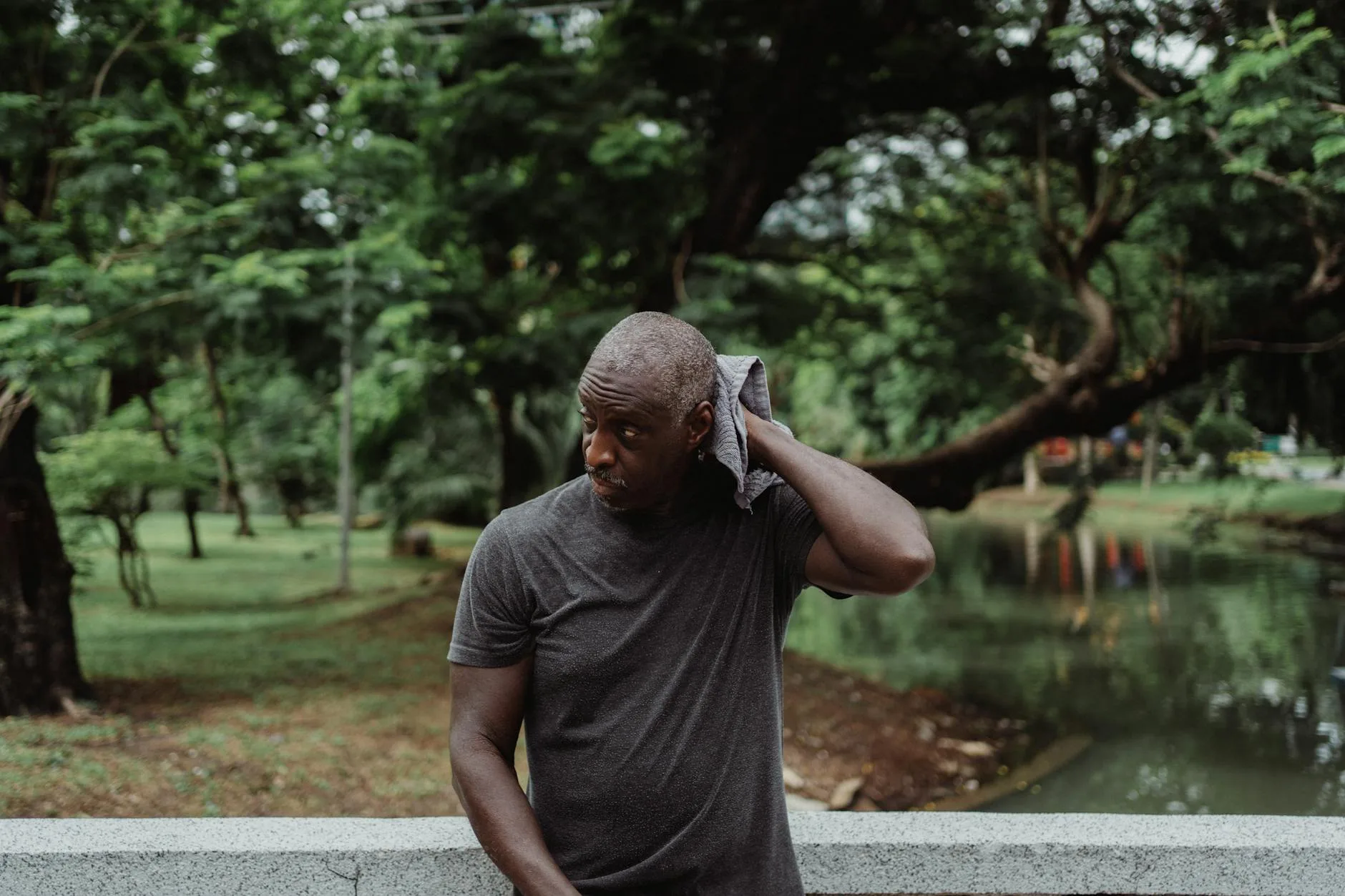
Record location, timing, triggers, whether both sides are affected, night sweating, medicines, fever, weight change and whether sweating occurs without heat or exercise.
Focal sweating in the underarms, hands, feet or face is a different starting question from sweating across the whole body. Do not use the label to rule out a medical cause yourself.
Record The Workarounds As Well As The Sweat

Keep a short two week record that includes daily impact, not just severity. Note missed activities, clothing changes, skin irritation and situations you avoid.
List deodorants, clothing changes and other measures already tried, plus any irritation they caused. That prevents the appointment from restarting with advice you have already tested.
Know Which Symptoms Change The Urgency
Call 000 if excessive sweating occurs with chest pain and feeling lightheaded or sick. New generalised sweating, night sweating, fever, unexplained weight change or feeling unwell needs prompt medical assessment.
If an emergency combination occurs, do not wait for a cosmetic clinic reply. For non emergency changes, a GP can review health history, medicines and whether investigation or referral is needed.
Use The Pattern To Choose The Next Door
A spare shirt can remain useful, but it should not be the only strategy. A clearer pattern helps a GP or other appropriate clinician decide what should happen next.
Only after relevant medical questions are considered does an elective sweating consultation make sense. Suitability, risks, limits and follow up still need individual assessment.
FAQ
What should I record about excessive sweating?
Record the body area, timing, triggers, whether both sides are affected, night sweating, medicines, health changes, skin irritation and the activities or clothing choices the sweating changes.
When should excessive sweating be checked by a GP?
See a GP for a new pattern, generalised sweating, night sweating, fever, unexplained weight change, medicine concerns or sweating that disrupts daily life. A GP can help assess possible causes.
When is sweating an emergency?
Call 000 if excessive sweating occurs with chest pain and feeling lightheaded or sick, or if other symptoms suggest an immediate medical emergency. Follow the operator's instructions.
Source And Further Reading
For Australian information about focal and generalised sweating, causes and urgent symptoms, read Healthdirect guidance on excessive sweating and hyperhidrosis
A two week record gives a GP more than a severity label. It shows timing, medicines, triggers, health changes and daily impact, which helps determine whether medical review or another pathway is appropriate.
This is general information about excessive sweating. Call 000 if excessive sweating occurs with chest pain and feeling lightheaded or sick. Follow the operator's instructions.