For a facial volume concern near Clarinda, first ask whether the perceived change remains consistent across ordinary days and neutral views or varies with lighting, sleep, recent illness, weight change, dental care or cosmetic care. Corey Anderson RN compares that record with facial structure, skin, movement, natural asymmetry, health history and previous care. He explains suitable options, material risks, alternatives, costs, timing and follow up. When assessment and informed consent support an option, suitable care can be planned; more information or adjusted timing can be included when the baseline is still changing.
Start By Testing Whether The Baseline Holds
A single mirror check after poor sleep, a close phone image or side lighting can make facial shadows feel unusually prominent. Before deciding that structural support is the question, compare the concern across several ordinary days.
The aim is not to diagnose what causes variation. It is to give Corey a clearer record of what stays consistent, what changes and which recent events may matter.
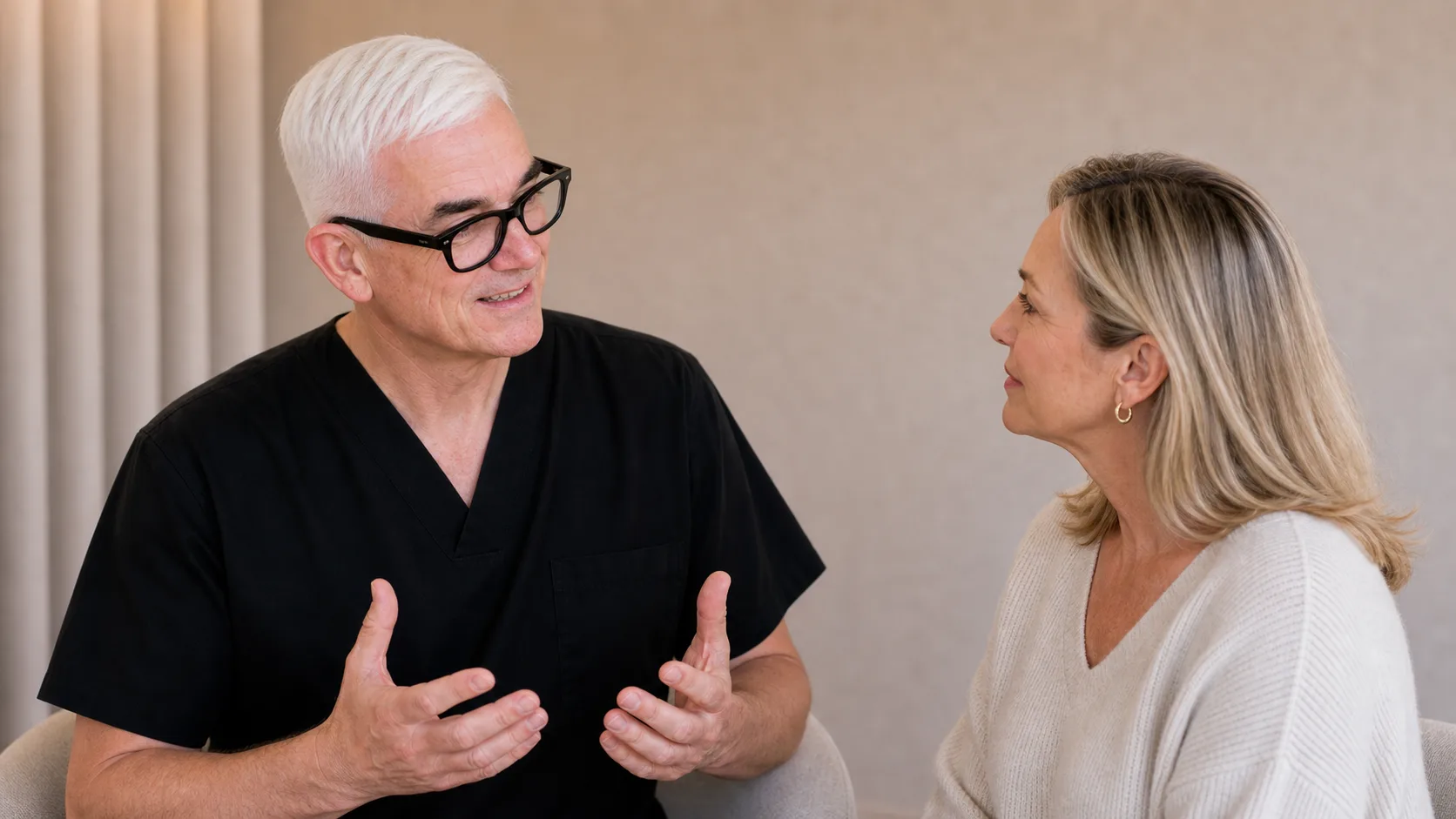
What Belongs In A Baseline Stability Record?
Use the same ordinary viewing conditions where possible, and record context without assigning a cause.
| Observation context | What to compare | What to avoid concluding |
|---|---|---|
| Neutral daylight | Whether the same contour or shadow remains visible from front and angled views. | Do not treat one harsh light as proof of structural change. |
| Different times | Whether the concern looks similar morning, afternoon and across ordinary days. | Variation does not identify its cause. |
| Recent health or sleep change | Whether the concern appeared during illness, fatigue or disrupted routine. | Do not use appearance alone to make a medical conclusion. |
| Weight or dental context | Whether change followed weight fluctuation, dental work or altered bite comfort. | Structural planning should not replace appropriate dental or medical review. |
| Previous cosmetic care | Dates, areas, settling pattern and whether the baseline is still evolving. | Do not stack a new plan onto incomplete information. |
Which Starting Question Fits This Guide?
Stay with this page
The same facial relationship remains noticeable across ordinary days and you want an individual support assessment.
Use the focused cheek guide
Read the cheek consultation guide when cheek and midface contour is clearly the central question.
Choose another clinical pathway
Sudden, painful, one sided or otherwise unexplained change needs appropriate medical or dental assessment rather than routine cosmetic planning.
How Does Corey Establish A Reliable Comparison?
Corey observes the face from the front, angled view and profile, at rest and in natural movement. He considers cheek and midface relationships, lower face context, skin, natural asymmetry and which features you want preserved.
Health history, medicines, allergies, weight history, dental context and previous cosmetic care complete the picture. The record supports questioning; it does not confirm a diagnosis, suitability or an expected result.
Why Is Consistency More Useful Than Magnification?
Magnified close views can turn normal texture and shadow into apparent defects. A consistent concern should be considered within the whole face, familiar viewing distance and ordinary expression.
Corey may find that skin, movement, lighting or a changing baseline contributes to what you notice. That explanation is useful even when the original question changes during assessment.
What Should You Bring From Clarinda?
Bring a short timeline, a few comparable observations, current medicines, allergies, relevant health changes, weight context, dental timing and previous cosmetic care records if available.
Also note work, travel, events and whether returning to Oakleigh for review is practical. Convenience supports continuity but does not determine clinical suitability.
When Can Timing Strengthen The Assessment?
A baseline may be harder to interpret while recent cosmetic care is settling, swelling is changing, dental work is incomplete or health information is still being clarified. Records, clinical input or adjusted timing can make comparison more reliable.
When the assessment is clear, an option is clinically appropriate and informed consent is complete, suitable care can be planned. Caution can be part of a comfortable pathway without making refusal the expected outcome.

Which Guide Helps With Your Next Question?
Use the Melbourne facial volume guide for the broader assessment framework, the safety guide for risk preparation and the suitability guide for health and timing questions.
If you need to organise when a change began and what happened around that time, use the Clayton facial change timeline guide. If you are unsure whether you are noticing shadow, support or skin surface, the Clayton South three-layer guide can help you prepare that question. Stay with this guide when you are comparing what remains consistent across ordinary days.
Which Risks And Warning Signs Matter?
Risks depend on any option discussed and may include temporary marks, swelling, tenderness, bruising, asymmetry, infection, lumps, delayed reactions, dissatisfaction and uncommon serious complications. Corey explains relevant warning signs, aftercare and review access before you decide.
Sudden painful change, marked swelling, new weakness or numbness, visual symptoms, significant dental symptoms or a rapidly evolving difference needs appropriate assessment outside a routine cosmetic consultation.
Where Is The Baseline Compared In Person?
Core Aesthetics is at 12A Atherton Road, Oakleigh VIC 3166. Phone 0491 706 705. Corey Anderson RN leads the consultation and holds Ahpra registration NMW0001047575.
Bring your stability record and relevant history. Confirm Corey through the verification page and check the pricing guide before booking.
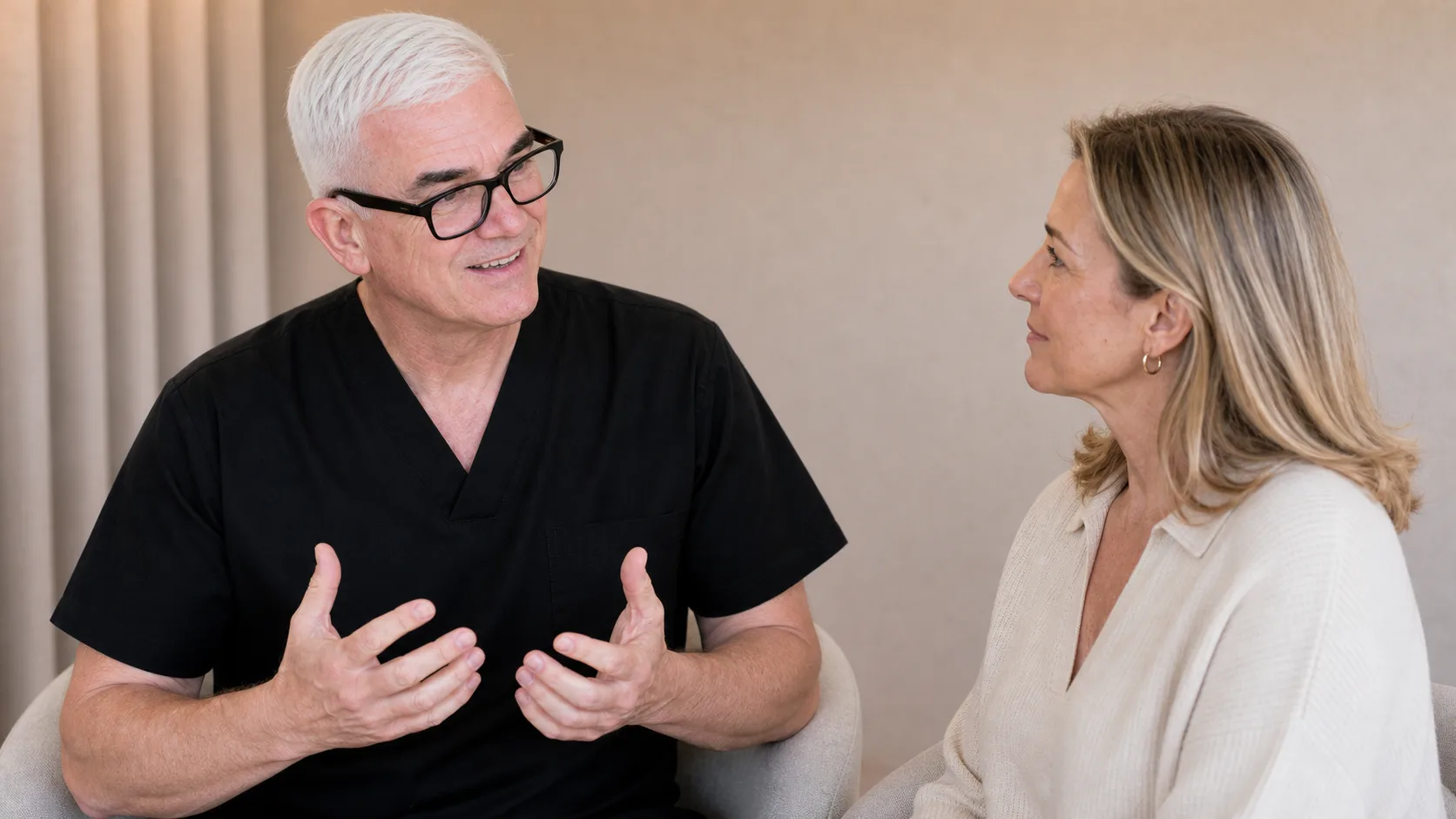
Can Suitable Care Follow A Stable Baseline Review?
Bring what stays consistent and what varies
Corey explains suitable options, material risks, alternatives, costs, aftercare and follow up. When an option is clinically appropriate and informed consent is complete, suitable care can be planned around a clearer baseline.
What Are The Limits Of This Baseline Guide?
This page provides general education for adults. It cannot diagnose facial change, confirm suitability, recommend treatment or replace personal medical advice, urgent assessment or informed consent.
Official guidelines for registered health practitioners who perform non-surgical cosmetic procedures support individual assessment, consent and appropriate follow up. These cosmetic procedure guidelines inform the consultation process. TGA advertising guidance explains why prescription products are not promoted here.
Is this for you?
Consider booking a consultation if
- Adults near Clarinda wanting facial volume and structure assessment before option discussion
- Patients who want consultation-first explanation of facial volume, skin quality, risk and consent
- People comfortable comparing suitable options, adjusted timing, review needs and other clinical input
- Patients who want to verify Corey Anderson RN and the Oakleigh clinic before booking
This may not be for you if
- People asking for a predetermined plan without assessment, consent or risk discussion
- People with urgent medical symptoms, active infection, acute swelling or rapidly changing facial symptoms
- People wanting a fixed cosmetic change before facial structure and skin quality are assessed
- People seeking elective cosmetic care for someone who cannot provide informed consent
Suitability is confirmed at consultation. This list is general guidance, not a substitute for clinical assessment.
Frequently asked questions
What is a facial support baseline stability record?
It notes whether the concern remains similar across ordinary days and neutral views or varies with recent changes. Corey uses that pattern to ask more precise assessment questions.
Why compare more than one day?
One tired, unusually lit or closely photographed moment may not represent your usual appearance. Several ordinary observations help show what stays consistent without identifying the cause yourself.
Should I record sleep or recent illness?
Yes, when the timing appears relevant. Record the context without assuming it caused the concern, and share symptoms or health changes with the appropriate clinician.
Why mention weight or dental changes?
Weight fluctuation and dental care can change the history Corey needs to understand. They may also indicate that medical or dental input belongs in the pathway before structural planning.
What previous care details should I bring?
Bring approximate dates, areas, available records, side effects, review advice and whether the appearance is still changing. This helps Corey judge whether the baseline is ready for comparison.
Which changes need another clinical pathway?
Sudden painful change, marked swelling, weakness, numbness, visual symptoms, significant dental symptoms or rapid progression needs appropriate clinical assessment rather than relying on a routine cosmetic consultation.
Why is a consistent baseline more useful than a magnified view?
Magnified close views can make ordinary texture and shadow look structural. A useful baseline shows whether the concern remains visible across several ordinary days, familiar viewing distance, neutral light and natural expression. Corey then considers skin, movement, health, weight, dental context and previous care rather than assuming that one enlarged image proves facial volume change.