A facial volume consultation near Moorabbin can compare the face upright, looking down and in three quarter view to see how head position changes cheek shadows, folds and lower face balance. Corey Anderson RN also assesses skin quality, movement, natural asymmetry, weight history, previous care and the neutral eye level baseline. He explains which concern leads, suitable options, material risks, alternatives, costs, timing and follow up. When assessment and informed consent support an option, suitable care can be planned.
Why Can Looking Down Change Facial Contour?
Lowering the head changes how soft tissue sits, deepens some shadows and compresses the lower face. A close phone camera can add further distortion, making cheek or jaw transitions look different from an upright direct view.
Corey begins with a neutral eye level baseline, then compares the position that prompted the concern. Both observations matter, but they answer different questions.
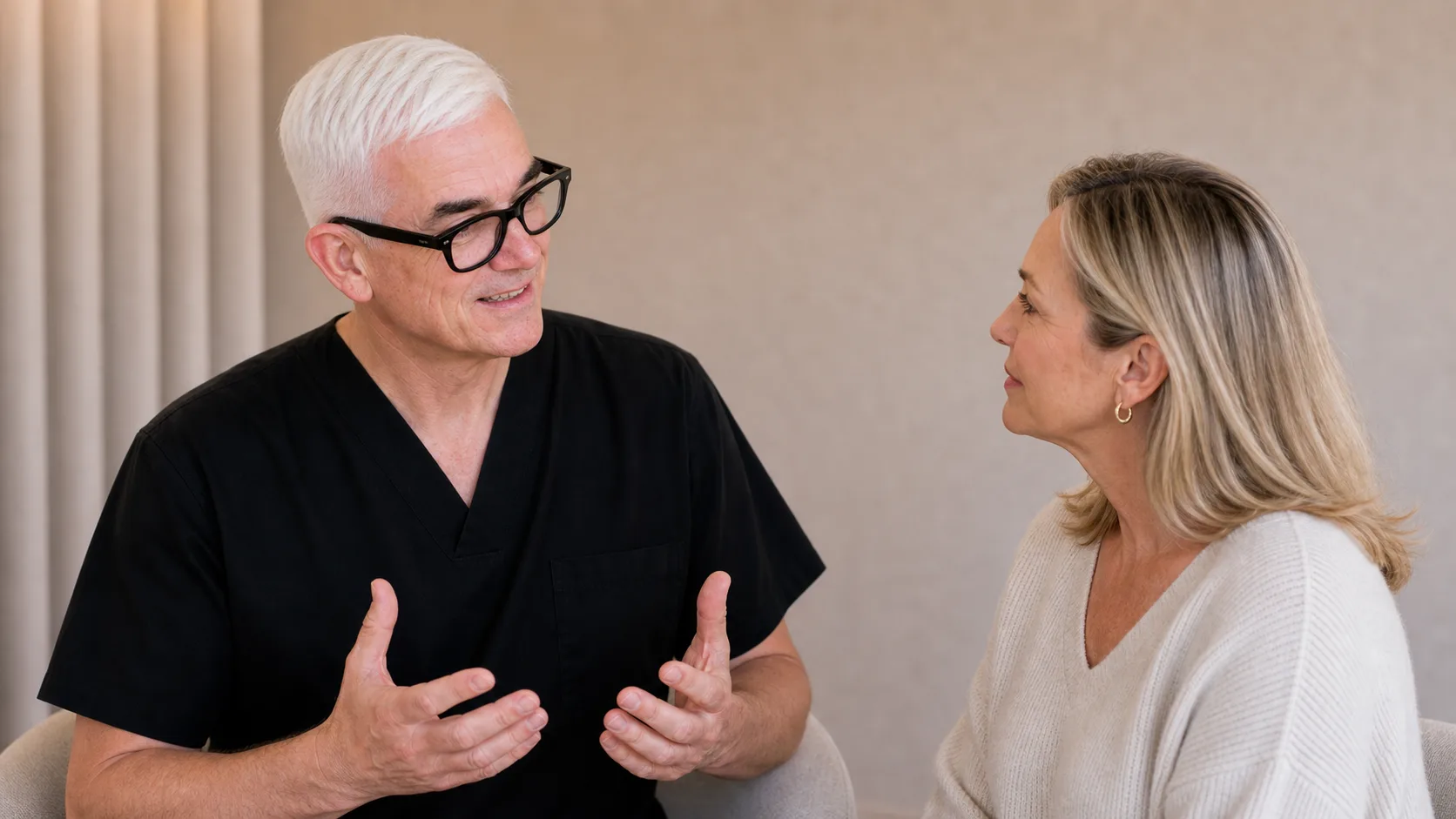
Which Position Shows Which Part Of The Pattern?
Use several ordinary views rather than one unflattering angle.
| Position | What Corey observes | Why it helps |
|---|---|---|
| Upright at eye level | Cheek support, symmetry and lower face proportion | Provides the repeatable neutral baseline. |
| Looking down | Soft-tissue shift, folds and lower face compression | Shows which changes are position dependent. |
| Three-quarter turn | Cheek transitions, projection and changing shadows | Adds depth without relying on a side light effect. |
| Natural conversation | Cheek elevation, mouth corners and familiar movement | Connects structure with daily expression. |
What Should You Bring To The Assessment?
Bring the context that helps reproduce the concern without turning one image into a result target.
- Note whether the concern appears mainly while looking down, turning or at neutral rest.
- Bring ordinary photographs only if they show the relevant position or a change over time.
- List medicines, allergies, health and weight changes.
- Include dental history and previous cosmetic care dates.
- Explain which expressions and proportions you want preserved.
How Can Posture And Camera Distance Interact?
A downward gaze, forward chin position and close lens can combine to shorten or widen parts of the face in an image. Overhead light may deepen under-eye, cheek and mouth corner shadows at the same time.
Corey compares direct observation in consistent light with the photograph or position that concerns you. The aim is to identify a stable pattern before options are narrowed.
Why Does A Neutral Baseline Matter?
A repeatable upright view helps distinguish structure from temporary soft tissue shift, expression or lighting. It also allows natural asymmetry and previous care to be considered under the same conditions.
The neutral baseline is not the only view that matters. It is the reference that makes the looking down or turned view easier to interpret.
How Can You Describe The Concern Without Choosing The Plan?
Name the position
Say whether upright, looking down, turning or conversation makes the concern clearest.
Point to the transition
Cheek, fold, mouth corner, chin and jaw questions are not identical.
Share the timeline
Weight, health, dental and previous care changes can alter the baseline.
Protect familiar expression
Tell Corey which features and movements you want preserved.
Ask about limits
Corey should explain what a structural option may change and what remains position dependent.
How Can The Position Check Redirect A Volume Request?
The comparison may show that looking down creates most of the concern, that skin and structure both contribute, or that one transition is drawing attention away from another. Corey explains the pattern before narrowing suitable options.
When assessment and informed consent support an option, suitable care can be planned. More information or adjusted timing can be incorporated when the baseline is still changing.
Which Guide Fits A Different Facial Support Question?
Read the Melbourne facial support guide for the broader framework, the Moorabbin cheek guide when the midface clearly leads and the safety guide for risk preparation.
For another route, compare the Highett, Bentleigh East or Oakleigh South pages.
Which Risks And Limits Are Discussed?
Depending on the option and individual context, discussion can include swelling, bruising, tenderness, redness, asymmetry, lumps, infection, delayed inflammatory reactions, dissatisfaction and uncommon serious vascular complications. Corey explains warning signs and review access.
He also explains that head position, camera distance, movement and lighting will continue to change how the face looks in different moments.

Where Does Corey Compare The Positions?
Core Aesthetics is at 12A Atherton Road, Oakleigh VIC 3166. Phone 0491 706 705. Consultations are led by Corey Anderson RN, Registered Nurse, Ahpra registration NMW0001047575.
Use the verification page, pricing guide and Ahpra public register before booking.
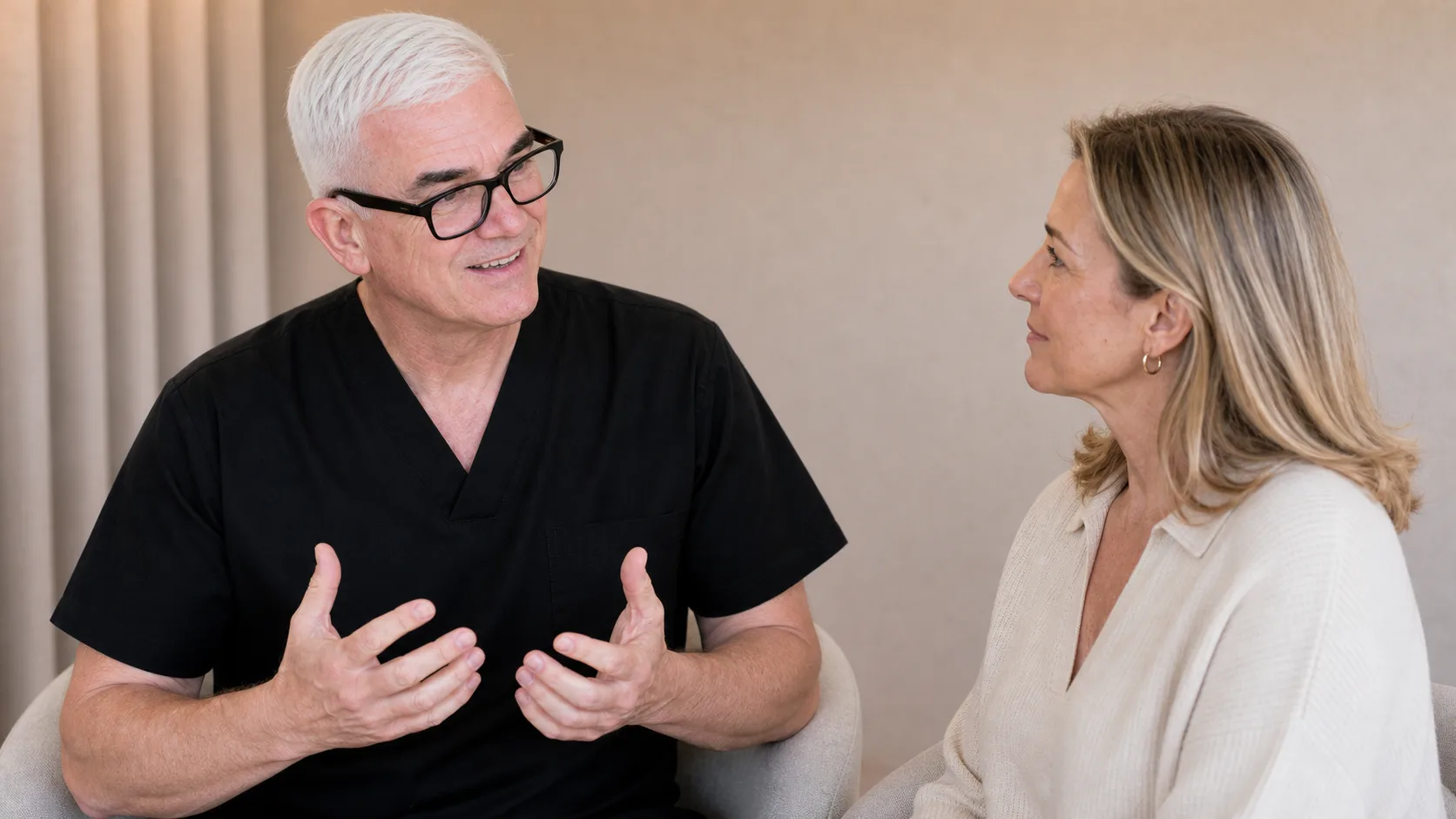
Can Suitable Care Be Planned After The Position Check?
Yes. Corey explains what the neutral and position dependent views show, suitable options, material risks, alternatives, costs, aftercare and follow up.
When an option is clinically appropriate and informed consent is complete, suitable care can be planned around realistic limits and the features you want preserved.
Which Position Questions Need Direct Assessment?
This guide provides general education for adults preparing for a facial volume consultation from Moorabbin. It cannot diagnose a facial change or confirm individual suitability.
Personal advice requires direct assessment of position, movement, structure, skin, history, material risks, alternatives and consent.
Is this for you?
Consider booking a consultation if
- Adults near Moorabbin wanting facial volume and structure assessment before option discussion
- Patients who want consultation-first explanation of facial volume, skin quality, risk and consent
- People open to exploring facial structure, skin quality and proportion, suitable options, timing and review needs
- Patients who want to verify Corey Anderson RN and the Oakleigh clinic before booking
This may not be for you if
- People asking for a predetermined plan without assessment, consent or risk discussion
- People with urgent medical symptoms, active infection, acute swelling or rapidly changing facial symptoms
- People wanting a fixed cosmetic change before facial structure and skin quality are assessed
- People seeking elective cosmetic care for someone who cannot provide informed consent
Suitability is confirmed at consultation. This list is general guidance, not a substitute for clinical assessment.
Frequently asked questions
Why can looking down change facial contour?
Lowering the head shifts soft tissue, deepens some shadows and compresses the lower face. A close phone lens or overhead light can exaggerate the same effect.
What is the neutral eye level baseline?
It is an upright direct view with the head in a comfortable position and consistent light. Corey uses it as a repeatable reference for comparison with other positions.
Why is a three quarter view useful?
A three quarter view adds depth and shows cheek projection and transitions. Comparing it with the front helps distinguish genuine structure from a shadow created by one angle.
Can phone distance alter lower face proportion?
Yes. A close lens and downward camera angle can widen or shorten parts of the face. Direct assessment provides a more reliable basis for personal advice.
Should I mention weight or dental changes?
Yes. Weight change, illness, dental treatment, bite changes and previous cosmetic care can affect facial contour or timing. Bring relevant dates and records where available.
Which risks may be discussed?
Depending on the option, Corey may discuss swelling, bruising, tenderness, redness, asymmetry, lumps, infection, delayed inflammatory reactions, dissatisfaction and uncommon serious vascular complications, plus warning signs and review access.
How should I plan the Moorabbin route?
Check current directions from your actual starting point and allow enough time for neutral and position-based comparisons. Consider whether returning to Oakleigh for review would be practical.