An Oakleigh consultation begins by defining the concern around facial structure, skin quality and proportion. Corey Anderson RN considers anatomy, movement, health context, previous care, expectations, material risks and review access before explaining suitable options and timing. You should leave with a useful next step and know what information or clinical input may help.
Is Facial Volume Actually The Leading Concern?
Start with where the change appears, when it became noticeable, whether it changes with light or movement, and whether weight, health, dental care or previous cosmetic care changed at the same time. These details help Corey test whether facial volume is actually the leading concern.
The page connects that source check with the Oakleigh clinic pathway, practitioner verification, timing and review. It cannot confirm suitability or select an option before assessment.
Why Does Assessment Come Before Planning?
Volume treatment can sound simple online, but the face does not change in one dimension. Cheek support, skin quality, midface shape, movement, lower face balance, dental context, medical history and previous treatment can all influence what a patient notices.
Assessment comes first because the visible concern may not be best managed by adding volume. Sometimes the more responsible answer is to wait, review old treatment, consider another pathway, gather medical or dental information, or choose a staged assessment plan.
Corey also considers timing and consent readiness. A patient who feels pressured by an event, travel date or quick appointment opening may need more time before making a treatment decision.
Which Concern Needs Which Assessment?
The table below is a guide to consultation thinking. It is not a treatment selector and it cannot decide suitability.
| Starting concern | What Corey assesses | Possible consultation pathway |
|---|---|---|
| Cheek flattening | Midface support, facial width, skin quality, smile movement, lower eyelid transition and previous treatment history. | Suitable options, adjusted timing or another type of review, with the reason explained clearly. |
| Hollowing or volume loss concern | Whether the hollowing is structural, skin related, lighting related, weight related, medical, dental or linked to previous treatment. | Broader assessment, referral where needed, volume planning only if appropriate. |
| Lower face heaviness | Whether cheek support, jawline, skin laxity, movement, weight change or facial proportion is influencing the concern. | A focused consultation, adjusted timing or a staged assessment, with the reason explained clearly. |
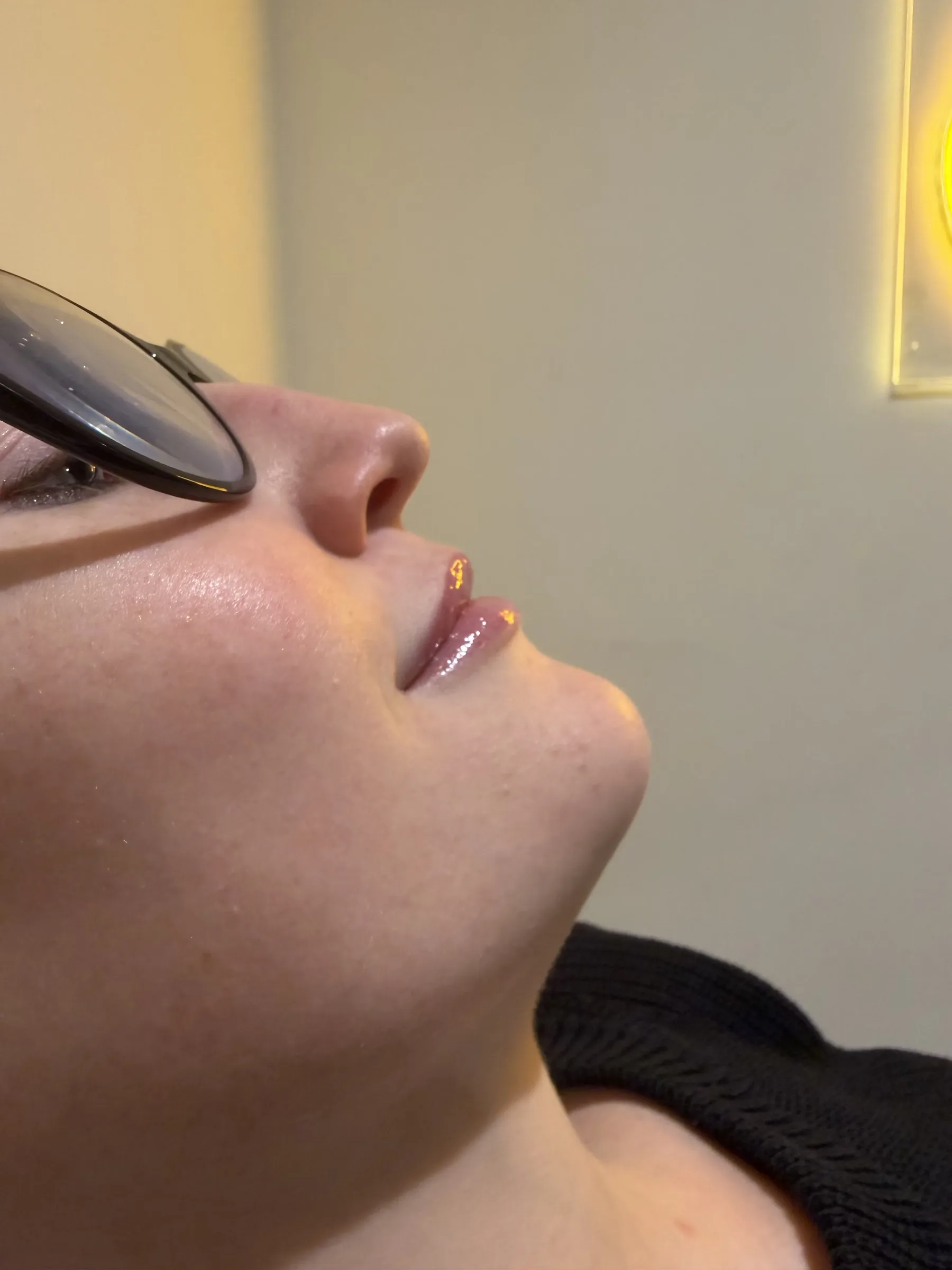
| Profile or balance concern | Relationship between cheek support, chin, jawline, lips, nose, smile and natural facial proportions. | Whole face assessment before deciding whether volume treatment is the right focus. |
| Previous treatment concern | Records, timing, firmness, swelling, migration concern, current anatomy and whether adding more would be inappropriate. | The next step may involve correction assessment, more settling time or other clinical input, with the reason explained clearly. |
| Event or travel timing | Swelling visibility, consent readiness, review access, travel plans, work, sport and whether timing creates avoidable pressure. | Corey will connect the assessment findings with suitable options, timing and an agreed plan. |
What Does Corey Assess?
Corey Anderson RN assesses the concern at rest and in movement, the relationship between cheek support and lower face balance, facial proportions, skin quality, age-related change, relevant medical history, medicines, allergies, previous cosmetic treatment, timing, consent readiness and aftercare practicality.
The assessment may include discussion of how long a concern has been present, whether it has changed quickly, whether photographs help explain the change, and whether previous records are needed before making a decision.
The consultation also sets boundaries. Cosmetic consultation is not a replacement for medical or dental assessment when symptoms, oral health, pain, infection signs, unexplained swelling or other health concerns are present.
When Might Volume Treatment Be Considered?
Volume option discussion may be relevant when assessment suggests that facial volume change, cheek support or structural balance is part of the concern and the patient is medically suitable, consent is informed and timing is appropriate.
Even then, the plan should be proportionate. More treatment is not automatically better. The consultation should consider what would look balanced for that face, what should be left alone and what uncertainty remains.
If treatment is discussed, Corey should explain the area being considered, the reason for that focus, practical aftercare, review expectations, warning signs and what symptoms require urgent medical care rather than routine cosmetic follow-up.
When Might Treatment Wait Or Not Proceed?
Treatment may wait when there has been recent swelling, bruising, skin infection, dental work, illness, travel, a major event, incomplete previous treatment information, unrealistic expectations, consent uncertainty or poor review access.
It may not proceed when risk is higher, anatomy does not support the requested change, the concern is outside cosmetic scope, another health pathway is needed, or the likely benefit does not justify treatment.
A responsible consultation should make the reason clear. A staged assessment plan is not a failed appointment; it can be the safest and most useful answer when the situation does not support proceeding.
How does the consultation lead to a clear plan?
Individual assessment guides which options are worth discussing and how the next step is planned. The appointment must first cover assessment, medical history, suitability, alternatives, risks, consent and whether moving forward is clinically appropriate after assessment.
The next step follows an individual assessment of the concern, risks, alternatives and timing. That may mean waiting, reviewing records, considering another consultation pathway, planning around timing, seeking medical or dental review, or deciding not to proceed.
Patients should not feel that booking locks them into a treatment decision. The purpose of consultation is to make the decision clearer before anything else is considered.
How Do Risks, Alternatives And Consent Fit In?
Consent should include benefits, limits, uncertainty, common side effects, rare but serious risks, alternatives, waiting, a staged assessment plan, aftercare and how to contact the clinic if something does not feel right.
Volume related discussions should be especially careful about swelling, bruising, asymmetry, vascular risk, tissue behaviour, previous treatment, facial balance and the possibility that a requested change may not suit the whole face.
Alternatives are part of consent, not an afterthought. Sometimes the alternative is not another cosmetic treatment; it may be waiting, monitoring, referral, correction review or choosing another path.
What If Previous Treatment Is Part Of The Concern?
Previous treatment can change the assessment. Corey may ask when treatment happened, what was treated, who performed it, whether records are available, how the area settled and whether there are concerns such as firmness, swelling, asymmetry or migration.
Adding more volume is not automatically safe or sensible. Depending on the assessment, the appropriate pathway may be waiting, original practitioner review, correction assessment or another clinically appropriate pathway.
This is why previous treatment details should be brought to consultation where possible. Records help reduce uncertainty and make it easier to avoid repeating a plan that may not have suited the patient.
Choose The Next Page By What Changed
If cheek support is the main question, read cheek volume Melbourne. If previous care has not settled or records are incomplete, use previous treatment assessment. If the concern is whether any cosmetic option belongs in the discussion, use treatment suitability assessment.
Use the Melbourne volume hub only when you need the broader structure and volume guide rather than the local Oakleigh route.

What Should You Ask During Consultation?
Useful questions include: what is causing the concern, is volume actually the issue, what would make treatment unsuitable, what alternatives exist, what should be left alone, what are the risks, what review may be needed and when would timing or another clinically appropriate pathway be safer?
Ask how option discussions and decisions are documented, what signs should prompt contact with the clinic, what symptoms require urgent medical care and whether any medical or dental issue should be reviewed first.
Ask which concern should be assessed first and whether a separate review of previous care or another health assessment would help. You should understand the reason for the recommended next step.
Patients can also ask what Corey would document from the visit, what should be monitored after any plan, how review is arranged and what information would change the recommendation. Those questions help keep the appointment grounded in assessment rather than assumptions.
Verification And Clinic Details
Corey Anderson RN is a Registered Nurse with Ahpra registration NMW0001047575. Patients can verify practitioner and clinic details on the Verify Core Aesthetics page before booking.
Core Aesthetics is located at 12A Atherton Road, Oakleigh VIC 3166. Phone 0491 706 705. This page was reviewed on 5 September 2026.
Book A Volume Consultation
If you are considering volume treatment and want a consultation-first approach, book an appointment with Corey at Core Aesthetics. If fee context matters, review the pricing page before booking. After assessment, Corey explains which options may be suitable after reviewing facial structure, skin quality and proportion, how timing affects the plan and what follow-up would involve.
The most useful booking starts with a clear concern rather than a fixed request. Tell Corey what has changed, what worries you, what you want to avoid and whether any previous treatment, event timing, travel or health factor may affect the decision.
Book a consultation or contact the clinic if you are unsure which pathway best matches your concern.
If your concern includes pain, infection signs, dental symptoms, rapidly changing swelling, vision symptoms or anything that feels medically unsafe, seek urgent medical care or the appropriate medical pathway first.
Is this for you?
Consider booking a consultation if
- Adults considering local facial volume assessment and wanting consultation to guide an informed decision
- Patients noticing cheek flattening, hollowing, lower face balance concerns or changed facial structure
- Patients with previous treatment concerns who need records, timing and correction pathways considered
- Patients who understand that consultation may lead to timing or another clinically appropriate pathway
This may not be for you if
- People expecting treatment without individual assessment and informed consent
- People seeking an assured appearance change
- People with urgent medical, dental, infection, pain or rapidly changing symptoms that need another clinical pathway first
- People who are not ready to consider timing or another clinically appropriate pathway if that is safer
Suitability is confirmed at consultation. This list is general guidance, not a substitute for clinical assessment.
Frequently asked questions
Is volume treatment available at Core Aesthetics in Oakleigh?
Core Aesthetics provides consultation led volume treatment after individual assessment. Corey Anderson RN reviews facial structure, medical history, previous treatment, suitability, alternatives, timing, risk and consent before discussing which options may be suitable, whether timing needs adjusting and what next step fits best.
What is assessed before volume treatment is discussed?
Assessment can include cheek support, midface shape, facial proportions, lower face balance, skin quality, medical history, medicines, allergies, previous treatment, timing, review access and expectations. Corey also checks whether the concern is actually caused by volume change.
Is volume treatment always the right answer?
No. A volume concern may relate to skin quality, movement, dental or medical change, weight change, previous treatment, lighting, expectations or normal variation. Consultation may lead to treatment planning, another pathway, adjusted timing, review with another health professional or a recommendation not to proceed.
What useful next step should the appointment provide?
Individual assessment guides which options are worth discussing and how the next step is planned. An option discussion depends on assessment, informed consent, timing, clinical appropriateness, patient readiness and whether review and aftercare are practical.
Which areas can a volume consultation assess?
A consultation may assess cheek support, midface flattening, hollowing, lower face balance, temple or profile concerns where relevant and previous treatment concerns. The aim is to understand the structure and concern before deciding whether any care plan should be discussed.
What if my concern is cheek flattening?
Cheek flattening can be assessed in relation to midface support, skin quality, lower eyelid transition, facial width, smile movement, ageing pattern and previous treatment. Corey may discuss suitability, staged planning, another care plan, timing or another clinically appropriate pathway depending on assessment.
How are risks and alternatives discussed?
Risks and alternatives should be explained before consent. This includes uncertainty, swelling, bruising, asymmetry, vascular risk, review needs, limits of treatment, a staged assessment plan, adjusted timing, review with another health professional and whether another concern should be assessed before volume planning continues.
What should I bring to consultation?
Bring medication details, allergies, relevant medical history, previous cosmetic treatment information, photographs that show change over time if helpful and questions about timing, events, travel or aftercare. Previous records can be useful when correction or review is part of the concern.
When might treatment not be recommended?
Treatment may not be recommended when risk is higher, timing is poor, expectations are unrealistic, consent is uncertain, previous treatment requires review, the concern is outside cosmetic scope or the likely benefit does not justify proceeding. The reason should be explained.
How is this page different from the Melbourne volume page?
The Melbourne volume treatment page is the broader clinical hub for volume and structure questions. This page is the local consultation pathway and explains how the same assessment framework applies when patients are choosing the clinic, timing and next steps.
Can previous treatment concerns be reviewed?
Yes. Previous treatment concerns can be assessed, but adding more treatment is not automatically the answer. Corey may discuss records review, waiting, original practitioner review, correction assessment, referral, staged planning or a staged assessment plan depending on the presentation.
How can I verify Core Aesthetics before booking?
Core Aesthetics lists Corey Anderson as a Registered Nurse with Ahpra registration NMW0001047575. Patients can check the Verify Core Aesthetics page, clinic contact details and the Ahpra public register before booking a consultation or relying on clinic information.